Chinese
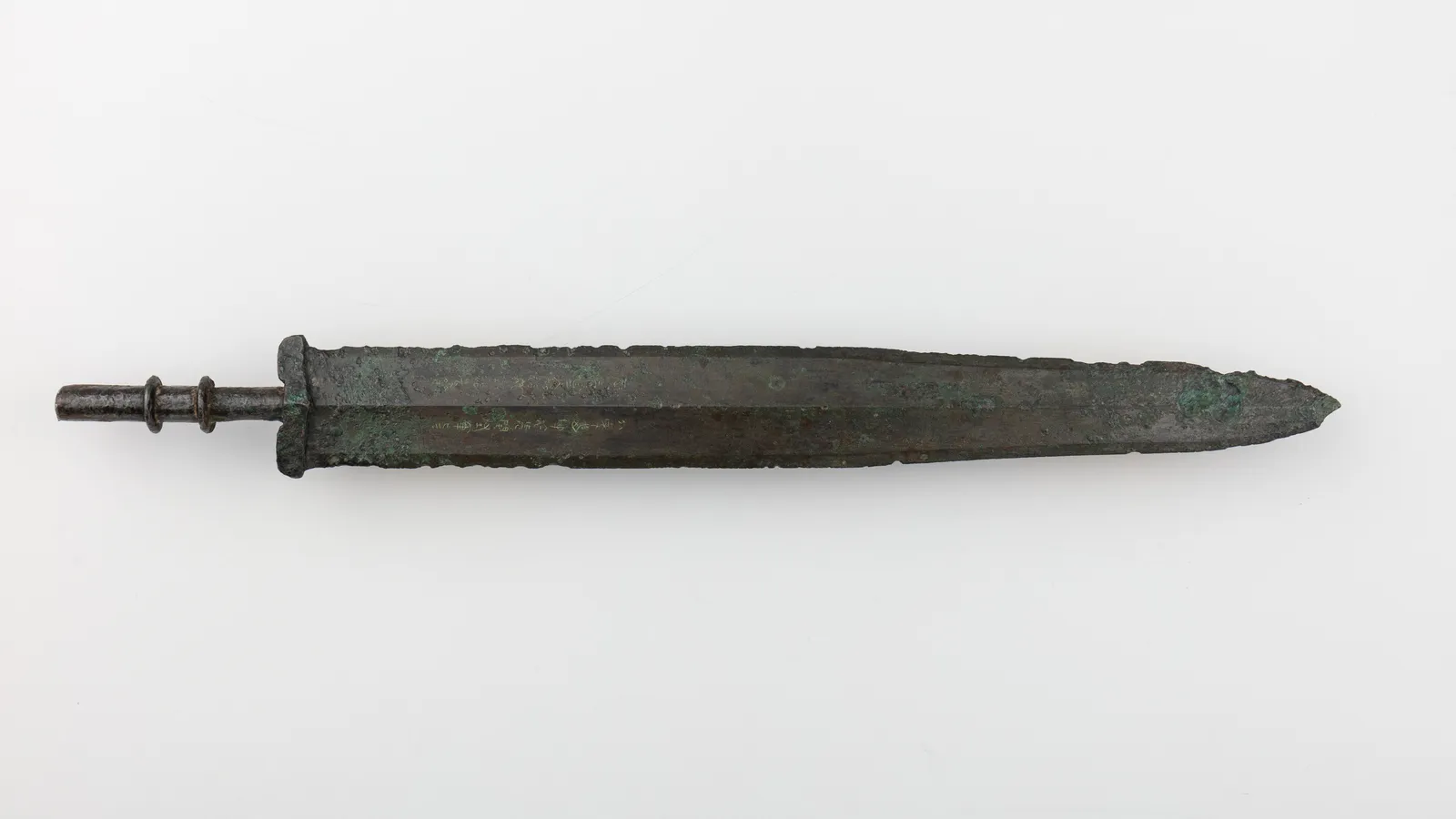
Gan Jiang and Mo Ye
干將 · 莫邪
A male and female pair of swords that cut iron like mud.
WeaponFirst recorded 50
Loading artifact…
Photograph: A thirteenth-century BCE Chinese bronze tripod cauldron (ding) of the Shang dynasty. A band of animal-face design rings the round vessel with two upright handles, under blue-green patina.
Focus the photograph, then use the arrow keys to pan and the plus and minus keys to zoom. The buttons at the lower left also move it. Press a numbered button on the photograph to zoom to that note.
九鼎
The legitimacy to rule all under heaven. They rest with dynasties of virtue.
King Yu of Xia, who controlled the floods, divided the realm into nine provinces and cast nine great cauldrons from metal each province sent him. The mountains, rivers and monsters of each region are said to have been depicted on them, so that people would know what to avoid.
The Nine Tripods passed from Xia to Shang and then to Zhou. According to the Zuo Zhuan, when King Zhuang of Chu asked a Zhou envoy their size and weight, the envoy replied, "It depends on virtue, not on the tripods." To "ask the weight of the tripods" still means to covet another's power.
After the Zhou fell the Nine Tripods vanished. The Records of the Grand Historian says the First Emperor of Qin sent a thousand men into the Si River to retrieve a sunken cauldron, but they could not find it.
The photograph shows Tripod cauldron (Ding)(China, 13th century BCE), a real museum object that evokes the legendary artifact.
干將 · 莫邪
A male and female pair of swords that cut iron like mud.
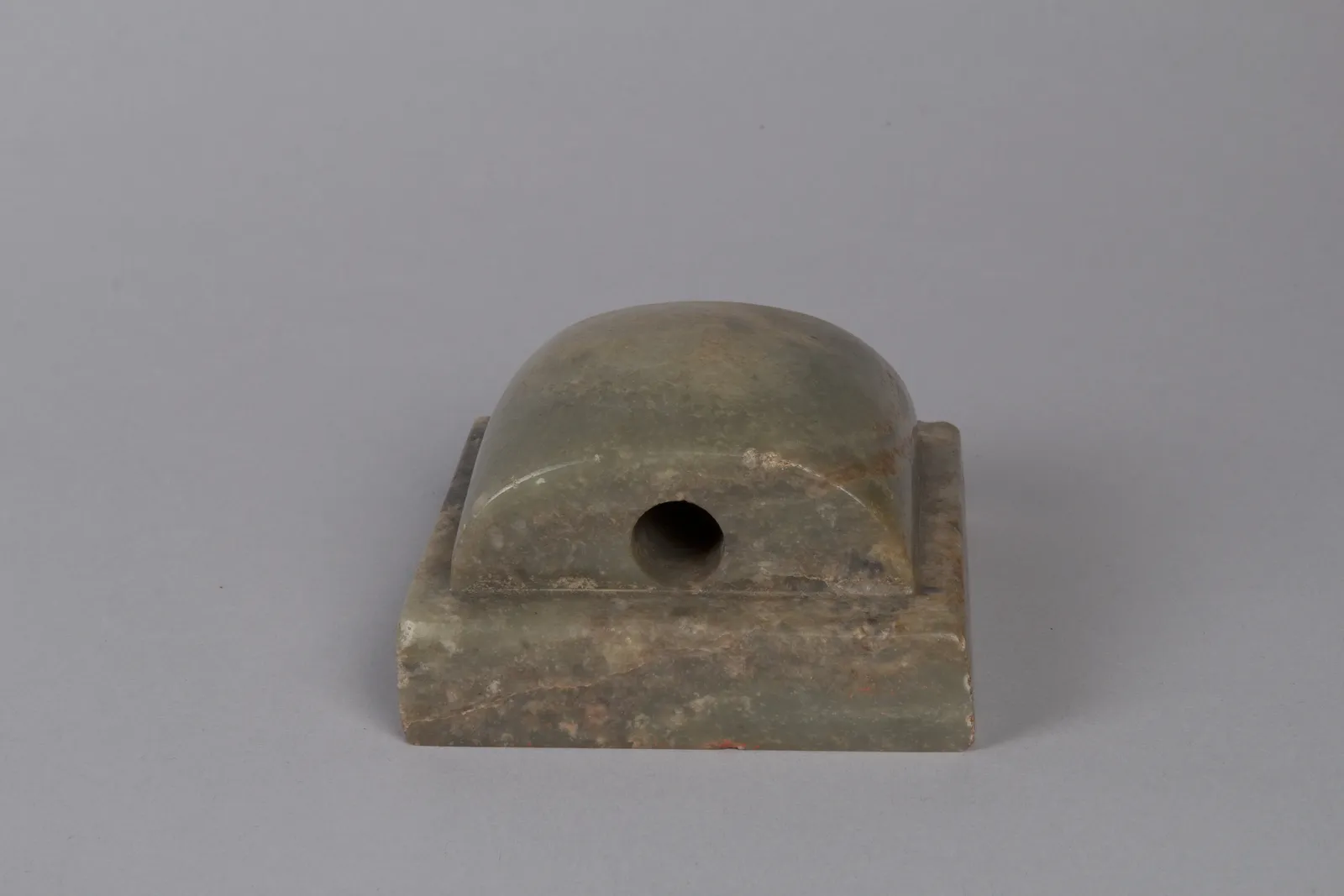
傳國玉璽
“Having received the mandate of heaven, may it flourish forever.” Whoever holds this seal is emperor.
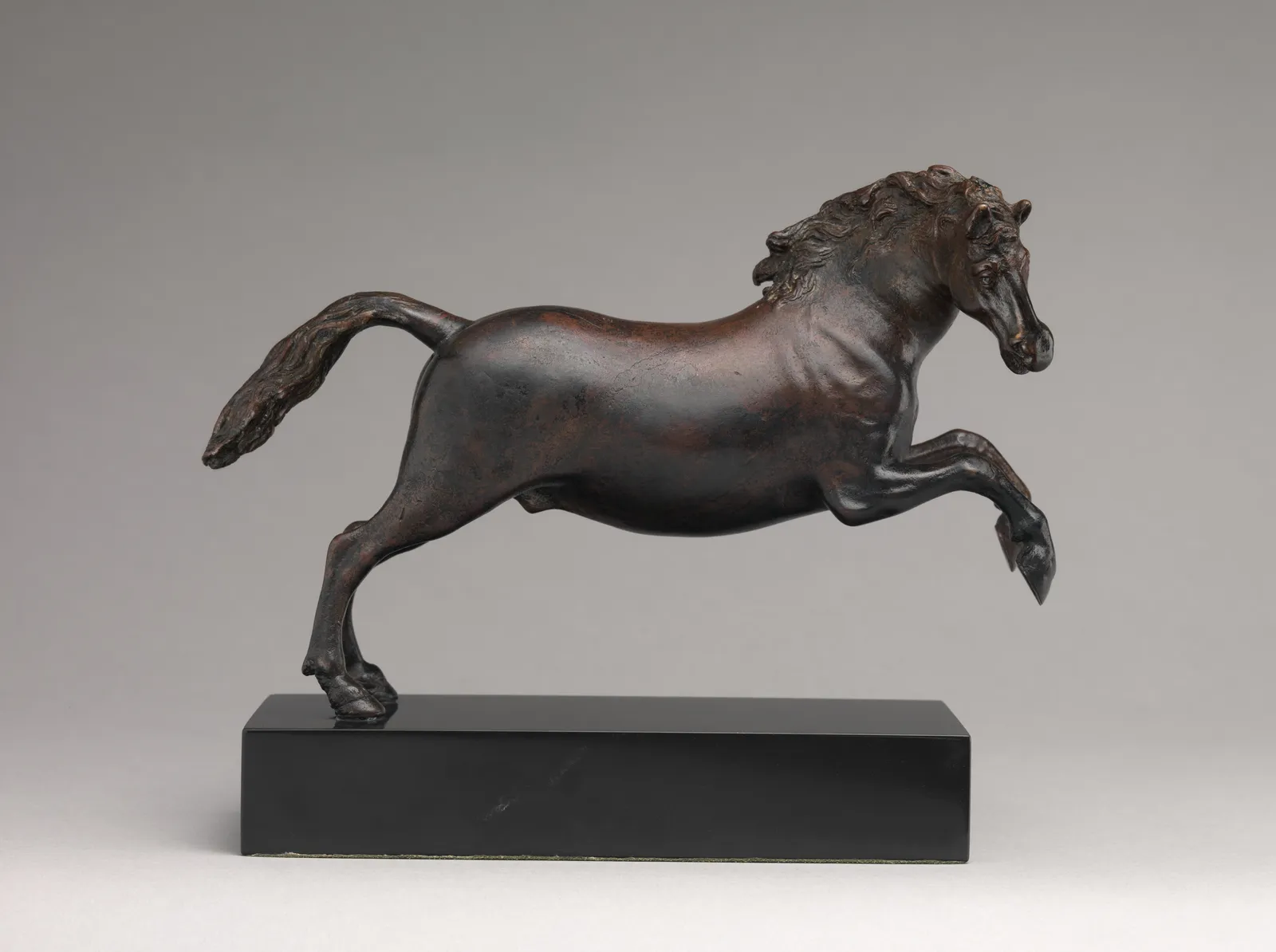
赤兔
Runs a thousand li a day and crosses rivers and mountains as if on level ground.
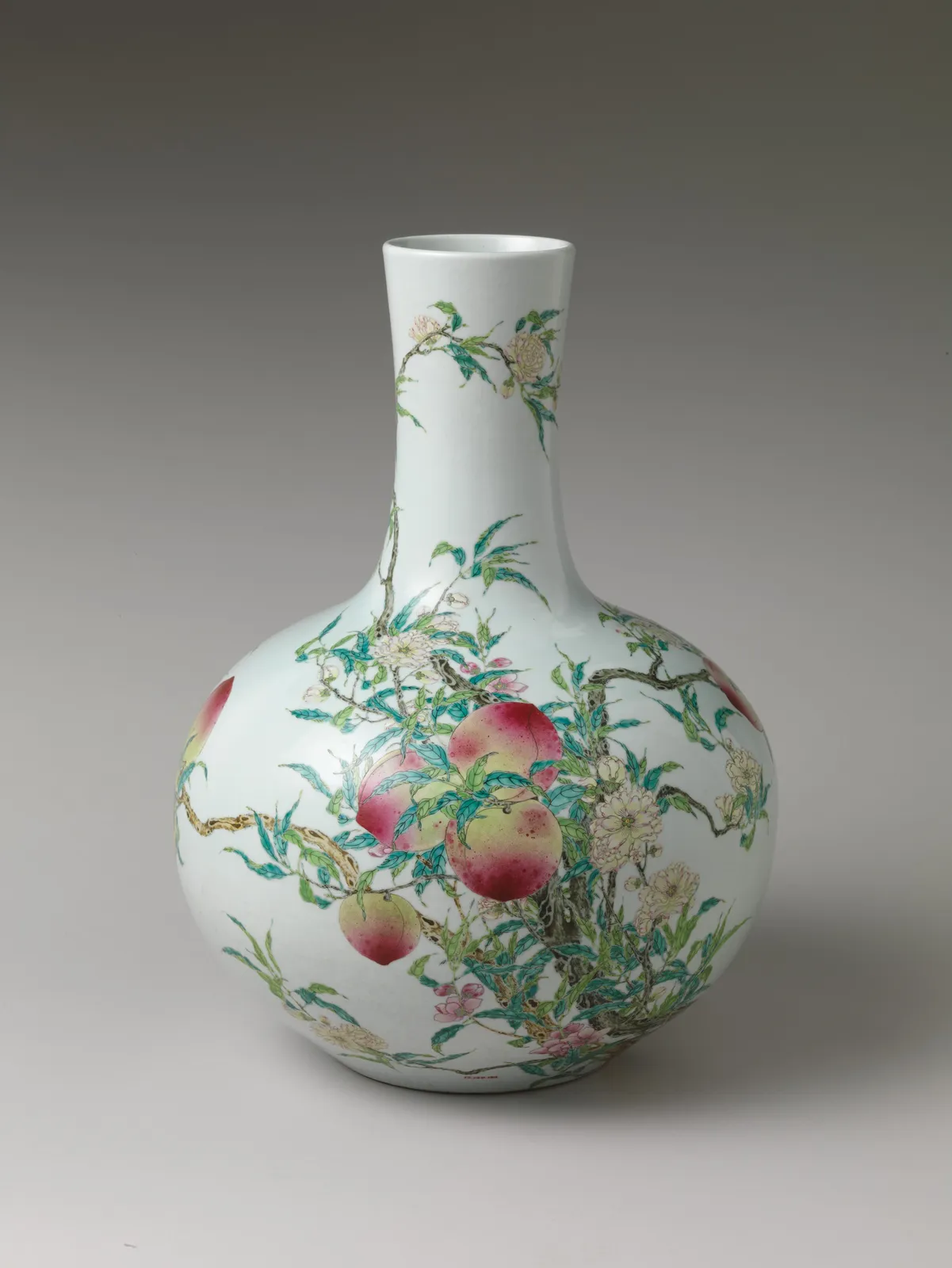
蟠桃
Fruiting once in three thousand years, they make those who eat them immortal and ageless.