Chinese
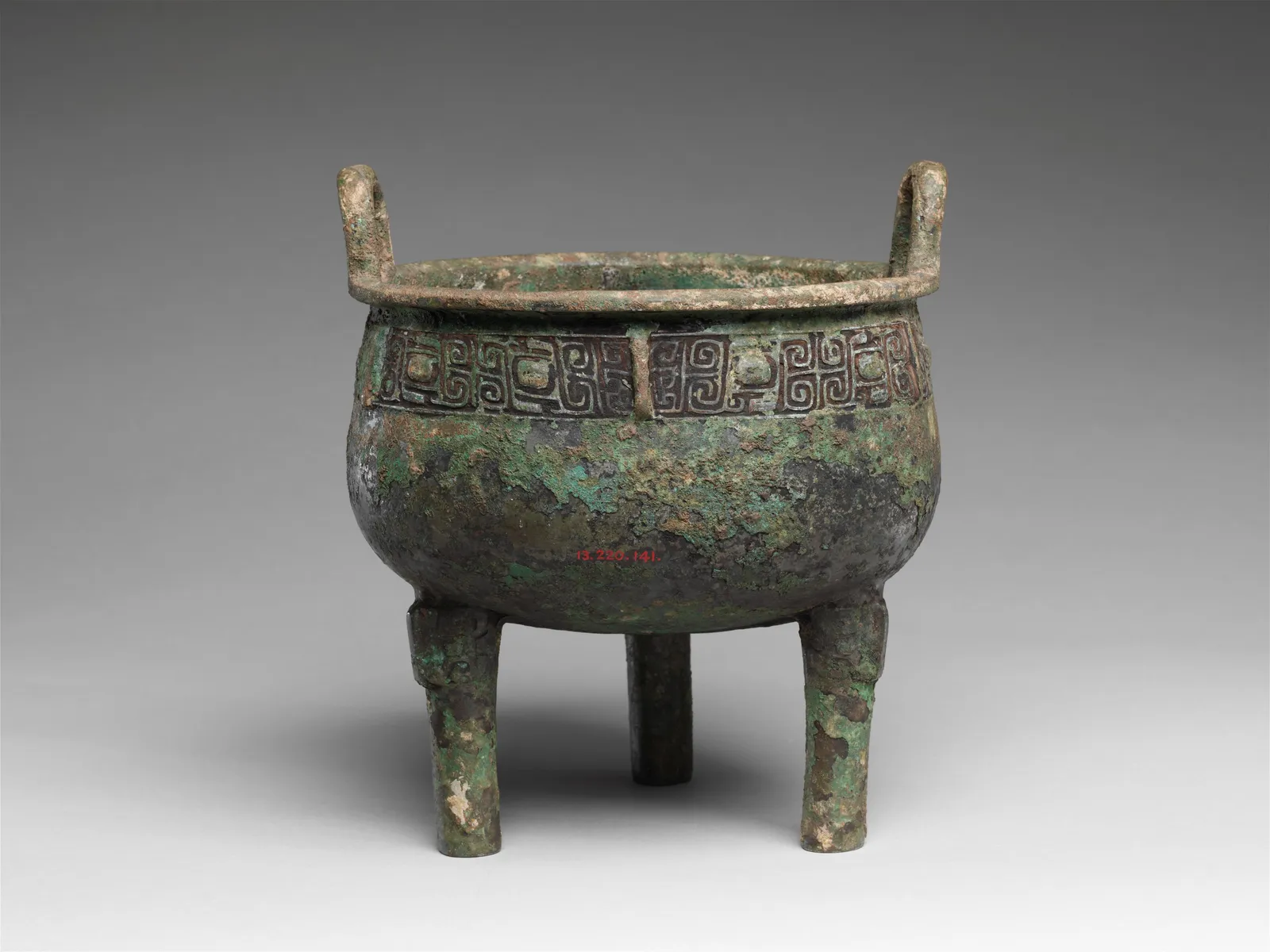
Nine Tripod Cauldrons
九鼎
The legitimacy to rule all under heaven. They rest with dynasties of virtue.
VesselFirst recorded c. 400 BCE
Loading artifact…
Photograph: A Chinese bronze sword of the fifth to fourth century BCE, with a ridge along the center of its straight double-edged blade and rings around the grip.
Focus the photograph, then use the arrow keys to pan and the plus and minus keys to zoom. The buttons at the lower left also move it. Press a numbered button on the photograph to zoom to that note.
干將 · 莫邪
A male and female pair of swords that cut iron like mud.
According to the Spring and Autumn Annals of Wu and Yue, King Helü of Wu ordered the smith Gan Jiang to forge famous swords. But after three months the metal would not melt.
Gan Jiang's wife Mo Ye, having heard that smiths of old had given themselves when iron would not melt, cut off her hair and fingernails and put them in the furnace. The iron melted and became two swords, and the couple named the male sword Gan Jiang and the female Mo Ye.
The Jin-dynasty Soushen Ji tells a different story, in which the king of Chu kills Gan Jiang after receiving his sword, and Gan Jiang's son gives his life for revenge. "Gan Jiang and Mo Ye" came to mean any famous sword.
The photograph shows Sword(Chinese, 5th–4th century BCE), a real museum object that evokes the legendary artifact.
九鼎
The legitimacy to rule all under heaven. They rest with dynasties of virtue.
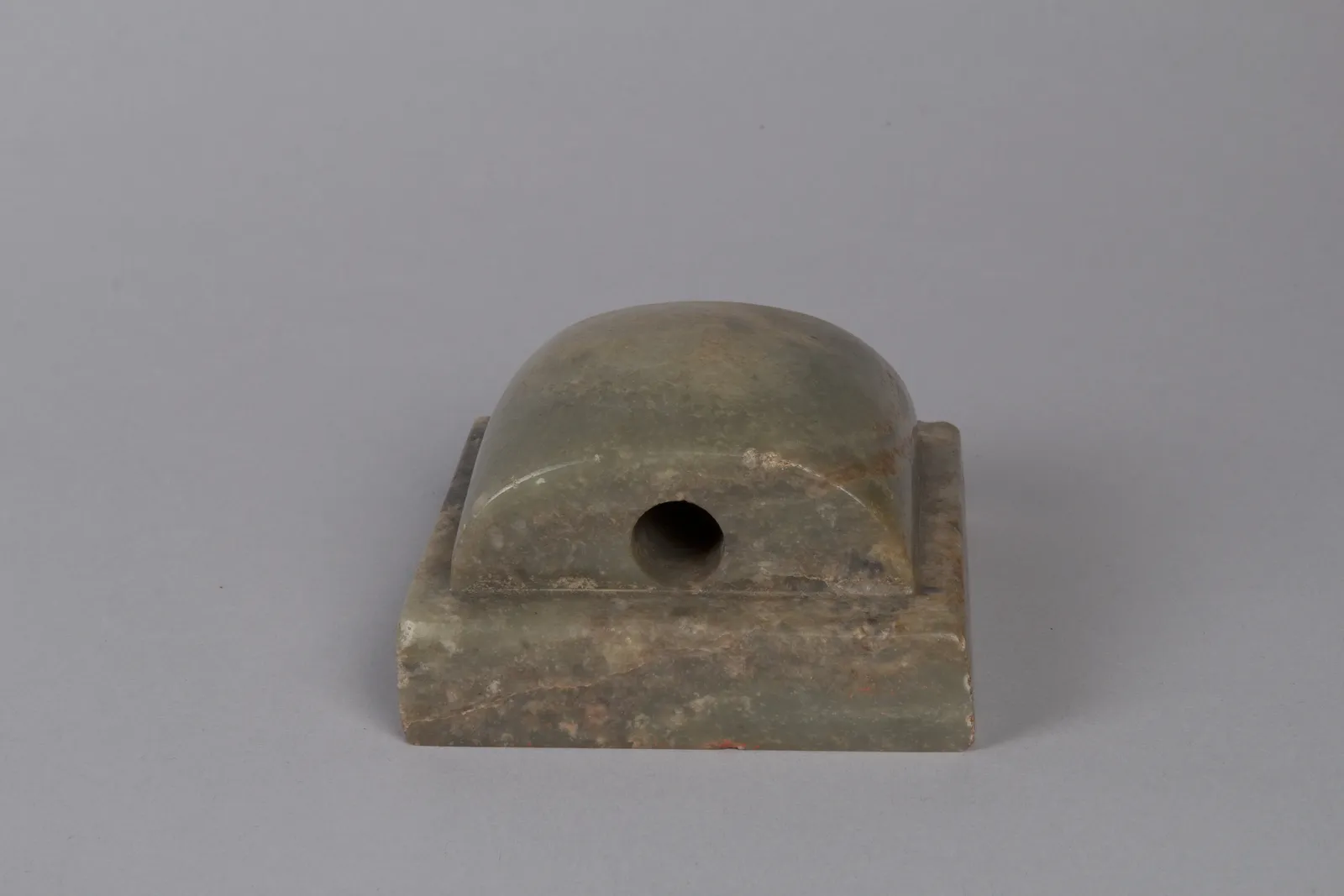
傳國玉璽
“Having received the mandate of heaven, may it flourish forever.” Whoever holds this seal is emperor.
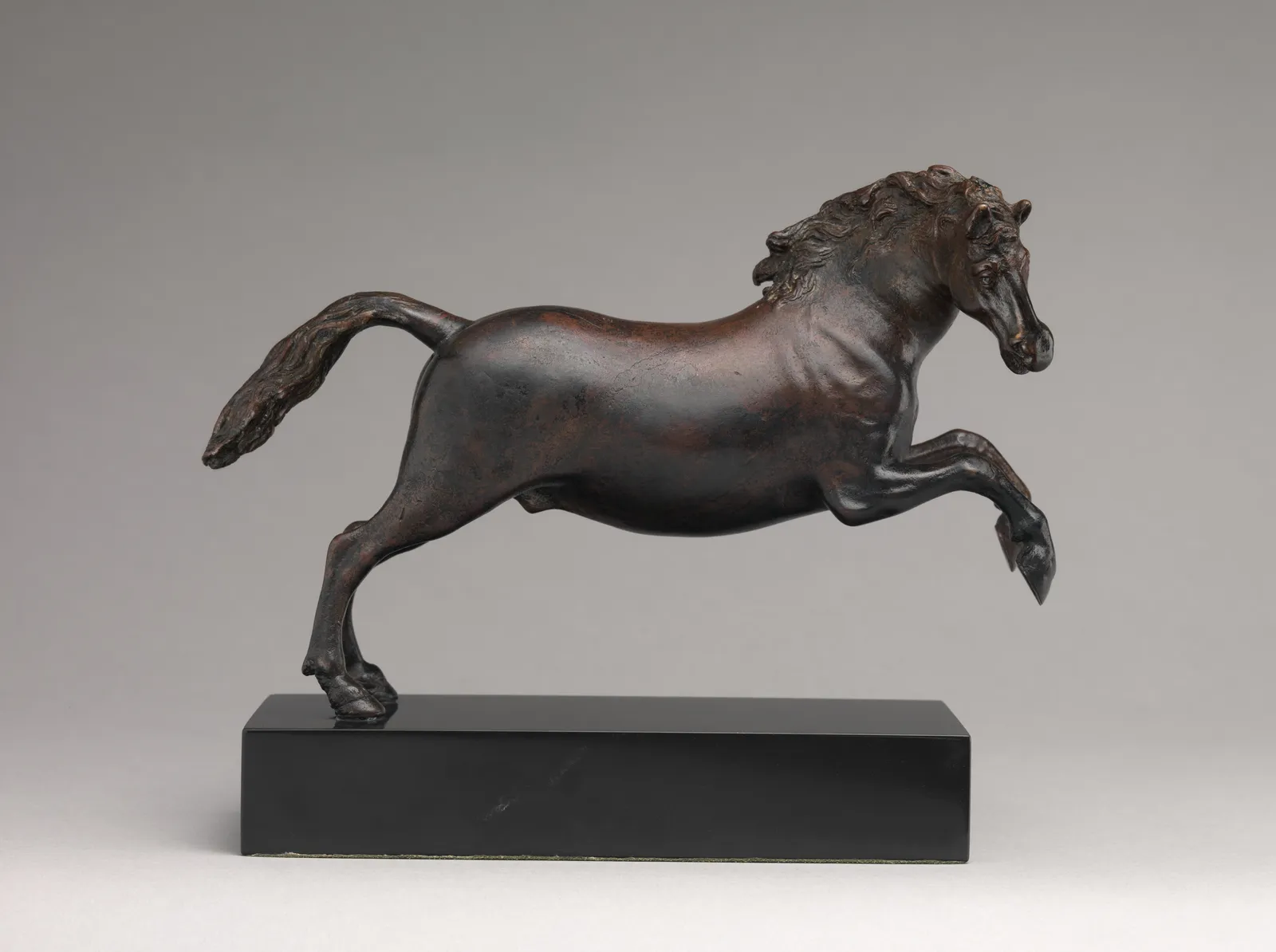
赤兔
Runs a thousand li a day and crosses rivers and mountains as if on level ground.
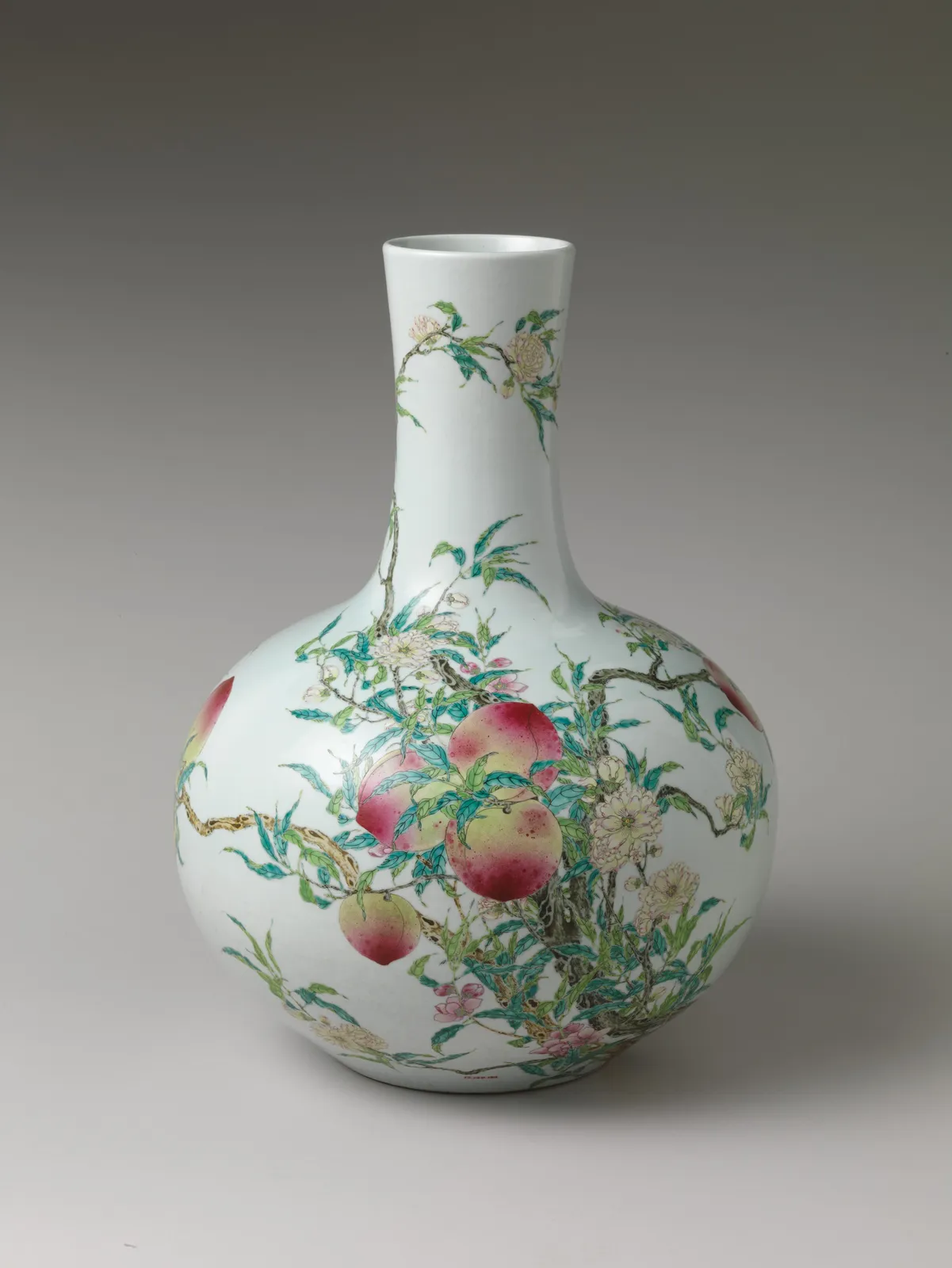
蟠桃
Fruiting once in three thousand years, they make those who eat them immortal and ageless.