Arthurian & Chivalric
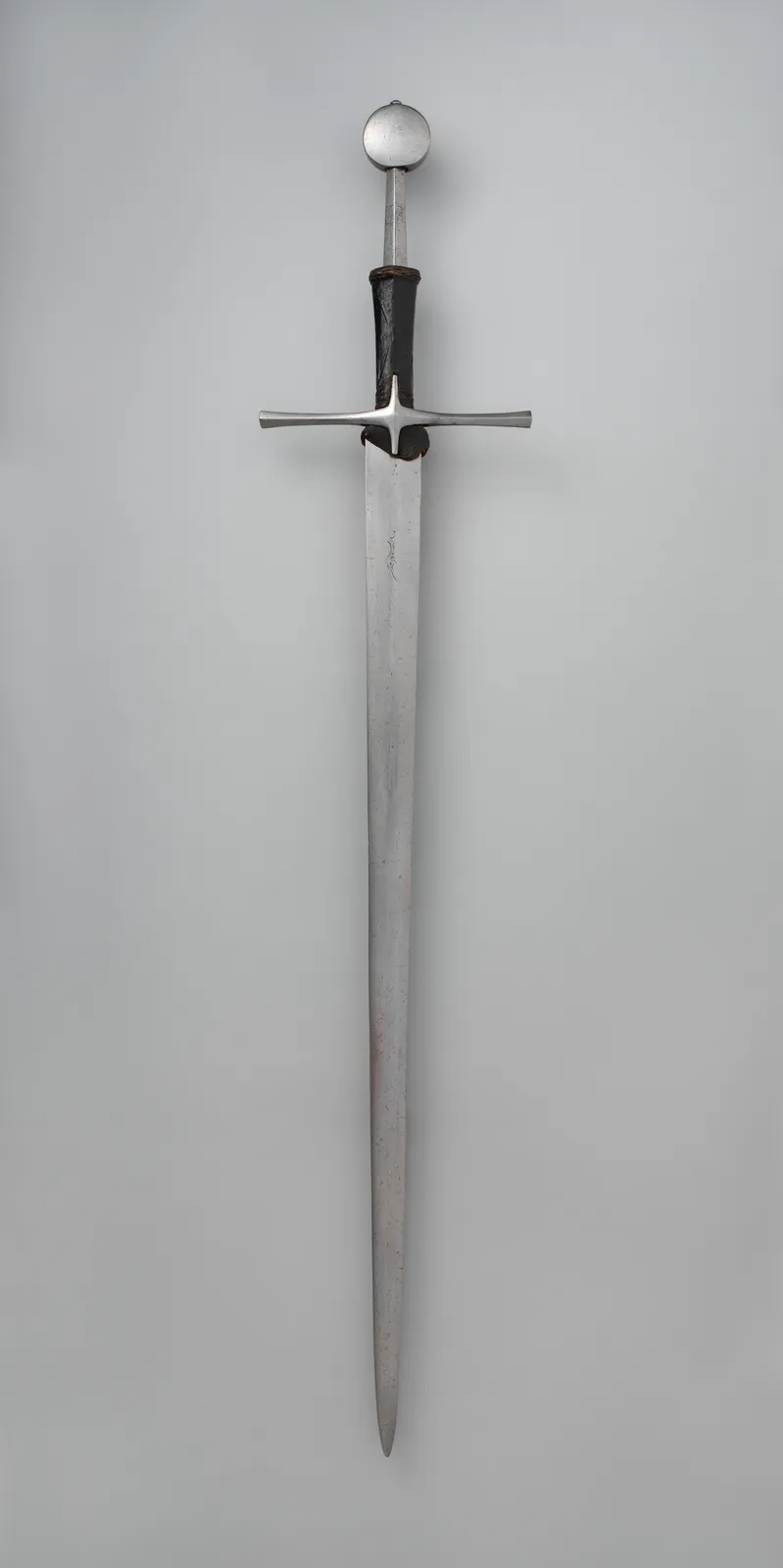
Excalibur
Excalibur
Cuts through enemy armor, and whoever wears its scabbard does not bleed.
WeaponFirst recorded 1136
Excalibur, the Holy Grail, Mjölnir. Zoom deep into artifacts that survive only in stories from around the world, and read the commentary attached to every detail.
From King Arthur's sword to the flute of Silla, begin with the artifacts that define their legends. Choose a card to open the deep zoom viewer and explore the smallest details of the photograph.
Excalibur
Cuts through enemy armor, and whoever wears its scabbard does not bleed.
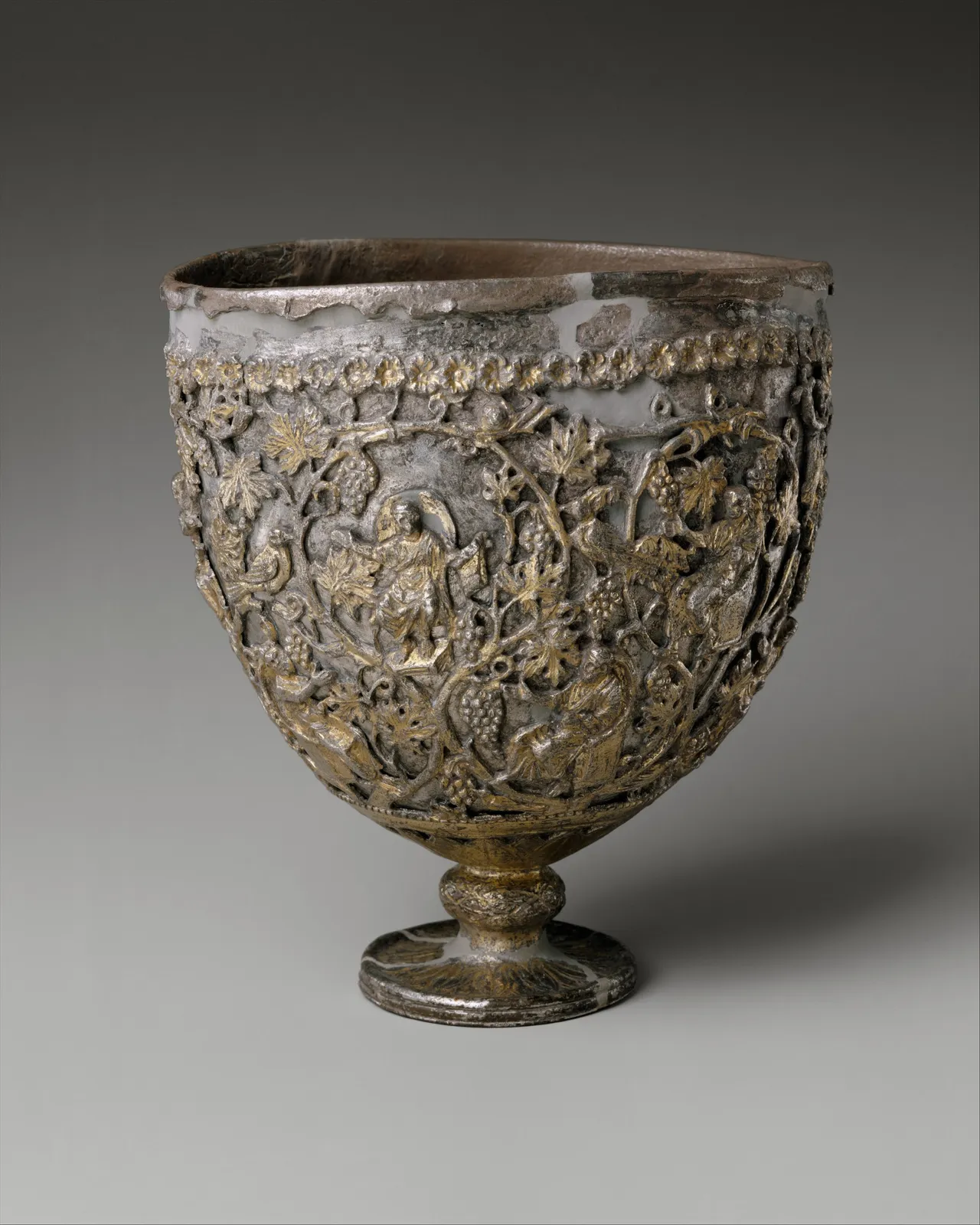
Holy Grail
Grants those who see it the food they desire, and shows itself only to the pure knight.
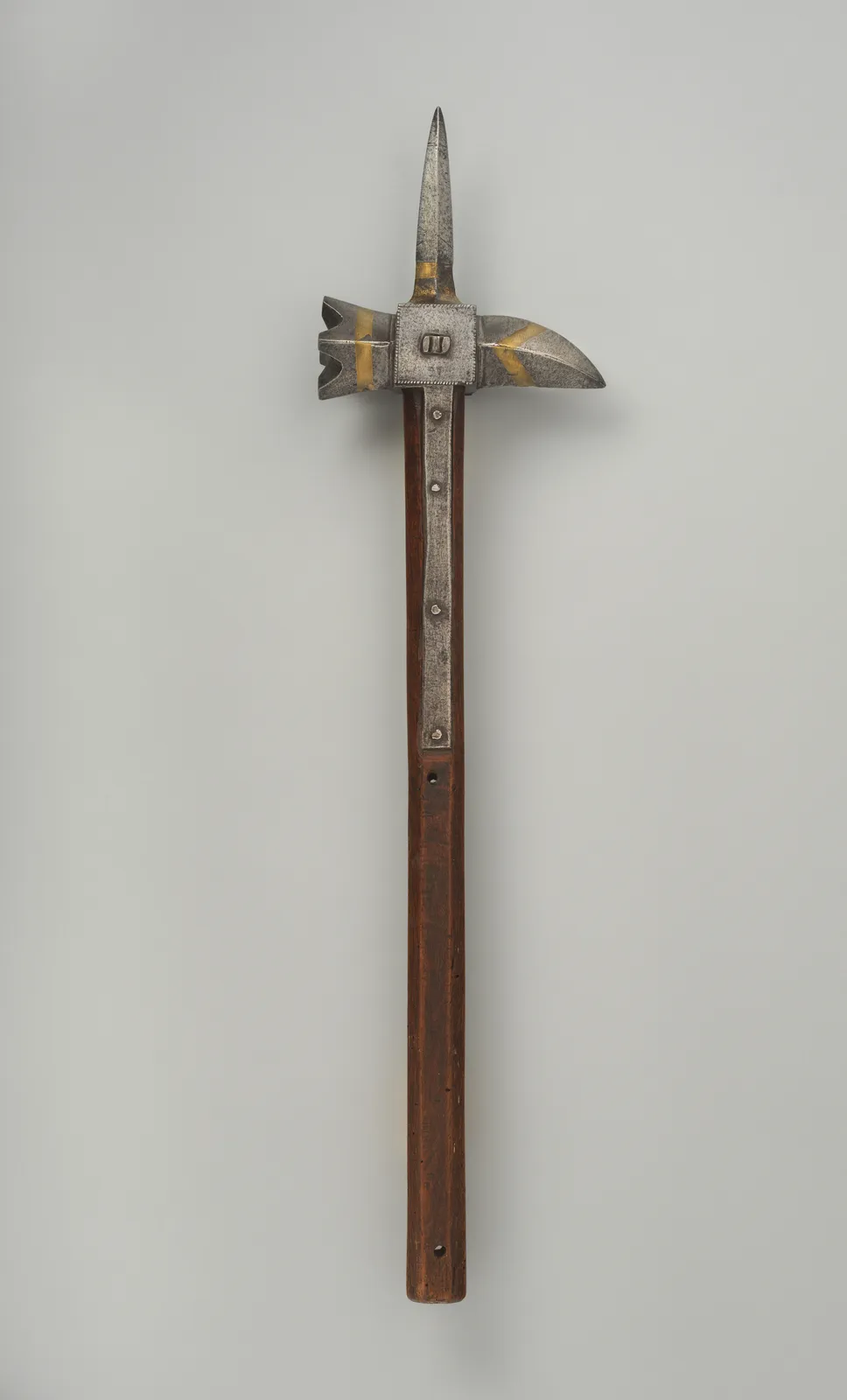
Mjölnir
Smashes anything, and returns to its owner's hand when thrown.
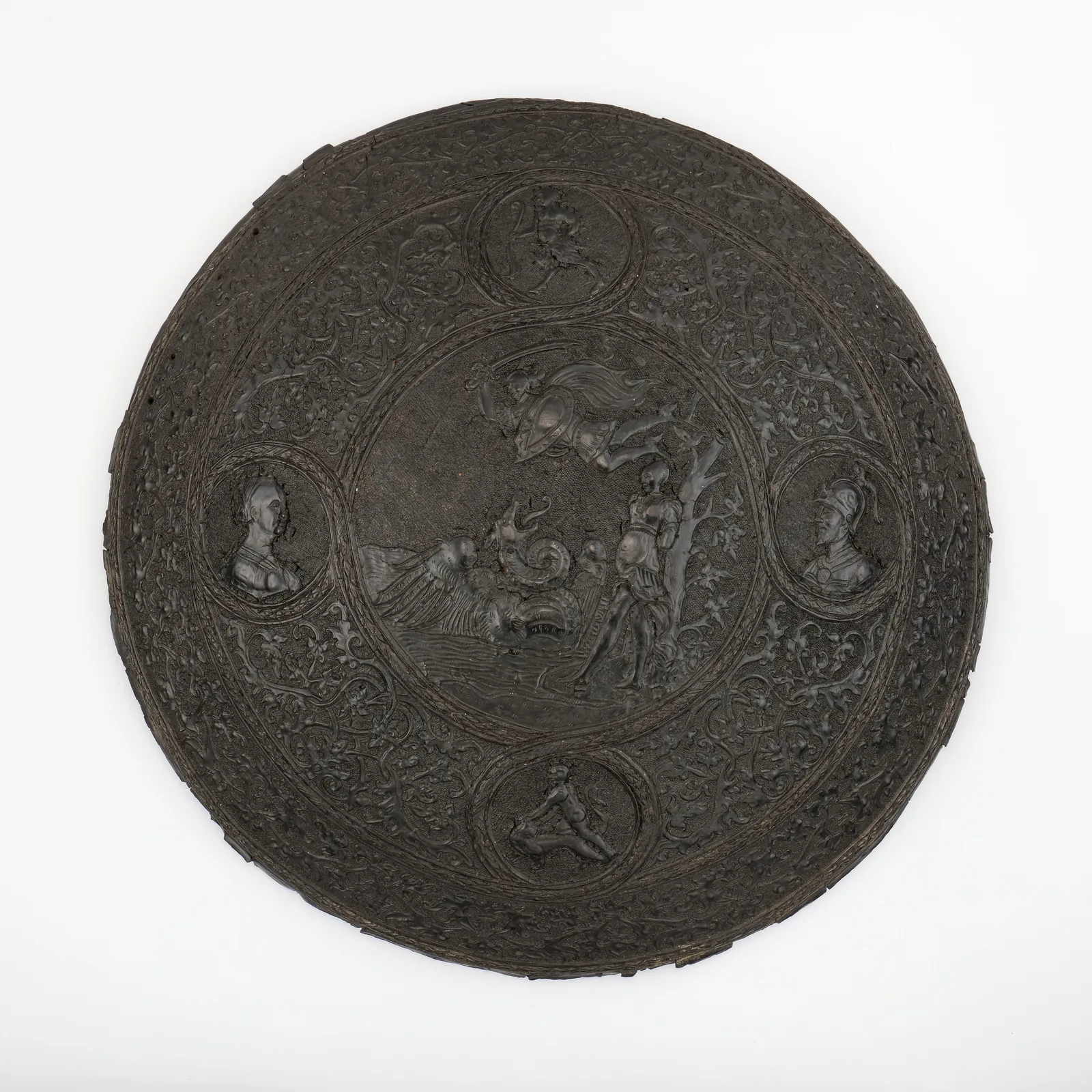
Aegis (Αἰγίς)
Shaken, it raises storms and sends enemy armies fleeing in terror.
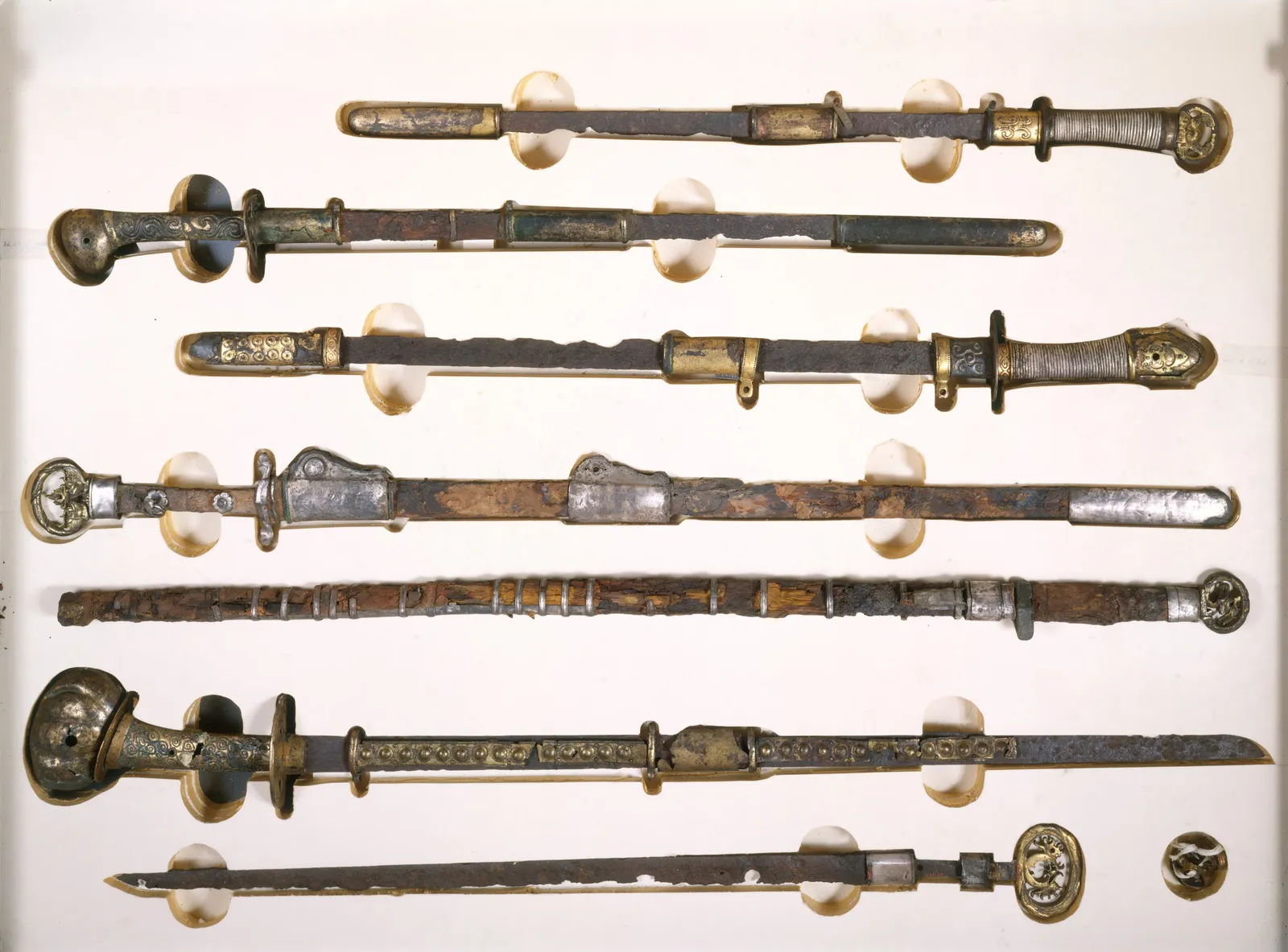
草薙剣 (Kusanagi-no-Tsurugi)
Cuts the grass by itself and turns back fire.
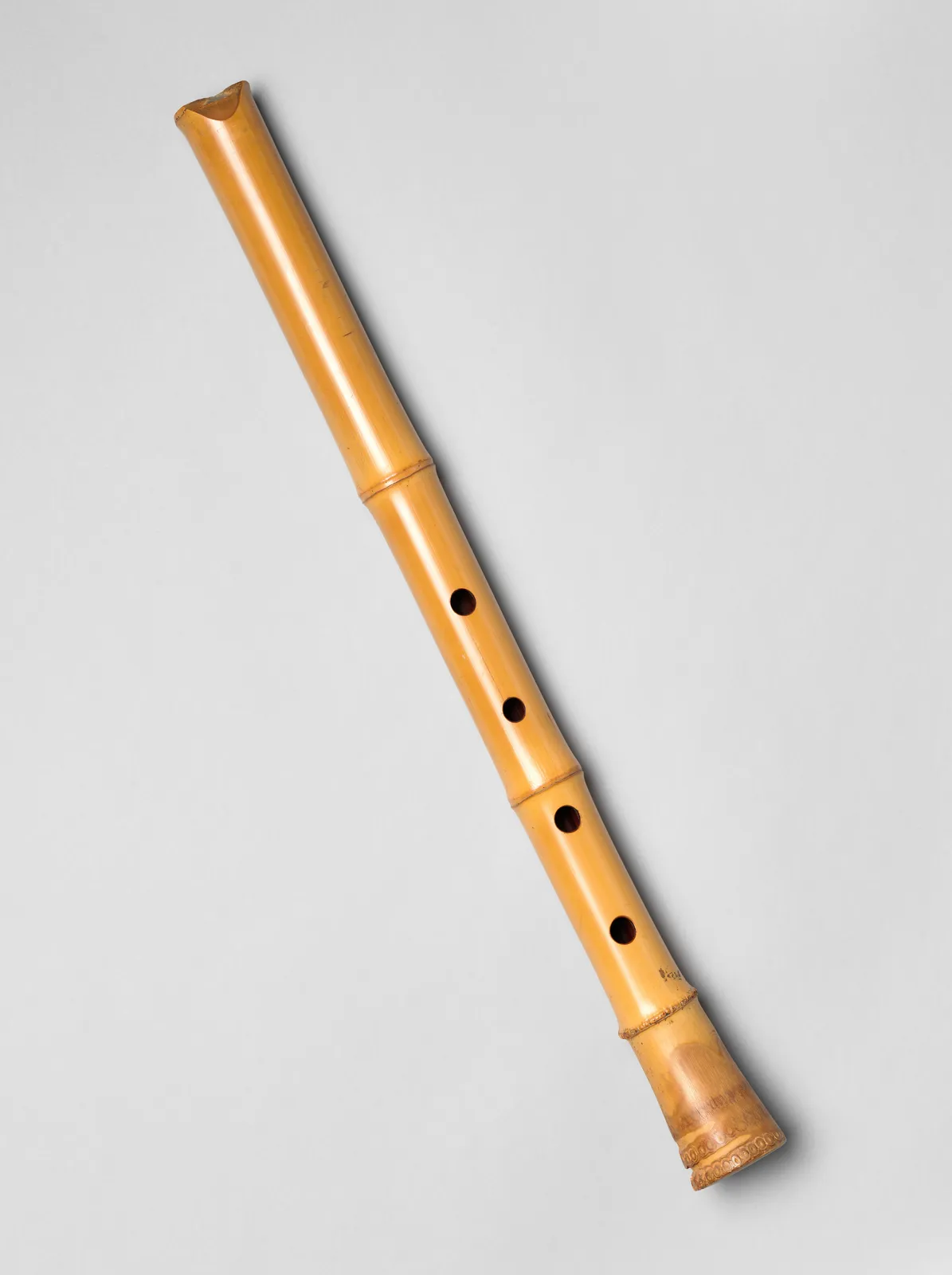
萬波息笛
When played, enemy armies retreat, illness is cured, drought brings rain and rough waves grow calm.
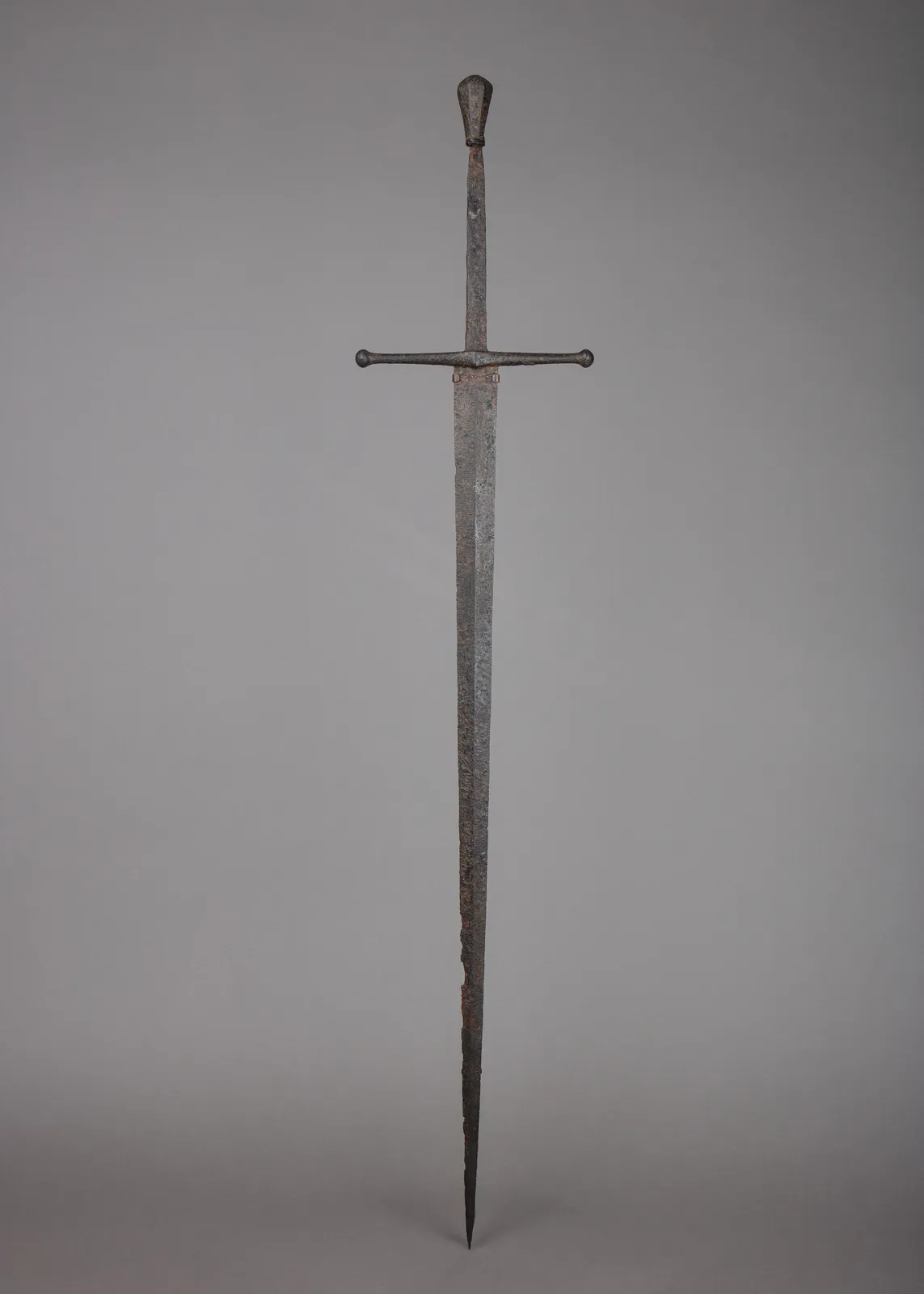
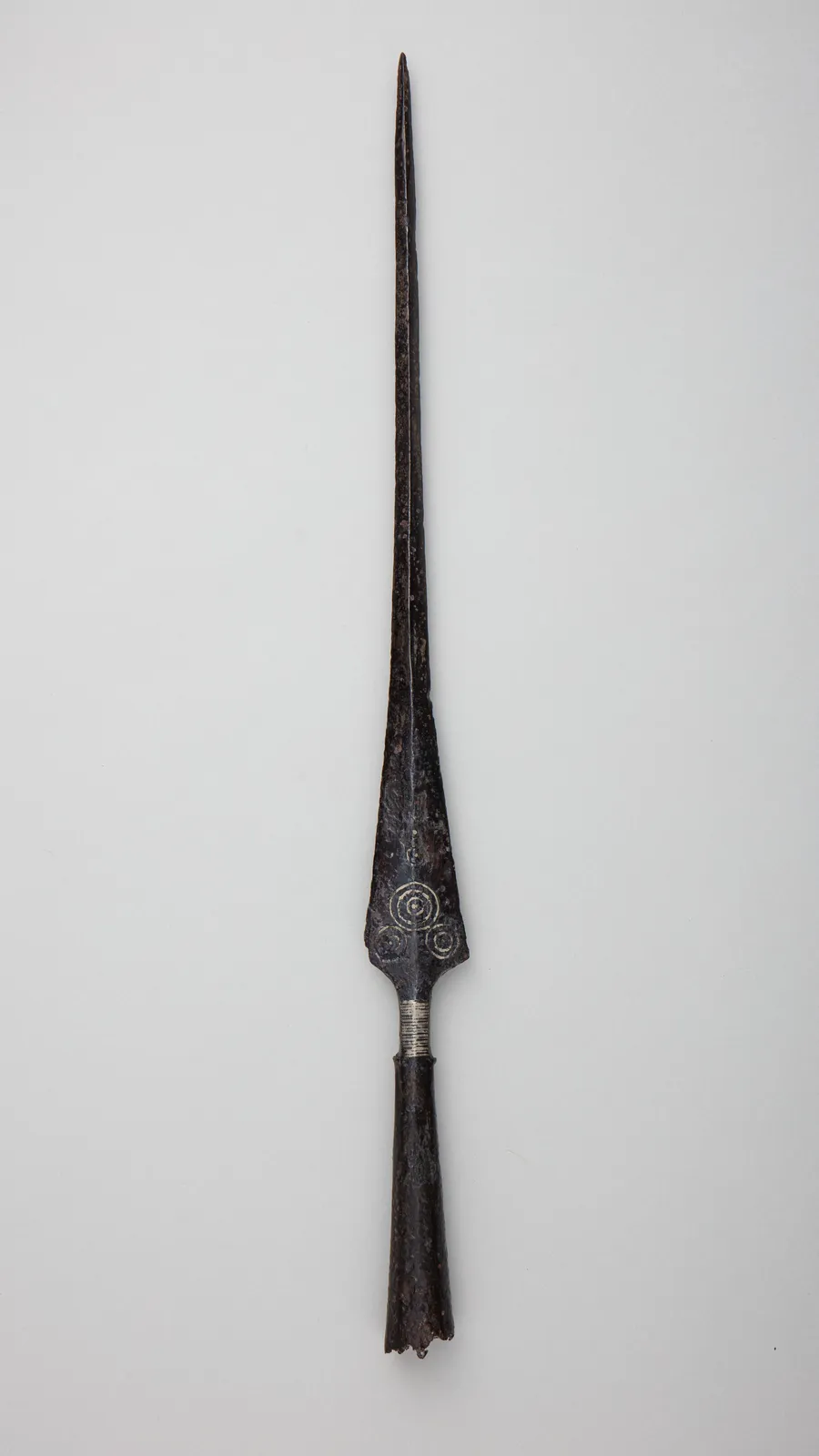
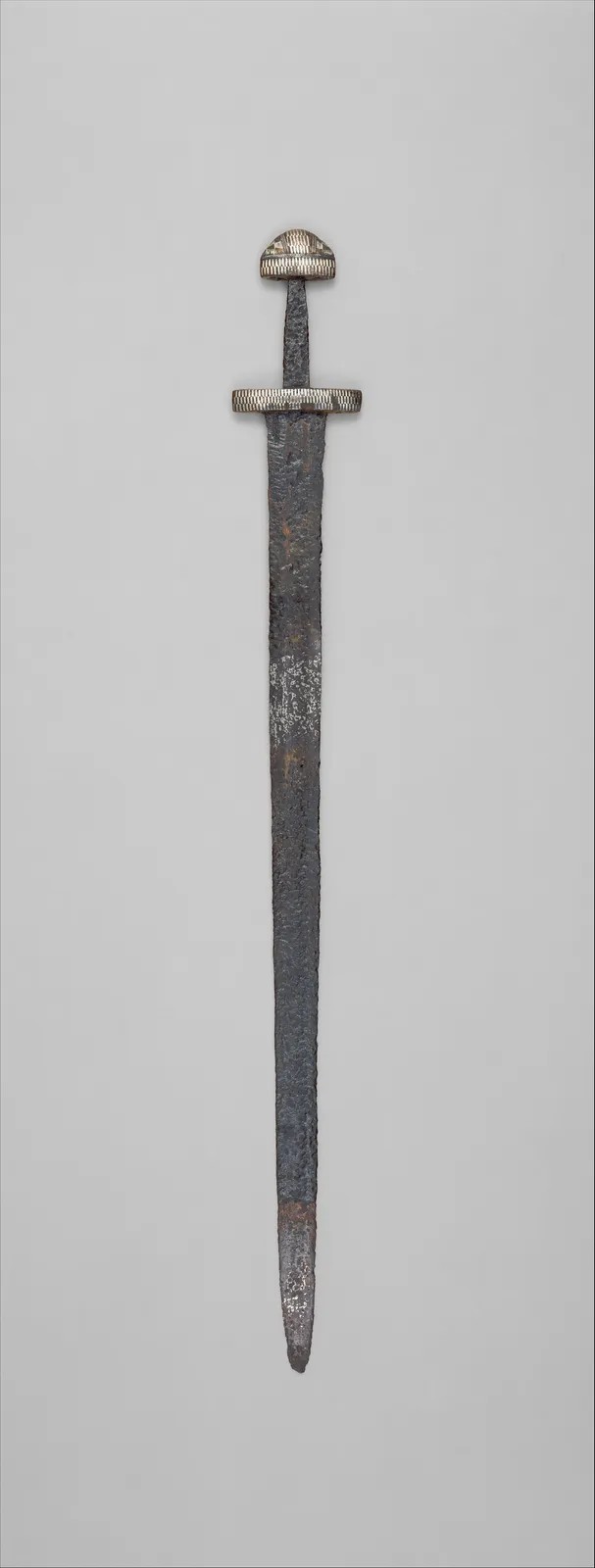
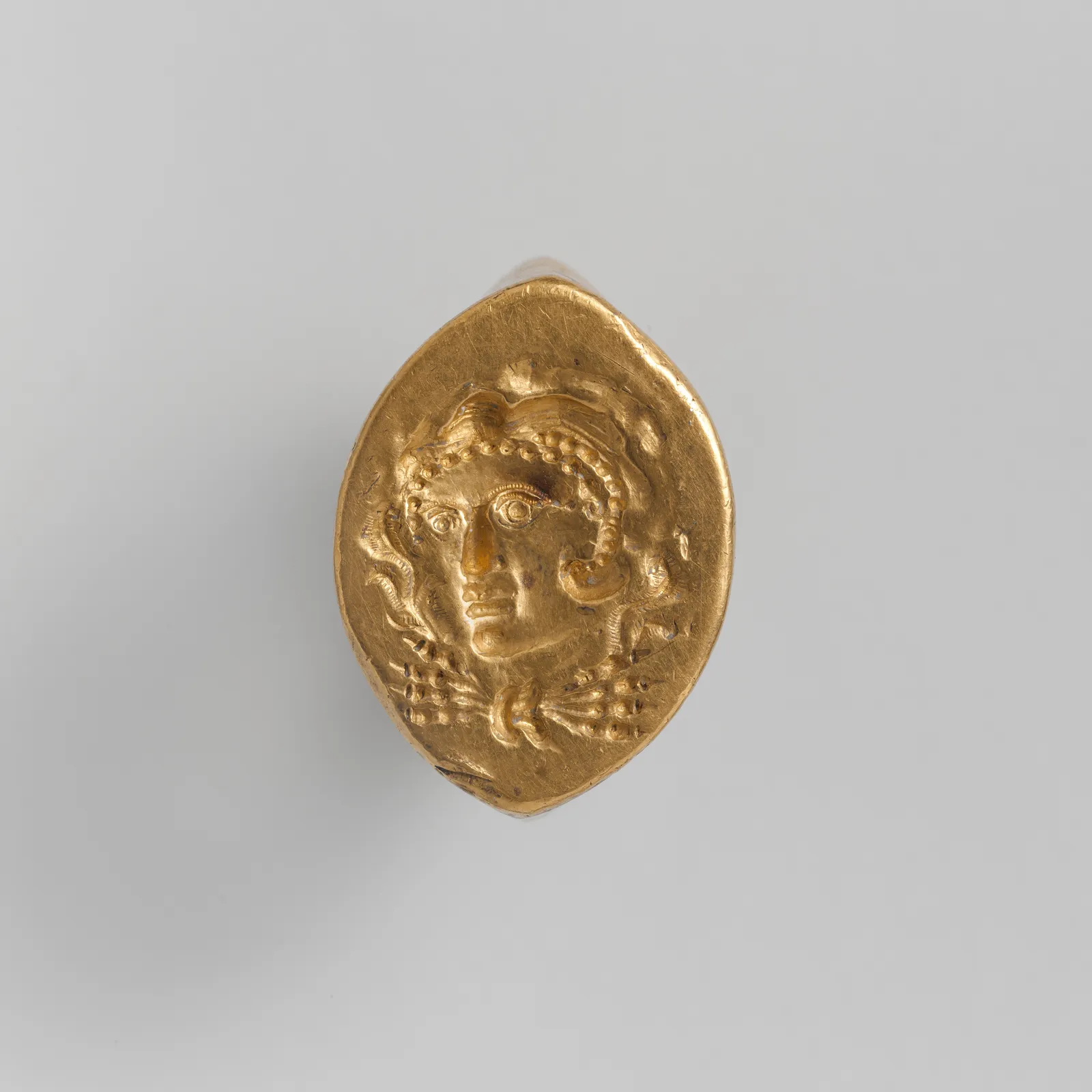
Draupnir
Every ninth night it drops eight gold rings of equal weight.
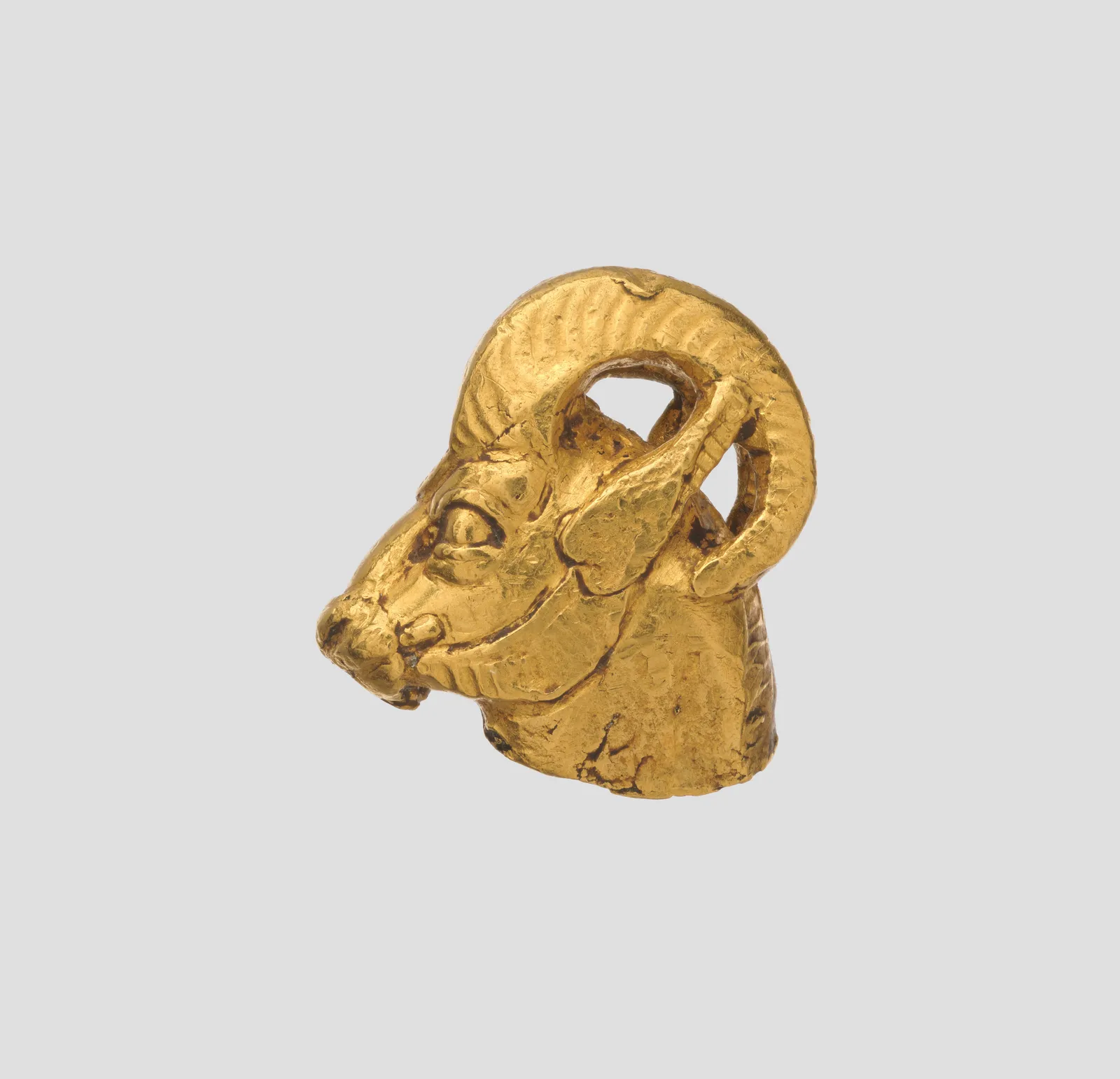
Golden Fleece (Χρυσόμαλλον Δέρας)
Brings prosperity and legitimate kingship to the land that holds it.
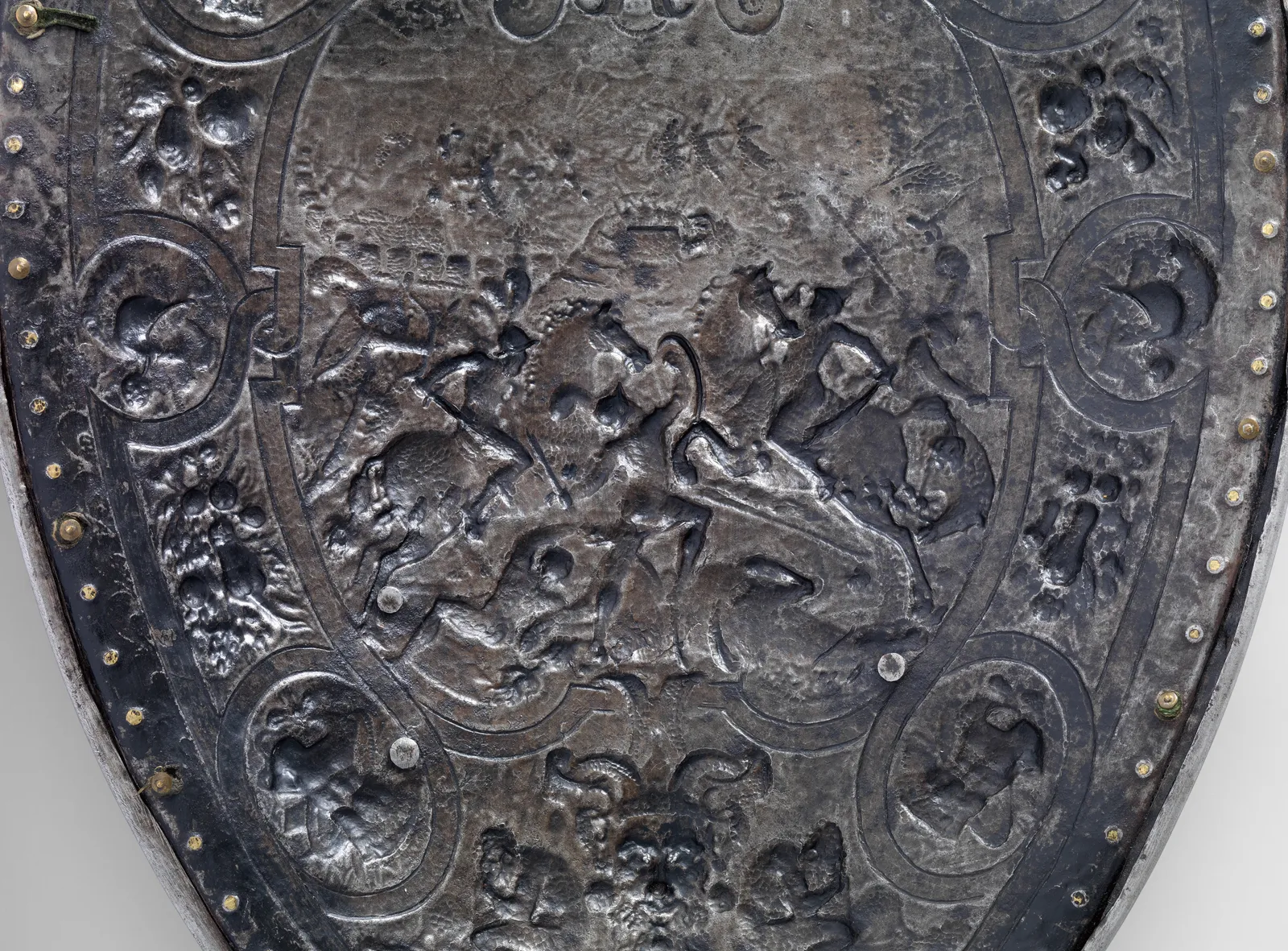
Shield of Achilles
A shield of five layers forged by a god, with the whole world engraved on its face.
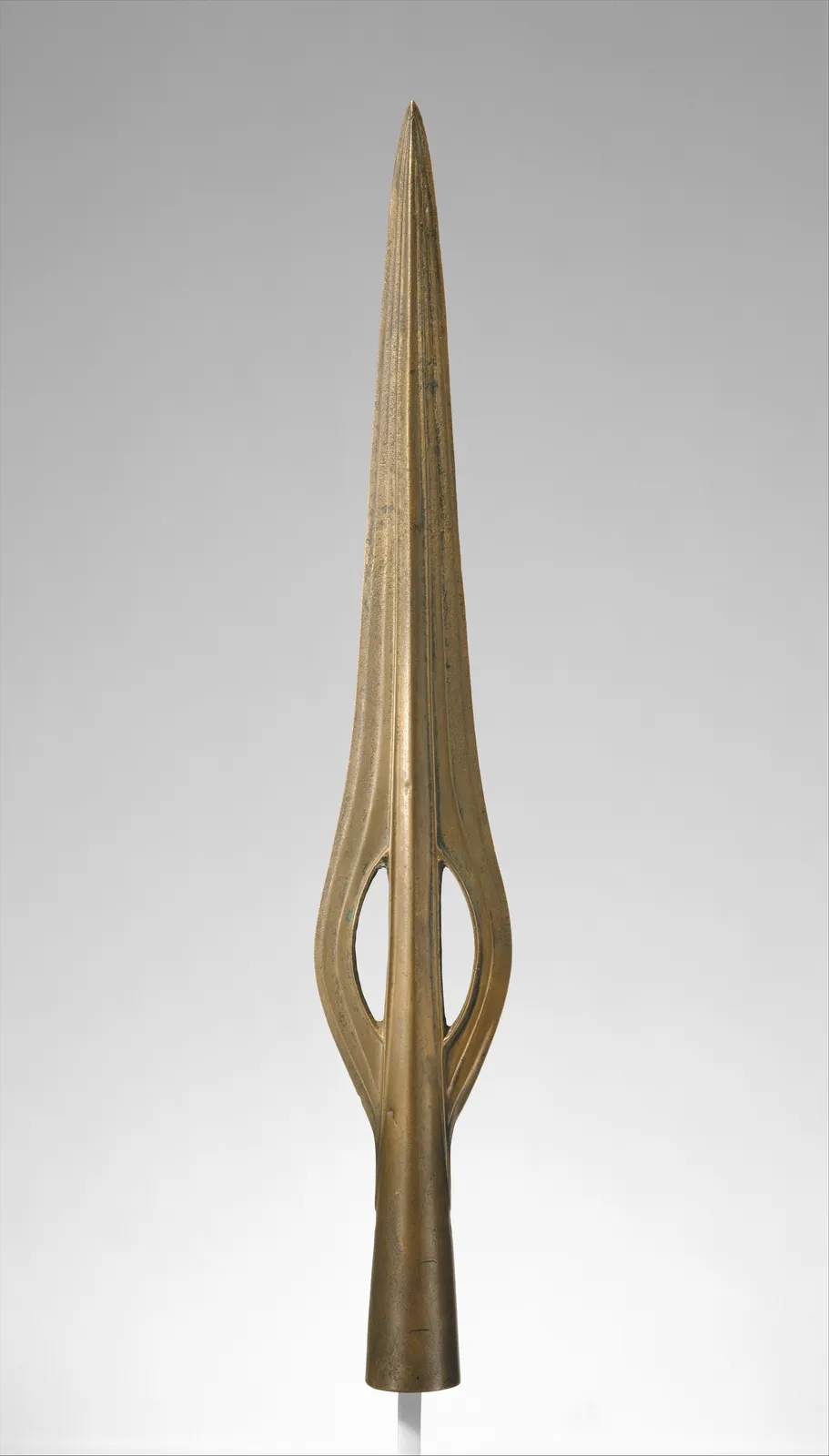
Holy Lance (Lancea Longini)
Legend grew that whoever holds this spear holds the fate of the world.
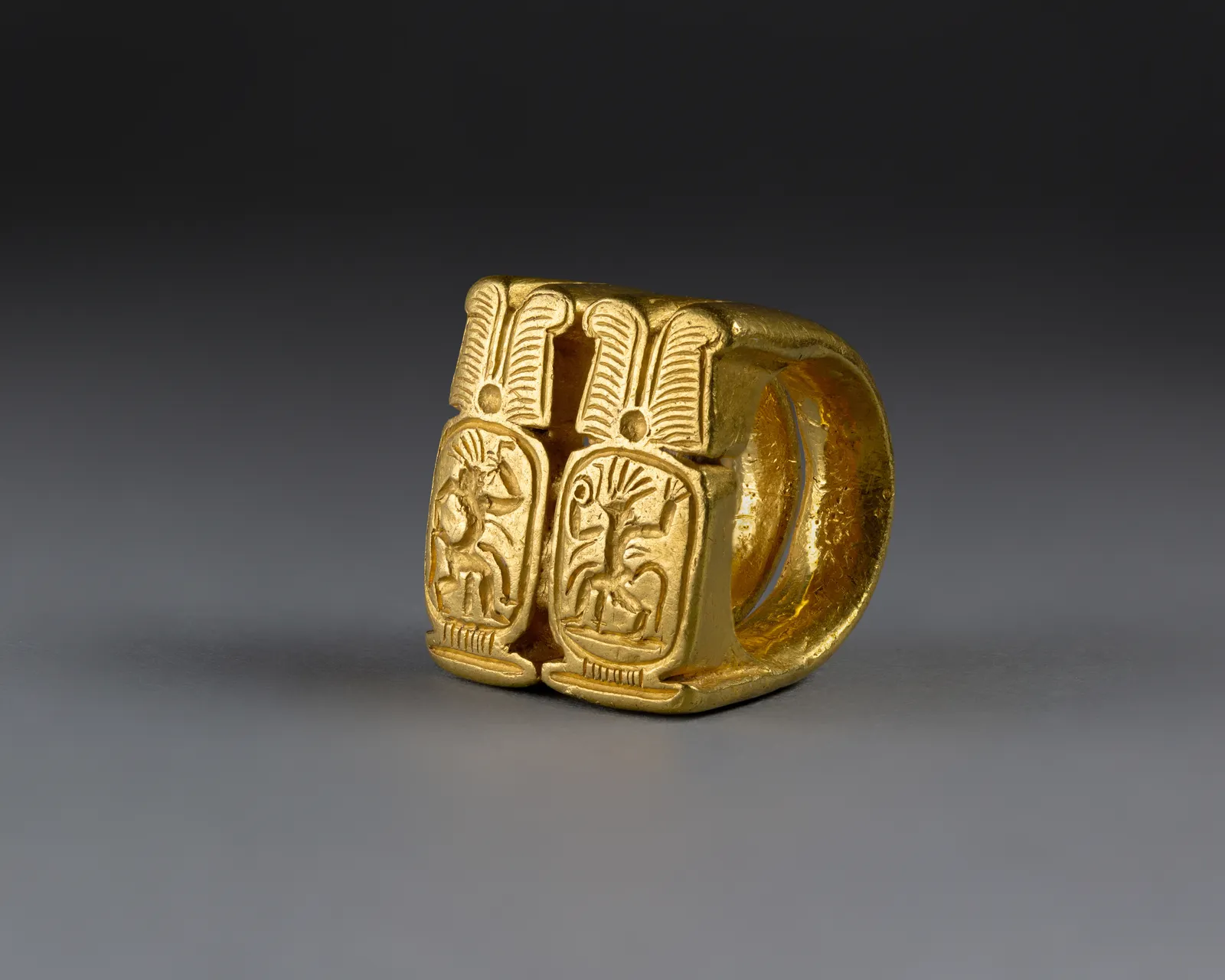
Seal of Solomon
Its seal commands demons and lets the wearer understand beasts and birds.
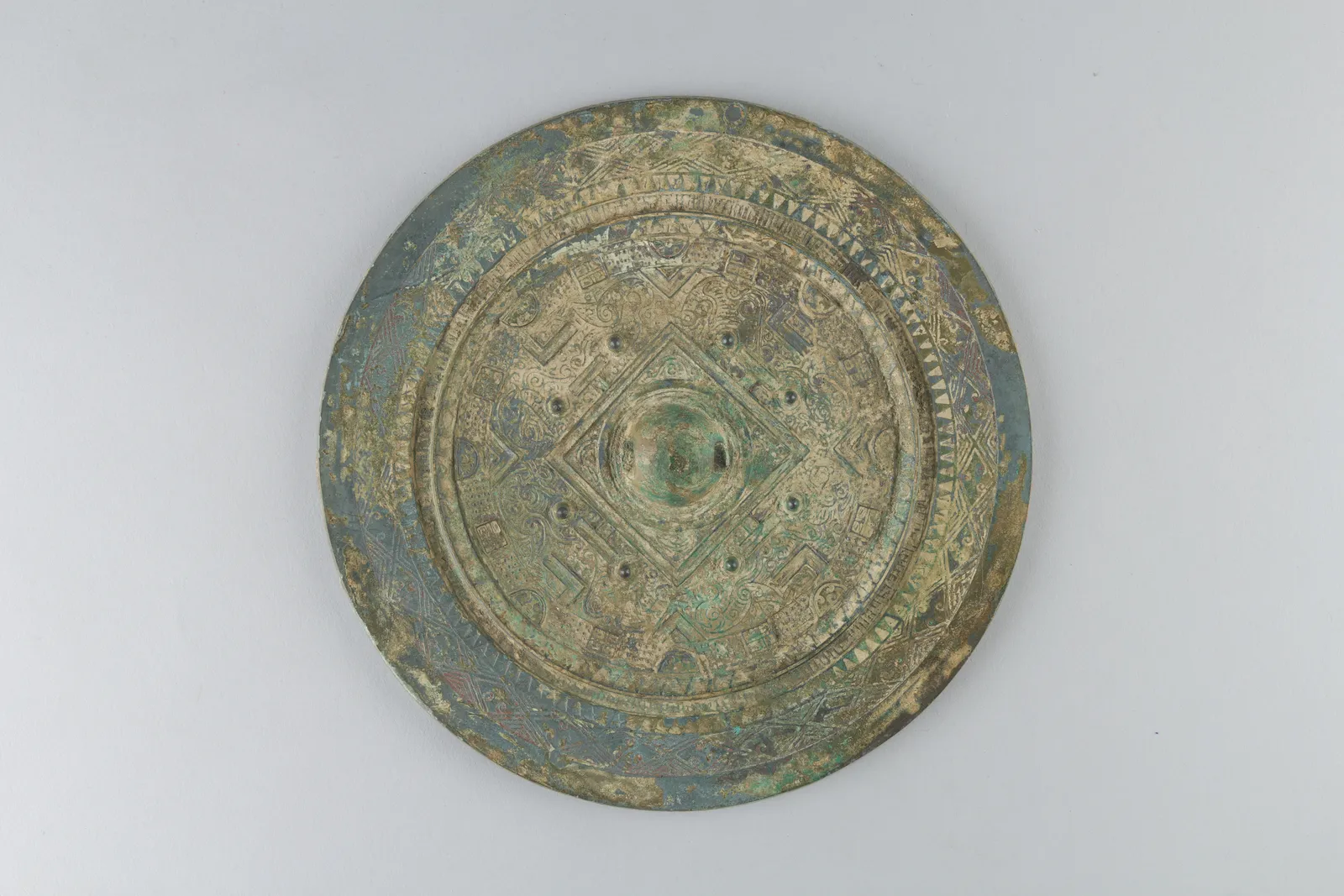
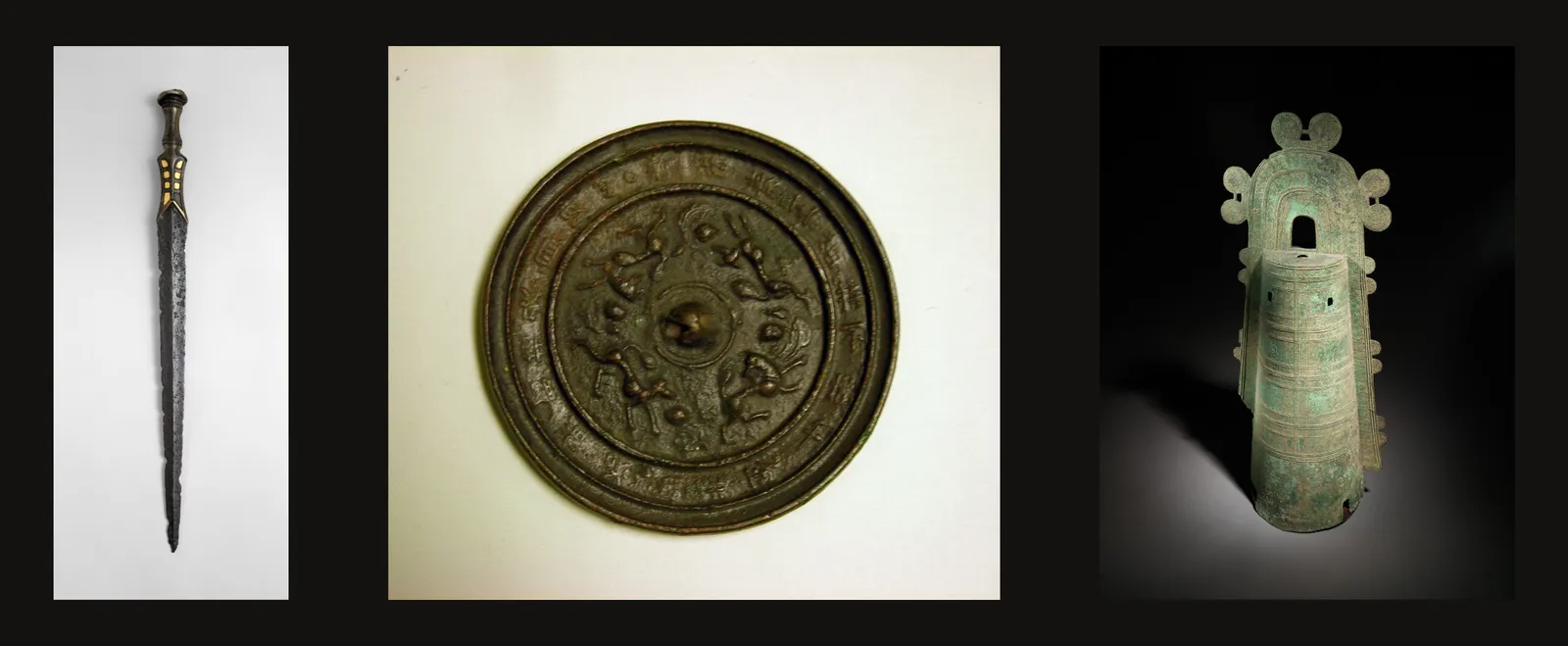
天符印
Proves its bearer has received heaven's mandate, and commands wind, rain and clouds.
Artifacts are grouped by the myths and legends in which they first appear. Choose a gallery to see only that tradition.
From islands at the edge of the Atlantic to the shores of East Asia, these are the lands that told these stories. Choose a name to enter its gallery.
Legends passed from mouth to mouth long before anyone wrote them down. This timeline follows the moment each artifact first appears in a text.
No. Objects like Excalibur, the Holy Grail and Mjölnir exist only in myth and legend. This archive is an imaginary exhibition that begins with the question, “What if legends had left physical objects behind?” The commentary is based on the earliest texts that record each legend.
Real museum objects that resemble them. The Holy Grail, for example, is represented by the sixth-century Byzantine Antioch “Chalice,” once promoted as the true Grail, and Kusanagi by straight swords from sixth-century Japan. The “Object in the photo” section on each artifact page names the real object, and the museums and licenses are listed in the credits of the repository README. Cheonbuin is a composite made from photographs of three objects.
Each photograph is cut into hundreds or thousands of 256–512 pixel tiles at several scales, a technique called deep zoom. Only the tiles on screen are downloaded, so even a very large image opens quickly and sharpens as you zoom.
The photographs are public domain (CC0) releases from The Metropolitan Museum of Art and The Cleveland Museum of Art, so you may use them freely. The commentary, annotations and composite images were created for this project.
A curator draws regions on the photograph and writes the notes in the admin screen. You can browse the admin screen with a guest account.
The wave button in the menu below stops scroll effects, automatic transitions and the cursor effect. If reduced motion is turned on in your operating system, the site starts with them stopped.
Blades, cups, rings, flutes. Take a closer look at what legend left behind.
