Egypt & Near East
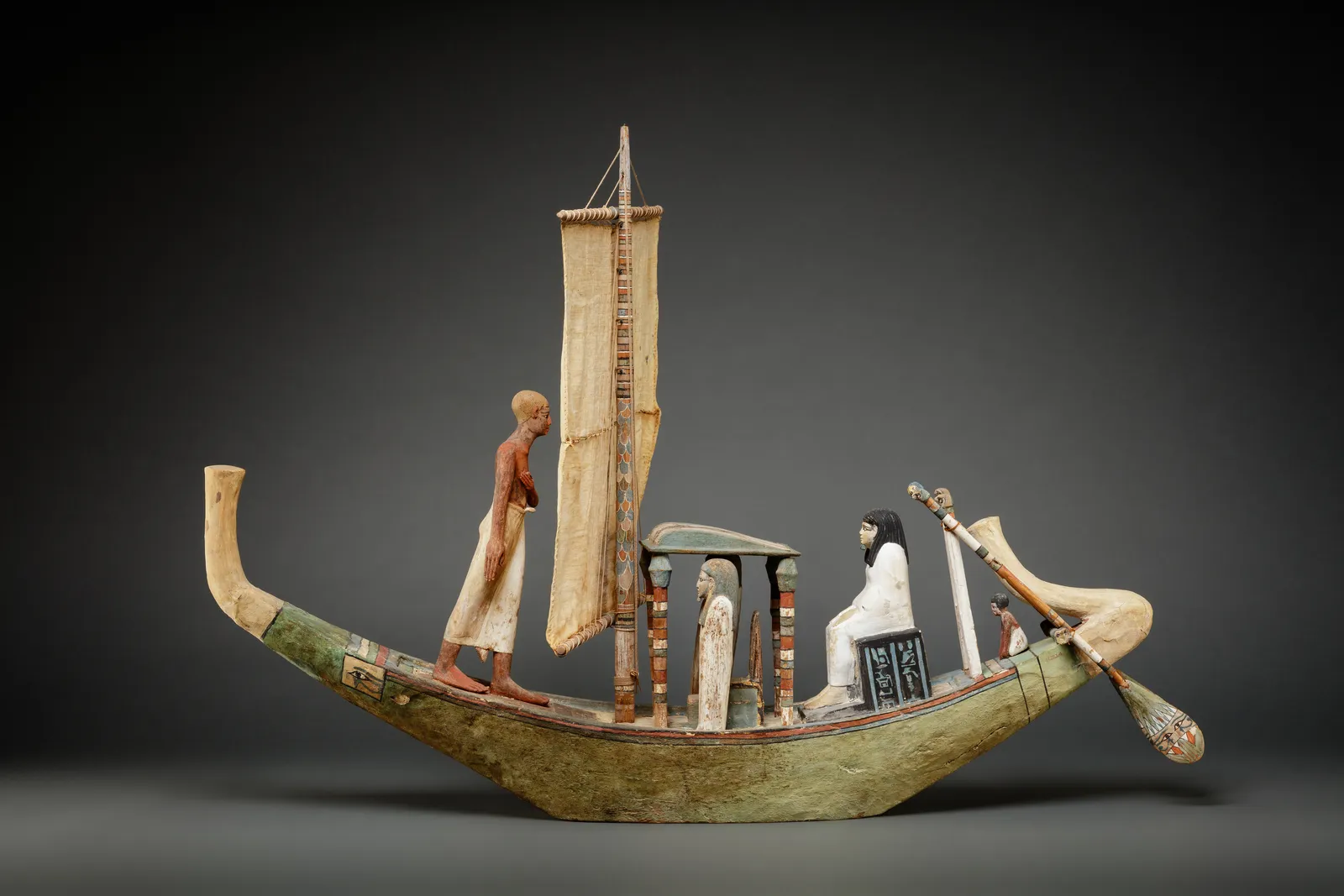
Solar Barque of Ra
Solar Barque of Ra
Crossing the sky by day and the underworld by night, it makes the sun rise again.
MountFirst recorded c. 2400 BCE
Loading artifact…
Photograph: A silver tetradrachm of Alexander the Great from the Seleucid dynasty, about 325–319 BCE, bearing a profile wearing a lion skin in the guise of Heracles.
Focus the photograph, then use the arrow keys to pan and the plus and minus keys to zoom. The buttons at the lower left also move it. Press a numbered button on the photograph to zoom to that note.
Bucephalus (Βουκεφάλας)
A wild horse no one could tame, afraid of its own shadow.
According to Plutarch, a huge black horse brought for sale before Philip of Macedon would let no one ride it. Alexander, about twelve years old, noticed that it was startled by its own shadow, turned its head toward the sun, mounted and tamed it.
Philip is said to have told his son, "Macedon is too small for you; seek a kingdom that fits you." The name Bucephalus means "ox head."
Bucephalus carried Alexander through Persia as far as India. When the horse died of age by the river Hydaspes in 326 BCE, Alexander founded a city there and named it Bucephala.
The photograph shows Tetradrachm of Alexander the Great(Seleucid, ca. 325–319 BCE), a real museum object that evokes the legendary artifact.
Solar Barque of Ra
Crossing the sky by day and the underworld by night, it makes the sun rise again.
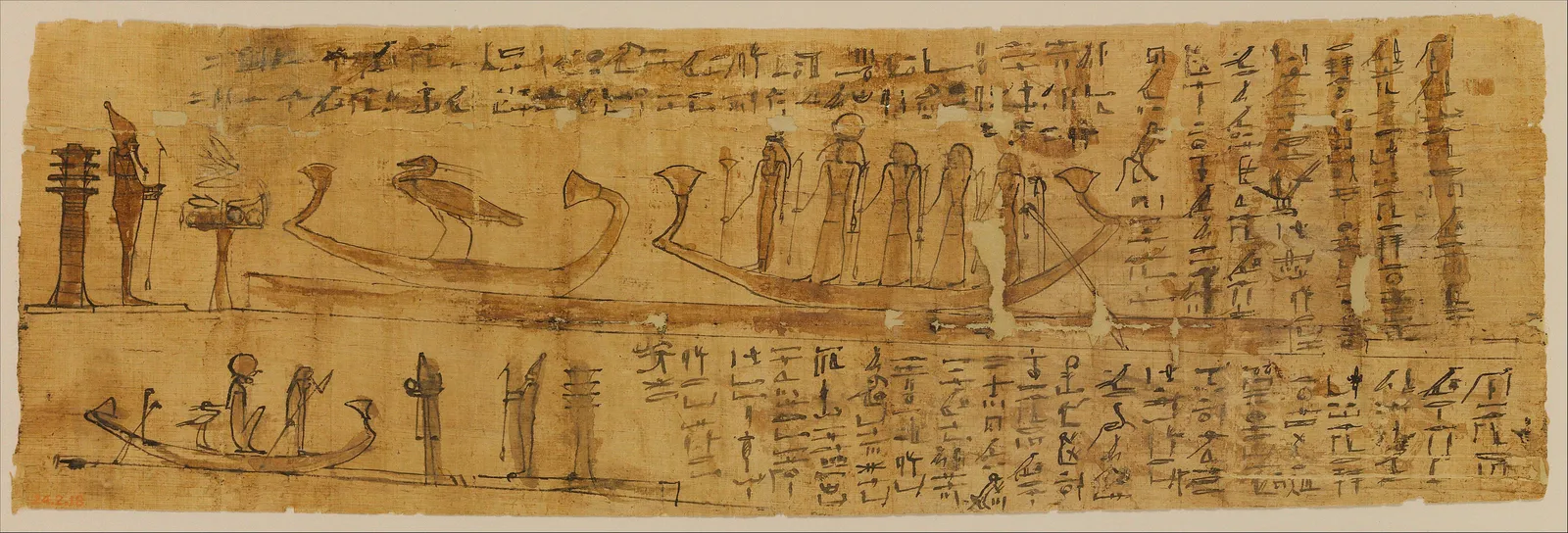
Book of the Dead (rw nw prt m hrw)
Reciting its spells carries one past the dangers of the underworld to the paradise of Osiris.
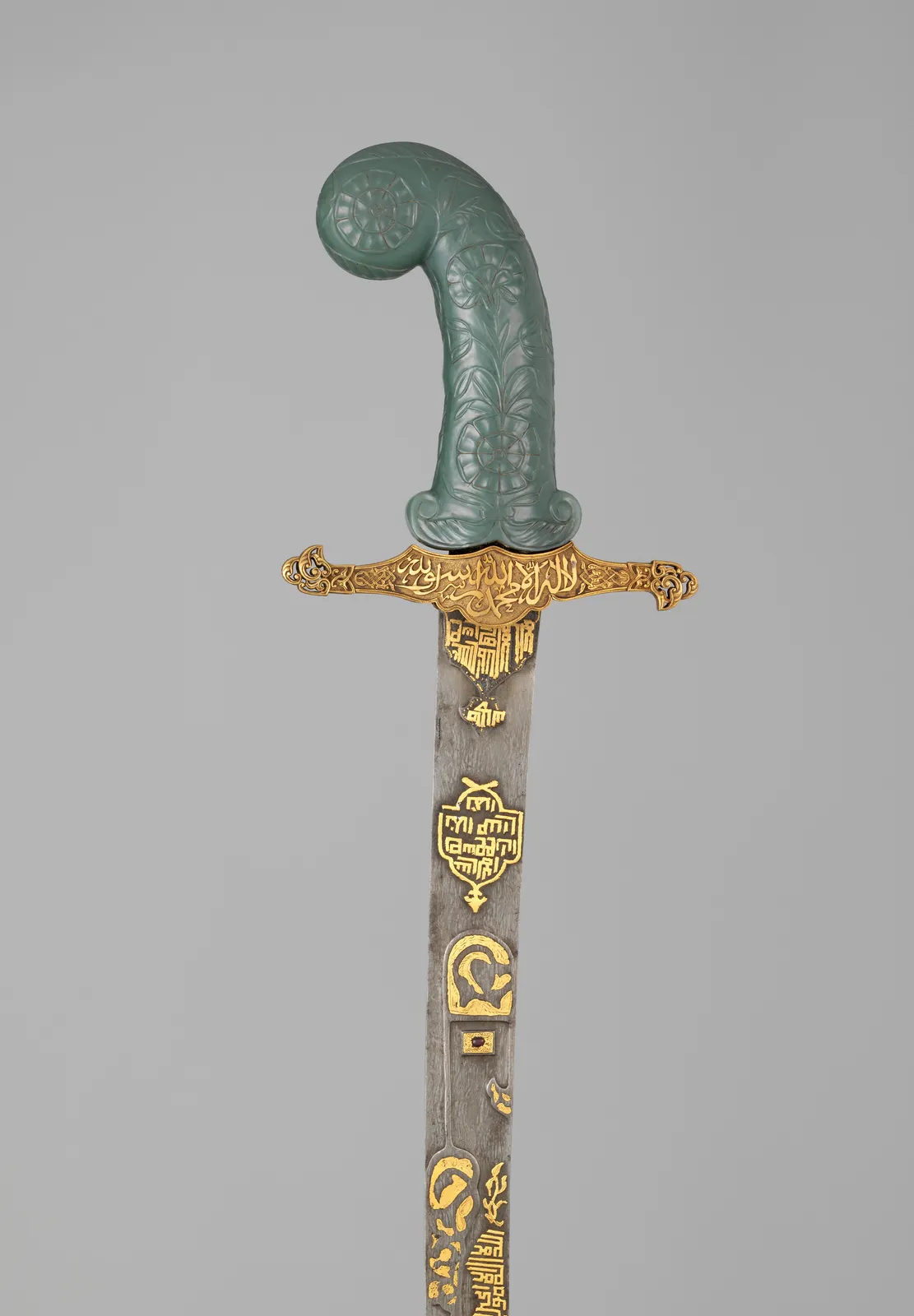
Dhū al-Fiqār (ذو الفقار)
A blade forked at the tip. “No youth like Ali, no sword like Dhu al-Fiqar.”
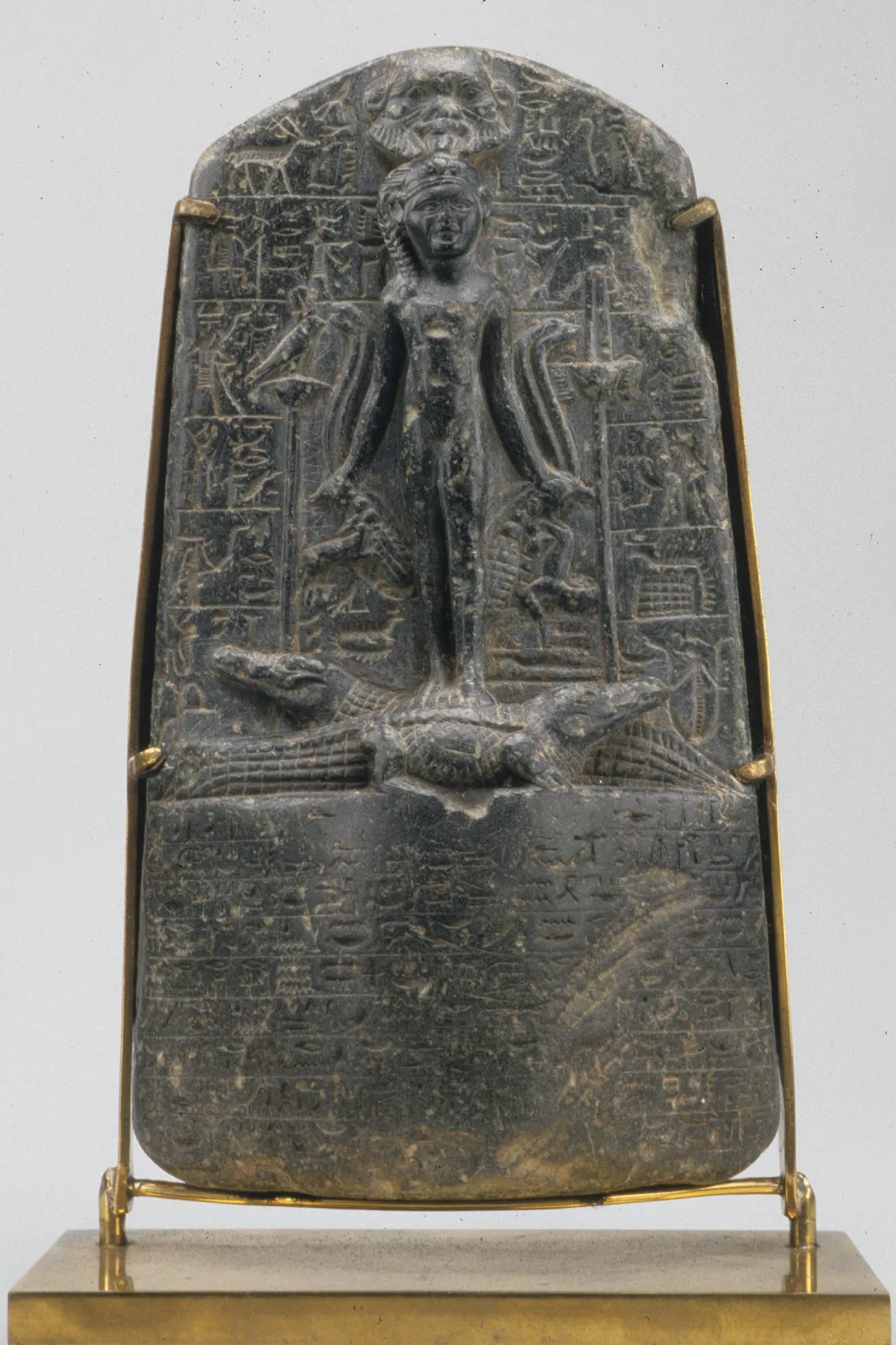
Tabula Smaragdina
Holds the secret of all things and the foundation of alchemy in fourteen lines: “As above, so below.”