Egypt & Near East
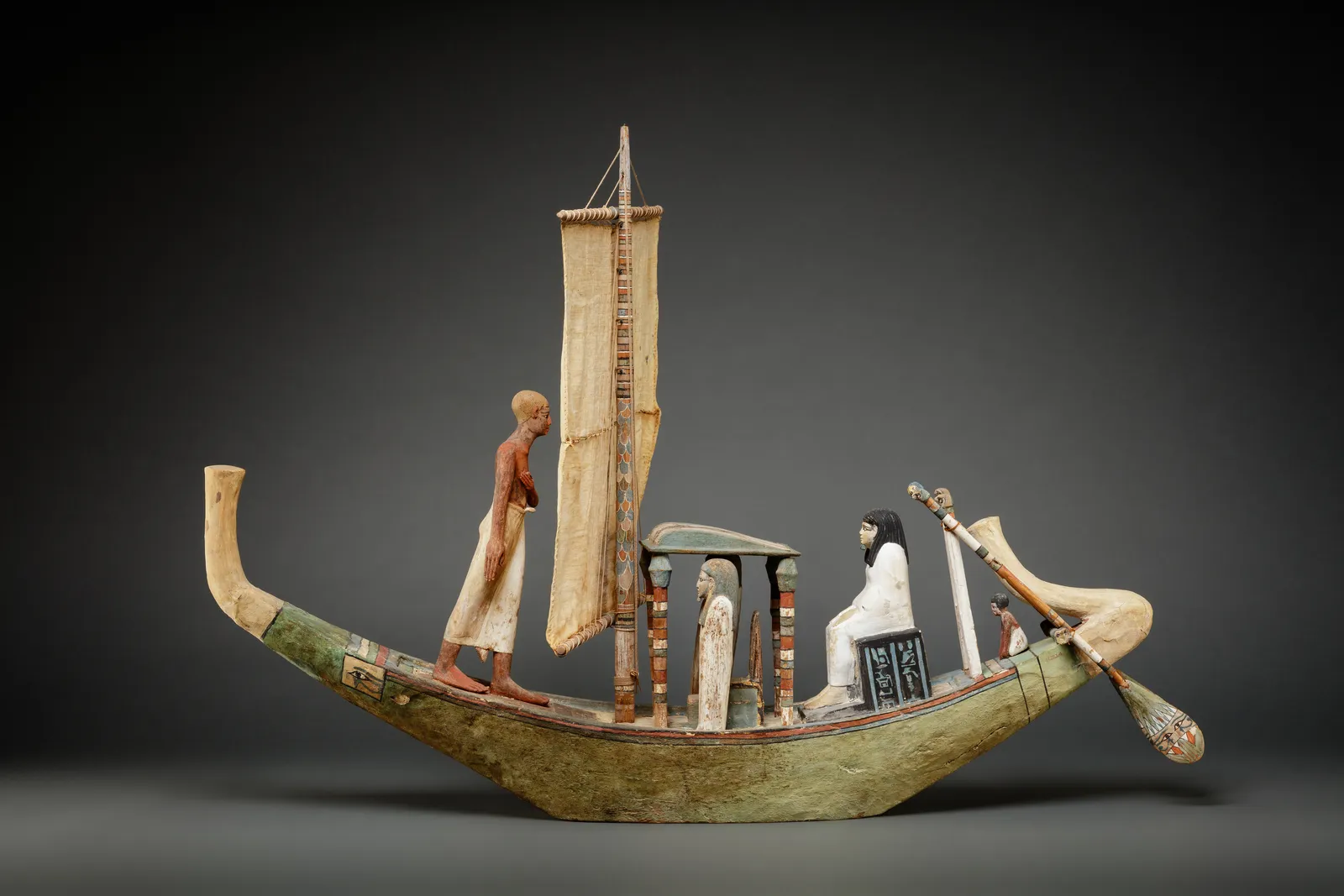
Solar Barque of Ra
Solar Barque of Ra
Crossing the sky by day and the underworld by night, it makes the sun rise again.
MountFirst recorded c. 2400 BCE
Loading artifact…
Photograph: A Turkish kilij. A nineteenth-century gold guard and curved grip of nephrite are mounted on a blade inlaid with gold designs and letters.
Focus the photograph, then use the arrow keys to pan and the plus and minus keys to zoom. The buttons at the lower left also move it. Press a numbered button on the photograph to zoom to that note.
Dhū al-Fiqār (ذو الفقار)
A blade forked at the tip. “No youth like Ali, no sword like Dhu al-Fiqar.”
Dhu al-Fiqar is said to have been a sword the Prophet Muhammad obtained after the battle of Badr, which passed at the battle of Uhud to Ali, his cousin and son-in-law. The name is interpreted as "having vertebrae."
Tradition relates that when Ali fought bravely with this sword at Uhud, a voice was heard from heaven: "There is no youth like Ali, no sword like Dhu al-Fiqar."
It is usually drawn as a sword forked in two at the tip. In Shi'a Islam especially it became an emblem of Ali and justice, used on banners, amulets and even the flags of Ottoman armies.
The photograph shows Sword (Kilij)(hilt and guard, Turkish; grip, Indian, hilt and guard, 19th century; grip, possibly 18th century), a real museum object that evokes the legendary artifact.
Solar Barque of Ra
Crossing the sky by day and the underworld by night, it makes the sun rise again.
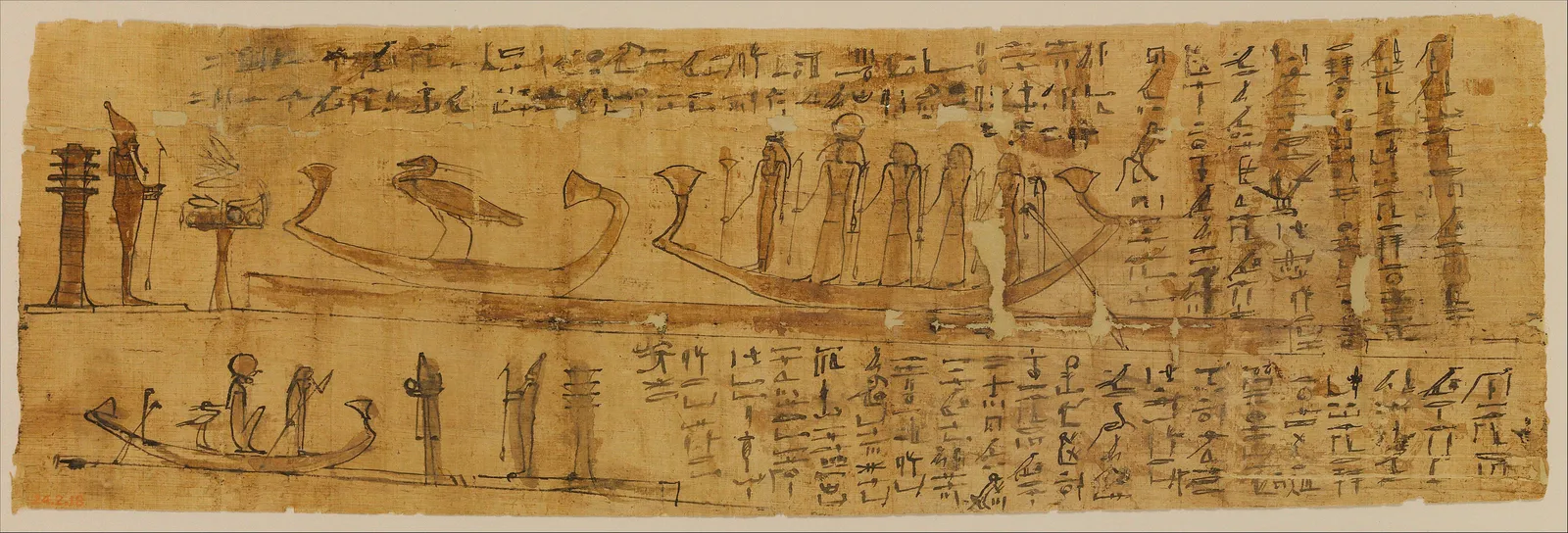
Book of the Dead (rw nw prt m hrw)
Reciting its spells carries one past the dangers of the underworld to the paradise of Osiris.
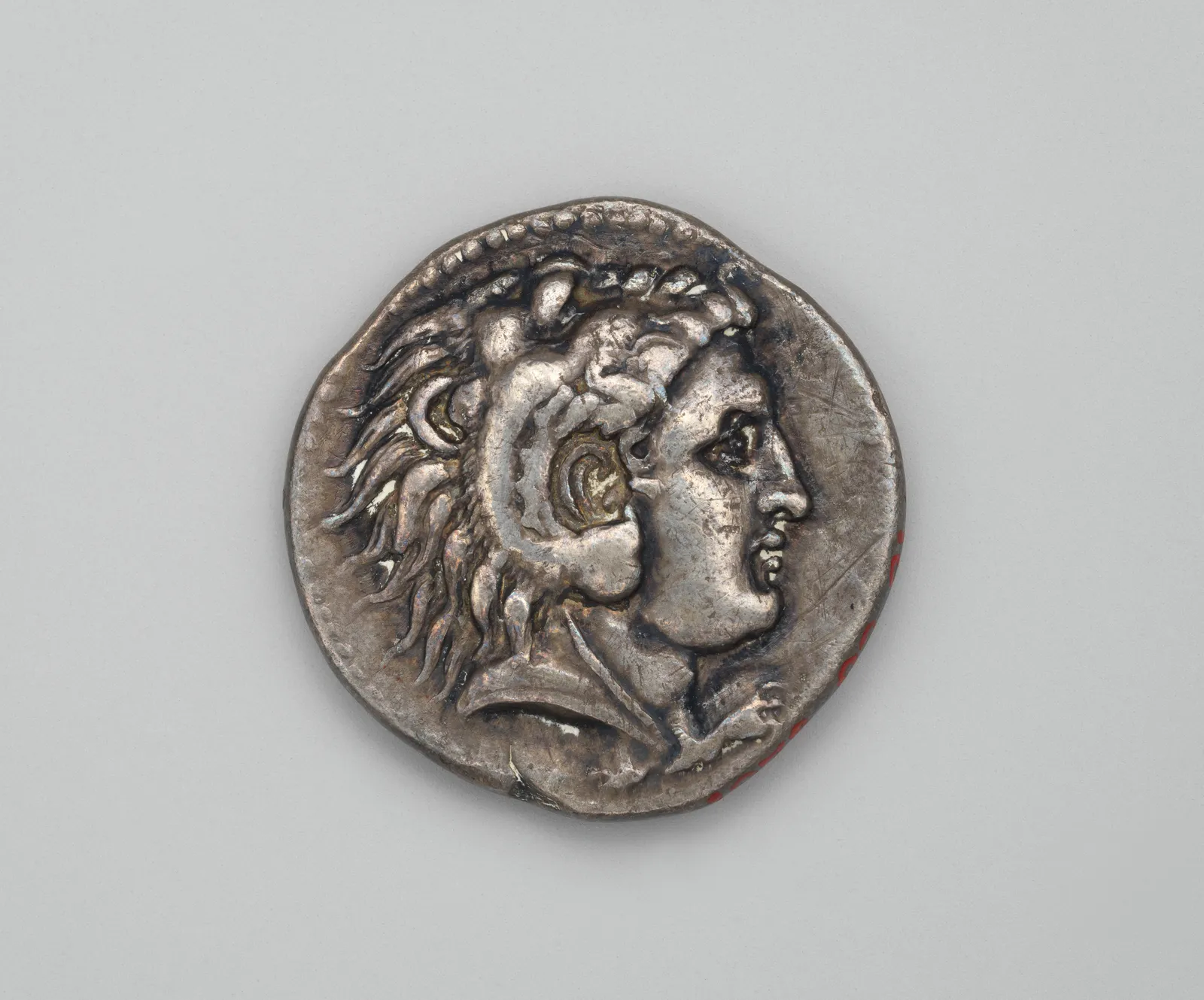
Bucephalus (Βουκεφάλας)
A wild horse no one could tame, afraid of its own shadow.
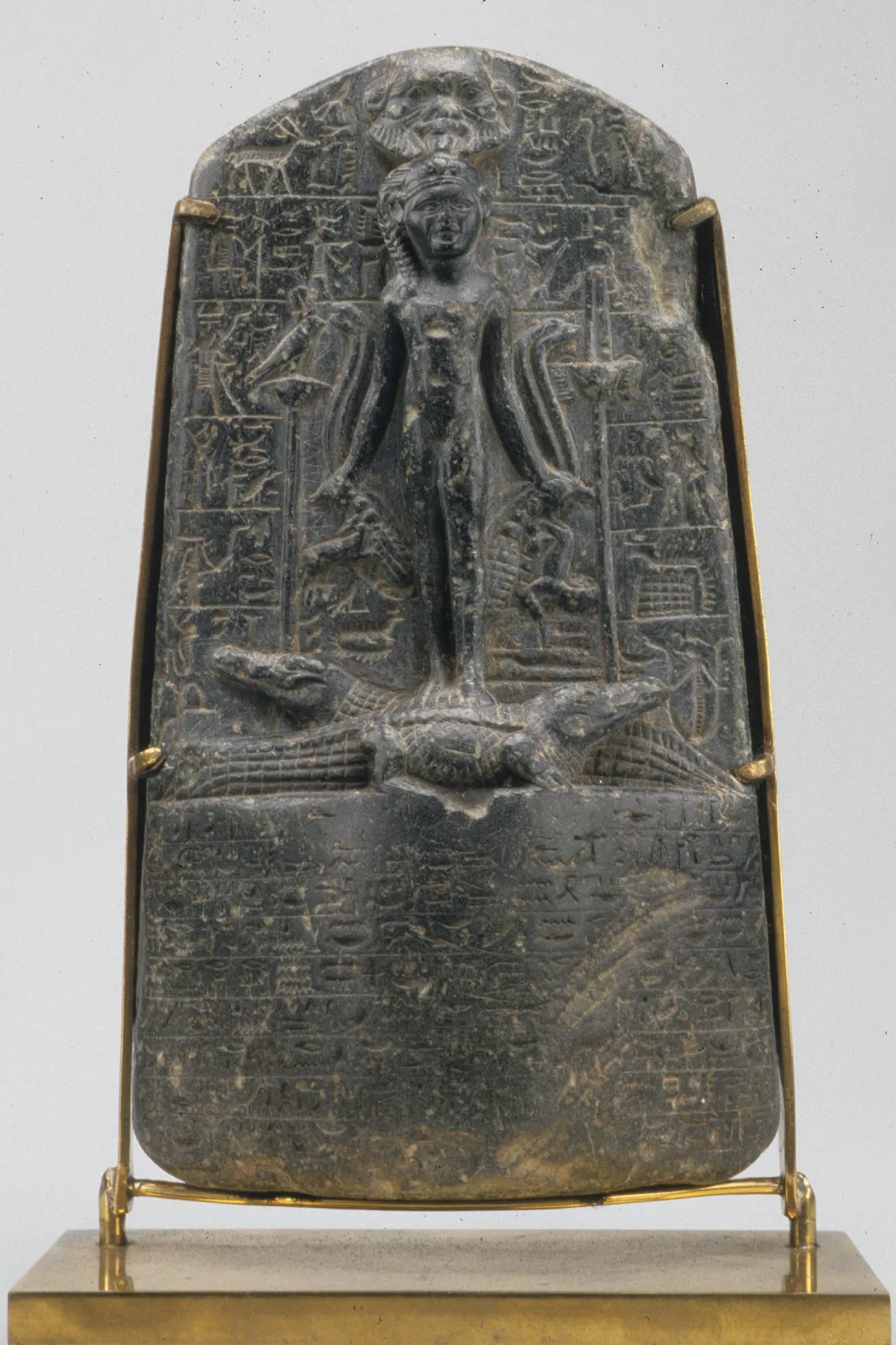
Tabula Smaragdina
Holds the secret of all things and the foundation of alchemy in fourteen lines: “As above, so below.”