Egypt & Near East
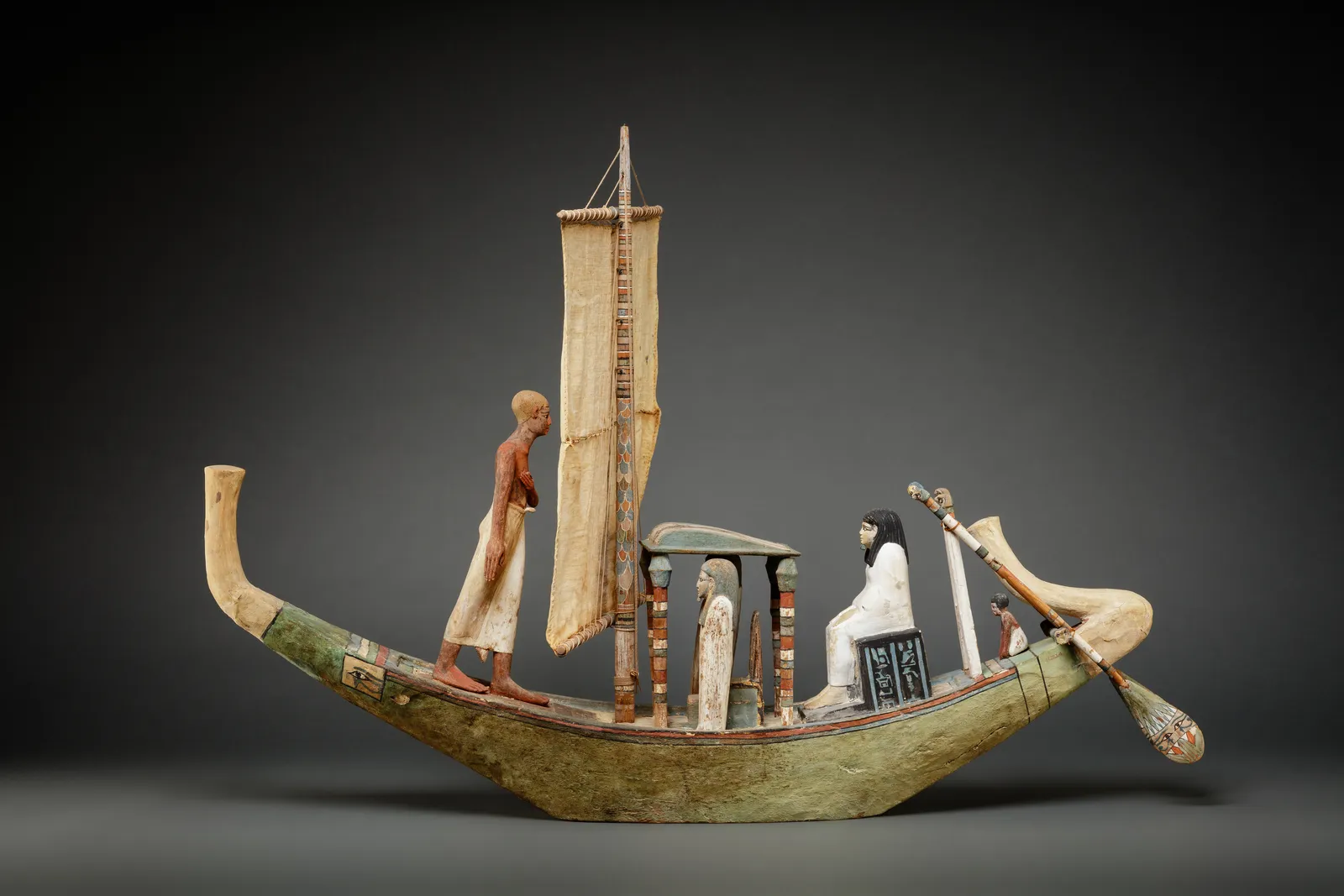
Solar Barque of Ra
Solar Barque of Ra
Crossing the sky by day and the underworld by night, it makes the sun rise again.
MountFirst recorded c. 2400 BCE
Loading artifact…
Photograph: An Egyptian Book of the Dead papyrus of 664–30 BCE. Columns of hieroglyphs run across the yellowed sheet, with drawings of boats carrying gods.
Focus the photograph, then use the arrow keys to pan and the plus and minus keys to zoom. The buttons at the lower left also move it. Press a numbered button on the photograph to zoom to that note.
Book of the Dead (rw nw prt m hrw)
Reciting its spells carries one past the dangers of the underworld to the paradise of Osiris.
The ancient Egyptians believed a long journey continued after death. From the New Kingdom on they wrote on papyrus the spells needed to get past the gatekeepers and monsters of the underworld and buried them with the mummy. We call this writing the Book of the Dead, but its original name was "Spells for Going Forth by Day."
Its most famous scene is the weighing of the heart. The dead person's heart was placed on a scale against the feather of Maat, goddess of truth. If it was heavy the monster Ammit devoured it; if light, the dead could enter the paradise of Osiris.
The Book of the Dead was not one book but a selection from nearly two hundred spells. The wealthy commissioned copies with their own names and illustrations.
The photograph shows Book of the Dead Papyrus with Chapters 100 and 129(Late Period–Ptolemaic Period, 664–30 BCE), a real museum object that evokes the legendary artifact.
Solar Barque of Ra
Crossing the sky by day and the underworld by night, it makes the sun rise again.
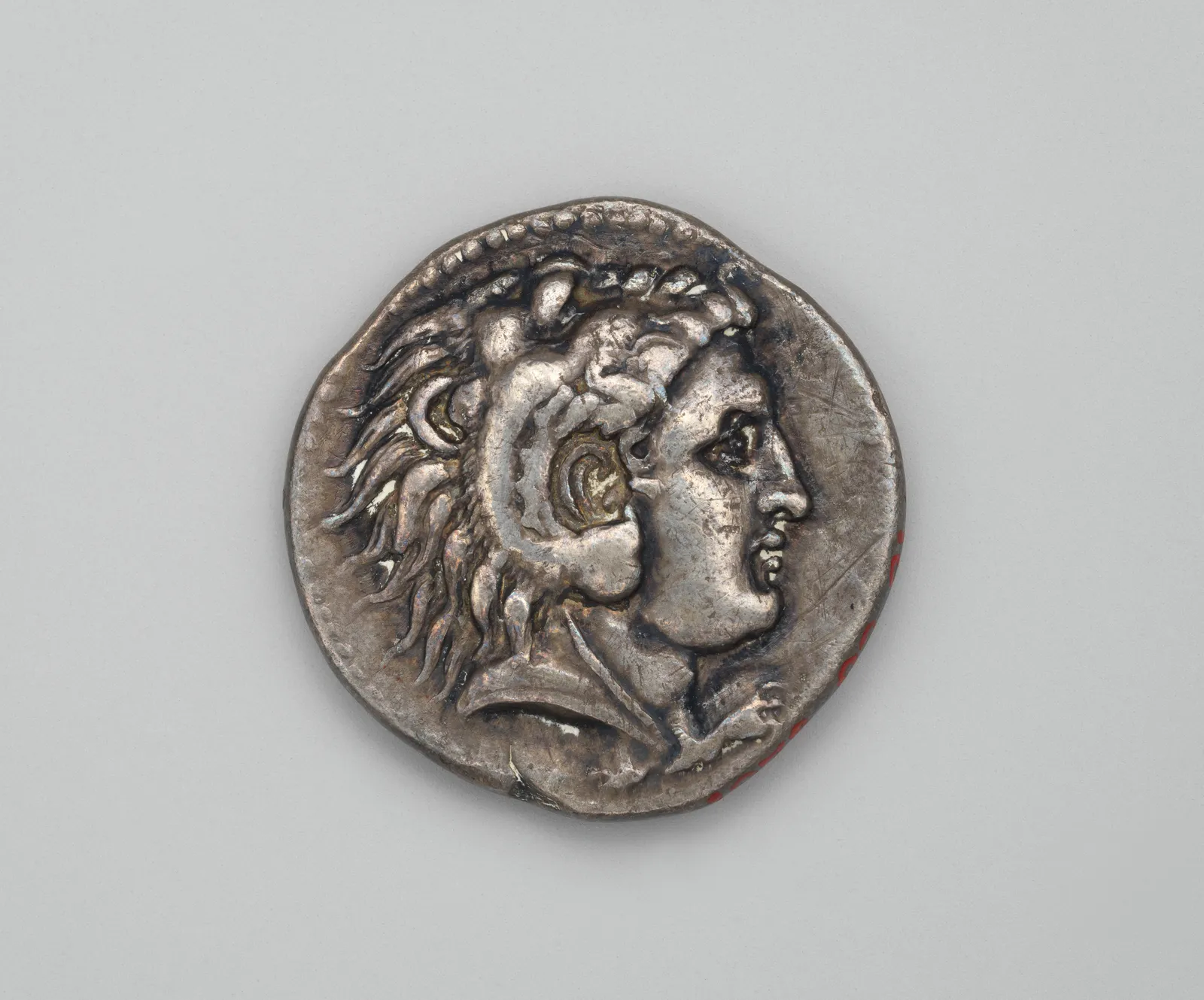
Bucephalus (Βουκεφάλας)
A wild horse no one could tame, afraid of its own shadow.
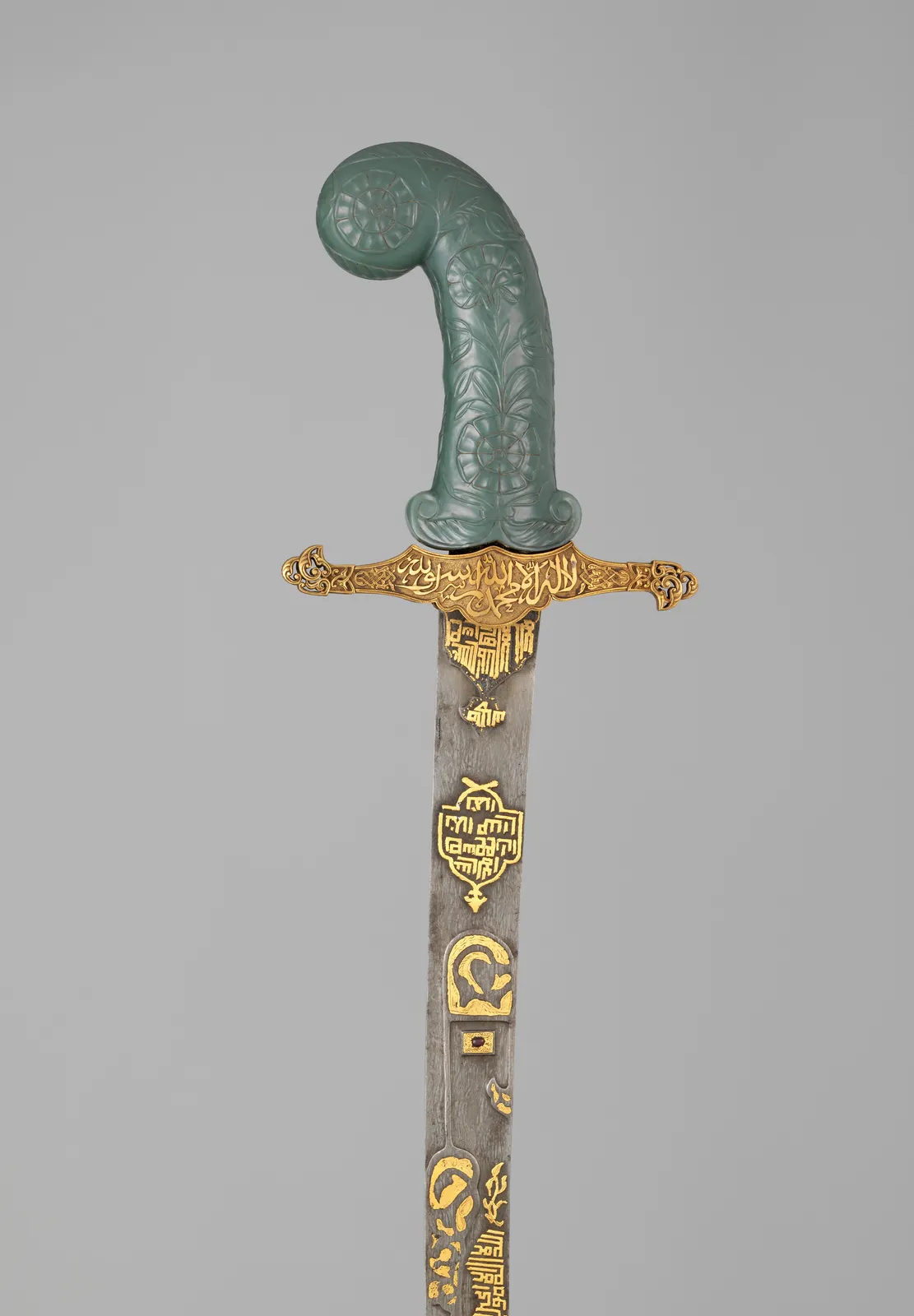
Dhū al-Fiqār (ذو الفقار)
A blade forked at the tip. “No youth like Ali, no sword like Dhu al-Fiqar.”
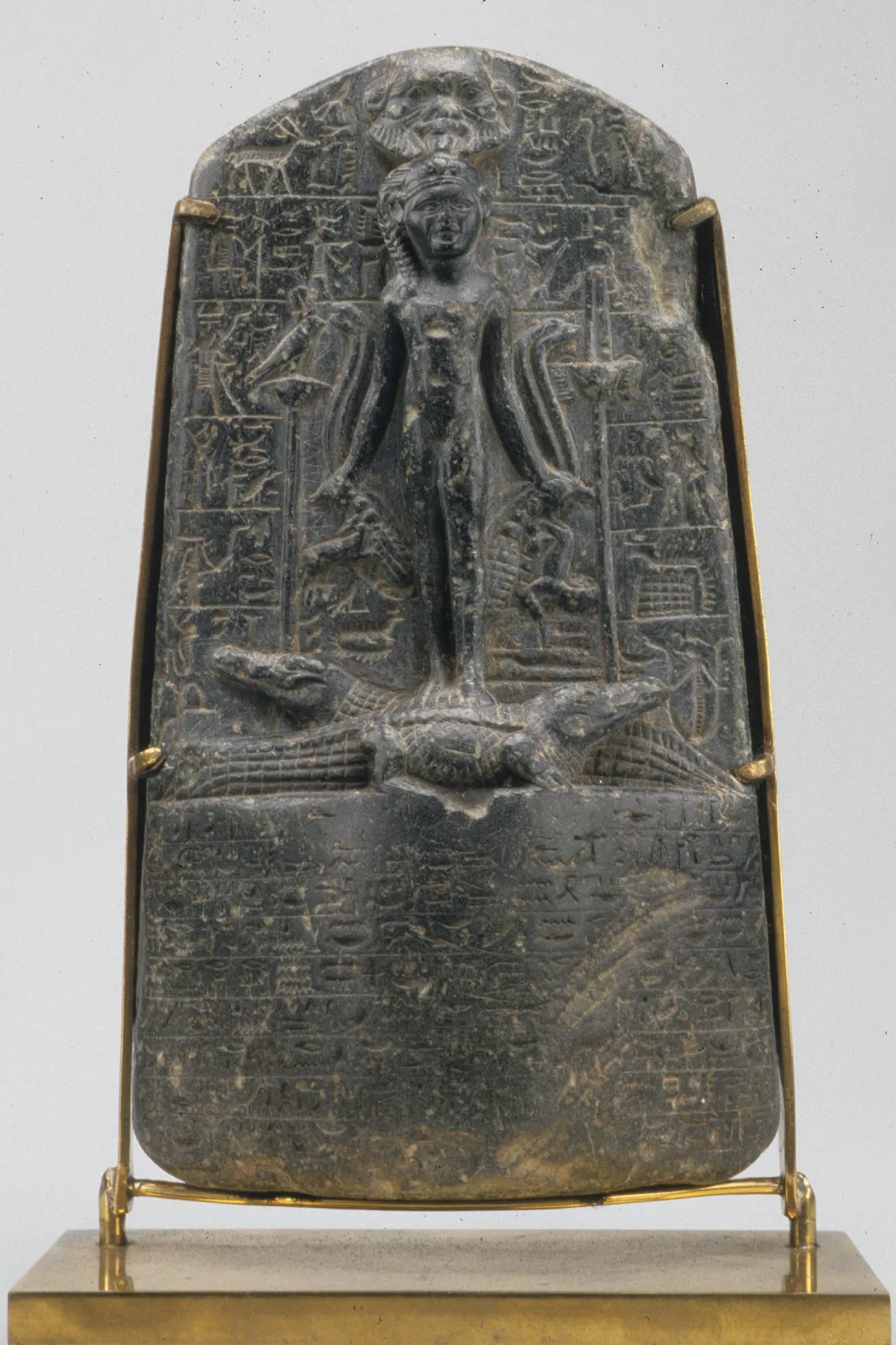
Tabula Smaragdina
Holds the secret of all things and the foundation of alchemy in fourteen lines: “As above, so below.”