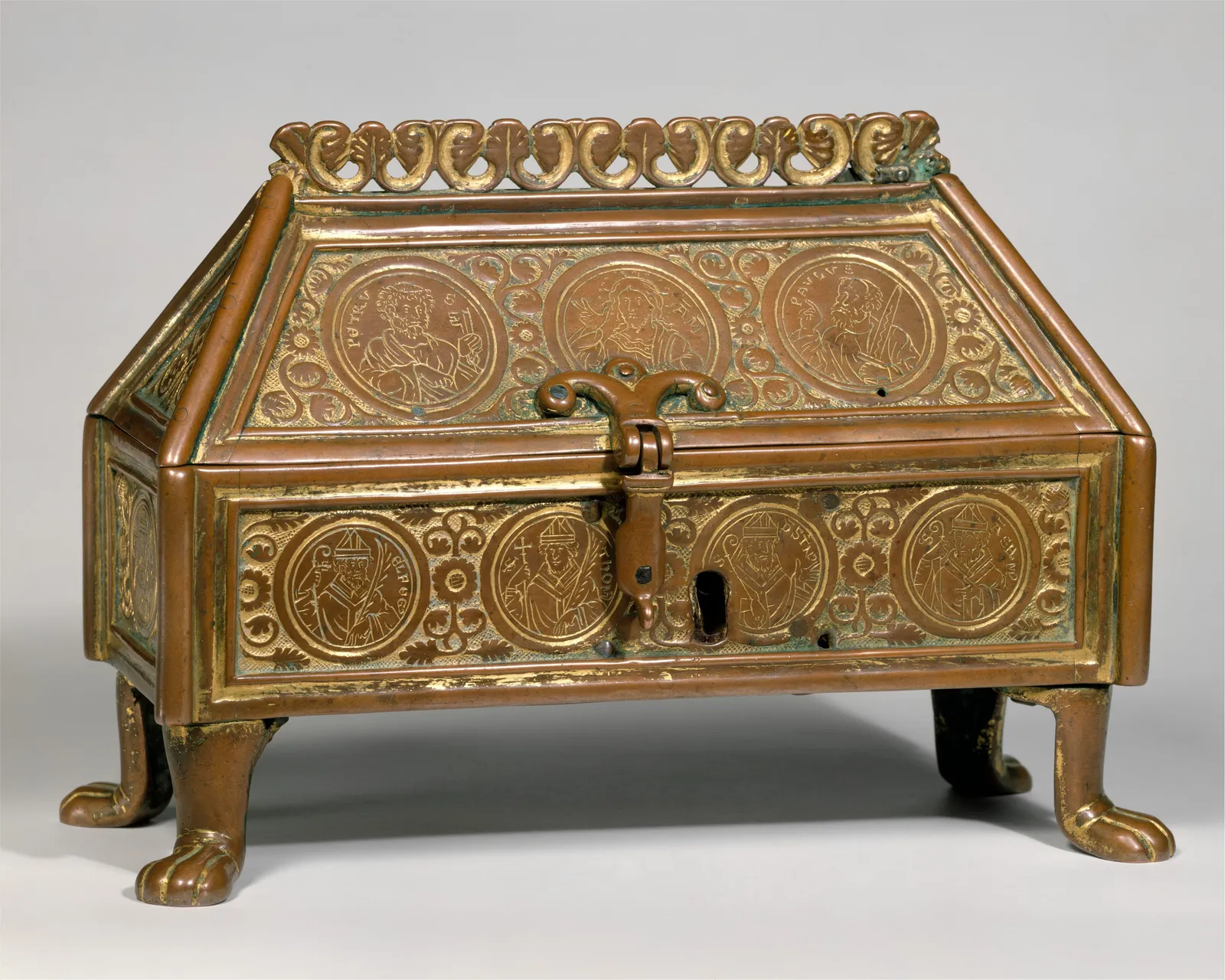
Sacred Relics
Ark of the Covenant
Ark of the Covenant
The seat of God's presence. Carried before the people, it parted the Jordan and brought down the walls of Jericho.
VesselFirst recorded c. 600 BCE
Loading artifact…
Photograph: A Bronze Age copper-alloy spearhead of 1200 to 800 BCE. The long leaf-shaped blade has a central ridge and part of its wooden shaft survives.
Focus the photograph, then use the arrow keys to pan and the plus and minus keys to zoom. The buttons at the lower left also move it. Press a numbered button on the photograph to zoom to that note.
Holy Lance (Lancea Longini)
Legend grew that whoever holds this spear holds the fate of the world.
The Gospel of John records that a soldier thrust a spear into the side of Jesus on the cross to confirm that he had died, and that blood and water flowed out. The Bible does not name the soldier. The name Longinus first appears around the fourth century in the apocryphal Gospel of Nicodemus.
In legend Longinus was a soldier with failing sight who regained it, along with faith, when blood running down the spear touched his eyes. From then on the spear itself became a relic.
In 1098, when the First Crusade was besieged at Antioch, the pilgrim Peter Bartholomew followed a vision and dug up a spearhead beneath the cathedral floor. Heartened, the crusaders broke the siege. Today Vienna's Hofburg, the Vatican in Rome and Etchmiadzin in Armenia each still keep a "Holy Lance."
The photograph shows Spearhead(Bronze Age, 1200–800 BCE), a real museum object that evokes the legendary artifact.
Ark of the Covenant
The seat of God's presence. Carried before the people, it parted the Jordan and brought down the walls of Jericho.
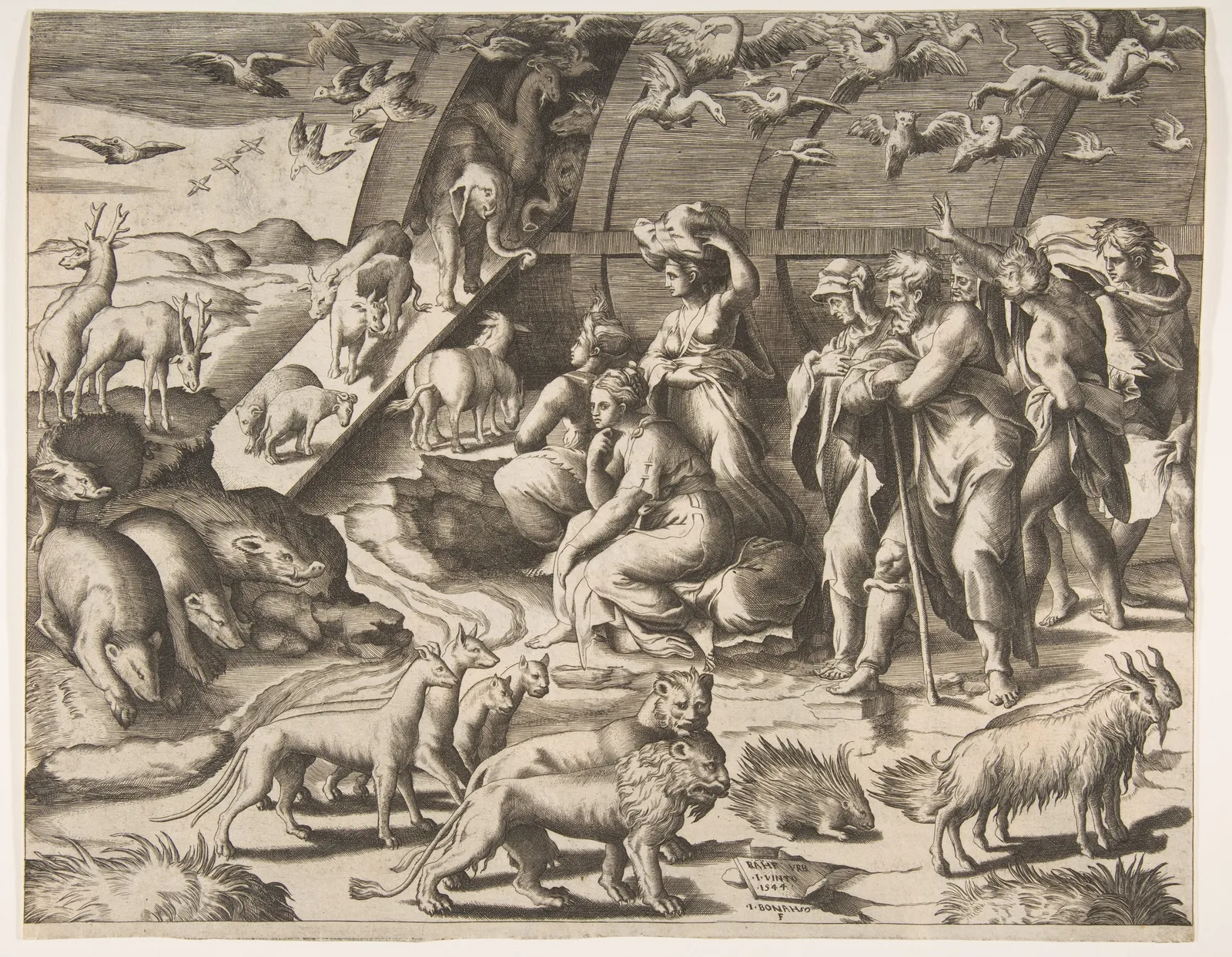
Noah's Ark (תֵּבַת נֹחַ)
Kept people and animals safe from the flood that covered the world.
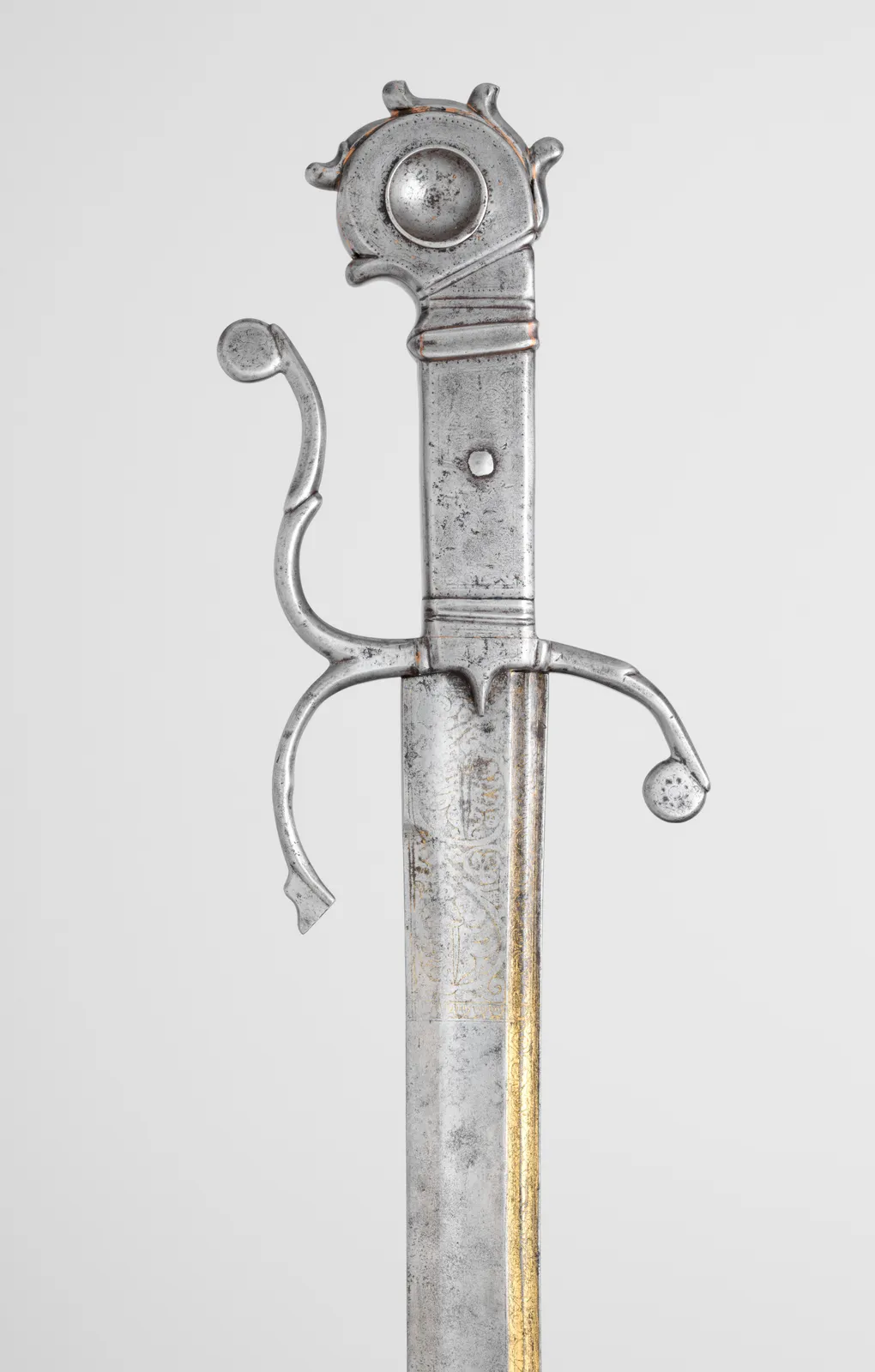
Sword of Saint Peter
Swung to defend his master, and rebuked with “Put your sword into its sheath.”
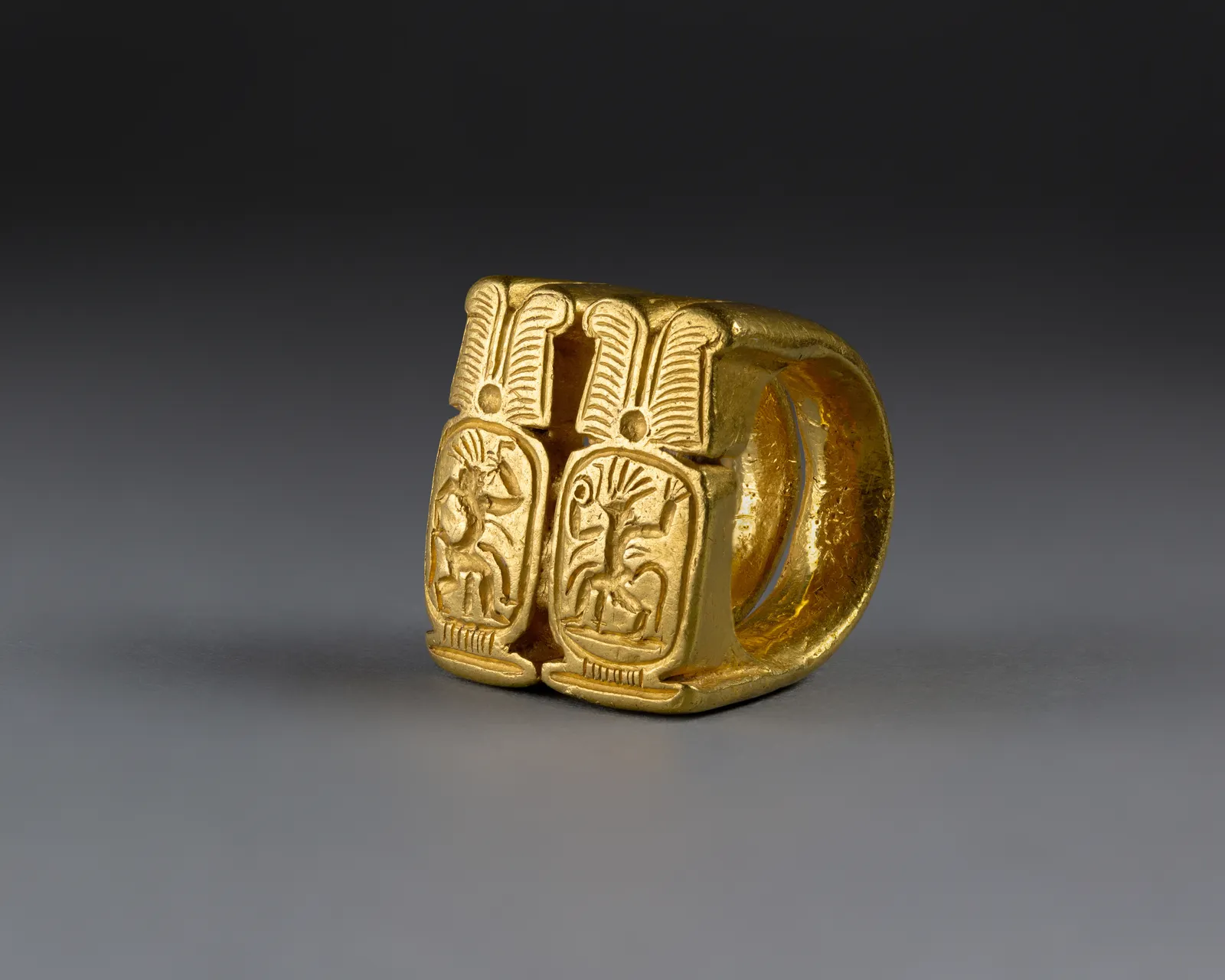
Seal of Solomon
Its seal commands demons and lets the wearer understand beasts and birds.