Sacred Relics
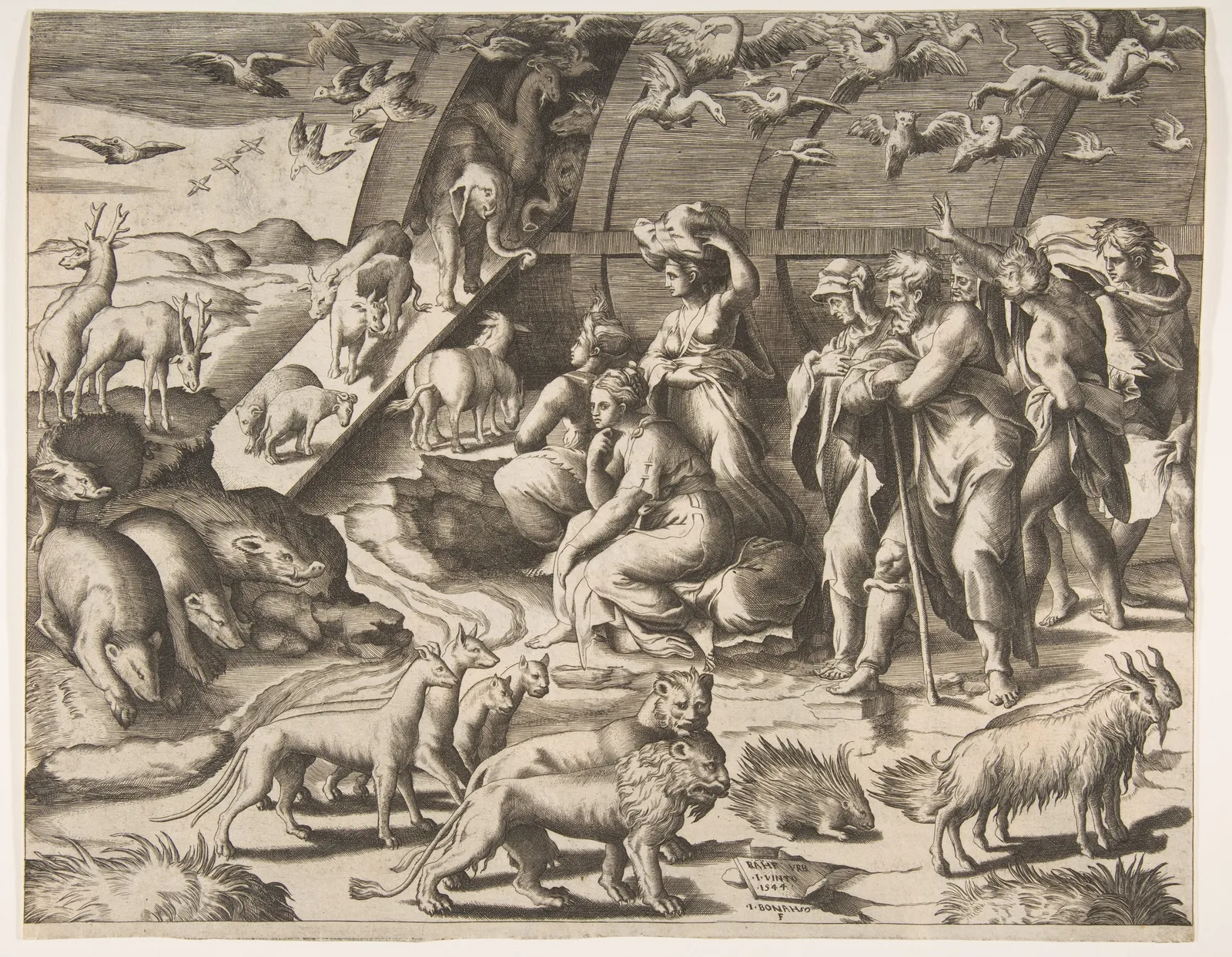
Noah's Ark
Noah's Ark (תֵּבַת נֹחַ)
Kept people and animals safe from the flood that covered the world.
MountFirst recorded c. 500 BCE
Loading artifact…
Photograph: An English gilt-copper reliquary chest of 1207–13. The box with a roof-shaped lid and animal-paw feet is densely covered in round engraved plaques, with a lock on the front.
Focus the photograph, then use the arrow keys to pan and the plus and minus keys to zoom. The buttons at the lower left also move it. Press a numbered button on the photograph to zoom to that note.
Ark of the Covenant
The seat of God's presence. Carried before the people, it parted the Jordan and brought down the walls of Jericho.
In Exodus, God tells Moses to build a chest of acacia wood and overlay it inside and out with pure gold. On its lid two cherubim face each other with outspread wings, and inside are placed the two tablets of the Ten Commandments.
The Israelites carried the ark on poles through the wilderness. According to the Book of Joshua, the Jordan stopped flowing when the priests bearing it set foot in the river, and the walls of Jericho fell after the ark was carried around them for seven days. When the Philistines captured it, their idols toppled and calamity struck until they sent it back.
Solomon installed the ark in the Holy of Holies of the Temple in Jerusalem. After Babylon destroyed the Temple in 587 BCE, no one knows what became of it.
The photograph shows Reliquary Chasse(British, 1207–13), a real museum object that evokes the legendary artifact.
Noah's Ark (תֵּבַת נֹחַ)
Kept people and animals safe from the flood that covered the world.
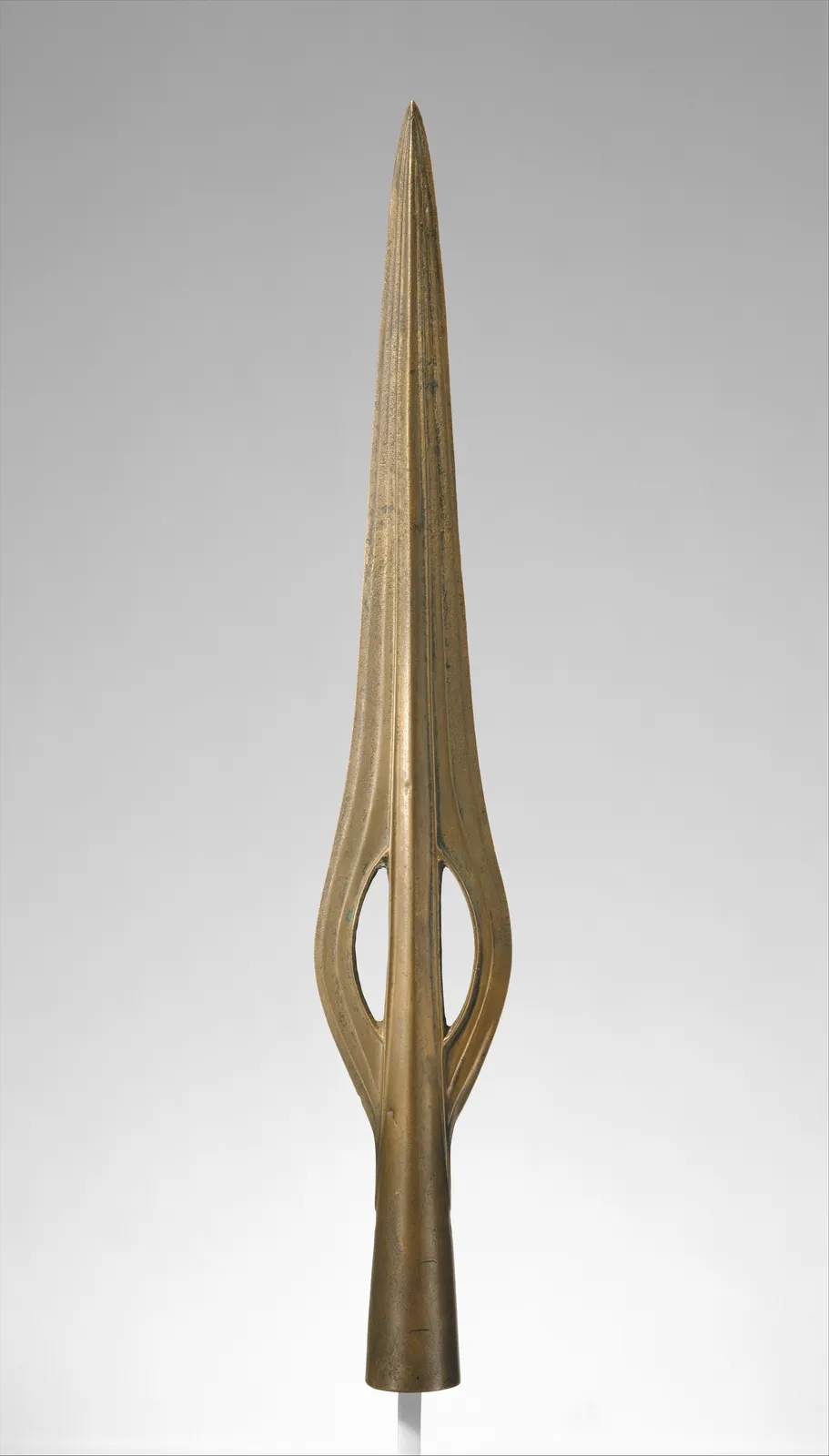
Holy Lance (Lancea Longini)
Legend grew that whoever holds this spear holds the fate of the world.
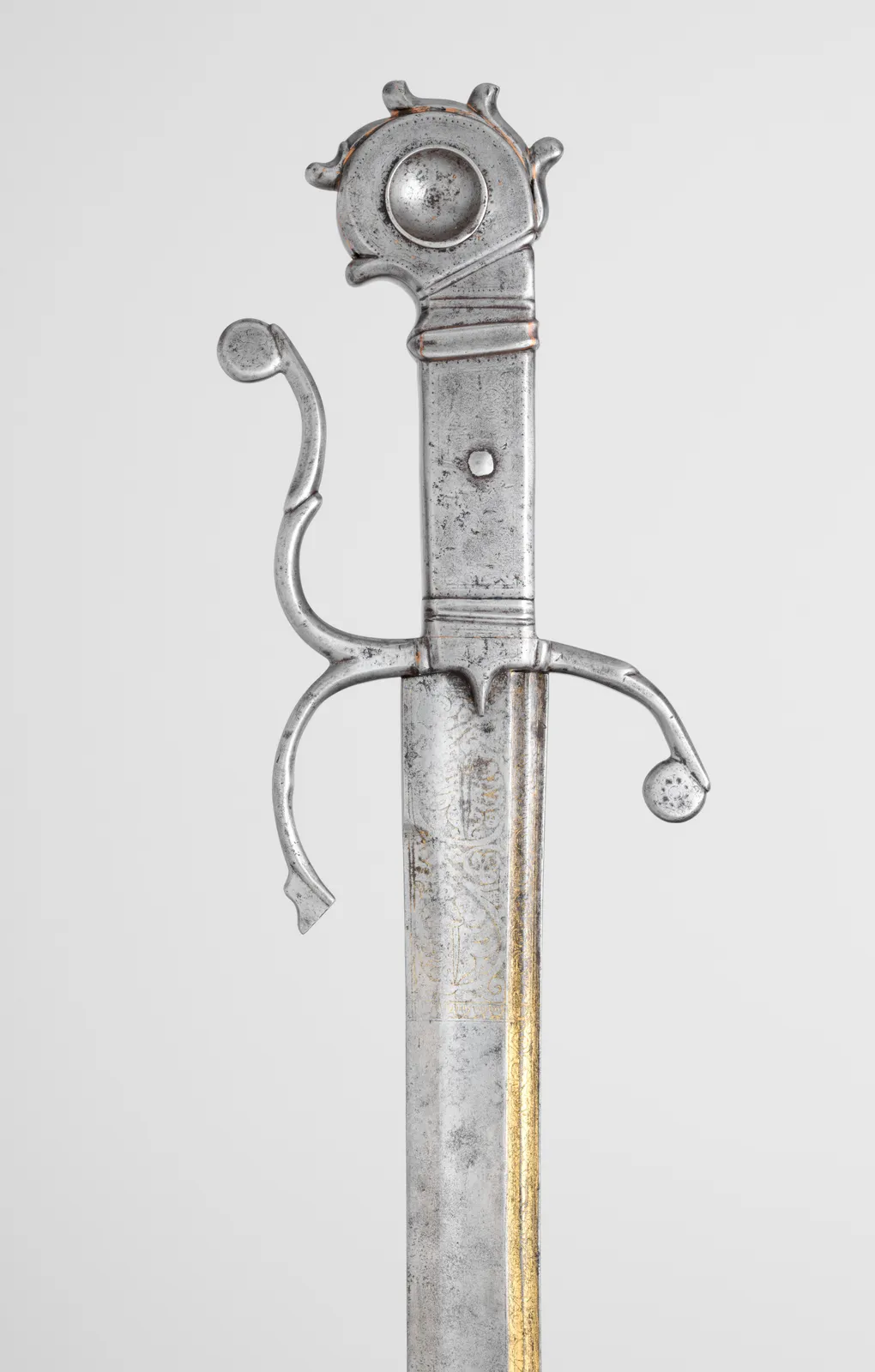
Sword of Saint Peter
Swung to defend his master, and rebuked with “Put your sword into its sheath.”
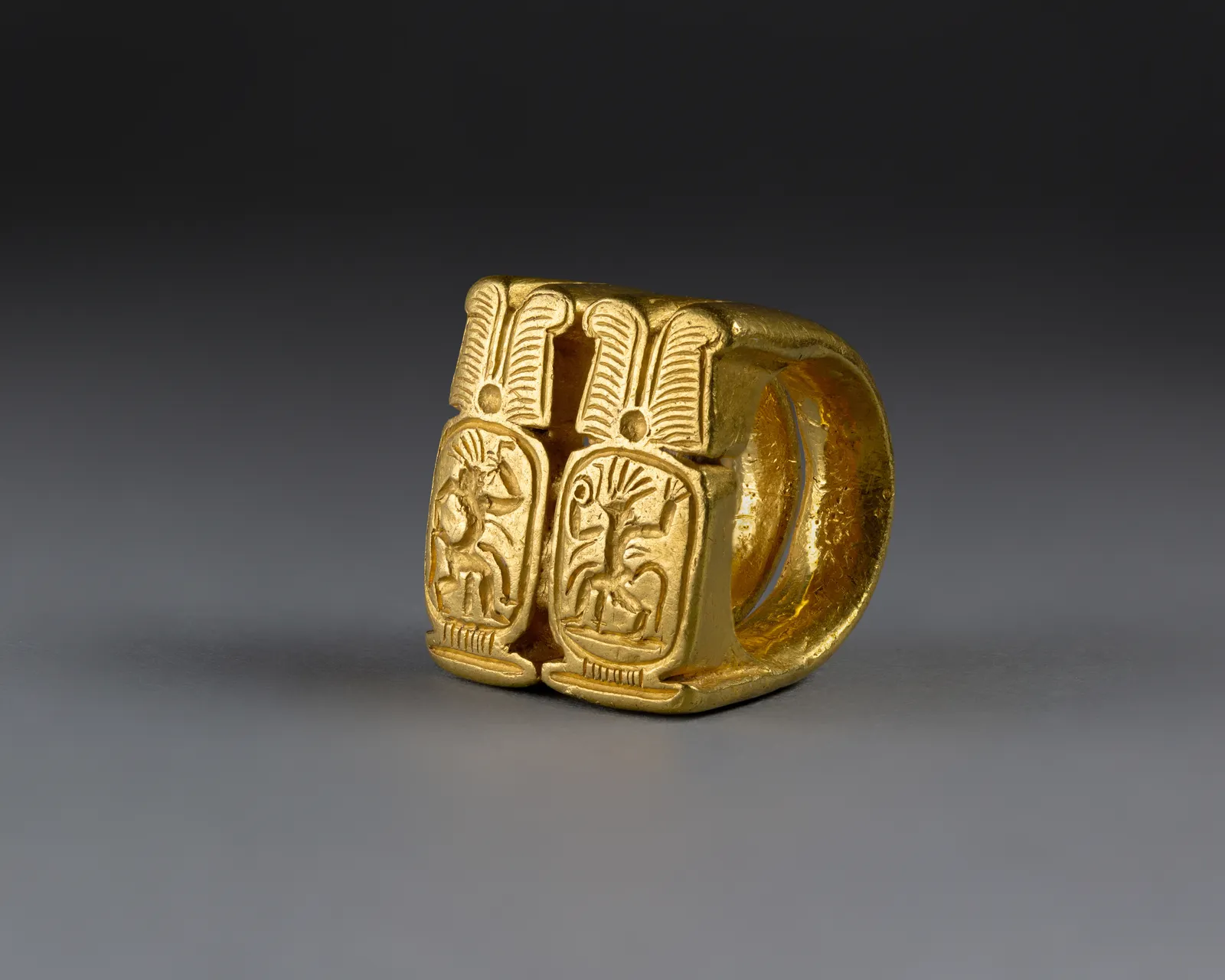
Seal of Solomon
Its seal commands demons and lets the wearer understand beasts and birds.