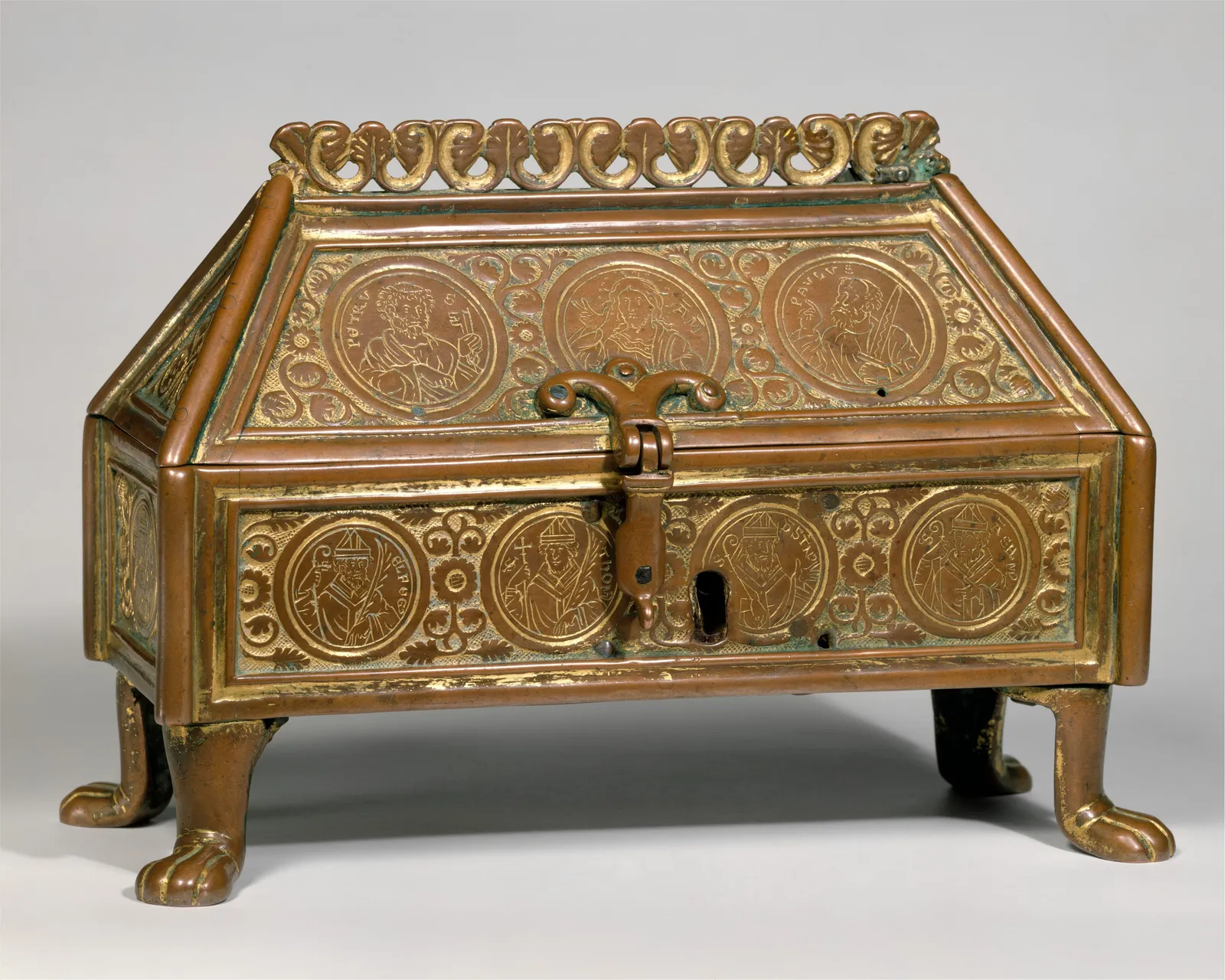
Sacred Relics
Ark of the Covenant
Ark of the Covenant
The seat of God's presence. Carried before the people, it parted the Jordan and brought down the walls of Jericho.
VesselFirst recorded c. 600 BCE
Loading artifact…
Photograph: A sixteenth-century engraving, Noah Leaving the Ark. In front of the huge ark, Noah's family and many animals step down to the ground.
Focus the photograph, then use the arrow keys to pan and the plus and minus keys to zoom. The buttons at the lower left also move it. Press a numbered button on the photograph to zoom to that note.
Noah's Ark (תֵּבַת נֹחַ)
Kept people and animals safe from the flood that covered the world.
In Genesis, God sees the world filled with evil and resolves to wash it away with a flood. But he tells Noah, a righteous man, to build an ark of gopher wood three hundred cubits long, fifty wide and thirty high.
Noah took his family aboard with every kind of animal, male and female. Rain fell for forty days until the water covered the mountaintops, and when it drained away the ark came to rest on Mount Ararat.
When a dove Noah sent out came back with an olive leaf, he knew the land was dry. The rainbow that rose after the flood became a sign of the promise never again to destroy the world by water. The Mesopotamian Epic of Gilgamesh tells a similar story of flood and ship.
The photograph shows Noah leaving the Ark(Italian (Giulio Bonasone), 16th century), a real museum object that evokes the legendary artifact.
Ark of the Covenant
The seat of God's presence. Carried before the people, it parted the Jordan and brought down the walls of Jericho.
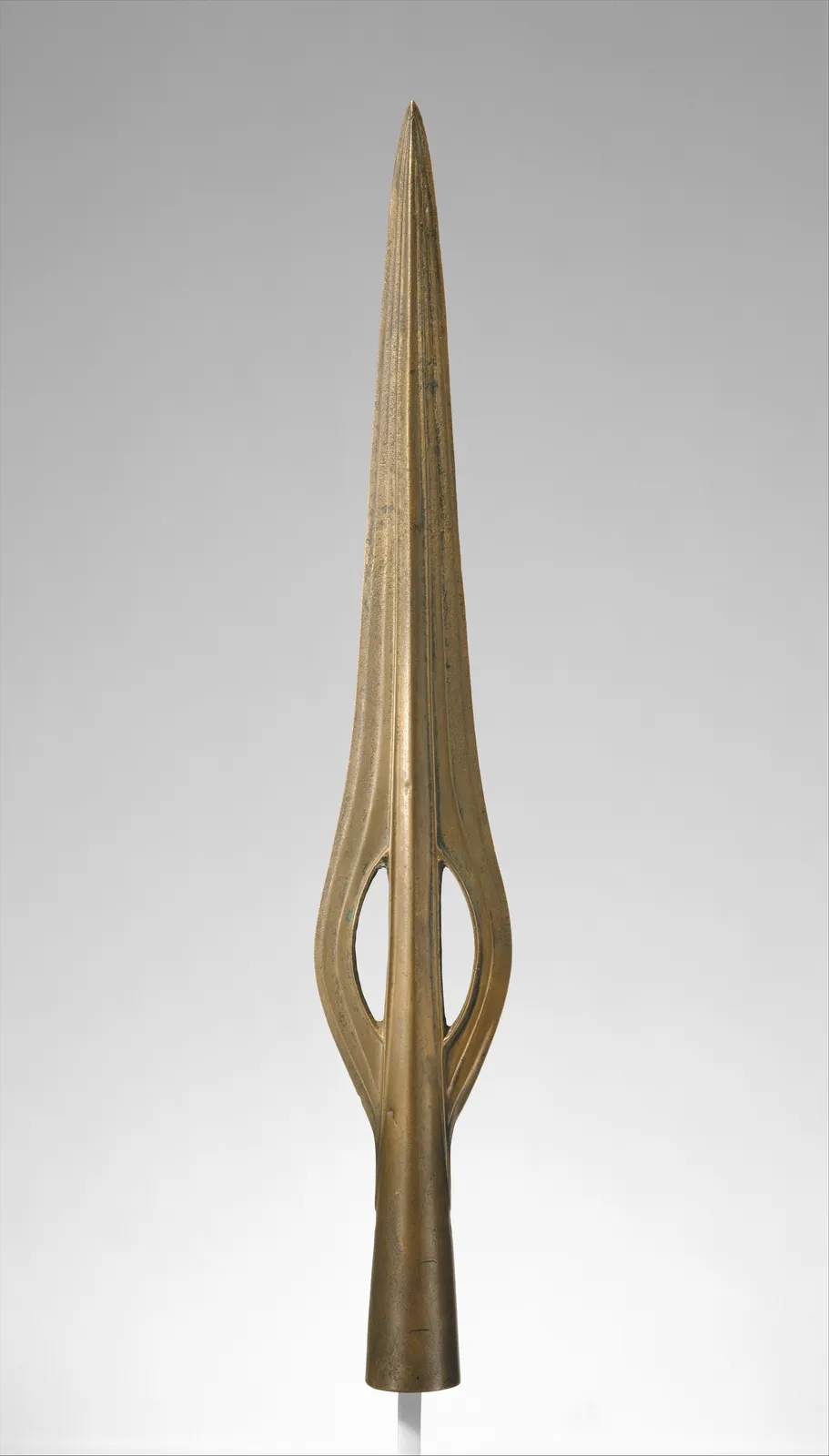
Holy Lance (Lancea Longini)
Legend grew that whoever holds this spear holds the fate of the world.
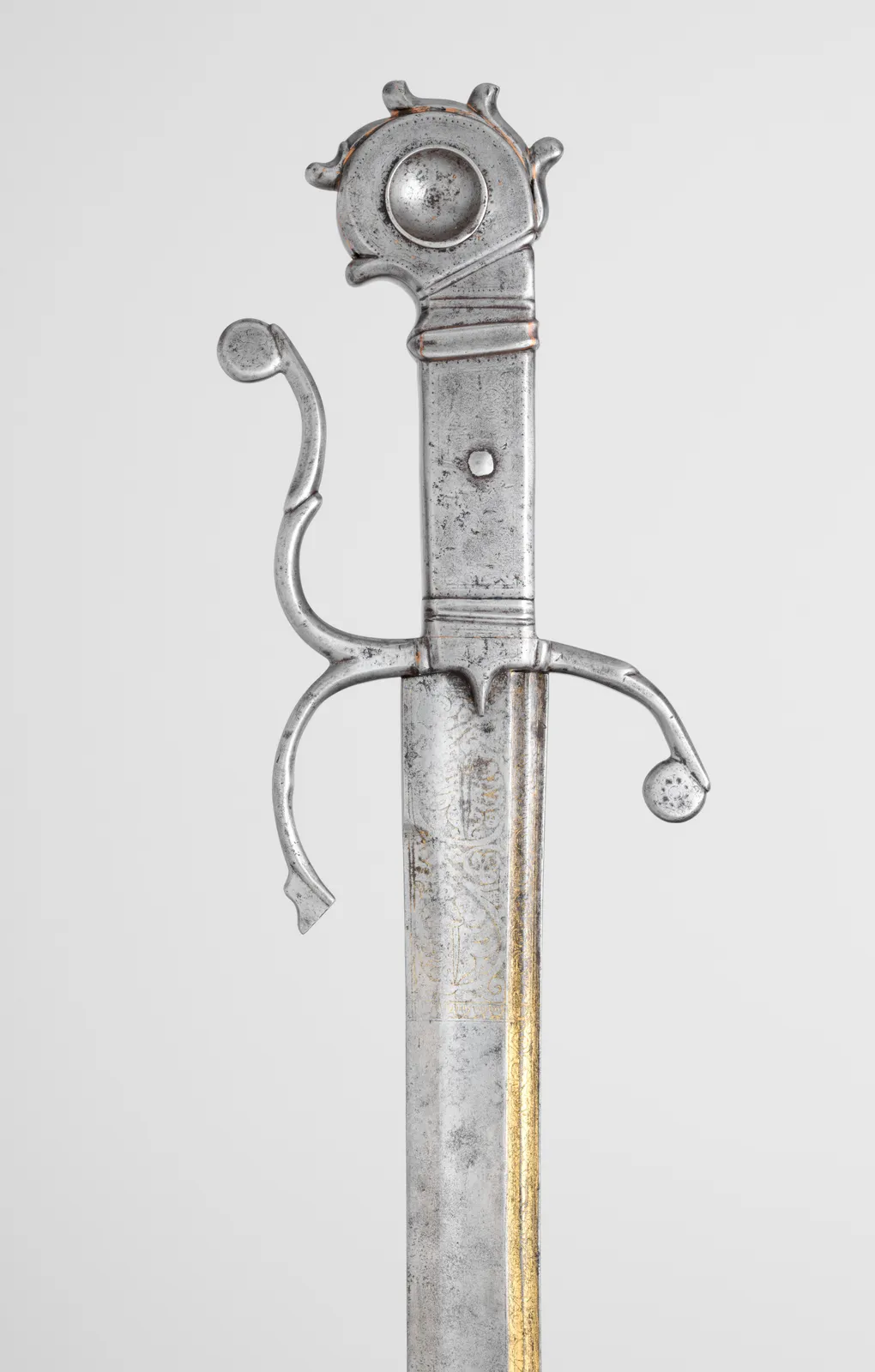
Sword of Saint Peter
Swung to defend his master, and rebuked with “Put your sword into its sheath.”
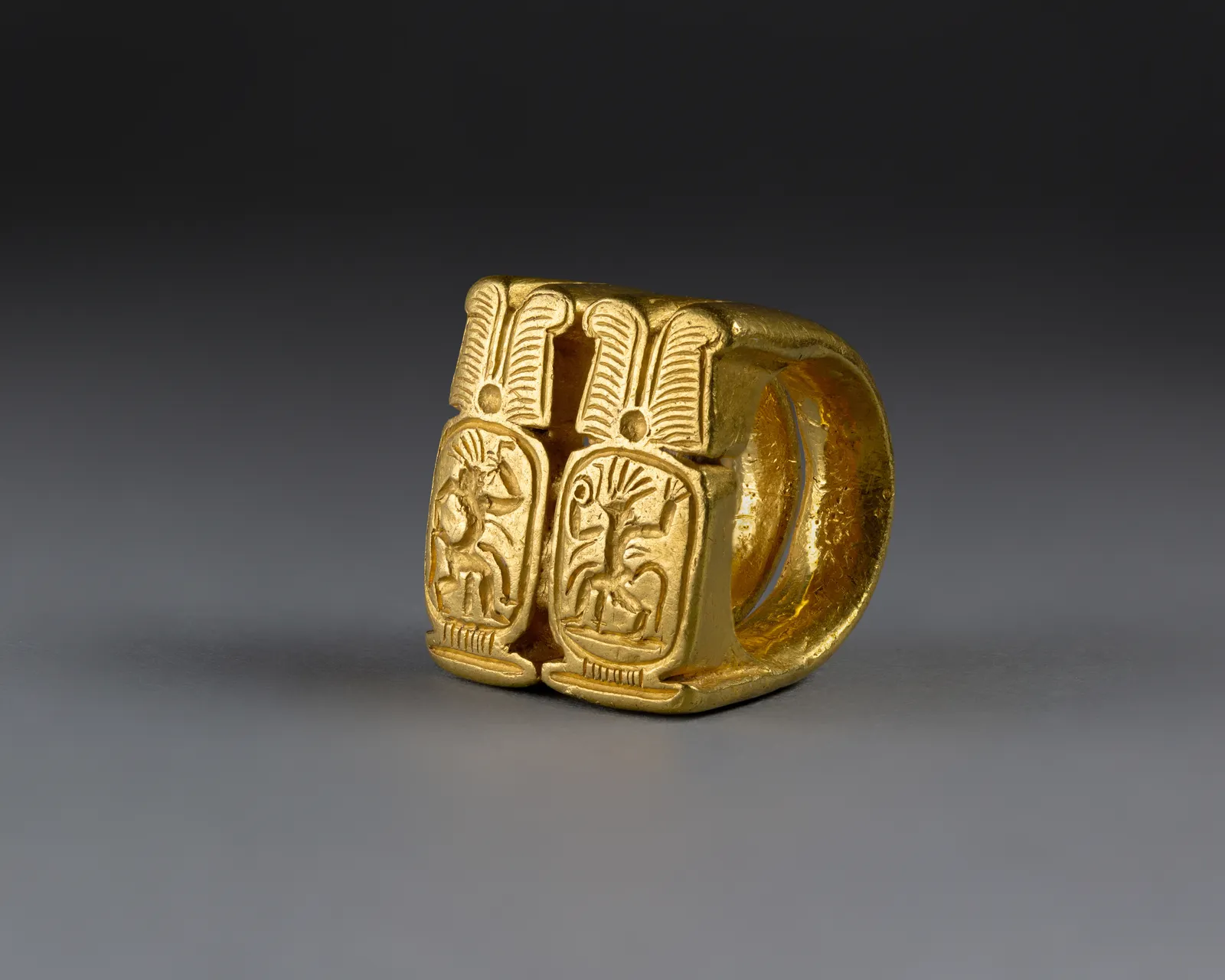
Seal of Solomon
Its seal commands demons and lets the wearer understand beasts and birds.