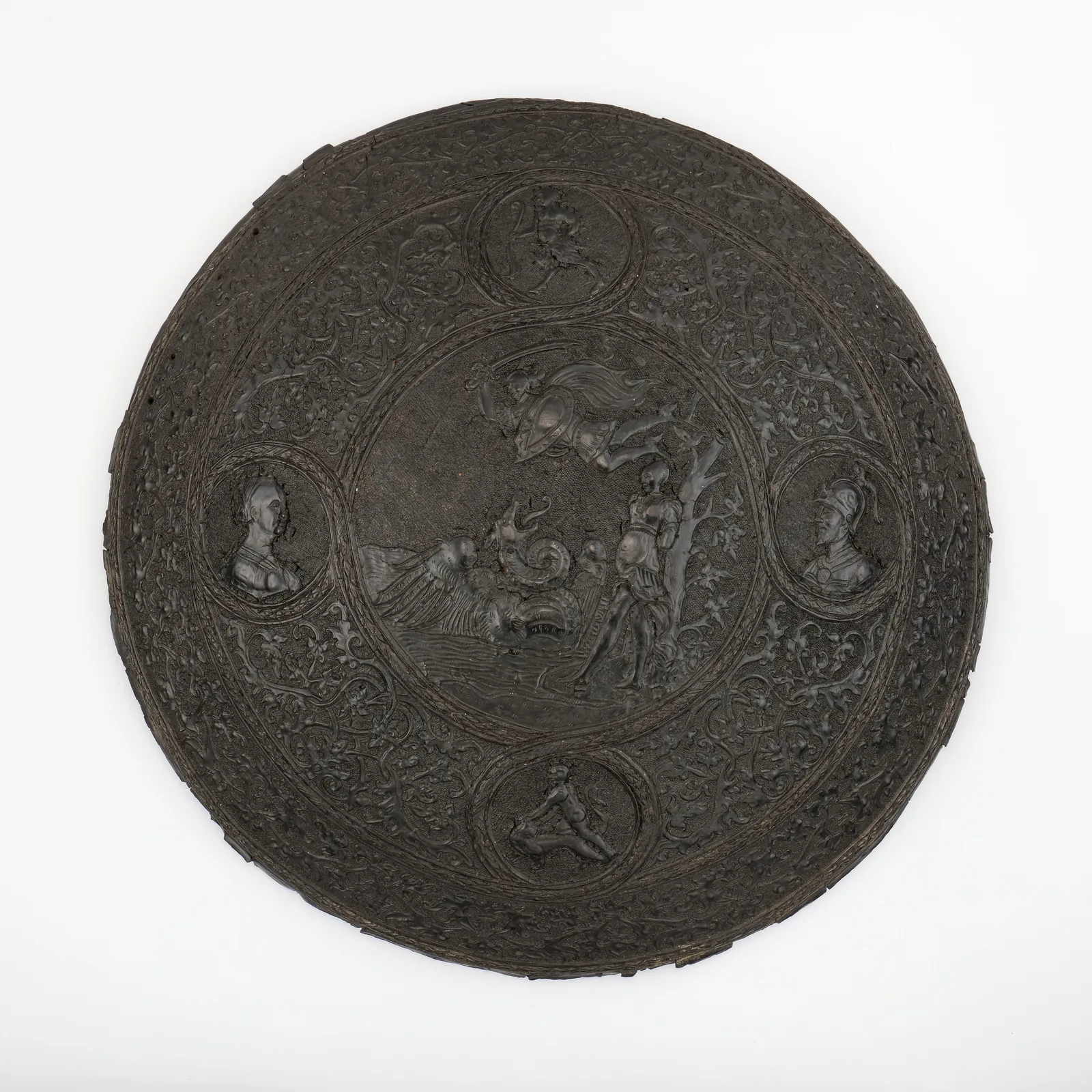
Greek
Aegis
Aegis (Αἰγίς)
Shaken, it raises storms and sends enemy armies fleeing in terror.
ArmorFirst recorded c. 750 BCE
Loading artifact…
Photograph: The reverse of a silver coin of King Demetrius of Macedon, about 300–295 BCE. A nude Poseidon with a cloak over his left arm strides forward aiming his trident, with Greek letters around him.
Focus the photograph, then use the arrow keys to pan and the plus and minus keys to zoom. The buttons at the lower left also move it. Press a numbered button on the photograph to zoom to that note.
Trident of Poseidon (Τρίαινα)
When struck, the sea boils, the earth shakes and springs rise.
In thanks for help in the war against the Titans, the one-eyed Cyclopes made weapons for three divine brothers. Zeus received the thunderbolt, Hades the helmet and Poseidon the trident.
In the Iliad Poseidon uses this trident to tear down and sweep away the Greek wall on the shore of Troy. As his epithet Earthshaker suggests, when he struck rock with it the ground shook and springs rose.
Competing with Athena to be patron of Athens, Poseidon struck the rock of the Acropolis with his trident and raised a saltwater spring. But the people chose the olive tree Athena offered.
The photograph shows Tetradrachm: Poseidon, Striding with Trident (reverse)(Greek, Macedonian, minted at Salamis (Cyprus), c. 300–295 BCE), a real museum object that evokes the legendary artifact.
Aegis (Αἰγίς)
Shaken, it raises storms and sends enemy armies fleeing in terror.
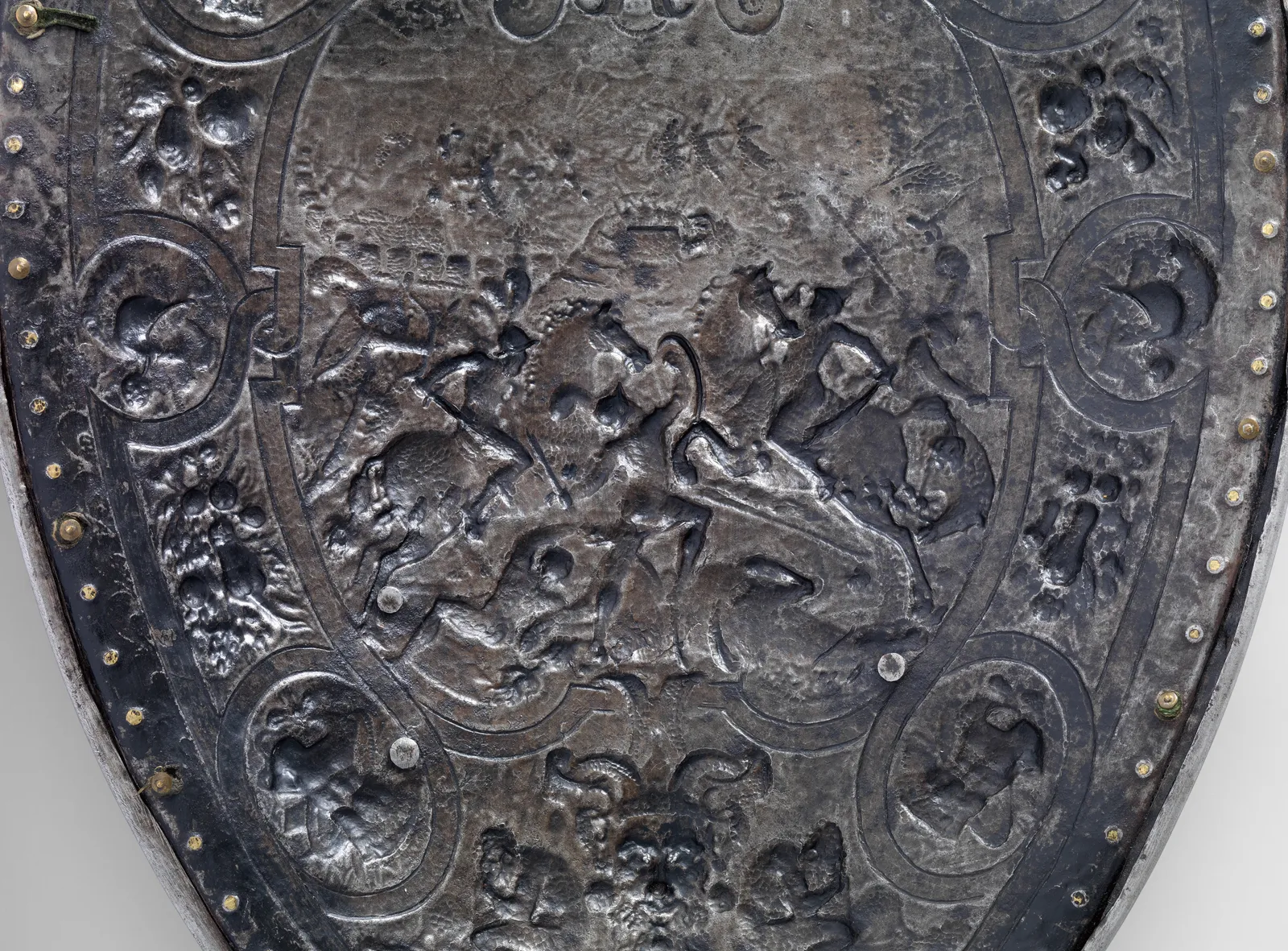
Shield of Achilles
A shield of five layers forged by a god, with the whole world engraved on its face.
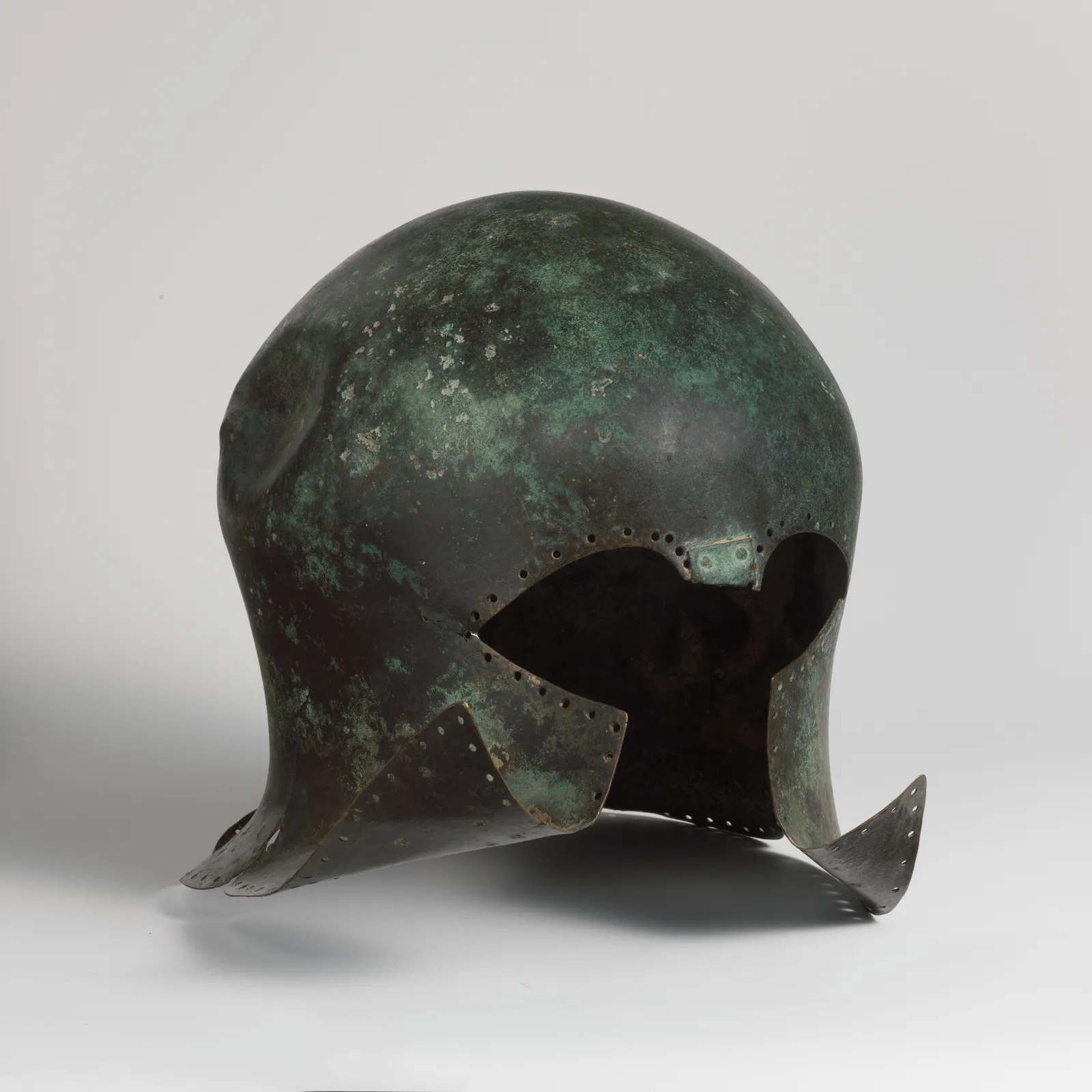
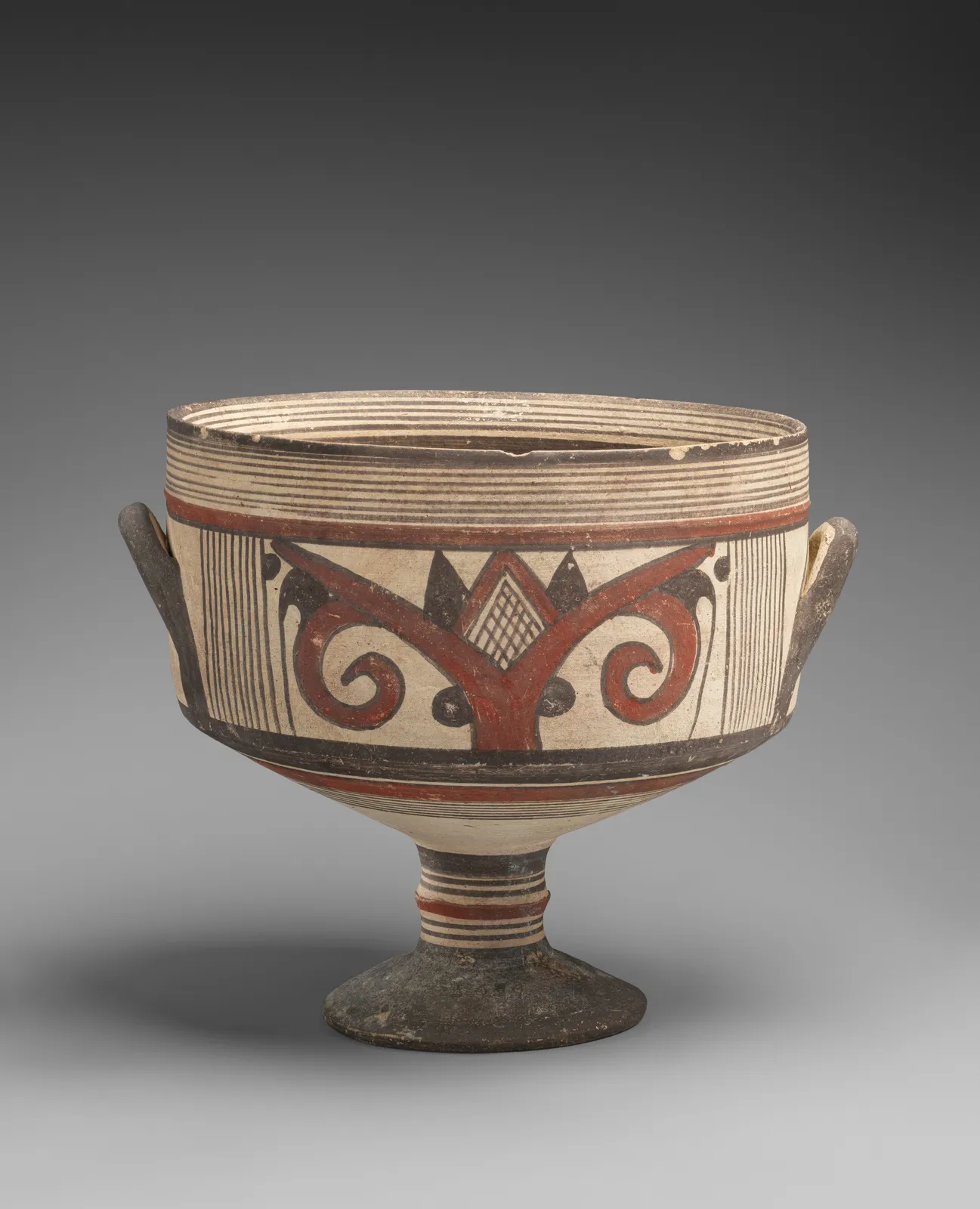
Ambrosia & Nectar
Keeps the gods ageless and deathless.