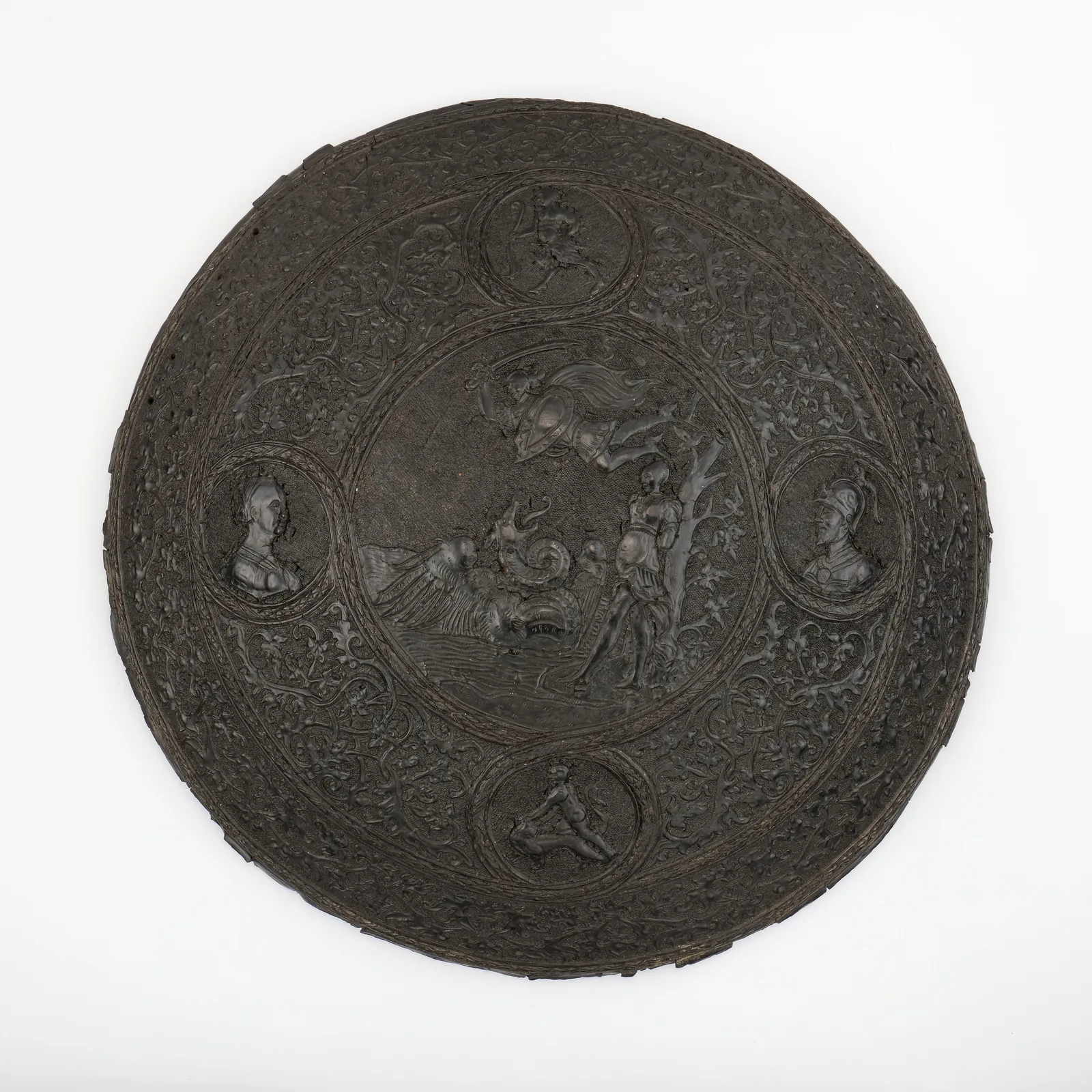
Greek
Aegis
Aegis (Αἰγίς)
Shaken, it raises storms and sends enemy armies fleeing in terror.
ArmorFirst recorded c. 750 BCE
Loading artifact…
Photograph: A Greek or Roman bronze statuette of Hermes from around the first century. A young Hermes stands with a cloak over his shoulder; the staff he once held does not survive.
Focus the photograph, then use the arrow keys to pan and the plus and minus keys to zoom. The buttons at the lower left also move it. Press a numbered button on the photograph to zoom to that note.
Caduceus (κηρύκειον)
Reconciles enemies, puts people to sleep or wakes them, and leads the souls of the dead to the underworld.
According to the Homeric Hymn to Hermes, the newborn Hermes stole Apollo's cattle and was found out. He made peace by giving Apollo a lyre made from a tortoise shell, and Apollo gave him a golden staff in return.
Later stories tell that when Hermes held his staff between two fighting snakes, they stopped and wound around it. So the winged staff with two serpents became the emblem of heralds, truce and trade.
Hermes put people to sleep or awoke them with this staff, and led the souls of the dead to the underworld. Today it is sometimes mistakenly used as a symbol of medicine; the true symbol is the staff of Asclepius, wound with a single serpent.
The photograph shows Bronze statuette of Hermes(Greek or Roman, 1st century BCE–1st century CE), a real museum object that evokes the legendary artifact.
Aegis (Αἰγίς)
Shaken, it raises storms and sends enemy armies fleeing in terror.
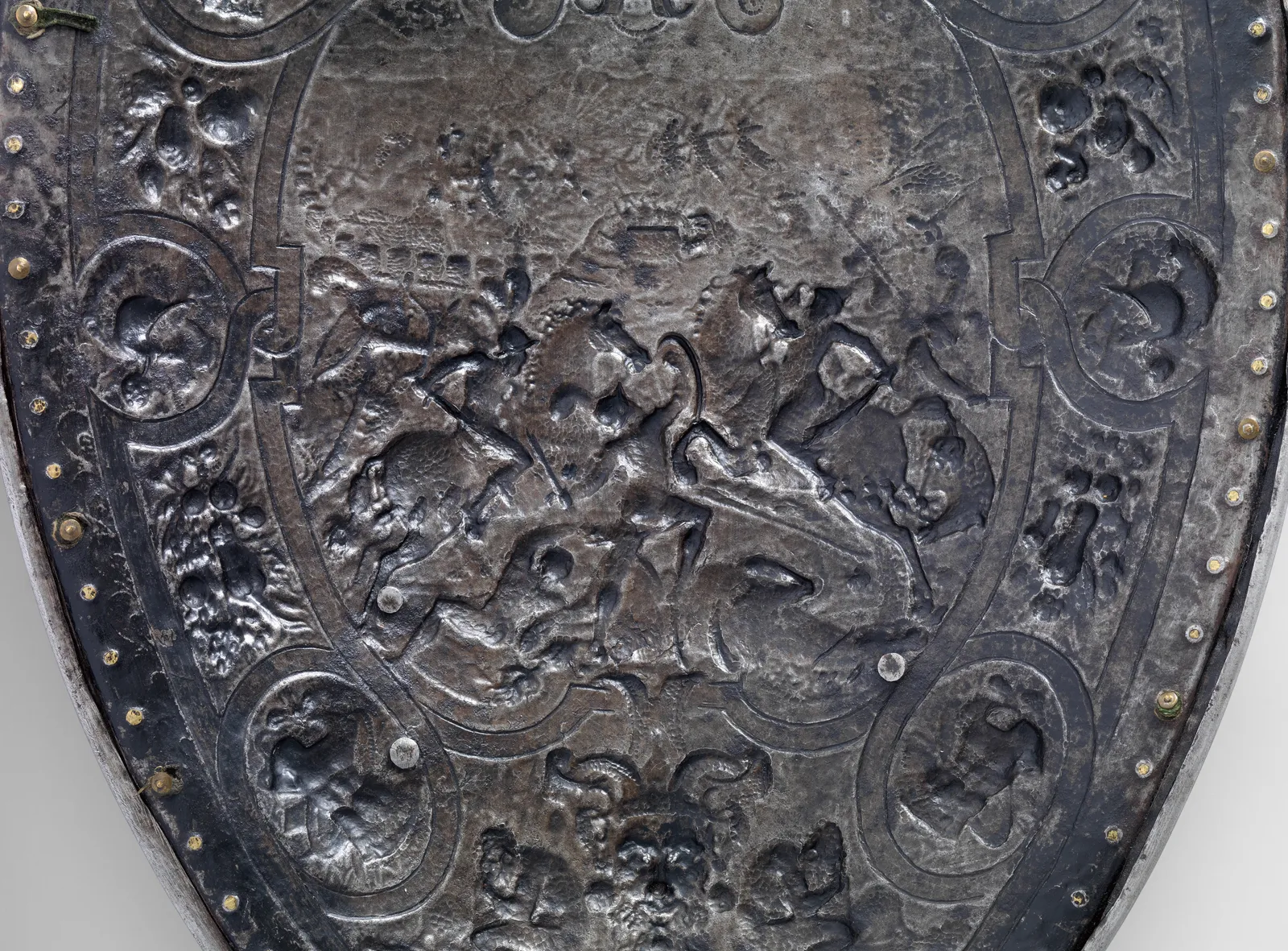
Shield of Achilles
A shield of five layers forged by a god, with the whole world engraved on its face.
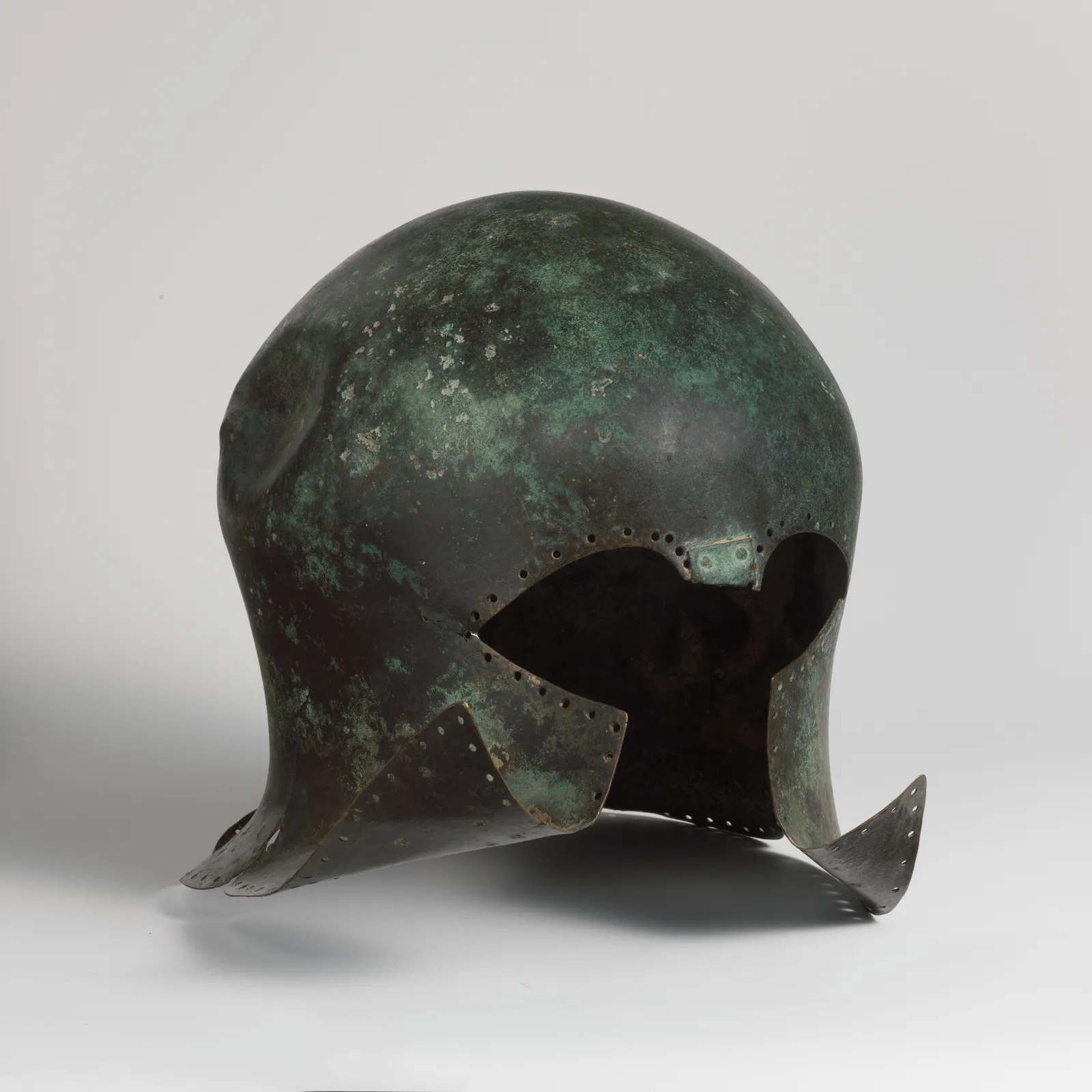
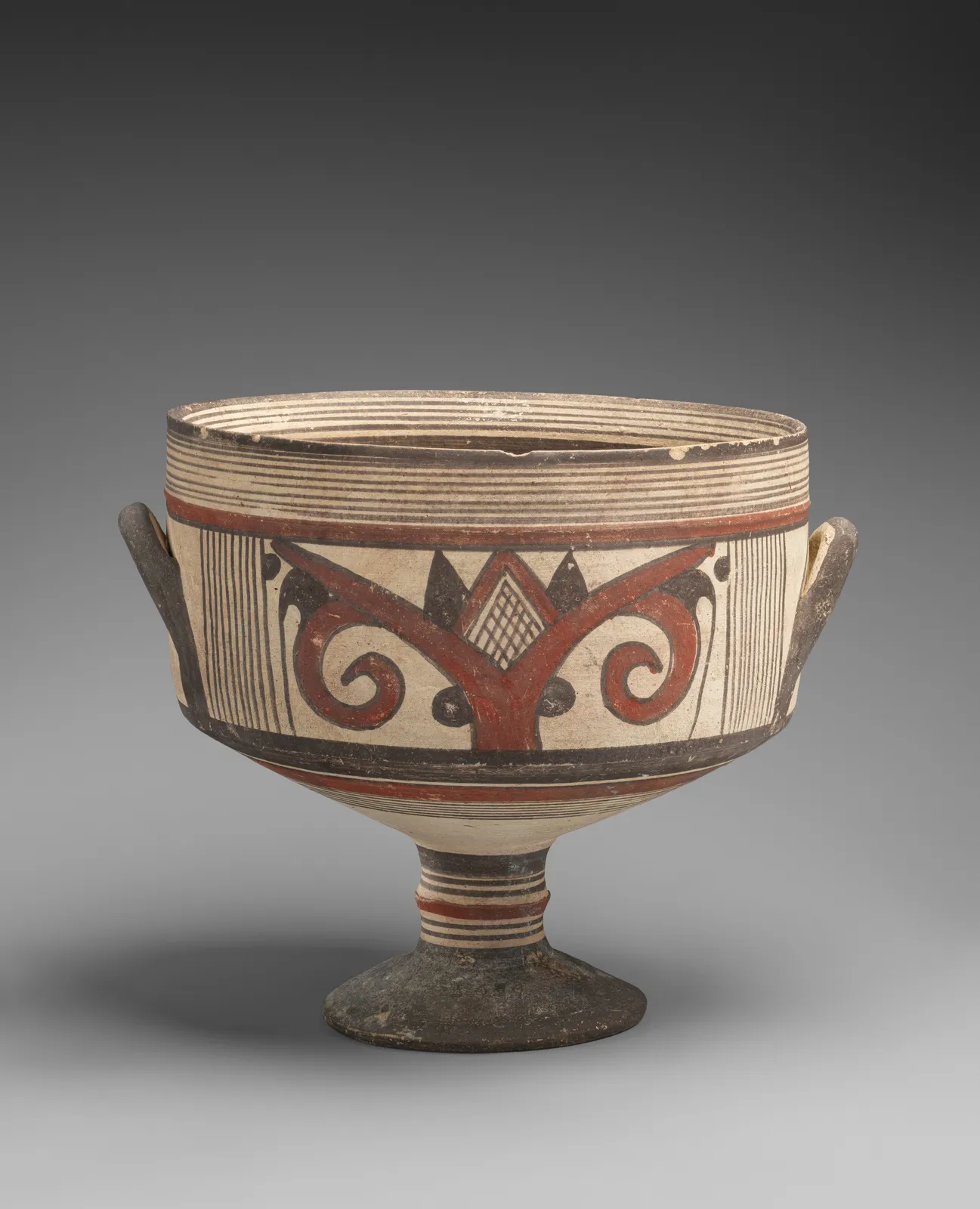
Ambrosia & Nectar
Keeps the gods ageless and deathless.