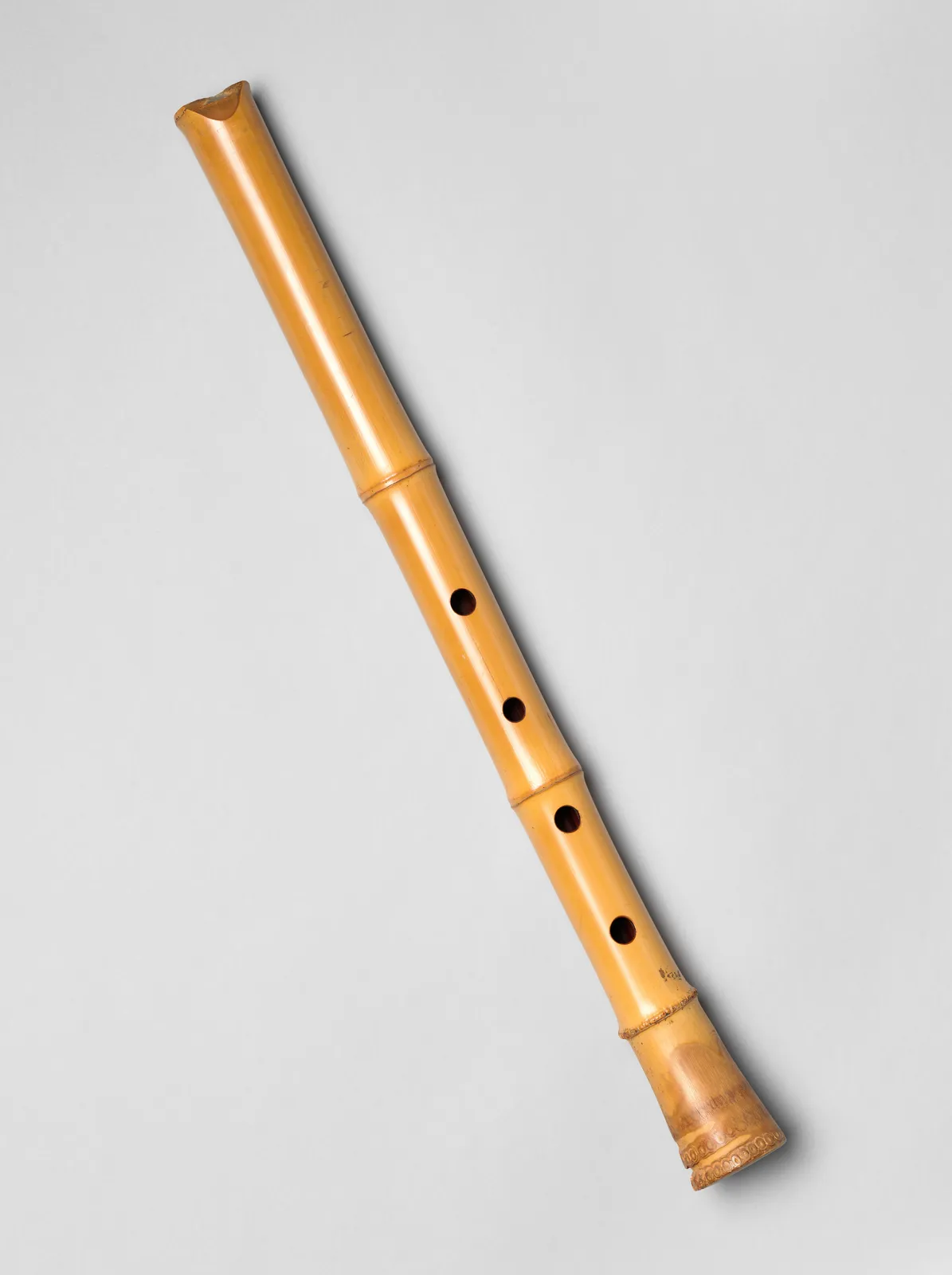
Korean
Manpasikjeok
萬波息笛
When played, enemy armies retreat, illness is cured, drought brings rain and rough waves grow calm.
TreasureFirst recorded 1281
Loading artifact…
Photograph: A composite of three photographs placed side by side: on the left an ancient East Asian dagger with a gold-decorated hilt, in the center a round bronze mirror with animal relief, on the right a bell-shaped bronze covered in blue-green patina.
Focus the photograph, then use the arrow keys to pan and the plus and minus keys to zoom. The buttons at the lower left also move it. Press a numbered button on the photograph to zoom to that note.
天符印
Proves its bearer has received heaven's mandate, and commands wind, rain and clouds.
According to the Gojoseon section of the Samguk Yusa, Hwanung, son of Hwanin the lord of heaven, often set his heart on the human world below. His father, knowing this, looked down on Samwi Taebaek, judged that it could bring wide benefit to humankind, and sent him down with three Cheonbuin.
Hwanung led three thousand followers to the sacred tree on the summit of Taebaek and called the place the City of God. With the wind lord Pungbaek, the rain master Usa and the cloud master Unsa, he took charge of grain and life, sickness and punishment, good and evil.
The record does not say what the Cheonbuin were. But because bronze swords, mirrors and bells are often buried together at Bronze Age sites on the Korean peninsula, the view that these three symbols of heavenly authority were the Cheonbuin is widely accepted.
This image is a composite made by the archive itself. Photographs of an ancient East Asian dagger, a bronze mirror in Han style and a Yayoi-period bronze bell are joined side by side to show "sword, mirror and bell" in one frame.
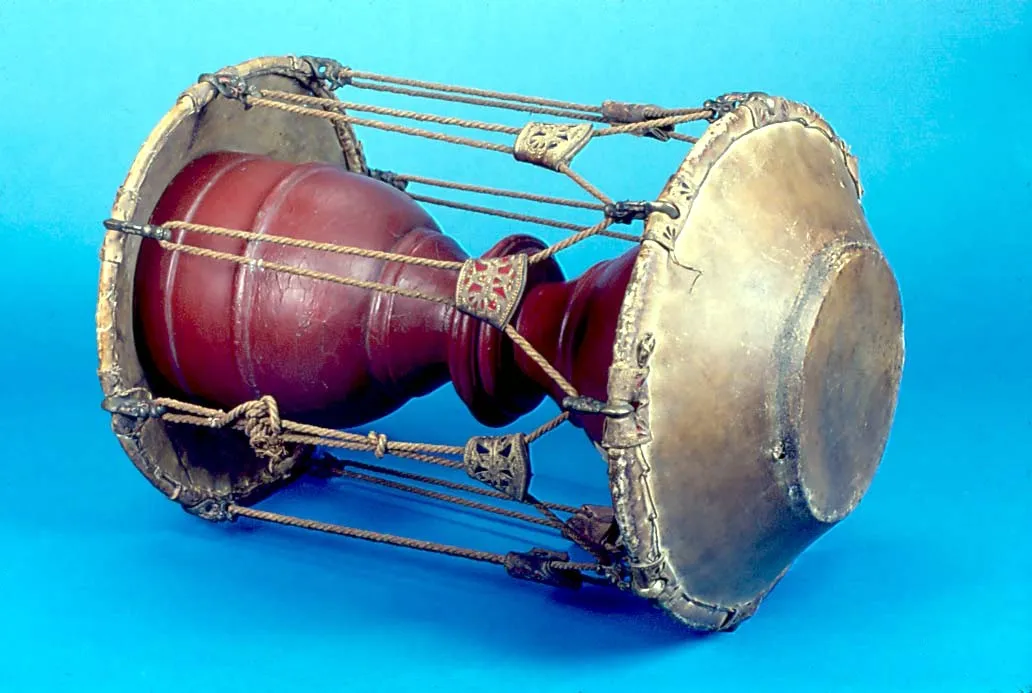
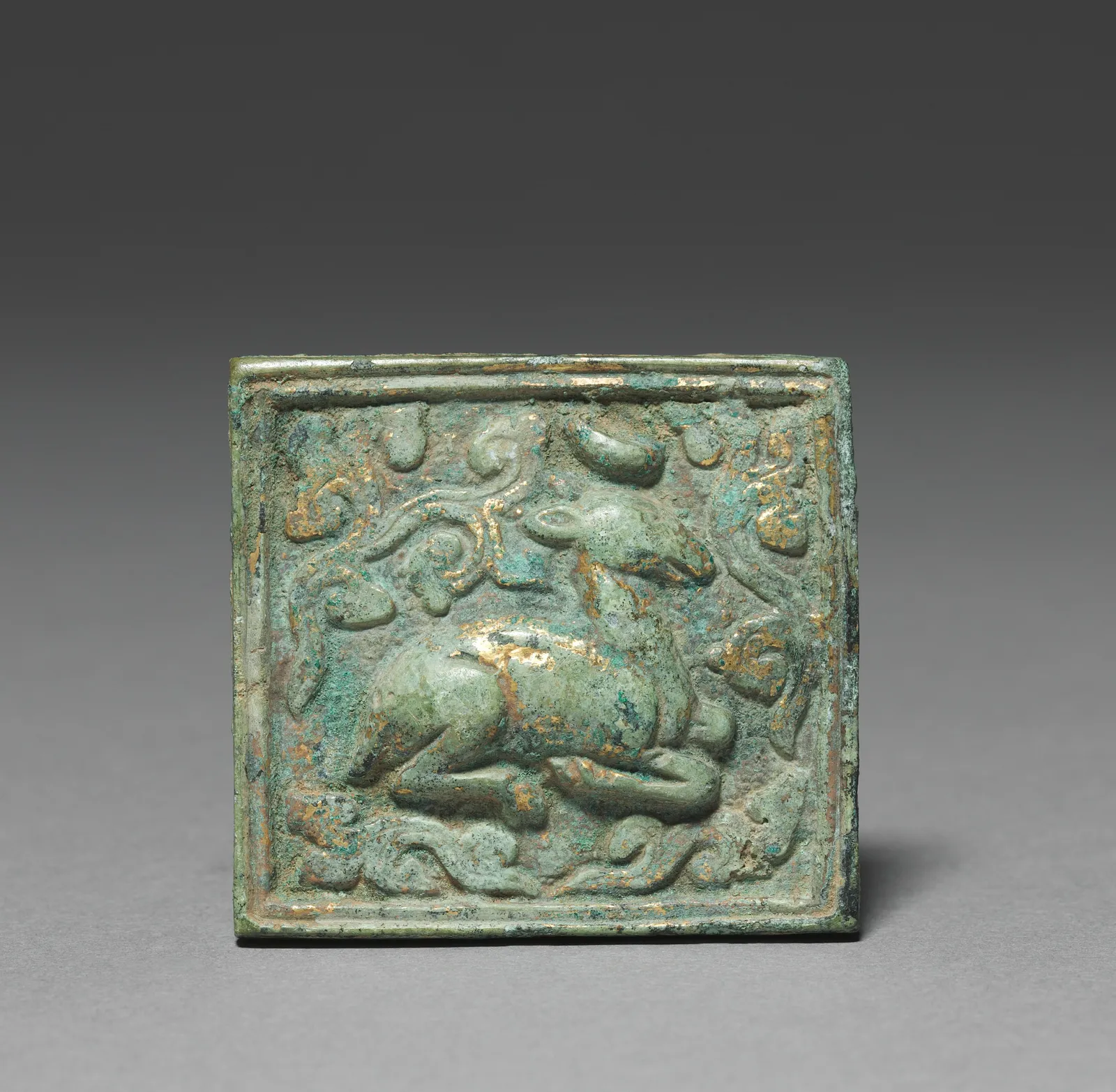
A composite image made by this archive from the 3 museum photographs below.
萬波息笛
When played, enemy armies retreat, illness is cured, drought brings rain and rough waves grow calm.
天賜玉帶
One of the three treasures of Silla. While it remained, no one dared attack the kingdom.