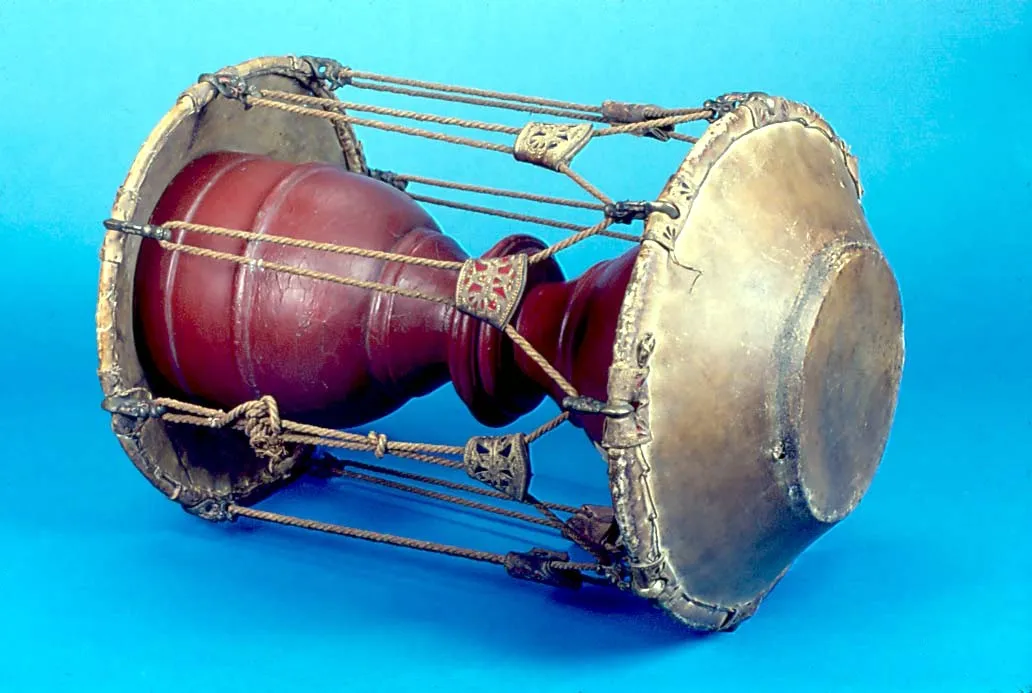
Korean
Loading artifact…
Photograph: A nineteenth-century Japanese shakuhachi, a vertical bamboo flute. The golden, jointed bamboo tube has finger holes and a thick lower end at the root.
Focus the photograph, then use the arrow keys to pan and the plus and minus keys to zoom. The buttons at the lower left also move it. Press a numbered button on the photograph to zoom to that note.
萬波息笛
When played, enemy armies retreat, illness is cured, drought brings rain and rough waves grow calm.
In 682, King Sinmun of Silla received word that a small mountain was floating back and forth in the East Sea toward Gameunsa Temple. On it grew a bamboo that split in two by day and became one by night.
When the king sailed to the mountain a dragon appeared and offered him a black jade belt. The dragon said that bamboo makes sound only when joined, and that King Munmu, now a dragon of the sea, and Kim Yusin, now a god of heaven, had joined their hearts to send this treasure. The king cut the bamboo, made a flute and stored it in the Cheonjon storehouse of Wolseong.
When this flute was played, enemy armies withdrew, illness was cured, rain came in drought and skies cleared in floods, the wind died and the waves grew calm. So it was named Manpasikjeok, the flute that puts ten thousand waves to rest.
The photograph shows a shakuhachi, a nineteenth-century Japanese vertical bamboo flute. The thick root end and nodes recall the bamboo in the story of Manpasikjeok that sounds only when joined.
The photograph shows Shakuhachi(Japanese, 19th century), a real museum object that evokes the legendary artifact.
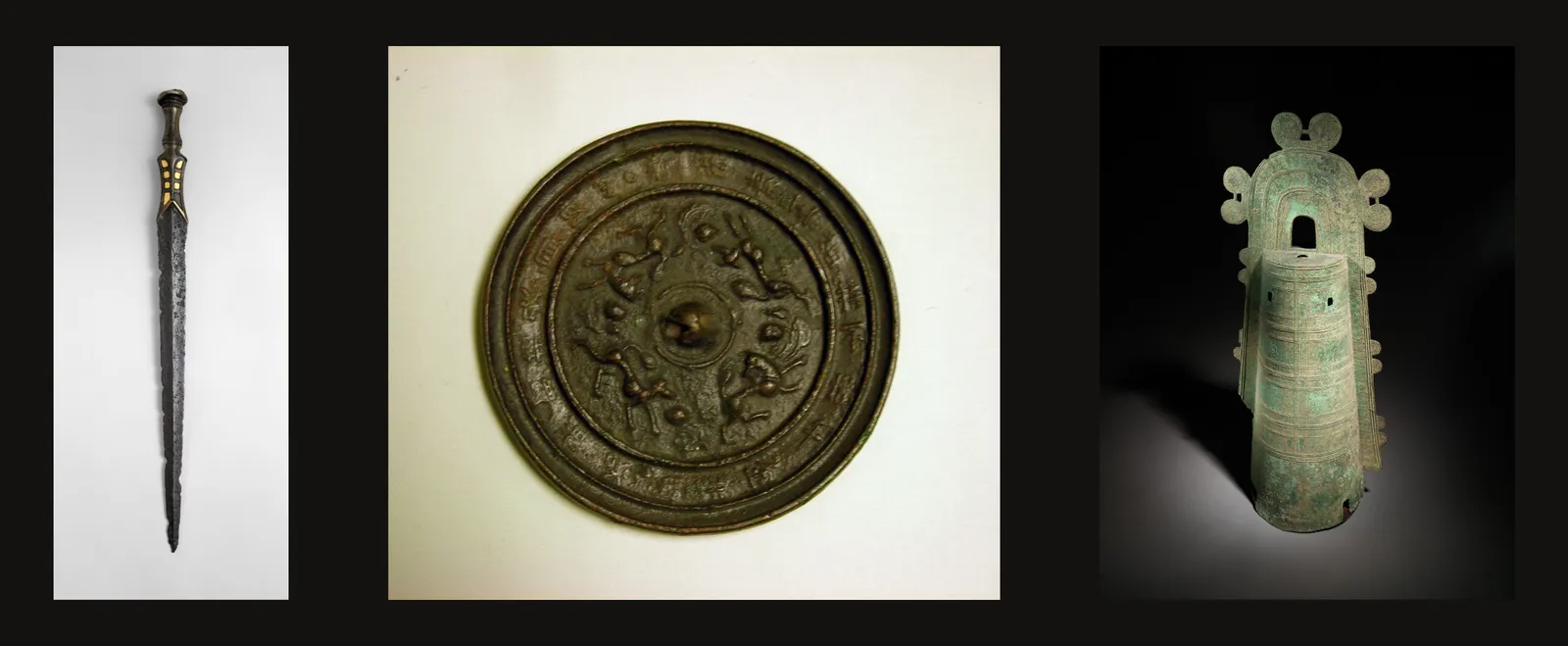
天符印
Proves its bearer has received heaven's mandate, and commands wind, rain and clouds.
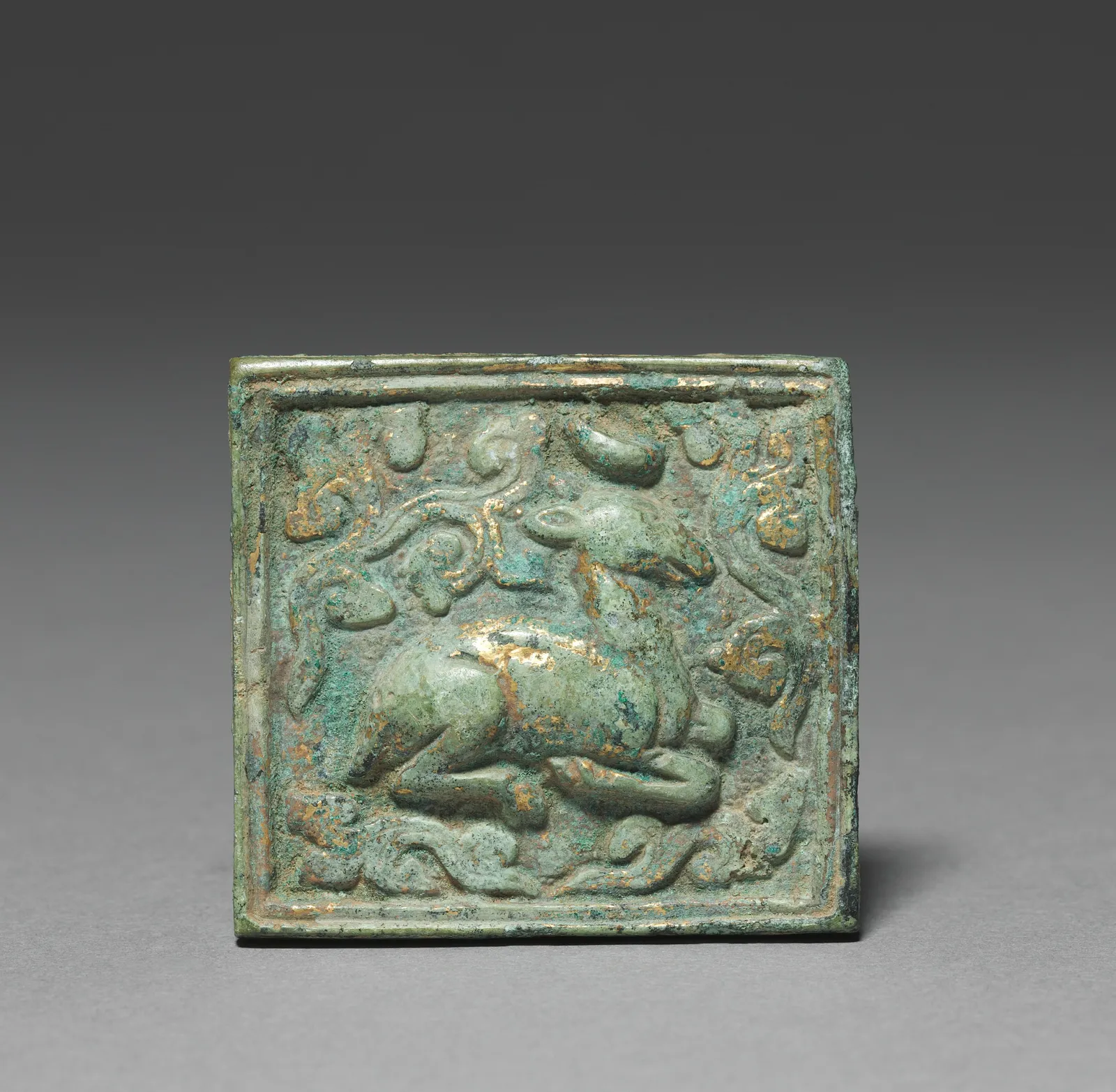
天賜玉帶
One of the three treasures of Silla. While it remained, no one dared attack the kingdom.