Norse & Germanic
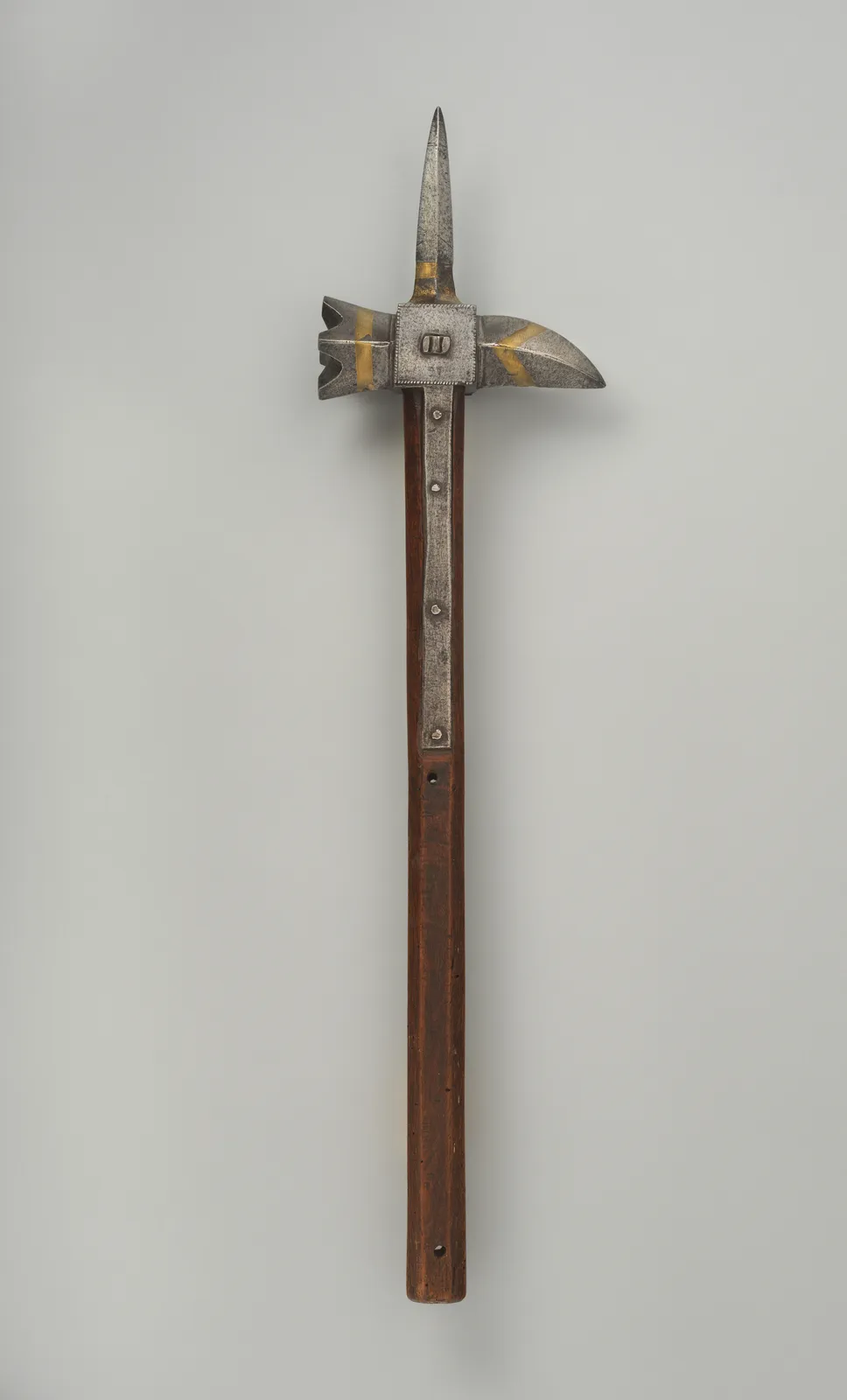
Mjölnir
Mjölnir
Smashes anything, and returns to its owner's hand when thrown.
WeaponFirst recorded 1220
Loading artifact…
Photograph: A tenth-century Scandinavian Viking sword with a straight double-edged blade, short guard, and a grip decorated with copper and silver.
Focus the photograph, then use the arrow keys to pan and the plus and minus keys to zoom. The buttons at the lower left also move it. Press a numbered button on the photograph to zoom to that note.
Gram
Splits an anvil in two and pierces a dragon's heart.
A huge tree grew at the center of King Völsung's hall. On the night of a wedding feast, a one-eyed stranger came in, drove a sword deep into the trunk, said that whoever drew it would own it, and vanished. The stranger was Odin, and only Völsung's son Sigmund could pull the sword free.
In Sigmund's last battle Odin appeared again and held out his spear, and the sword snapped in two. Sigmund's wife kept the pieces and passed them to their son Sigurd.
The smith Regin melted the fragments into a new blade. When Sigurd tested it the anvil split down to its block, and a tuft of wool drifting on the river parted when it touched the edge. With this sword Sigurd stabbed the gold-guarding dragon Fafnir from below. In the German Nibelungenlied and Wagner's operas the same sword appears as Balmung and Nothung.
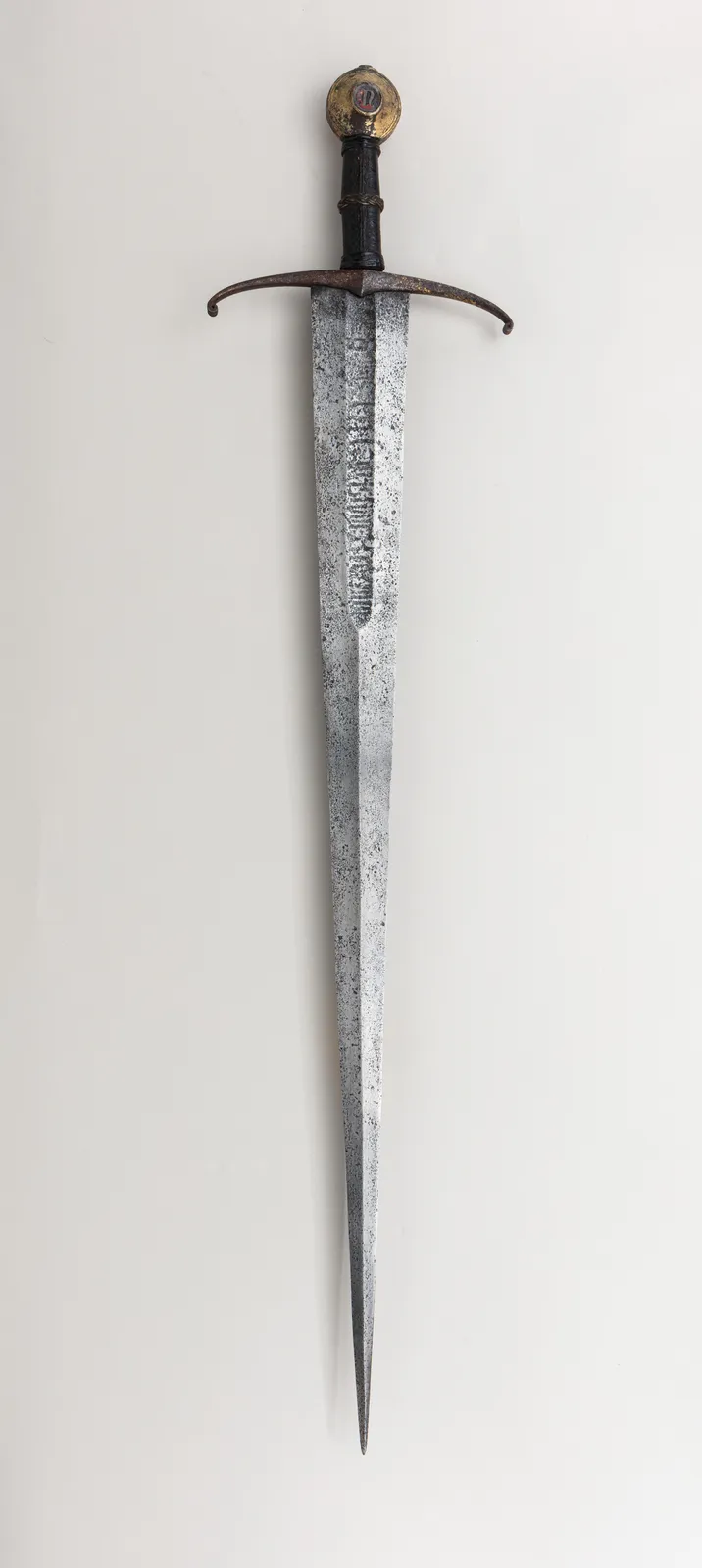
The photograph shows Viking Sword(European, probably Scandinavia, 10th century), a real museum object that evokes the legendary artifact.
Mjölnir
Smashes anything, and returns to its owner's hand when thrown.
Ealdsweord eotenisc
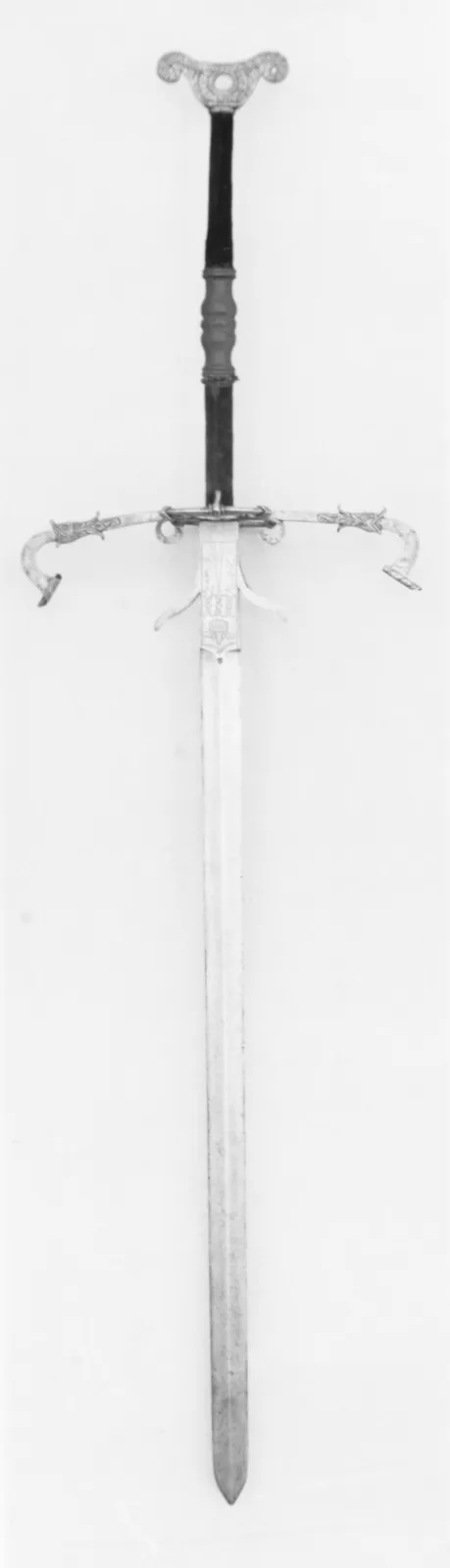
So large an ordinary man could not lift it. Its blade melted in the monster's blood.
Hrunting
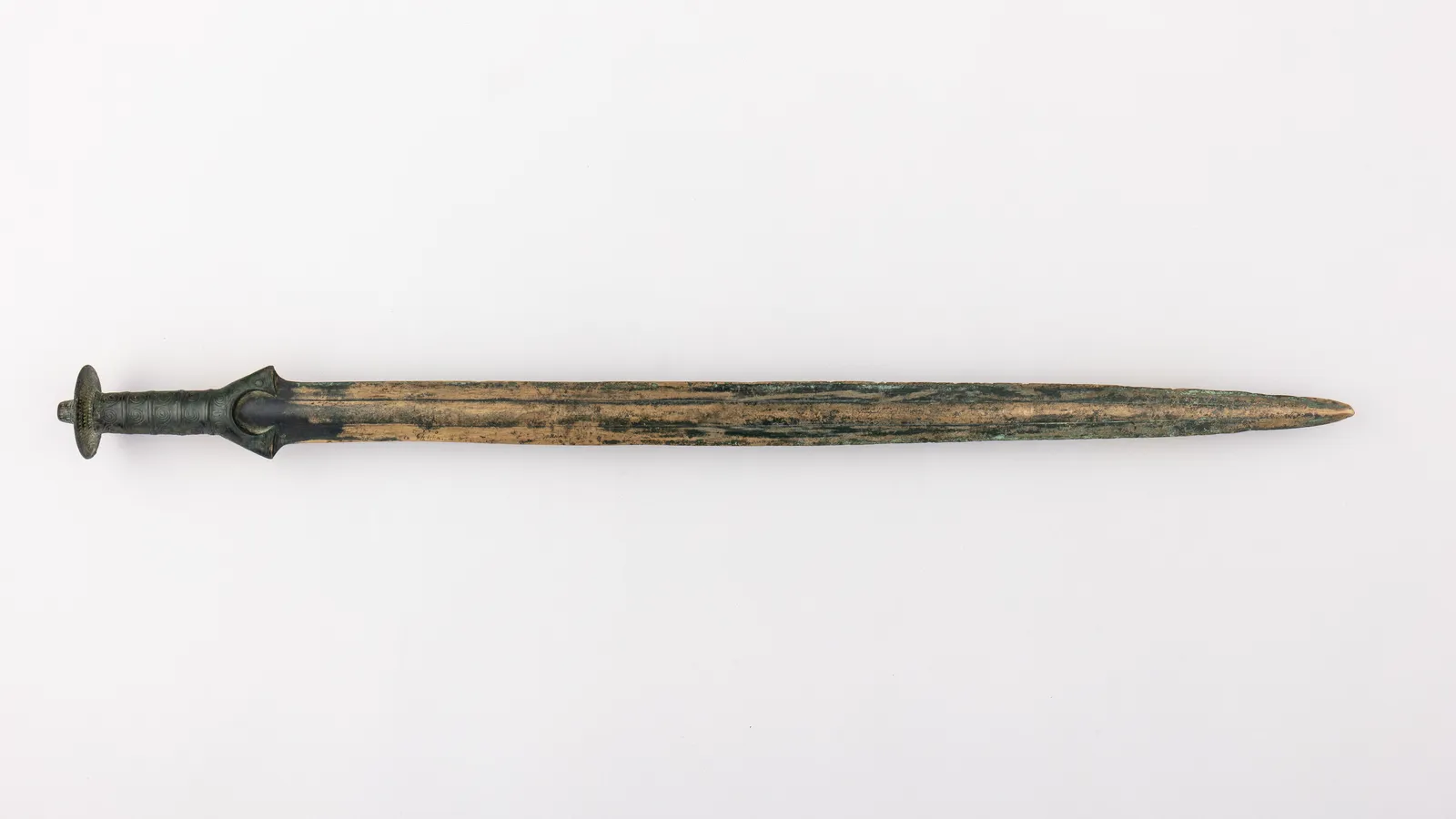
A patterned steel blade steeped in venom. It had never failed in battle.