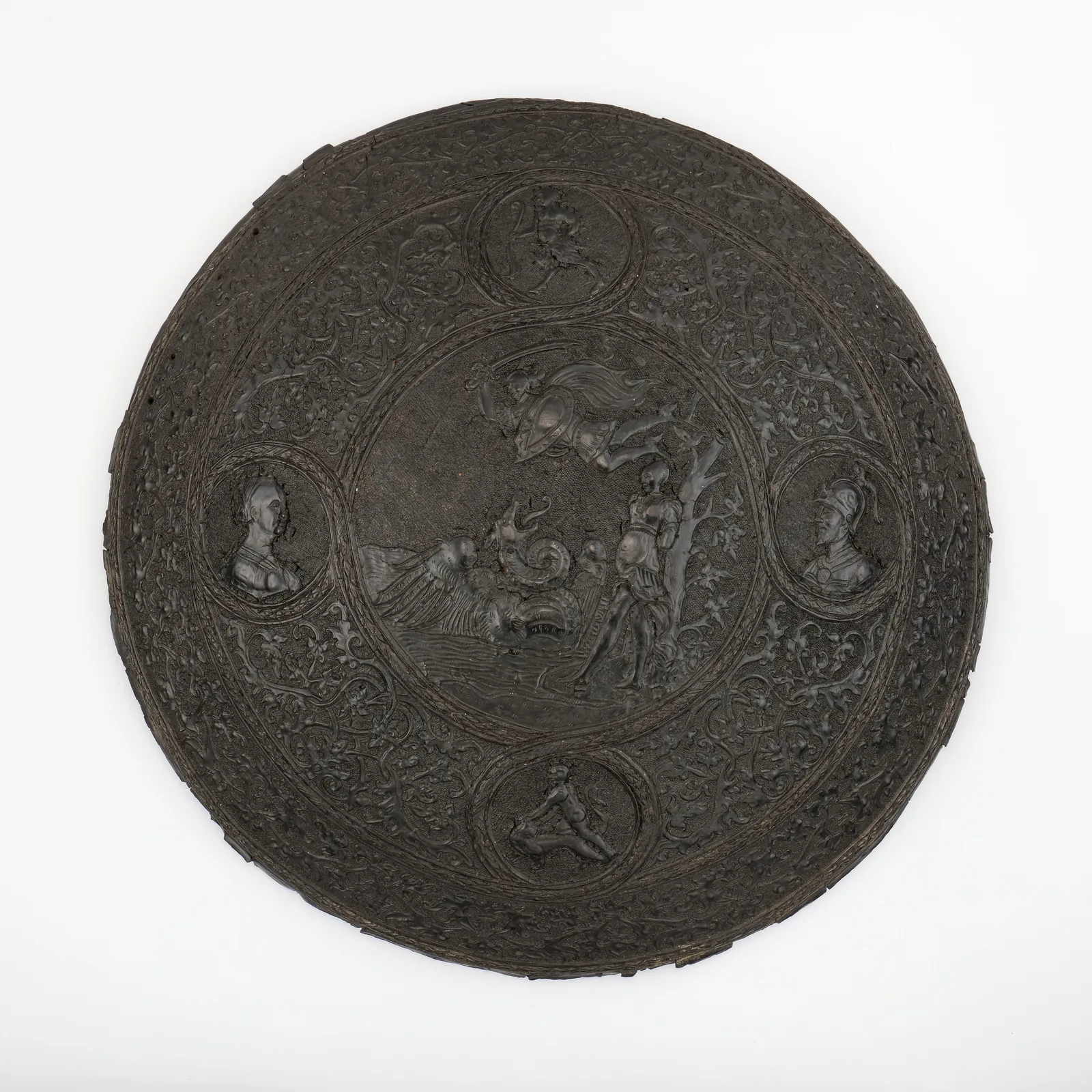
Greek
Aegis
Aegis (Αἰγίς)
Shaken, it raises storms and sends enemy armies fleeing in terror.
ArmorFirst recorded c. 750 BCE
Loading artifact…
Photograph: A Roman bronze statuette of the first to second century CE. A winged boy, Eros, strides forward holding what appears to be a long bow in his left hand with his right arm raised high.
Focus the photograph, then use the arrow keys to pan and the plus and minus keys to zoom. The buttons at the lower left also move it. Press a numbered button on the photograph to zoom to that note.
Arrows of Eros
A gold arrow makes one fall in love, a lead arrow makes one flee from it.
In Ovid's Metamorphoses, Apollo, having shot the serpent Python, mocks young Eros's skill with the bow. Angered, Eros takes out two arrows: a sharp gold one that kindles love and a blunt lead one that puts it to flight.
He shoots Apollo with the gold arrow and the nymph Daphne with the lead. Apollo falls in love with Daphne, but she flees him and, praying to her river-god father, turns into a laurel tree.
Apollo wove a crown of laurel leaves to wear, and the laurel wreath became a symbol of victory and honor.
The photograph shows Bronze statuette of Eros running(Roman, 1st–2nd century CE), a real museum object that evokes the legendary artifact.
Aegis (Αἰγίς)
Shaken, it raises storms and sends enemy armies fleeing in terror.
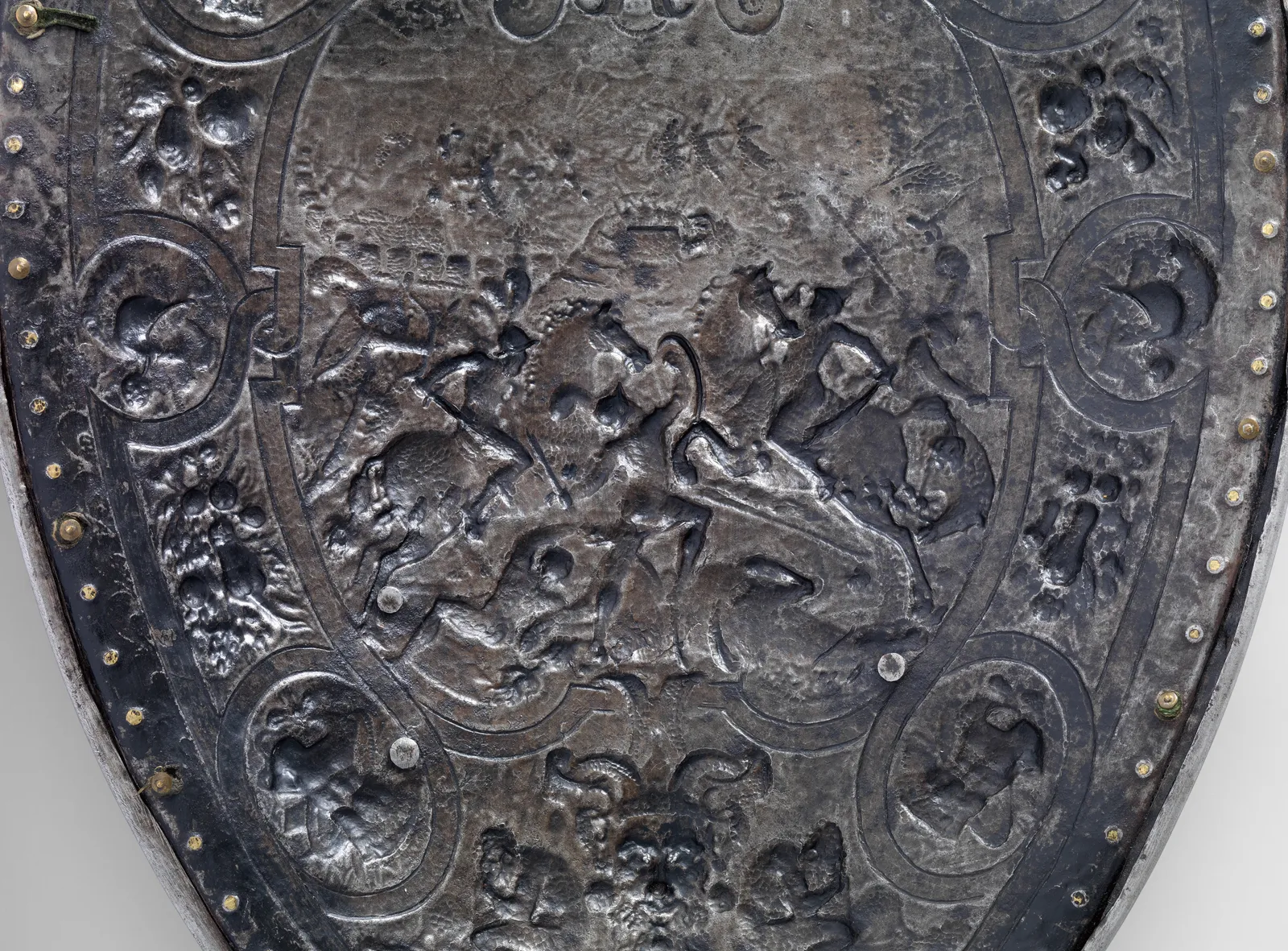
Shield of Achilles
A shield of five layers forged by a god, with the whole world engraved on its face.
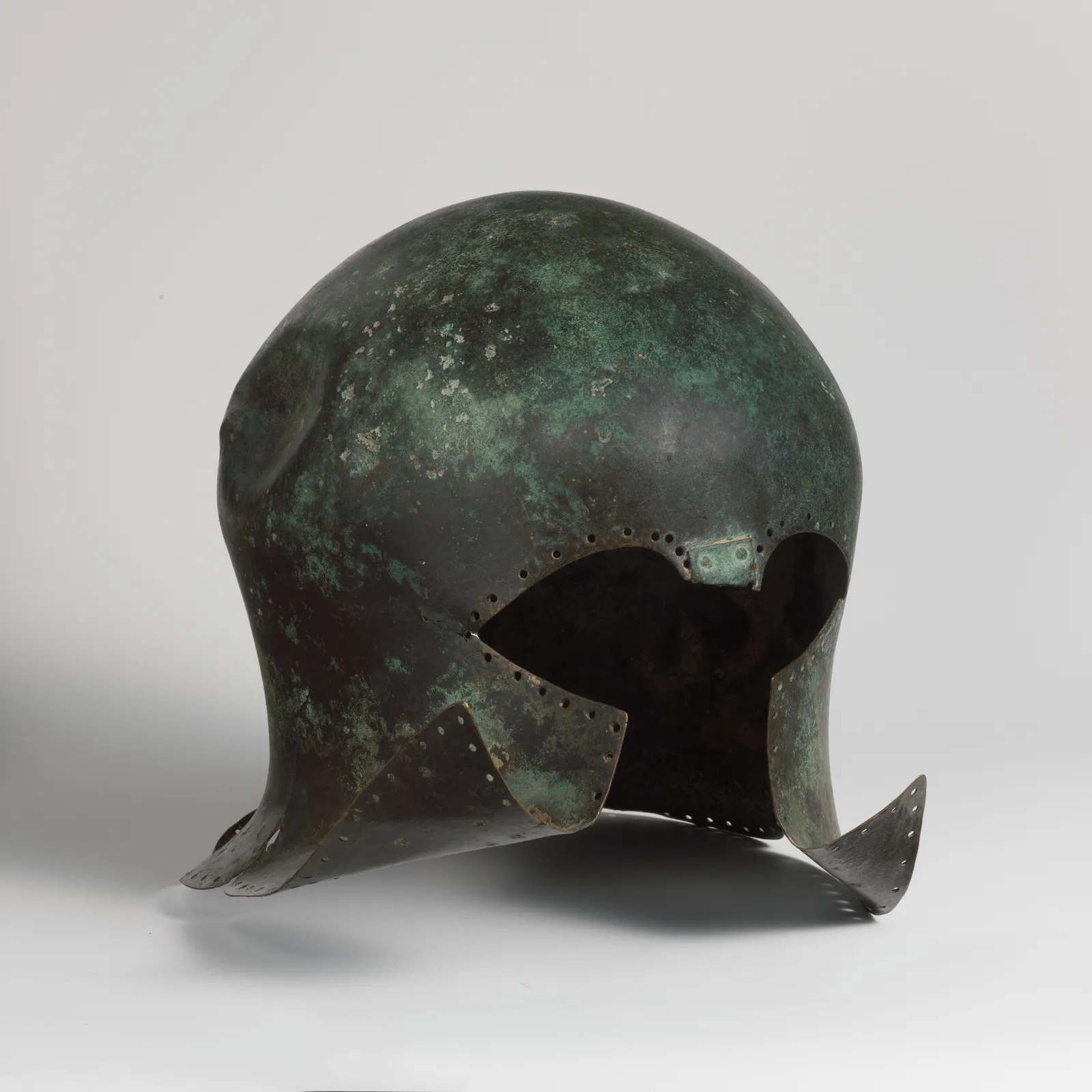
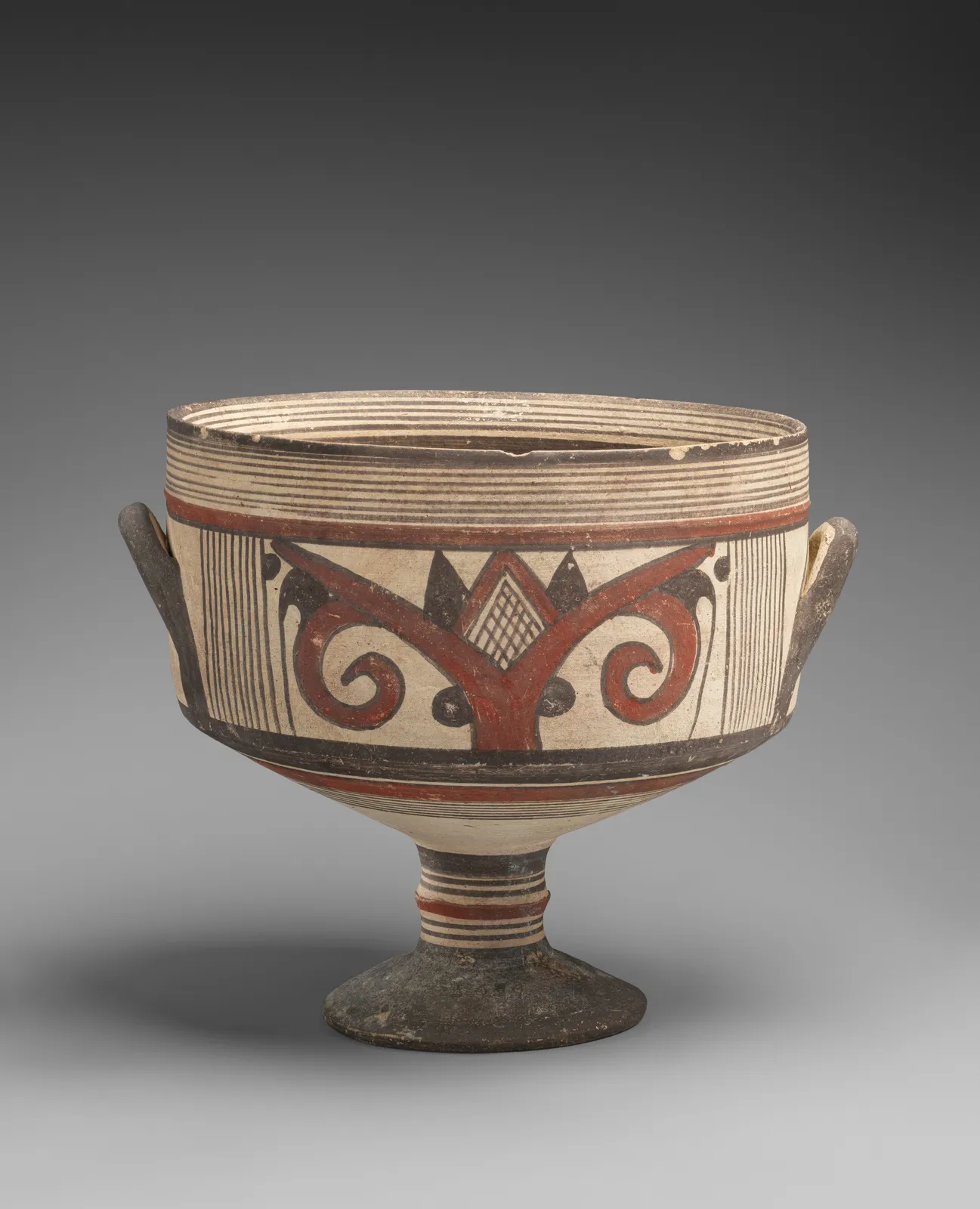
Ambrosia & Nectar
Keeps the gods ageless and deathless.