Sacred Relics
Sling of David
Sling of David
With one smooth stone chosen from a brook, it brought down the giant Goliath.
WeaponFirst recorded c. 600 BCE
Loading artifact…
Photograph: A black-and-white photograph of the tapestry Moses Striking the Rock, woven in Florence, Italy, about 1650–57. In the center Moses strikes a rock with his rod as people gather around; at the top is a panel with a Latin inscription, and the sides are decorated with columns and cherubs.
Focus the photograph, then use the arrow keys to pan and the plus and minus keys to zoom. The buttons at the lower left also move it. Press a numbered button on the photograph to zoom to that note.
Rod of Moses
Thrown down it becomes a serpent; stretched over the sea it parts the waters; struck against a rock it brings forth water.
While tending sheep in the land of Midian, Moses saw on Mount Horeb a bush that burned but was not consumed. God called him to lead the Israelites out of Egypt and asked what was in his hand. When Moses threw down his shepherd's staff it became a serpent, and when he caught it by the tail it became a staff again.
Before Pharaoh, the staff Aaron threw down became a serpent and swallowed the serpents of the Egyptian magicians. When Moses struck the Nile with the staff its water turned to blood, and ten plagues fell on Egypt. Standing at the Red Sea with the Egyptian army behind them, Moses raised his staff and stretched his hand over the sea, and the waters parted to open a dry path.
In the wilderness, when the people were thirsty, Moses struck a rock with his staff and water came out. In the Book of Numbers, Aaron's staff sprouted, blossomed and bore almonds overnight, and it was kept before the Ark of the Covenant.
The photograph shows Moses Striking the Rock from a set of the Life of Moses(Agostino Melissi, ca. 1650–57), a real museum object that evokes the legendary artifact.
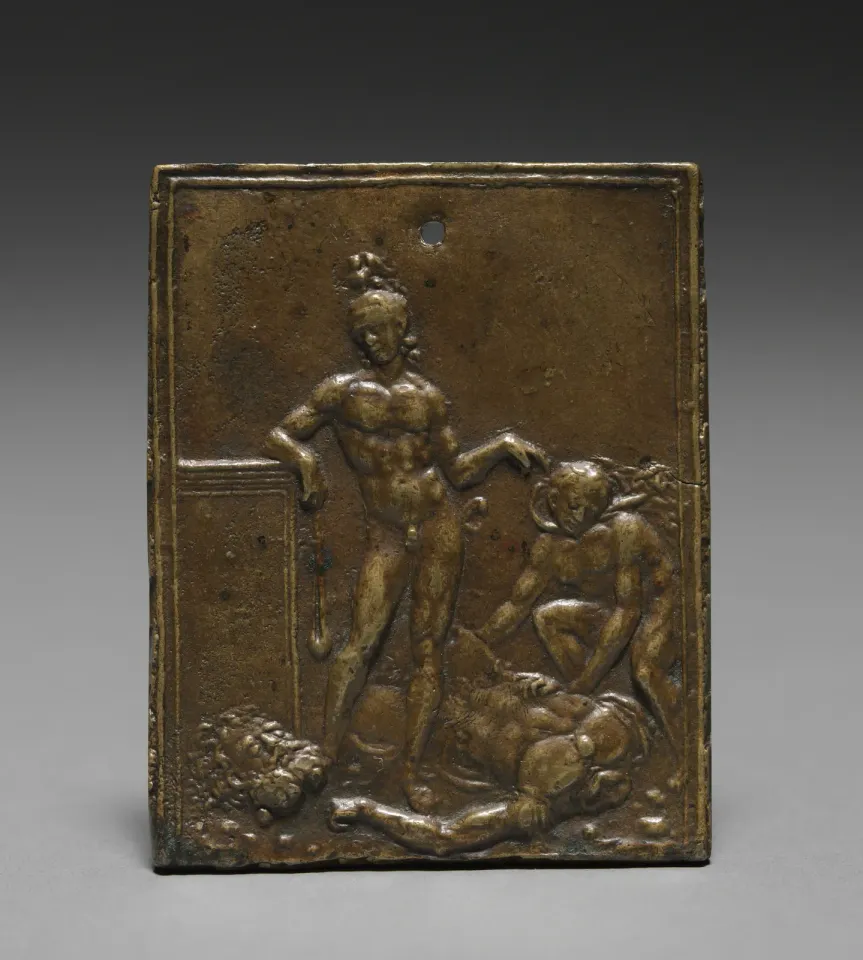
Sling of David
With one smooth stone chosen from a brook, it brought down the giant Goliath.
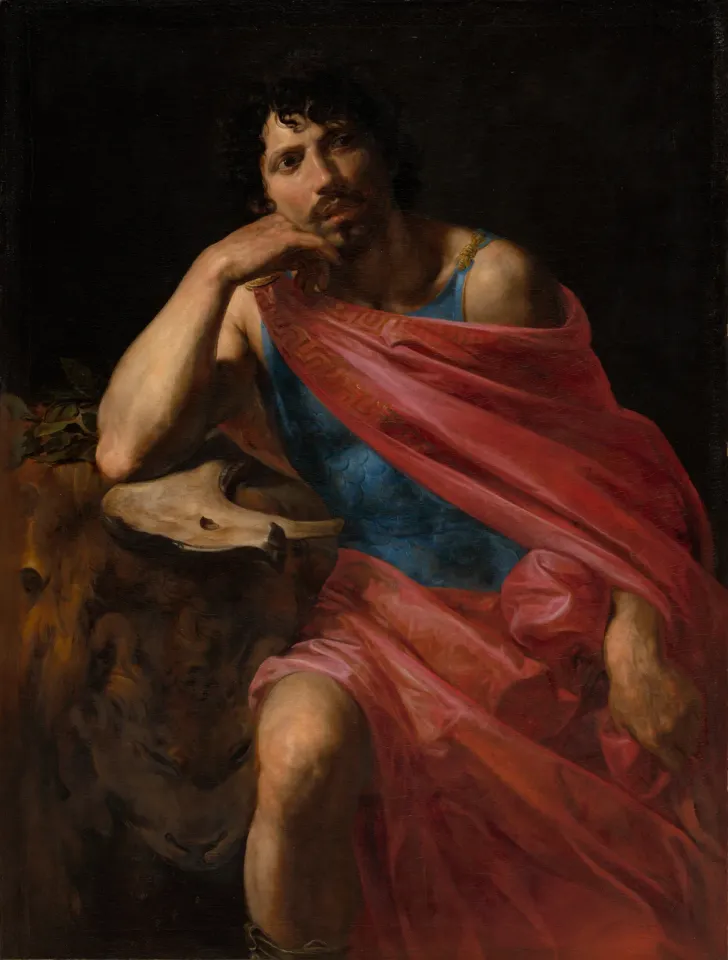
Jawbone of an Ass
With the jawbone of a newly dead donkey he struck down a thousand Philistines.
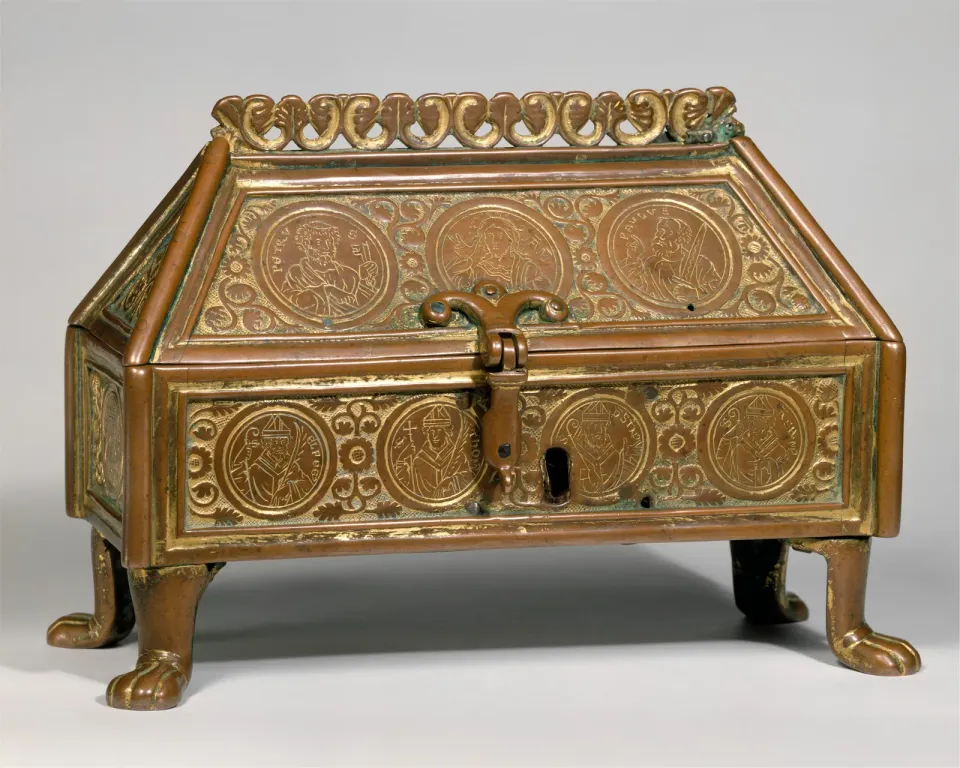
Ark of the Covenant
The seat of God's presence. Carried before the people, it parted the Jordan and brought down the walls of Jericho.
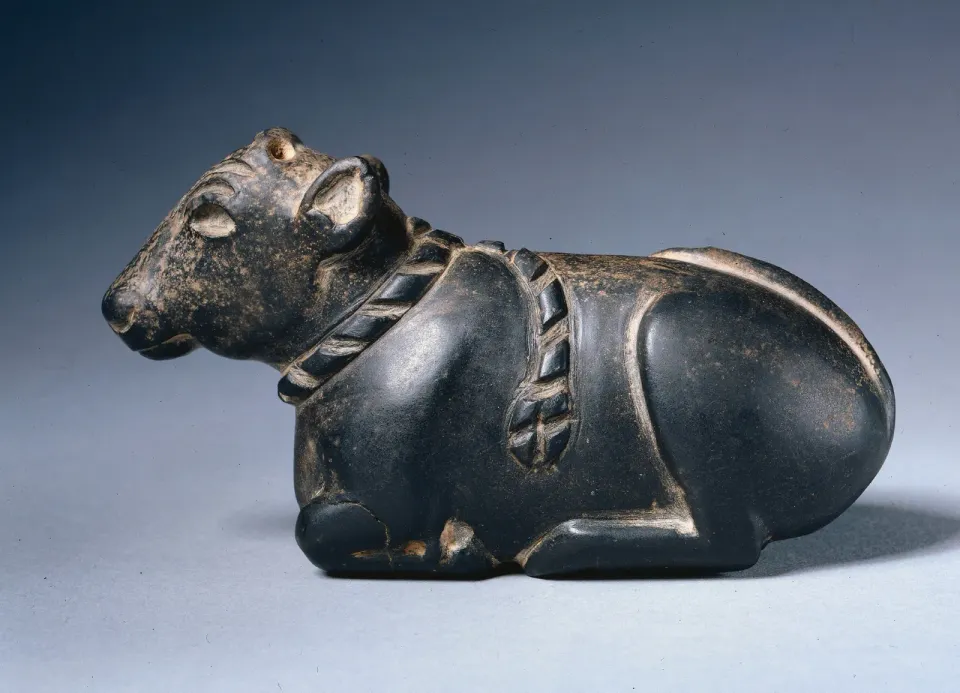
The Golden Calf
The idol the people worshiped as the god who had brought them out of Egypt.