Sacred Relics
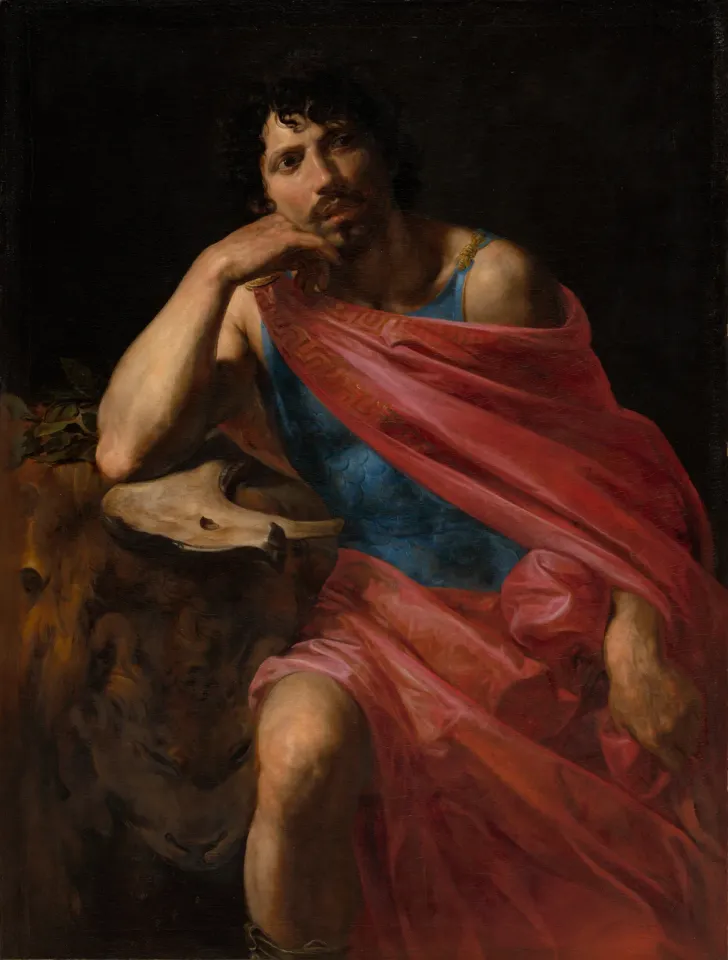
Jawbone of Samson
Jawbone of an Ass
With the jawbone of a newly dead donkey he struck down a thousand Philistines.
WeaponFirst recorded c. 600 BCE
Loading artifact…
Photograph: Alexander the Great and the High Priest of Jerusalem, an engraving made in Italy in the mid-1540s. Alexander in armor kneels, and the high priest in a tall headdress stands before him with a raised hand. A domed temple appears behind.
Focus the photograph, then use the arrow keys to pan and the plus and minus keys to zoom. The buttons at the lower left also move it. Press a numbered button on the photograph to zoom to that note.
Hoshen
The high priest wore it on his chest before God, and with the Urim and Thummim placed in it he sought God's will.
In the Book of Exodus, God gives Moses detailed instructions for the holy garments that Aaron, the high priest, is to wear. One of them is the breastpiece worn on the chest. It was woven of gold, blue, purple and scarlet yarn and fine twisted linen, a span square, and set with four rows of stones.
There were twelve stones, three to a row, and each was engraved like a seal with the name of one of the twelve tribes of Israel. When the high priest entered the sanctuary he wore this breastpiece, bearing the names of the people on his heart before God. Inside it were placed the Urim and Thummim, used to inquire of God's will.
The holy garments, the breastpiece among them, were made by the craftsman Bezalel. The first-century Jewish historian Josephus wrote that the stones of the breastpiece shone when God was present, and he also told how Alexander the Great, arriving at Jerusalem, saw the high priest in his vestments and bowed down before him.
The photograph shows Alexander the Great and the High Priest of Jerusalem(Italy, mid 1540s), a real museum object that evokes the legendary artifact.
Jawbone of an Ass
With the jawbone of a newly dead donkey he struck down a thousand Philistines.
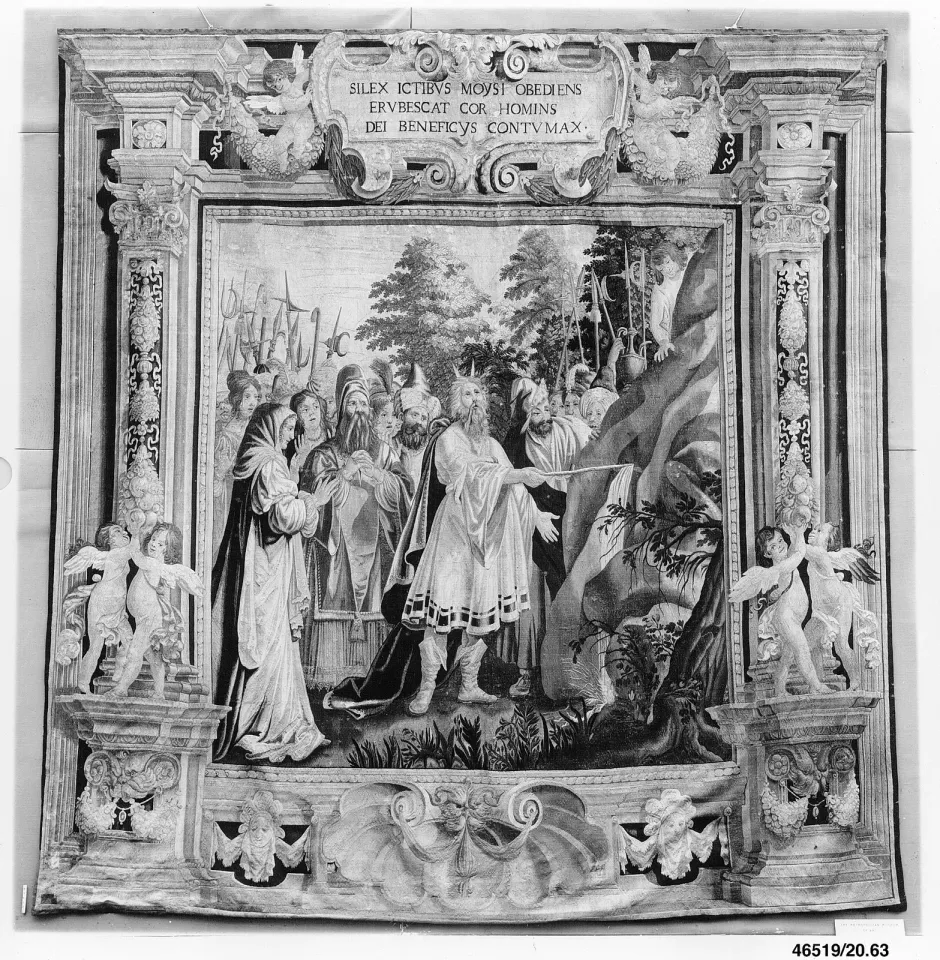
Rod of Moses
Thrown down it becomes a serpent; stretched over the sea it parts the waters; struck against a rock it brings forth water.
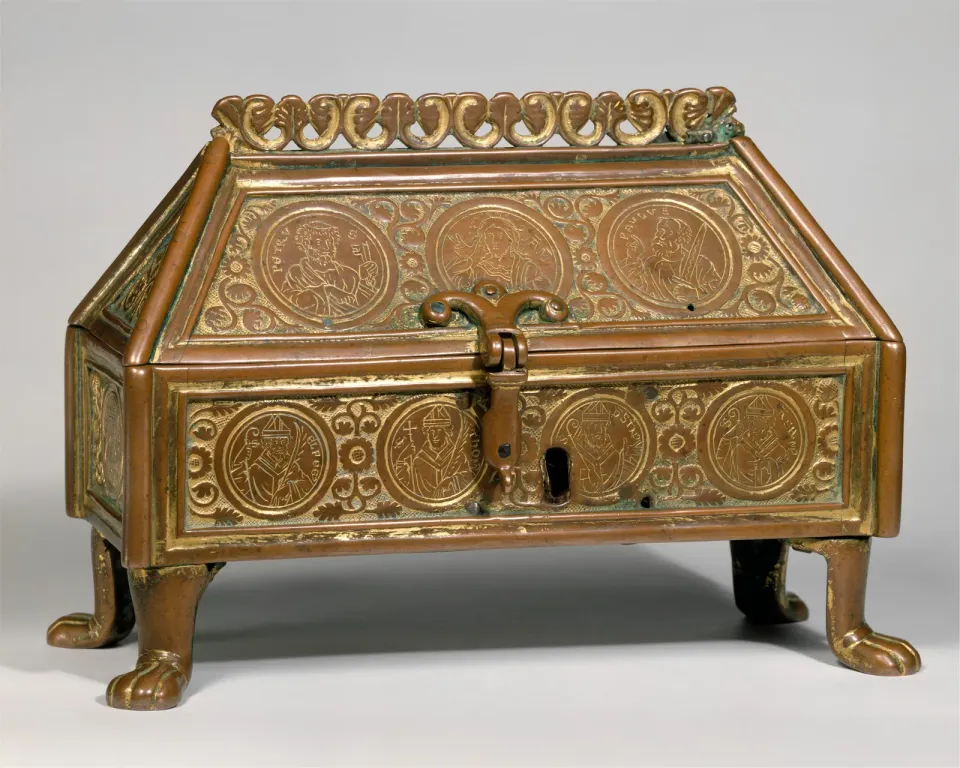
Ark of the Covenant
The seat of God's presence. Carried before the people, it parted the Jordan and brought down the walls of Jericho.
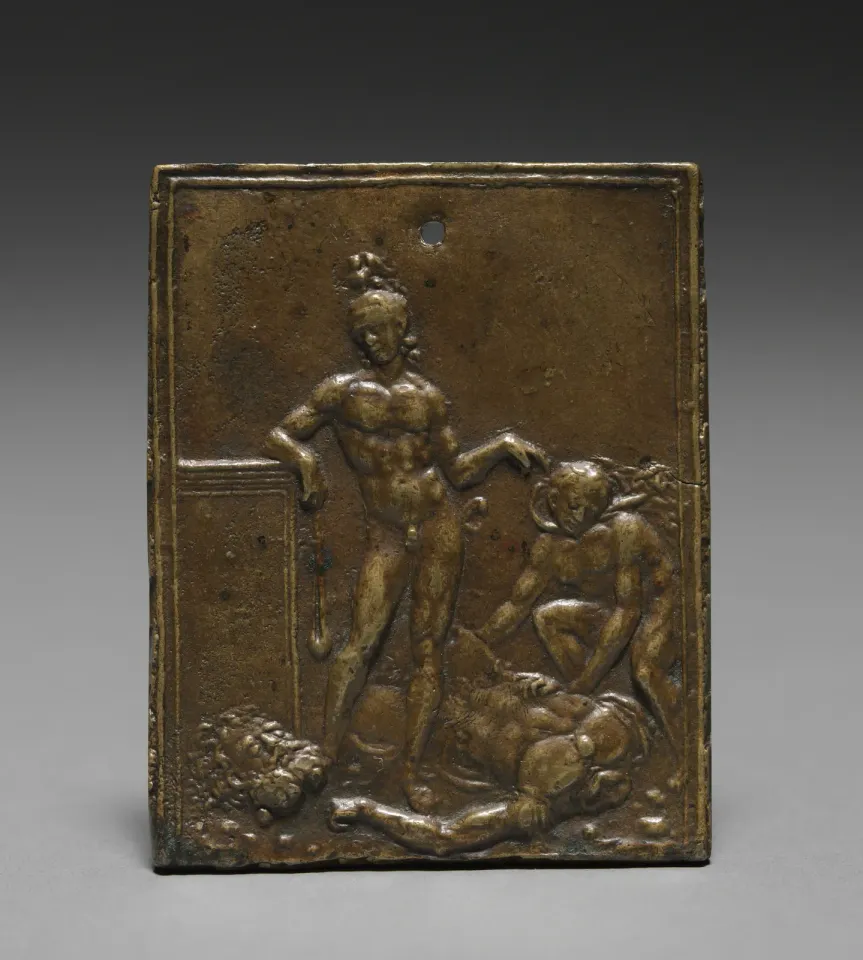
Sling of David
With one smooth stone chosen from a brook, it brought down the giant Goliath.