Sacred Relics
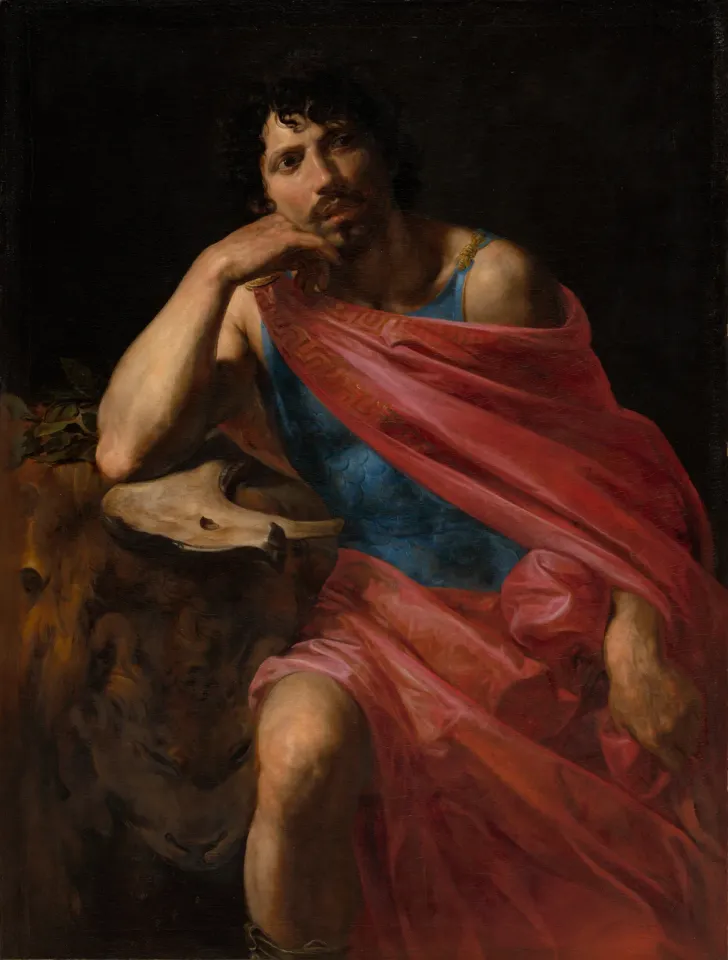
Jawbone of Samson
Jawbone of an Ass
With the jawbone of a newly dead donkey he struck down a thousand Philistines.
WeaponFirst recorded c. 600 BCE
Loading artifact…
Photograph: The right wing of a diptych painted in tempera and gold on oak in Styria, Austria, about 1400. Above, two men press the crown of thorns onto the head of the seated Christ with crossed staves; below, Christ prays in the garden while his disciples sleep.
Focus the photograph, then use the arrow keys to pan and the plus and minus keys to zoom. The buttons at the lower left also move it. Press a numbered button on the photograph to zoom to that note.
Crown of Thorns
A crown woven to mock a king, yet every one of its thorns came to be venerated as a relic.
According to the Gospel of Mark, the Roman soldiers who took Jesus clothed him in purple, wove a crown of thorns and put it on him. They saluted him, "Hail, King of the Jews!", struck his head with a reed and spat on him. It was a crown meant to mock a king.
The crown later became one of the most precious relics. There are records of pilgrims venerating it in Jerusalem in the early fifth century, and later it was kept in the imperial palace of Constantinople. In 1238, when Baldwin II, the impoverished emperor of the Latin Empire, pawned it to Venetian merchants, King Louis IX of France paid the debt and brought it to Paris.
Louis IX built the Sainte-Chapelle, enclosed in stained glass, within his palace to house the crown. Thorns taken from it were distributed among reliquaries all over Europe. The crown, kept in the Cathedral of Notre-Dame, was rescued from the flames of the 2019 fire.
The photograph shows Diptych with the Passion of Christ (right wing): Crowning with Thorns and Agony on the Garden(Austria, Styria, 15th century, c. 1400), a real museum object that evokes the legendary artifact.
Jawbone of an Ass
With the jawbone of a newly dead donkey he struck down a thousand Philistines.
Rod of Moses
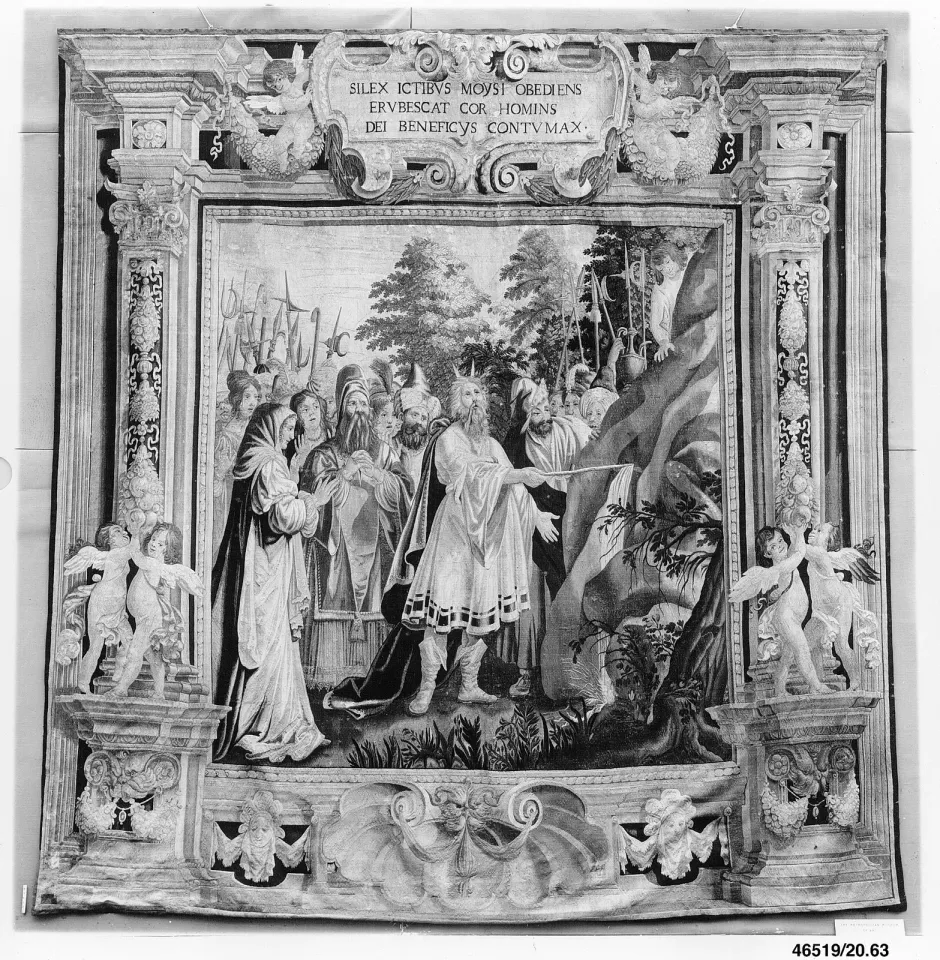
Thrown down it becomes a serpent; stretched over the sea it parts the waters; struck against a rock it brings forth water.
Ark of the Covenant
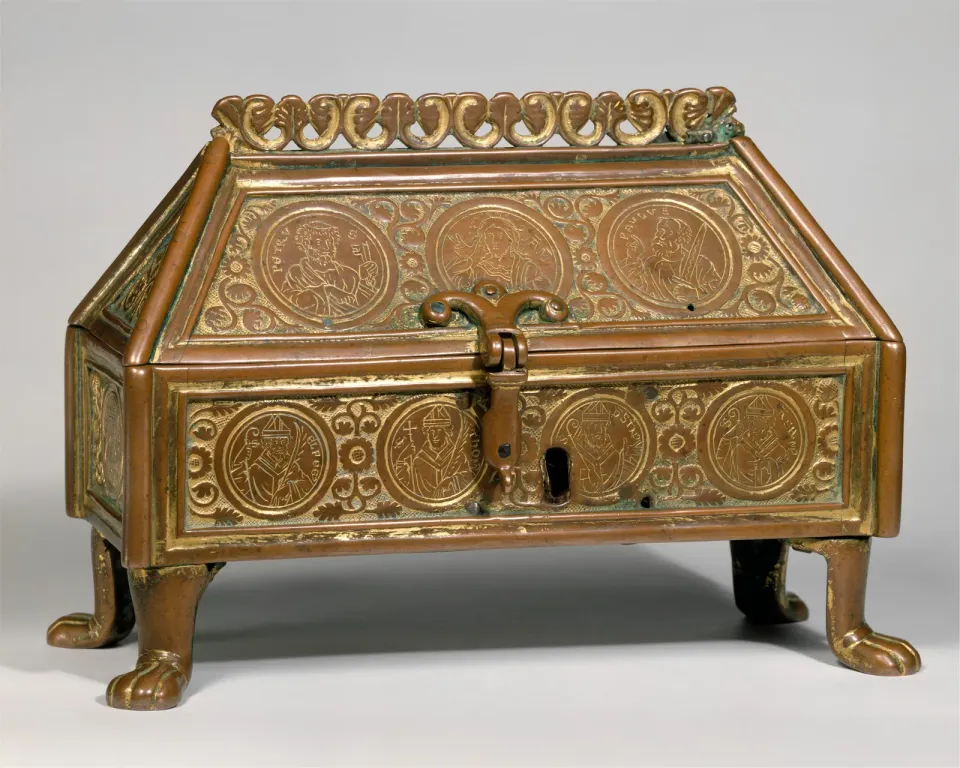
The seat of God's presence. Carried before the people, it parted the Jordan and brought down the walls of Jericho.
Sling of David
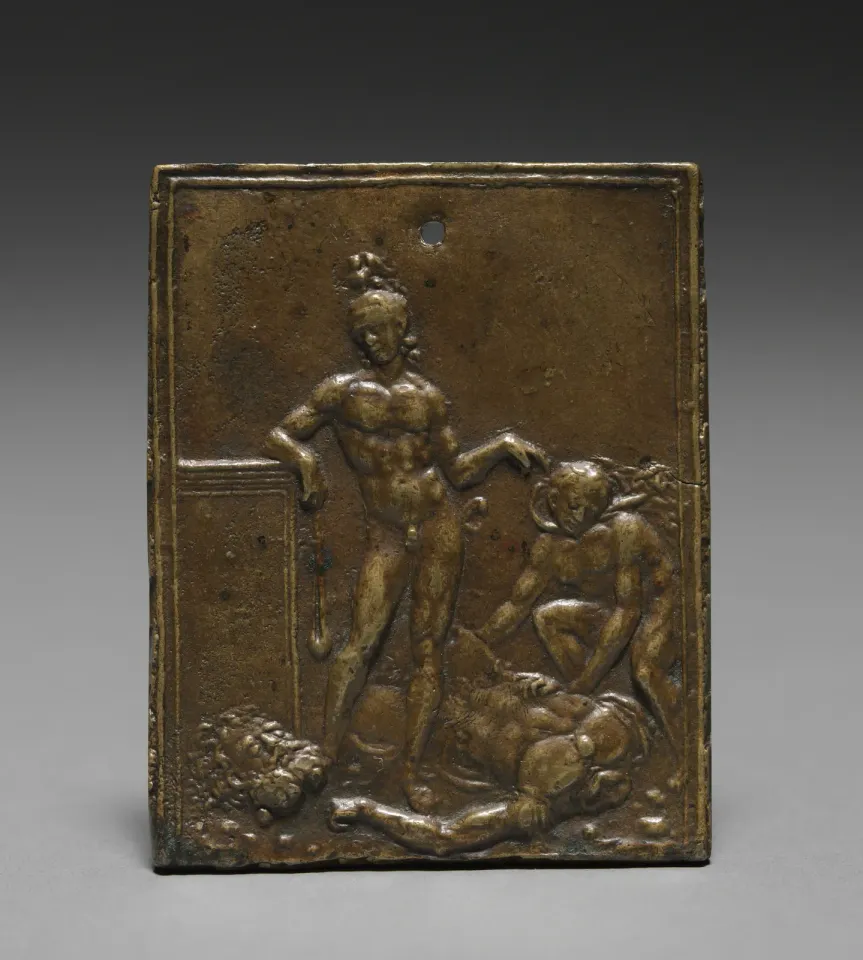
With one smooth stone chosen from a brook, it brought down the giant Goliath.