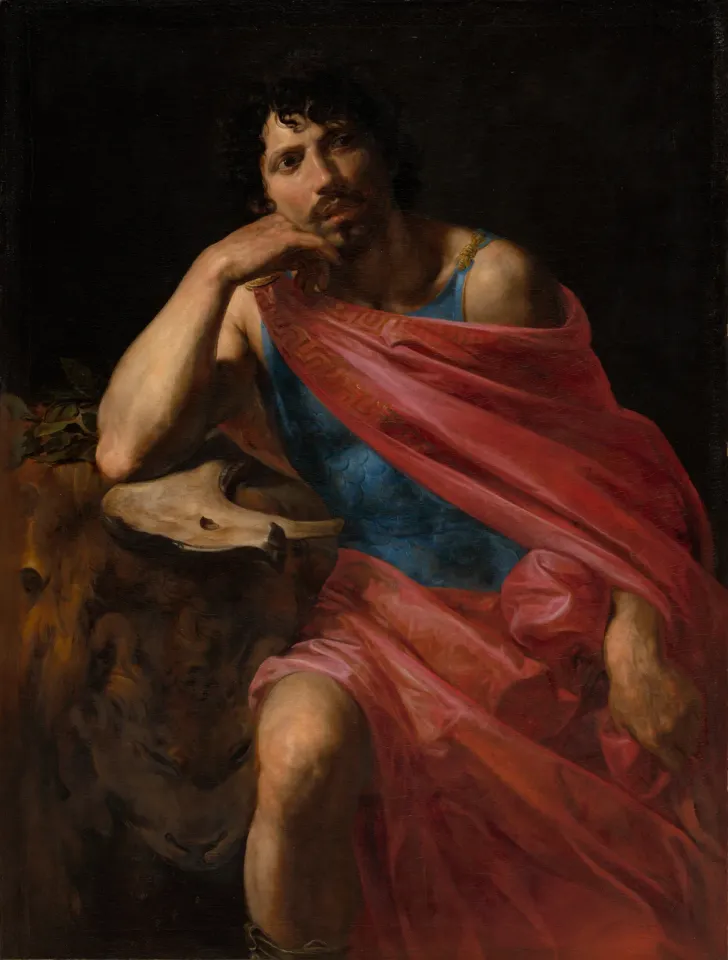
Sacred Relics
Jawbone of Samson
Jawbone of an Ass
With the jawbone of a newly dead donkey he struck down a thousand Philistines.
WeaponFirst recorded c. 600 BCE
Loading artifact…
Photograph: Elisha and Elijah's Chariot of Fire, an engraving by Jan Saenredam after Abraham Bloemaert, the Netherlands, 1604. Beneath a large tree in a forest Elisha kneels with both arms outstretched, looking up at the sky, where the chariot of fire rises in the distance.
Focus the photograph, then use the arrow keys to pan and the plus and minus keys to zoom. The buttons at the lower left also move it. Press a numbered button on the photograph to zoom to that note.
Adderet Eliyahu
Rolled up and struck on the water, it parted the Jordan so that one could cross on dry ground.
In the Books of Kings, the prophet Elijah comes upon Elisha plowing a field and casts his mantle over him, making him his disciple. Later, when God is about to take Elijah up to heaven, Elisha refuses to leave his master and follows him. When the two reach the Jordan, Elijah rolls up his mantle and strikes the water; the water parts, and they cross on dry ground.
Elisha asked for a double share of his master's spirit. Then a chariot of fire drawn by horses of fire appeared and separated the two, and Elijah went up to heaven in a whirlwind. Elisha picked up the mantle that had fallen from his master, went back to the Jordan, struck the water with it and parted the river again.
In Western languages, 'taking up the mantle' of someone still means taking on the work and authority of a teacher or predecessor.
The photograph shows Elisha and Elijah's Chariot of Fire(Netherlands, early 17th Century, 1604), a real museum object that evokes the legendary artifact.
Jawbone of an Ass
With the jawbone of a newly dead donkey he struck down a thousand Philistines.
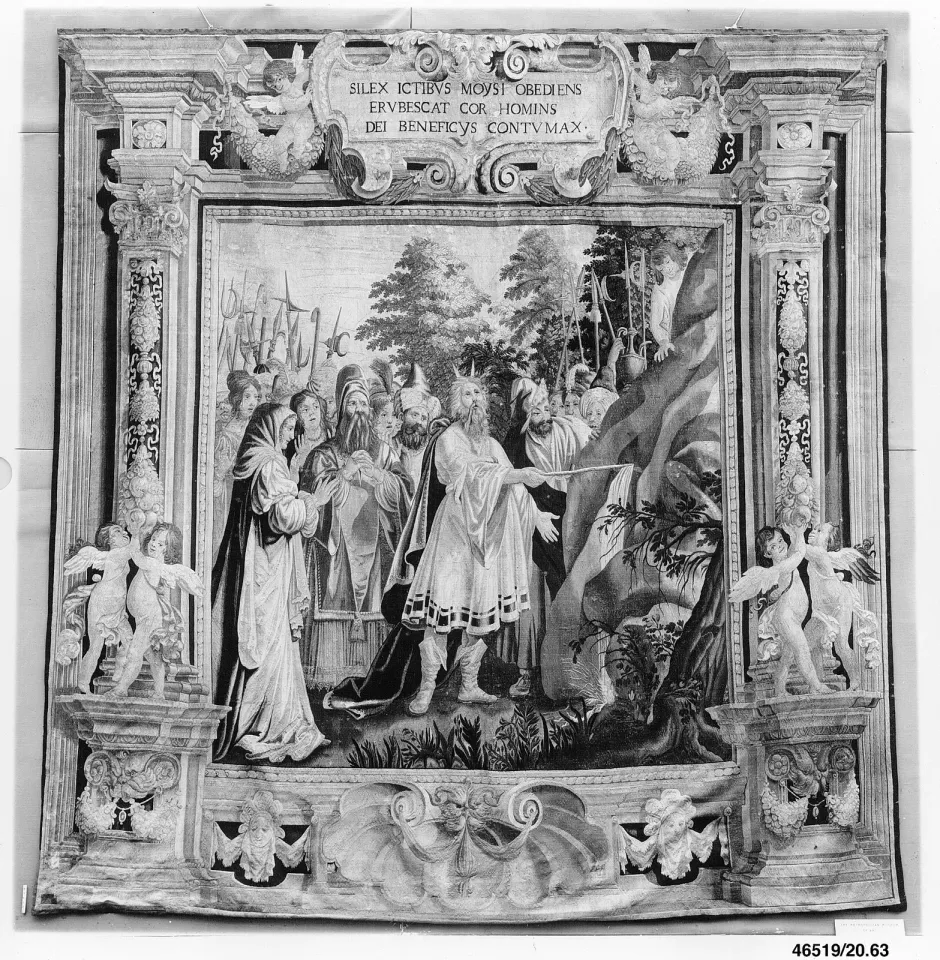
Rod of Moses
Thrown down it becomes a serpent; stretched over the sea it parts the waters; struck against a rock it brings forth water.
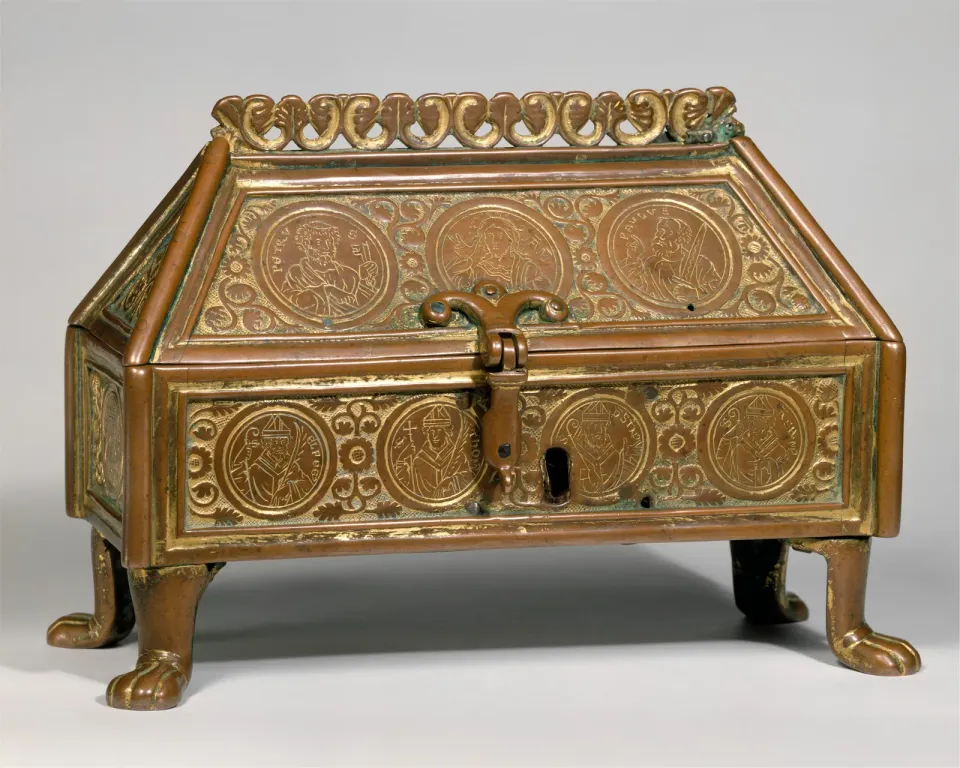
Ark of the Covenant
The seat of God's presence. Carried before the people, it parted the Jordan and brought down the walls of Jericho.
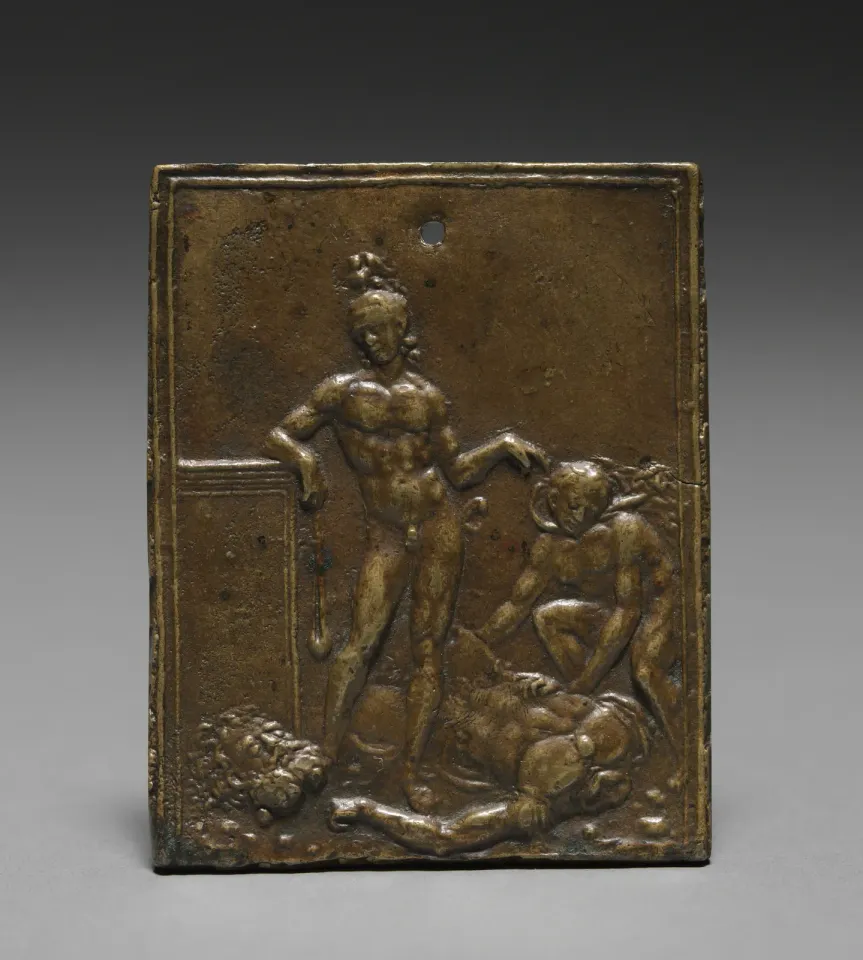
Sling of David
With one smooth stone chosen from a brook, it brought down the giant Goliath.