Sacred Relics
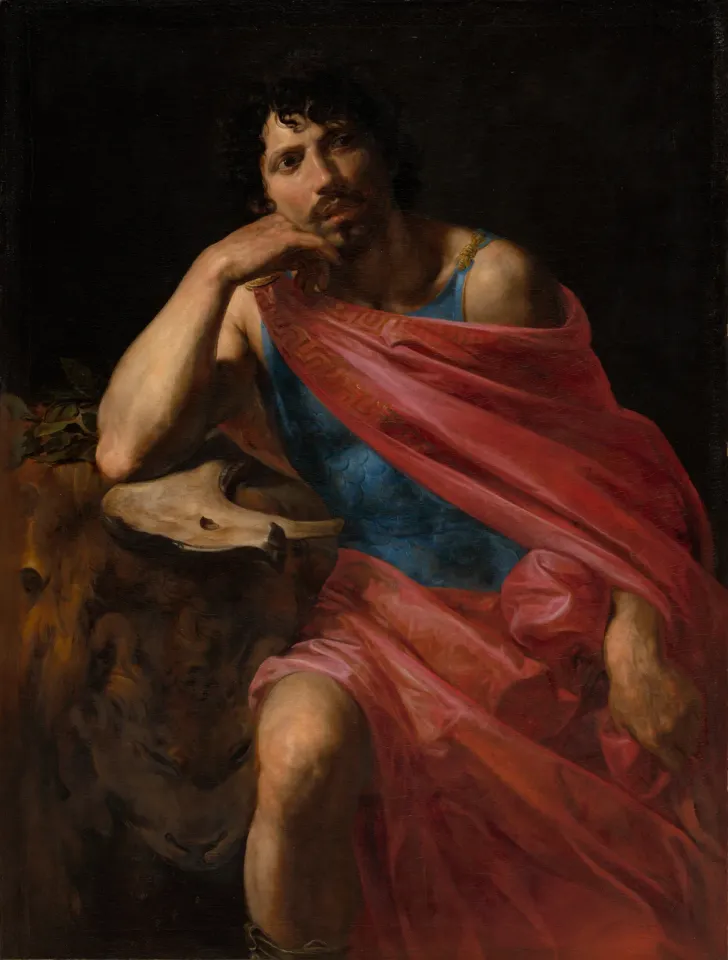
Jawbone of Samson
Jawbone of an Ass
With the jawbone of a newly dead donkey he struck down a thousand Philistines.
WeaponFirst recorded c. 600 BCE
Loading artifact…
Photograph: The Adoration of the Magi, painted by the Sienese artist Giovanni di Paolo about 1440–45. Before a stable the Virgin holds the infant Jesus on her lap, while a kneeling old king, two kings in golden robes and a mounted retinue have come to the child.
Focus the photograph, then use the arrow keys to pan and the plus and minus keys to zoom. The buttons at the lower left also move it. Press a numbered button on the photograph to zoom to that note.
Gifts of the Magi
Gold was taken to signify a king, frankincense a god, and myrrh death.
According to the Gospel of Matthew, when Jesus was born, Magi from the East saw a star and came to Jerusalem asking where the child born king of the Jews was. King Herod asked them to let him know when they found the child. The star went ahead of the Magi and stopped over the place in Bethlehem where the child was.
The Magi bowed down before the child, opened their treasure chests and offered gold, frankincense and myrrh. In the second century, Irenaeus explained that gold befits a king, frankincense a god, and myrrh one who is to die. Warned in a dream not to return to Herod, the Magi went home by another road.
The Gospel does not say how many Magi there were, but because there were three gifts they came to be counted as three, and later they were pictured as kings. A sixth-century mosaic in Ravenna, Italy, names them Caspar, Melchior and Balthasar. Cologne Cathedral in Germany houses a great golden shrine said to contain their relics.
The photograph shows The Adoration of the Magi(Italy, Siena, 1440–45), a real museum object that evokes the legendary artifact.
Jawbone of an Ass
With the jawbone of a newly dead donkey he struck down a thousand Philistines.
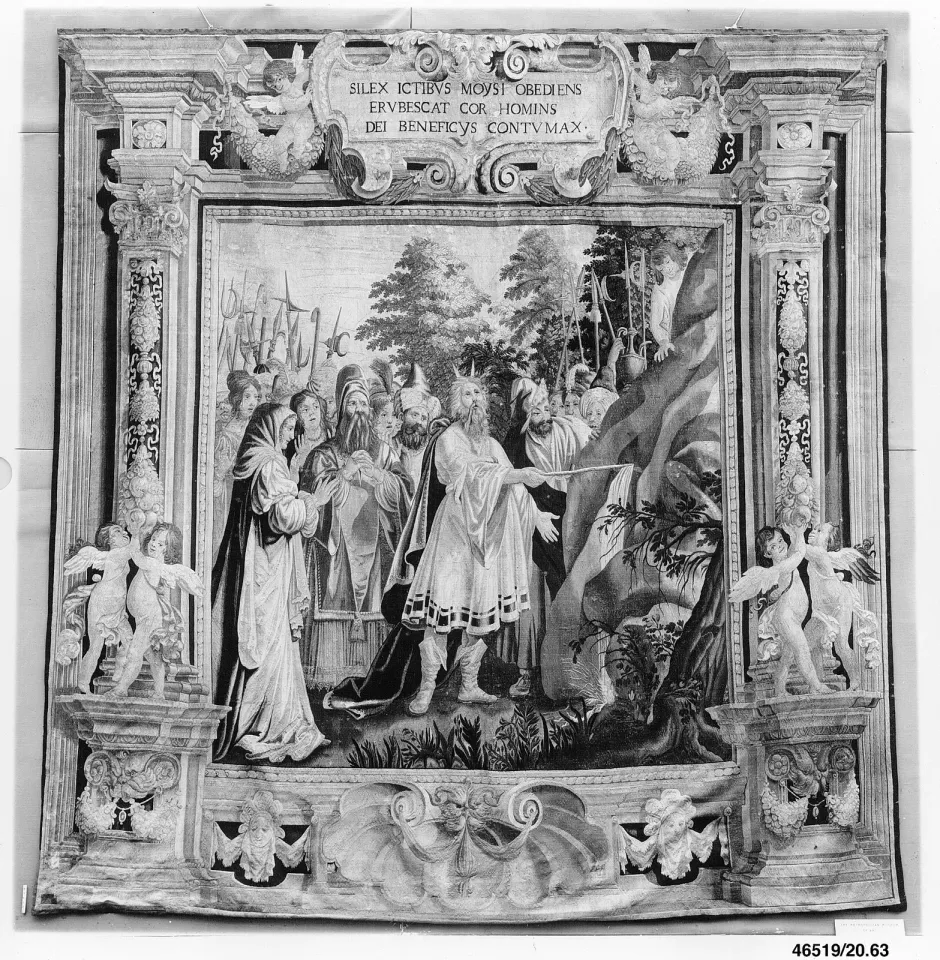
Rod of Moses
Thrown down it becomes a serpent; stretched over the sea it parts the waters; struck against a rock it brings forth water.
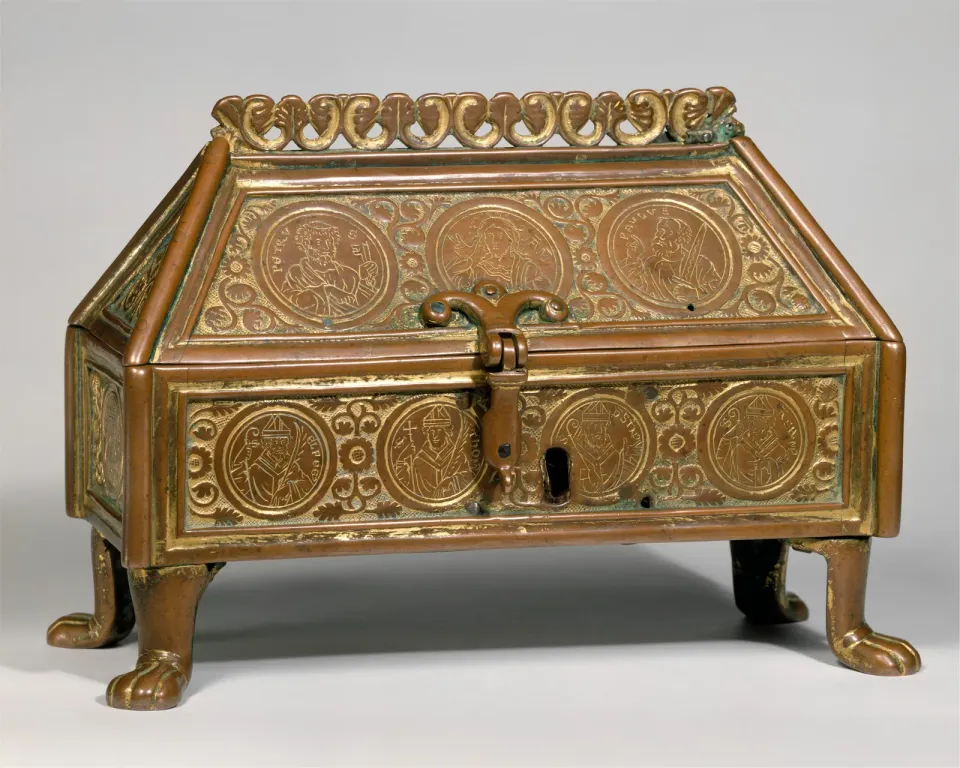
Ark of the Covenant
The seat of God's presence. Carried before the people, it parted the Jordan and brought down the walls of Jericho.
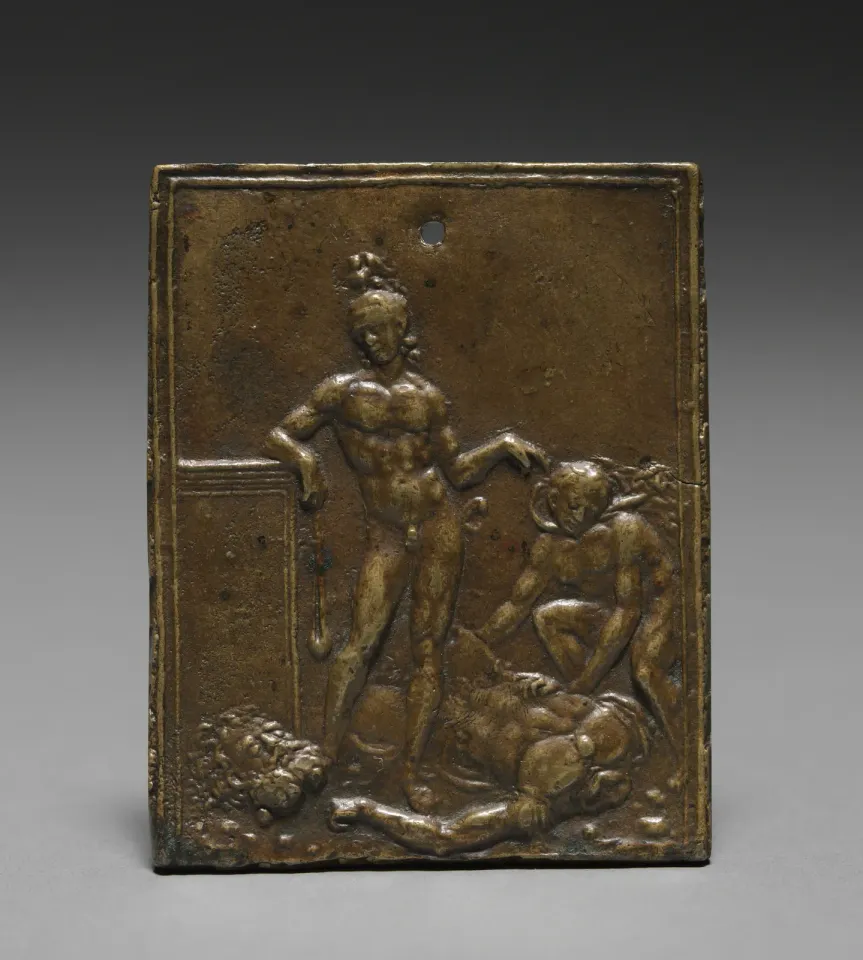
Sling of David
With one smooth stone chosen from a brook, it brought down the giant Goliath.