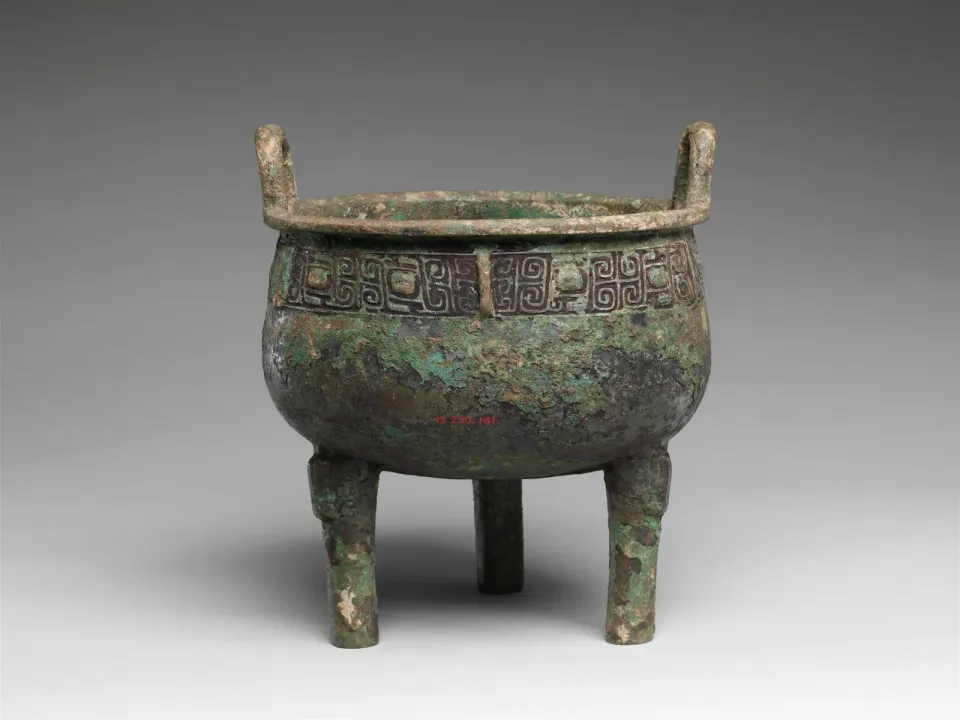
Chinese
Nine Tripod Cauldrons
九鼎
The legitimacy to rule all under heaven. They rest with dynasties of virtue.
VesselFirst recorded c. 400 BCE
Loading artifact…
Photograph: A Buddhist priest's ceremonial robe from the Ming dynasty, fifteenth century. Hundreds of small Buddhas are embroidered in gold and colored thread in compartments across a long red silk panel, with slightly larger Buddhas at the center and corners.
Focus the photograph, then use the arrow keys to pan and the plus and minus keys to zoom. The buttons at the lower left also move it. Press a numbered button on the photograph to zoom to that note.
錦襴袈裟
Whoever wears it will not fall into hell, and neither poisonous creatures, wild beasts nor demons can harm him.
In Journey to the West, the bodhisattva Guanyin came to Chang'an, the Tang capital, disguised as a shabby monk, and offered a silk kasaya and a nine-ringed staff for sale. Whoever wore this kasaya, the bodhisattva said, would not fall into hell, and neither poisonous creatures, wild beasts nor demons could harm him. Emperor Taizong of Tang bought them and gave them to Tang Sanzang, who was setting out for the West to bring back scriptures.
On their way, Sanzang and his companions stayed at a temple called Guanyin Chan Monastery. The old abbot, Elder Jinchi, two hundred and seventy years old, was blinded by greed for the kasaya and plotted to burn Sanzang and his companions to death and take it. Sun Wukong borrowed a fire-proof cover from heaven to protect Sanzang and, in turn, blew on the flames until the temple burned down.
Amid the confusion, a black bear demon from Black Wind Mountain, who had come to watch the fire, stole the kasaya. With the bodhisattva Guanyin's help, Wukong captured the bear demon and recovered the kasaya. The bear demon afterward became the guardian of the bodhisattva's mountain.
The photograph shows Buddhist Priest's Ceremonial Robe(China, Ming dynasty (1368–1644), 1400s), a real museum object that evokes the legendary artifact.
九鼎
The legitimacy to rule all under heaven. They rest with dynasties of virtue.
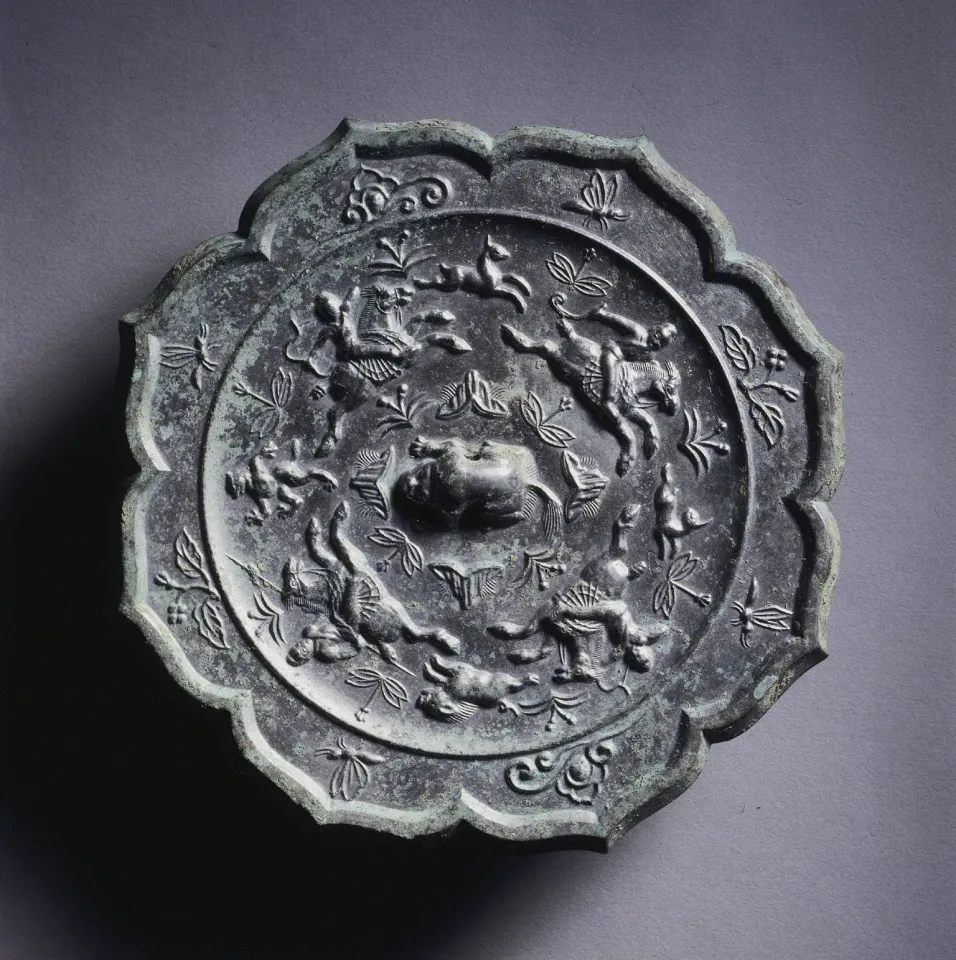
彤弓 (羿)
A red bow strong enough to shoot suns out of the sky.
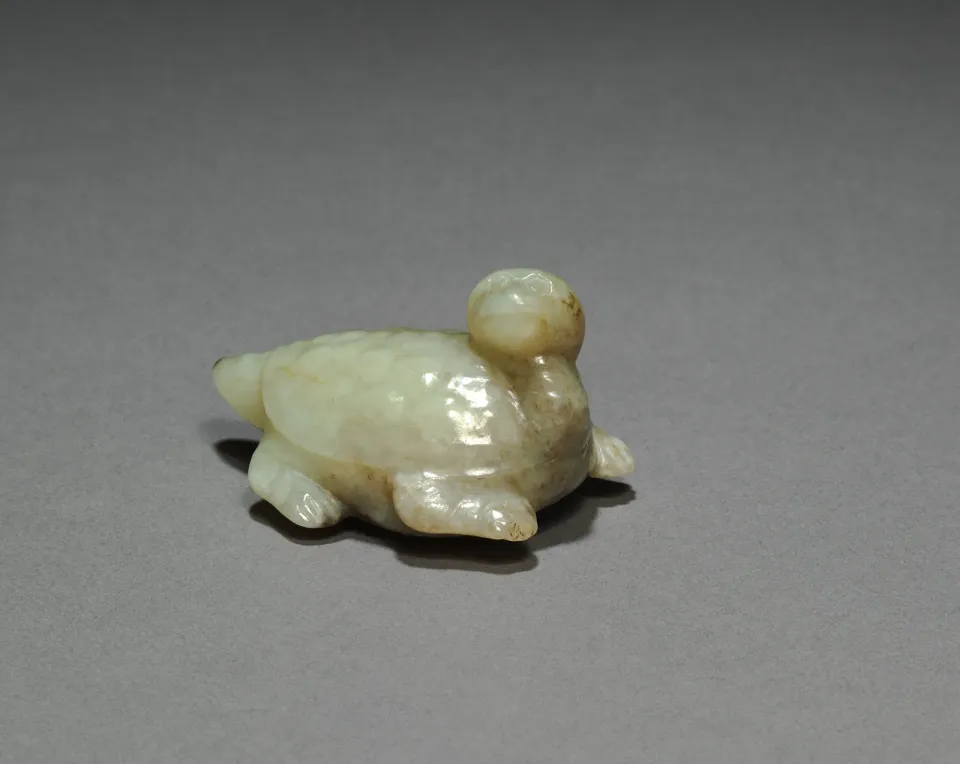
河圖洛書
From the dot patterns on their backs came the eight trigrams and the nine great laws of government.
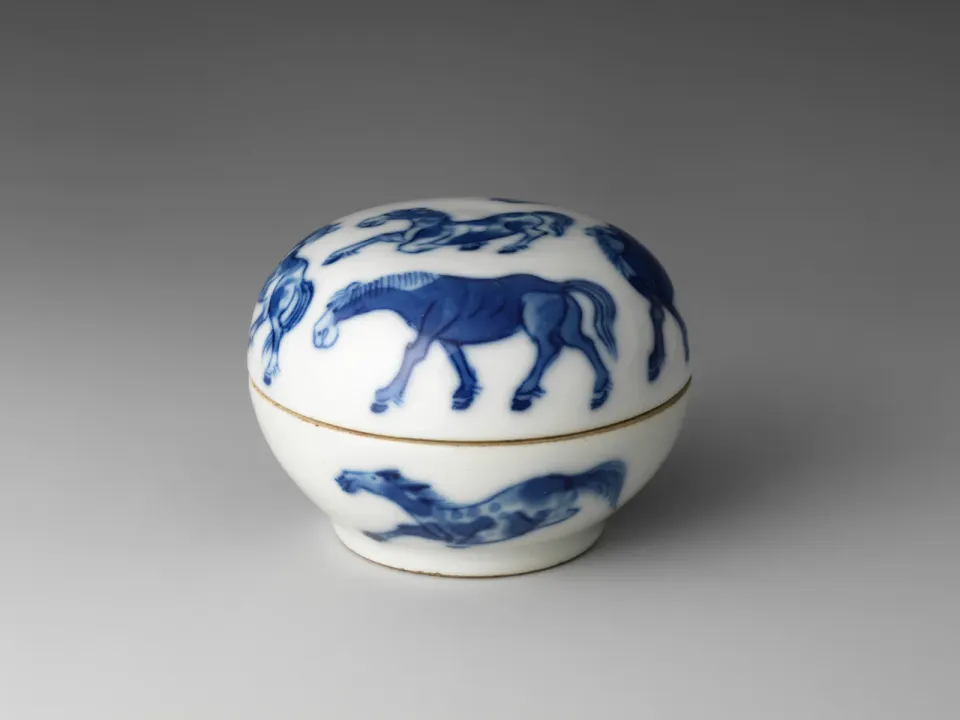
穆王八駿
Eight fine horses that ran a thousand li a day and carried King Mu to the far west.