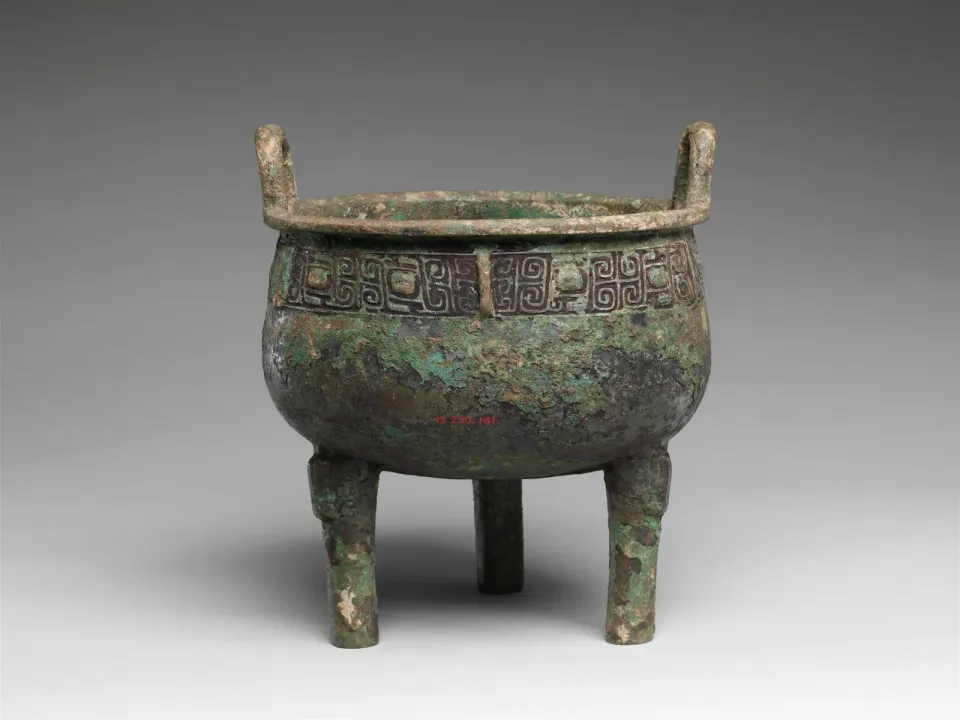
Chinese
Nine Tripod Cauldrons
九鼎
The legitimacy to rule all under heaven. They rest with dynasties of virtue.
VesselFirst recorded c. 400 BCE
Loading artifact…
Photograph: A jade bi of the Warring States period, 475–221 BCE. A flat, pale-green jade disk with a round central hole is covered with a close-set grain pattern, crossed diagonally by a brown streak.
Focus the photograph, then use the arrow keys to pan and the plus and minus keys to zoom. The buttons at the lower left also move it. Press a numbered button on the photograph to zoom to that note.
和氏璧
The finest jade under heaven, for which the king of Qin offered fifteen cities.
Bian He of Chu found a stone with jade inside on Mount Jing and presented it to King Li. When the jade carver said it was just a stone, the king cut off Bian He's left foot for deceiving his ruler. He presented it again to the next king, King Wu, and when he again heard it was only a stone, his right foot was cut off too.
When King Wen came to the throne, Bian He clasped the stone and wept at the foot of Mount Jing for three days and nights, until his tears ran out and he wept blood. When the king asked why, he answered that he grieved not for his lost feet, but because a precious jade was called a stone and an honest man was called a liar. When King Wen had the stone cut, a jade without equal under heaven emerged, and people called it "Mr. He's jade."
When He Shi Bi later came into the hands of Zhao, King Zhaoxiang of Qin offered fifteen cities for it. Lin Xiangru, sent as envoy, saw that Qin had no intention of giving up the cities, threatened to smash the jade together with his own head against a pillar, and finally sent the jade back to Zhao intact. The Korean word wanbyeok, "perfect," comes from this story. It is also said that the First Emperor of Qin carved the Heirloom Seal of the Realm from this jade.
The photograph shows Ceremonial Disk with Grain Pattern (Bi)(China, Warring States period (475–221 BCE), 475–221 BCE), a real museum object that evokes the legendary artifact.
九鼎
The legitimacy to rule all under heaven. They rest with dynasties of virtue.
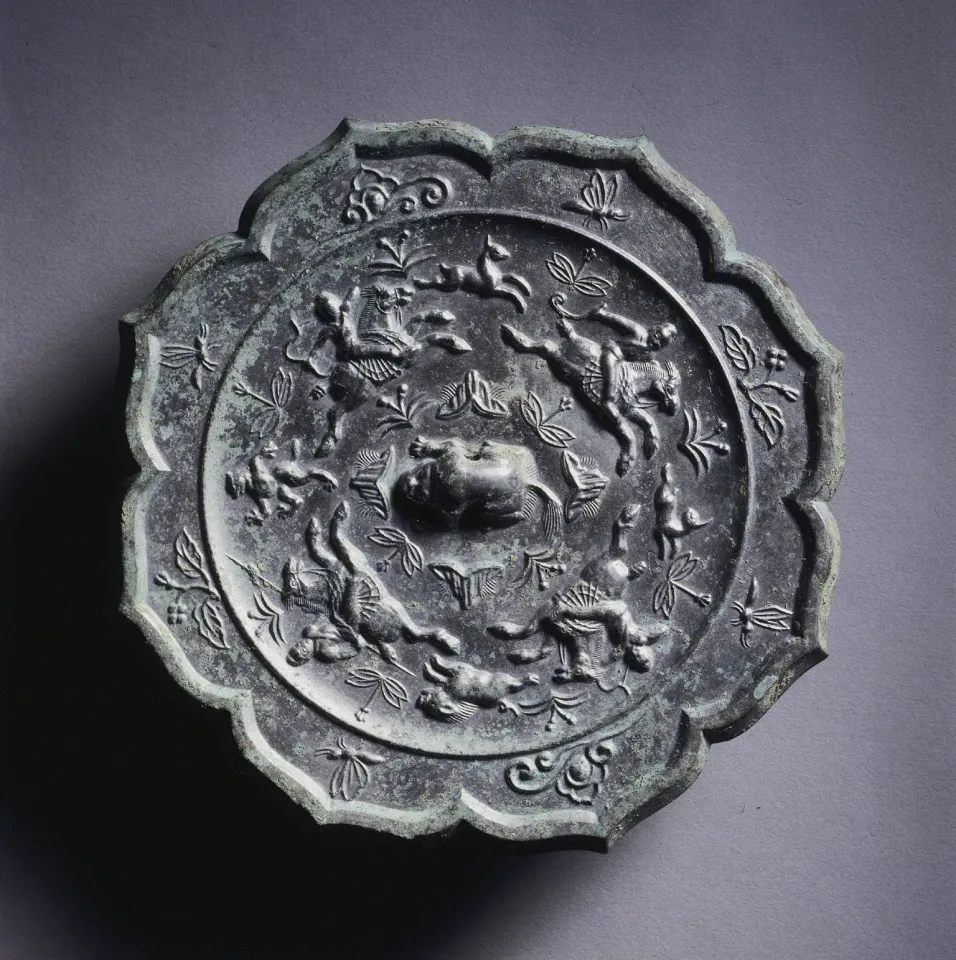
彤弓 (羿)
A red bow strong enough to shoot suns out of the sky.
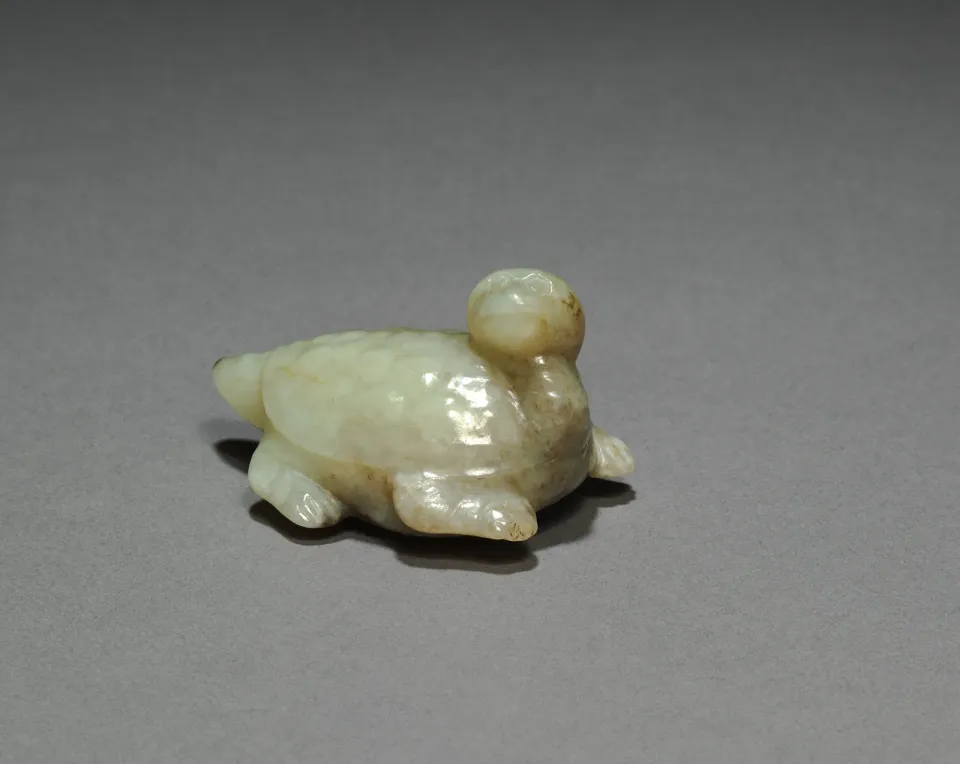
河圖洛書
From the dot patterns on their backs came the eight trigrams and the nine great laws of government.
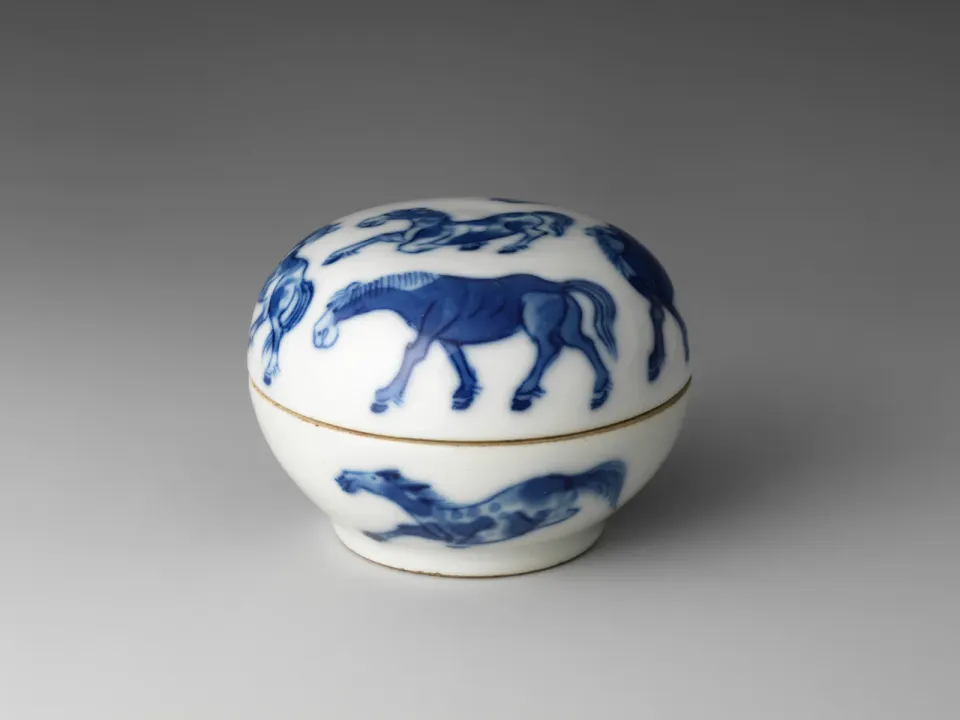
穆王八駿
Eight fine horses that ran a thousand li a day and carried King Mu to the far west.