Sacred Relics
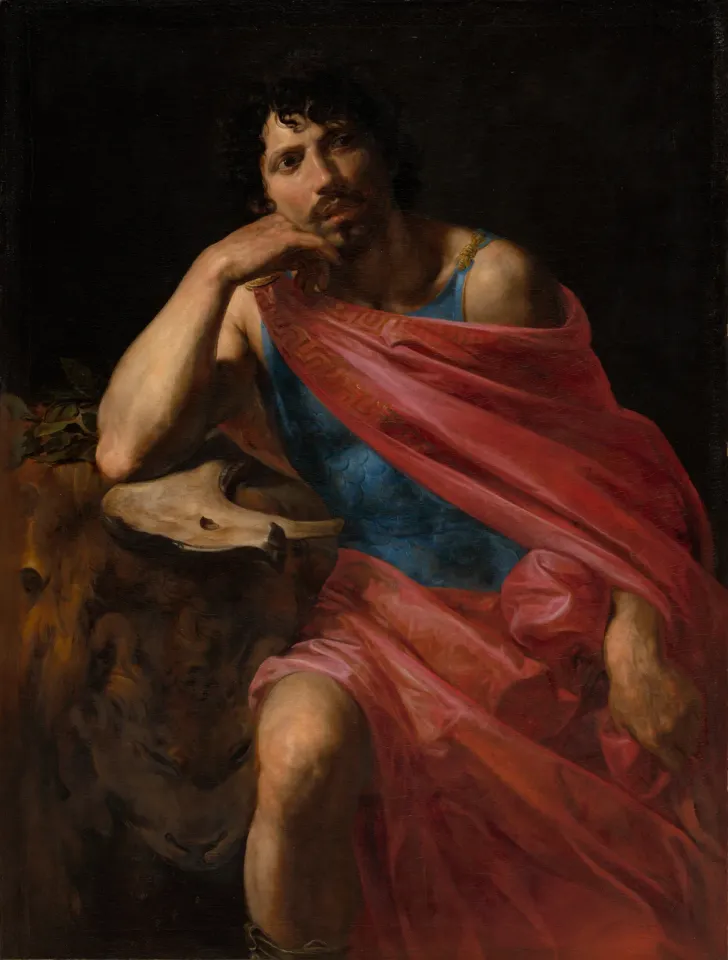
Jawbone of Samson
Jawbone of an Ass
With the jawbone of a newly dead donkey he struck down a thousand Philistines.
WeaponFirst recorded c. 600 BCE
Loading artifact…
Photograph: Both faces of a pilgrim's ampulla from Palestine, about 600. The flat, round flask is made of a lead and tin alloy, stamped with the Crucifixion on the front and the Ascension on the back, with lettering running around the edges.
Focus the photograph, then use the arrow keys to pan and the plus and minus keys to zoom. The buttons at the lower left also move it. Press a numbered button on the photograph to zoom to that note.
Sainte Ampoule
It held the oil with which French kings were anointed at their coronation, and it was said to refill itself after use.
On Christmas Day around 496, Clovis, king of the Franks, was baptized by Bishop Remigius at Reims. According to legend, the crowd was so dense that the cleric carrying the holy oil could not get through, so Remigius prayed, and a white dove came down from heaven carrying a small flask of oil.
After Hincmar, archbishop of Reims in the ninth century, wrote this story into his life of Remigius, the flask was kept in the Abbey of Saint-Remi in Reims. From then on French kings were crowned in Reims Cathedral after being anointed with chrism mixed with a drop of oil from this flask. The oil was said to refill itself after use.
In 1793, during the French Revolution, Ruhl, a member of the National Convention, smashed the flask in a square in Reims. A new flask holding fragments and oil that had been secretly saved was used at the coronation of Charles X in 1825, the last coronation in France.
The photograph shows Pilgrim's Ampulla with Scenes of the Crucifixion (front) and the Ascension (back)(Byzantium, Palestine, early Byzantine period, early 7th Century, c. 600), a real museum object that evokes the legendary artifact.
Jawbone of an Ass
With the jawbone of a newly dead donkey he struck down a thousand Philistines.
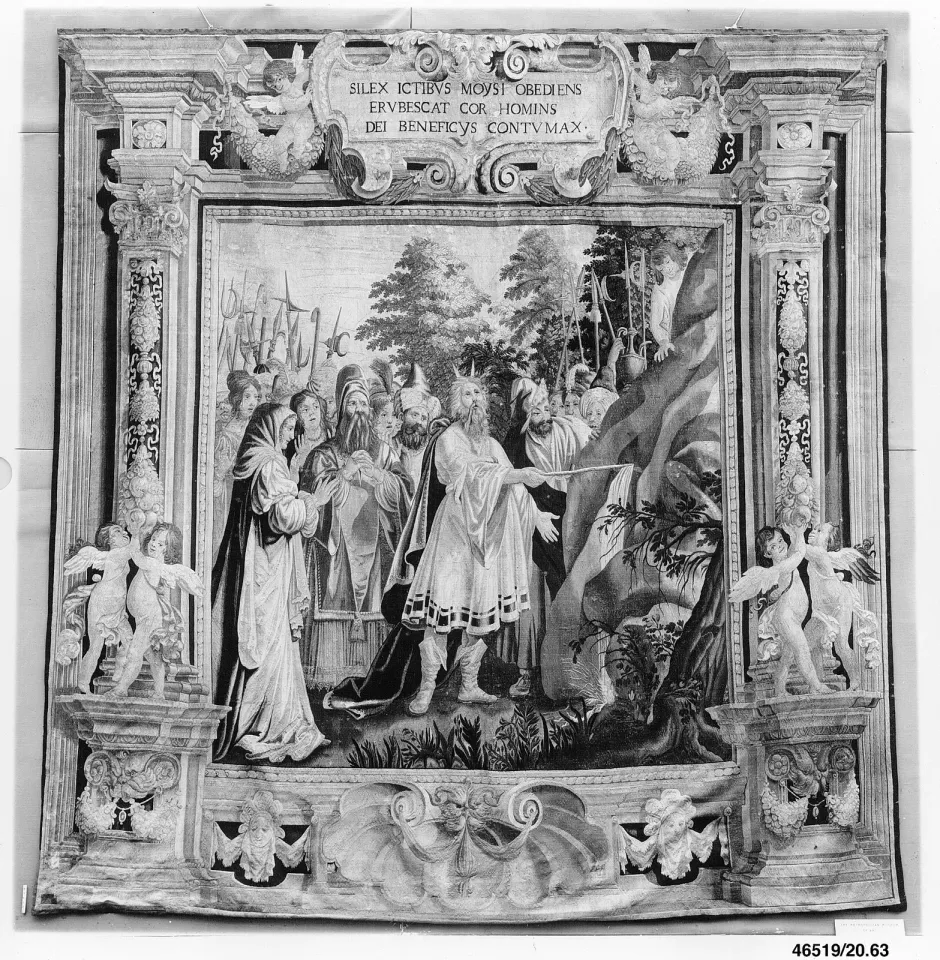
Rod of Moses
Thrown down it becomes a serpent; stretched over the sea it parts the waters; struck against a rock it brings forth water.
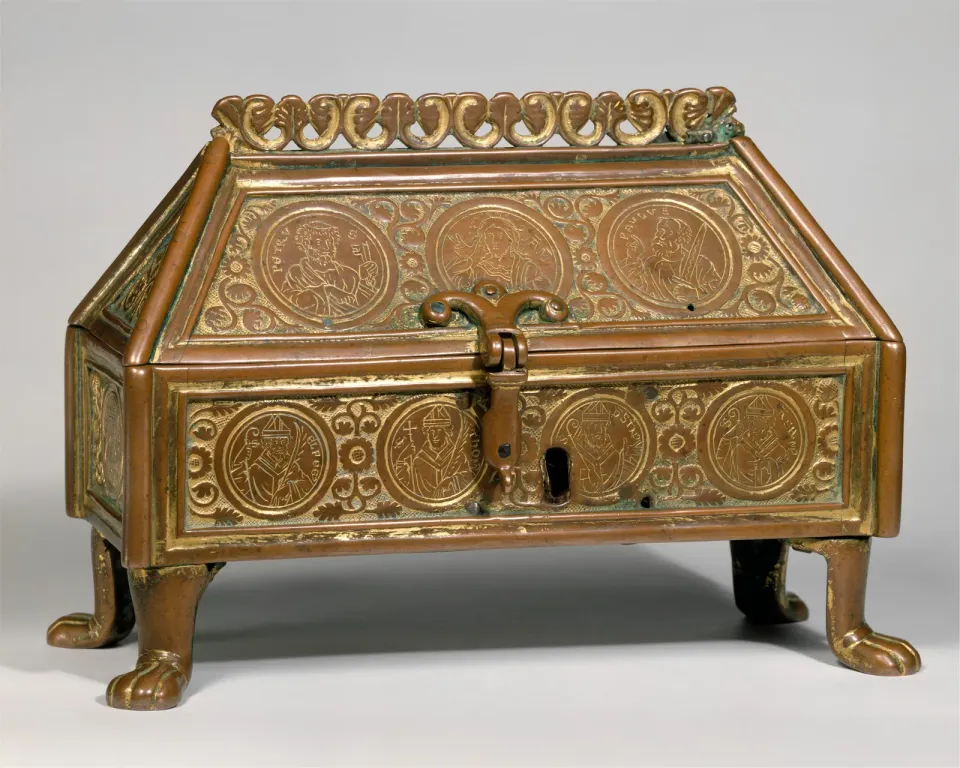
Ark of the Covenant
The seat of God's presence. Carried before the people, it parted the Jordan and brought down the walls of Jericho.
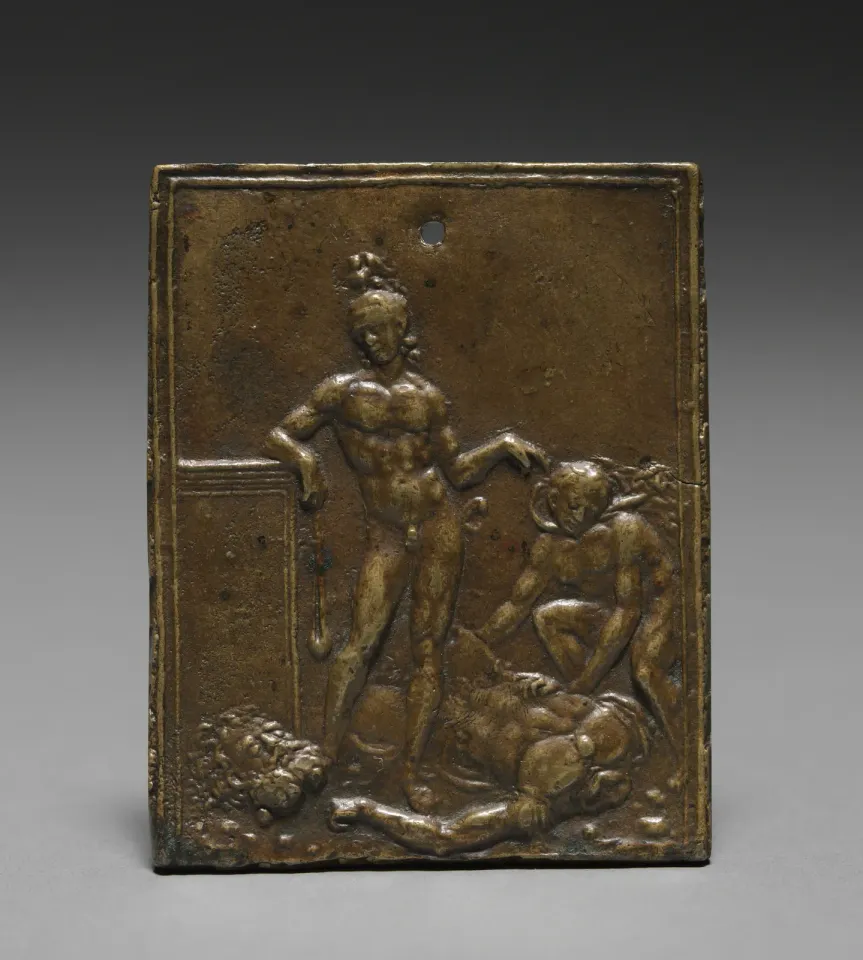
Sling of David
With one smooth stone chosen from a brook, it brought down the giant Goliath.