Sacred Relics
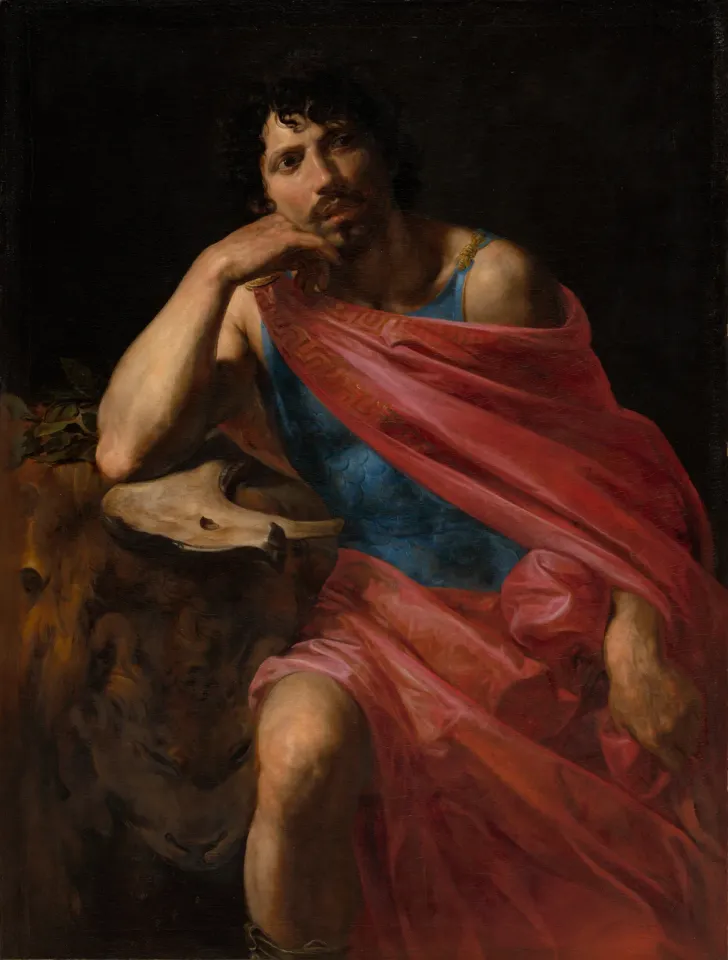
Jawbone of Samson
Jawbone of an Ass
With the jawbone of a newly dead donkey he struck down a thousand Philistines.
WeaponFirst recorded c. 600 BCE
Loading artifact…
Photograph: Gold pendant and necklace parts from the eastern Mediterranean, probably Sirmium or Nicomedia, about 324–26. At the center of an octagonal pendant is a gold coin of Constantine the Great ringed by eight small busts, with two Corinthian-column spacers and a jeweled clasp above.
Focus the photograph, then use the arrow keys to pan and the plus and minus keys to zoom. The buttons at the lower left also move it. Press a numbered button on the photograph to zoom to that note.
Clavi Sancti
Nails of the Cross found by Helena; tradition says she had them set in the emperor's crown and his horse's bridle to protect him.
In 395, delivering the funeral oration for the emperor Theodosius, Bishop Ambrose of Milan told the story of Helena, mother of Constantine the Great. In Jerusalem Helena found the True Cross on which Christ was crucified, and she found its nails as well.
According to Ambrose, Helena had one nail made into a crown and another into a bridle and sent them to her son. He read this as the fulfillment of the verse in the Book of Zechariah, 'On that day there shall be written on the bells of the horses, Holy to the Lord.'
Many churches in medieval Europe claimed to hold these nails. The Iron Crown of Monza in Italy is said to be lined with an iron band beaten out of a Holy Nail, and it was used at the coronations of Lombard kings and Holy Roman emperors.
The photograph shows Octagonal Pendant with Corinthian Column Spacers and Clasp Set (Byzantium, Late Roman, Eastern Mediterranean, (probably Sirium or Nicomedia), Byzantine period, 324–26 CE), a real museum object that evokes the legendary artifact.
Jawbone of an Ass
With the jawbone of a newly dead donkey he struck down a thousand Philistines.
Rod of Moses
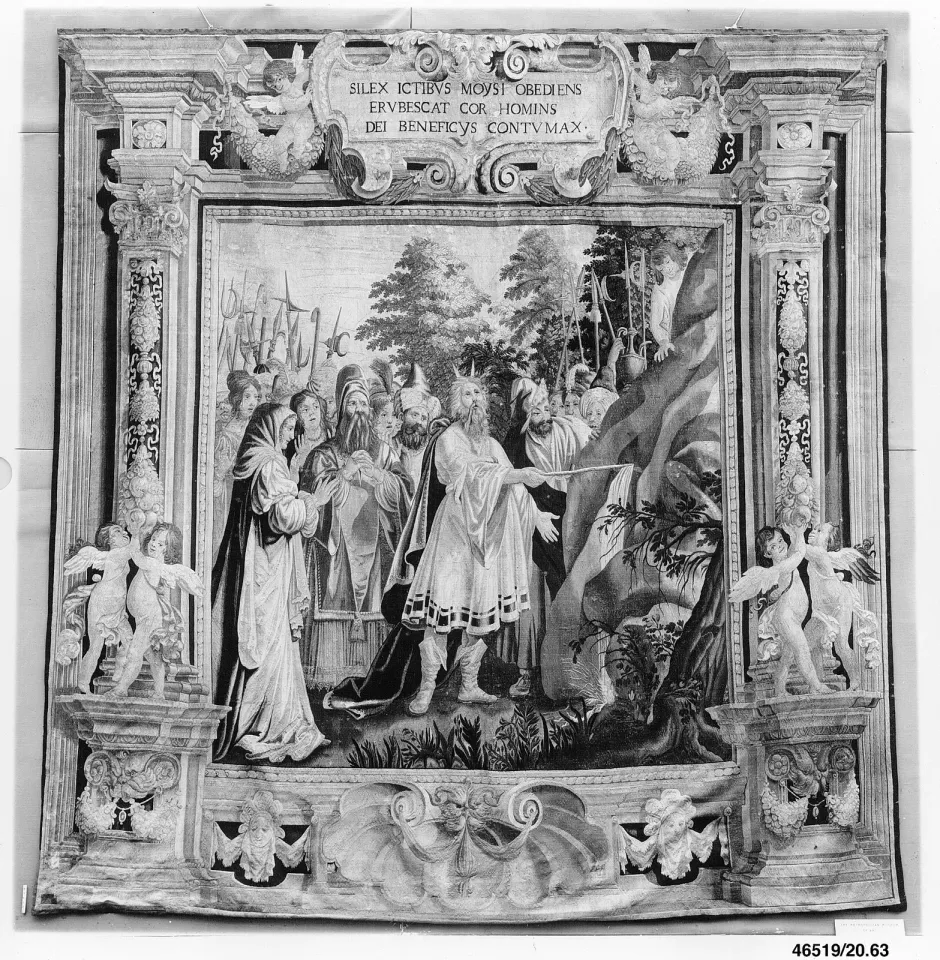
Thrown down it becomes a serpent; stretched over the sea it parts the waters; struck against a rock it brings forth water.
Ark of the Covenant
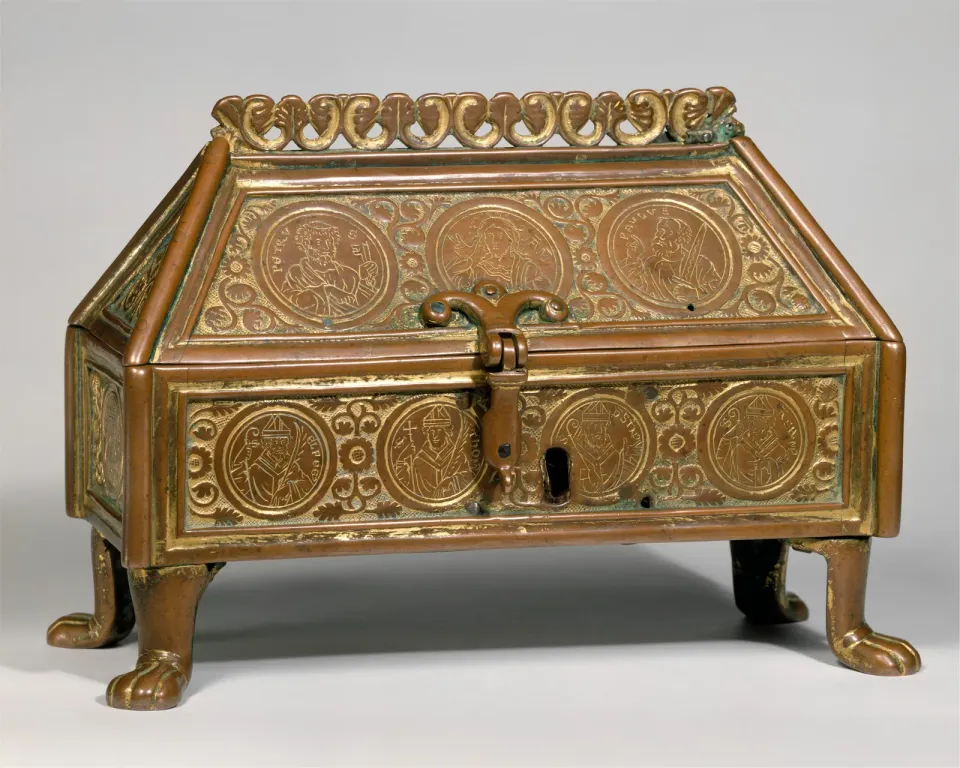
The seat of God's presence. Carried before the people, it parted the Jordan and brought down the walls of Jericho.
Sling of David
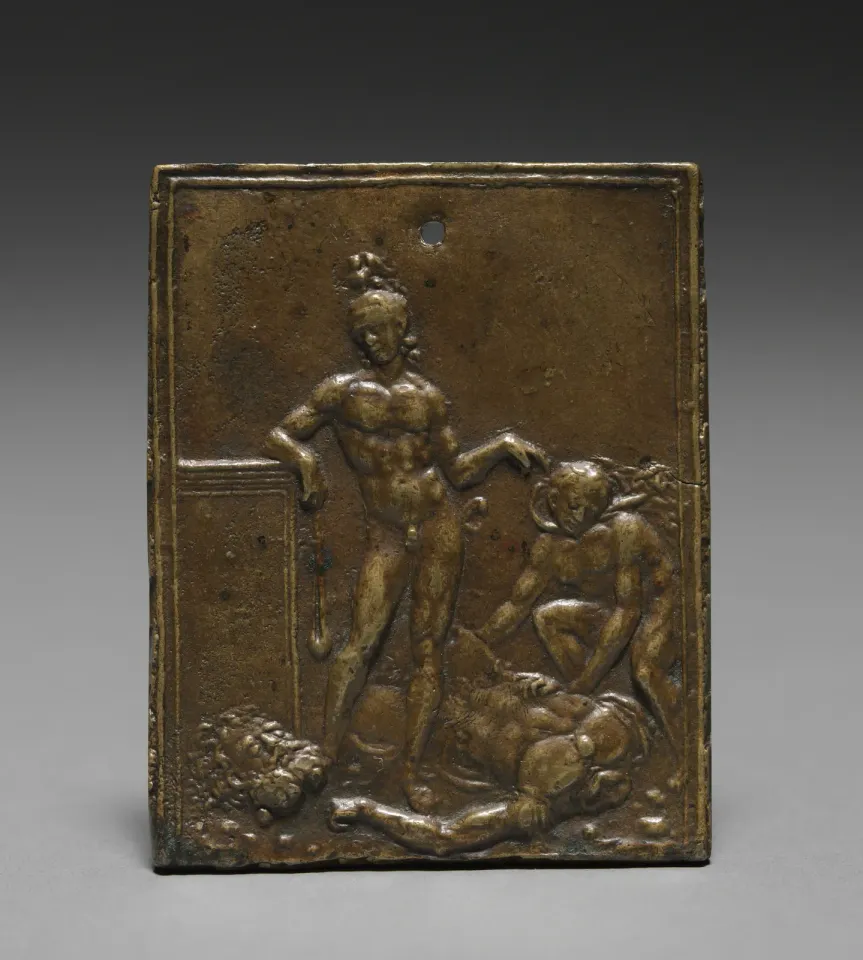
With one smooth stone chosen from a brook, it brought down the giant Goliath.