Japanese
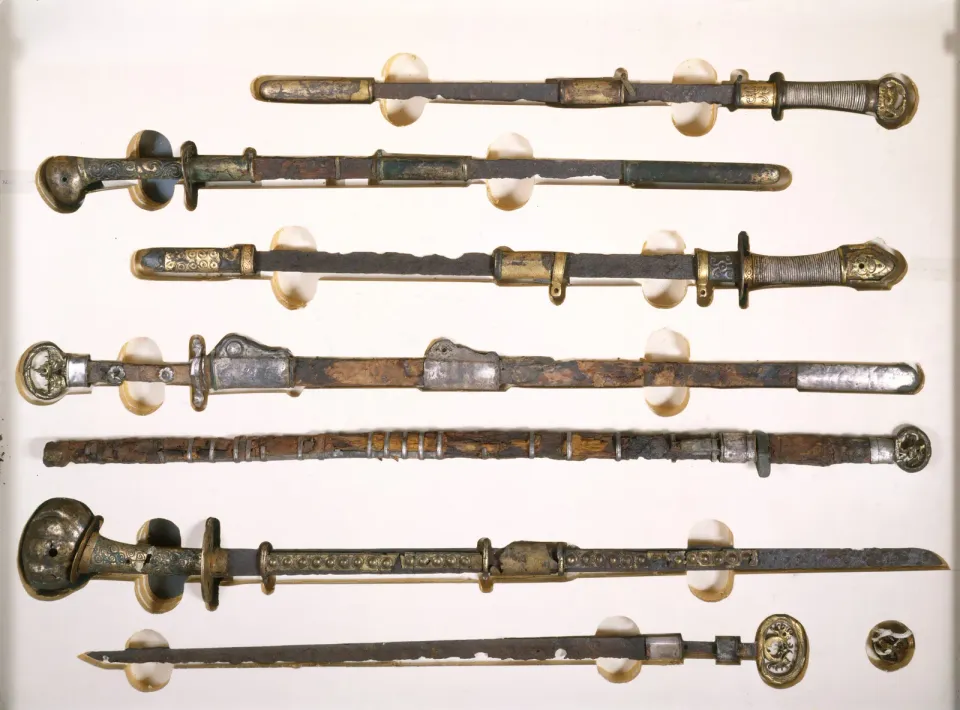
Kusanagi-no-Tsurugi
草薙剣 (Kusanagi-no-Tsurugi)
Cuts the grass by itself and turns back fire.
WeaponFirst recorded 712
Loading artifact…
Photograph: A long, narrow portable writing box from Edo-period Japan, nineteenth century. On gold lacquer sprinkled with gold flakes, Mount Horai, the island of the immortals, is raised in relief: a rocky peak soars in the middle, with round-leaved trees, tiled pavilions and rippling water.
Focus the photograph, then use the arrow keys to pan and the plus and minus keys to zoom. The buttons at the lower left also move it. Press a numbered button on the photograph to zoom to that note.
蓬莱の玉の枝
A branch of the tree on the immortals' island in the eastern sea, with silver roots, a golden trunk and fruit of white jewels.
Princess Kaguya asked Prince Kuramochi to bring her a branch of a tree said to grow on Mount Horai, the island of the immortals in the eastern sea. It was a tree with silver roots, a golden trunk and fruit of white jewels.
The crafty prince pretended to set sail and then went into hiding, gathered six skilled craftsmen and had them spend more than a thousand days making a branch that looked real. He presented it with a false tale of overcoming monsters and starvation at sea to reach Mount Horai, and the princess was left with no choice but to marry him.
Just then the craftsmen arrived, complaining that they had not yet been paid for their thousand days of work. With the lie exposed, the princess joyfully sent the branch back, and the prince vanished into the mountains in shame. Mount Horai is an island from Chinese tales of immortals, where the First Emperor of Qin is said to have sent Xu Fu to search for the elixir of immortality.
The photograph shows Box(Japan, Edo period (1615–1868), 1800s), a real museum object that evokes the legendary artifact.
草薙剣 (Kusanagi-no-Tsurugi)
Cuts the grass by itself and turns back fire.
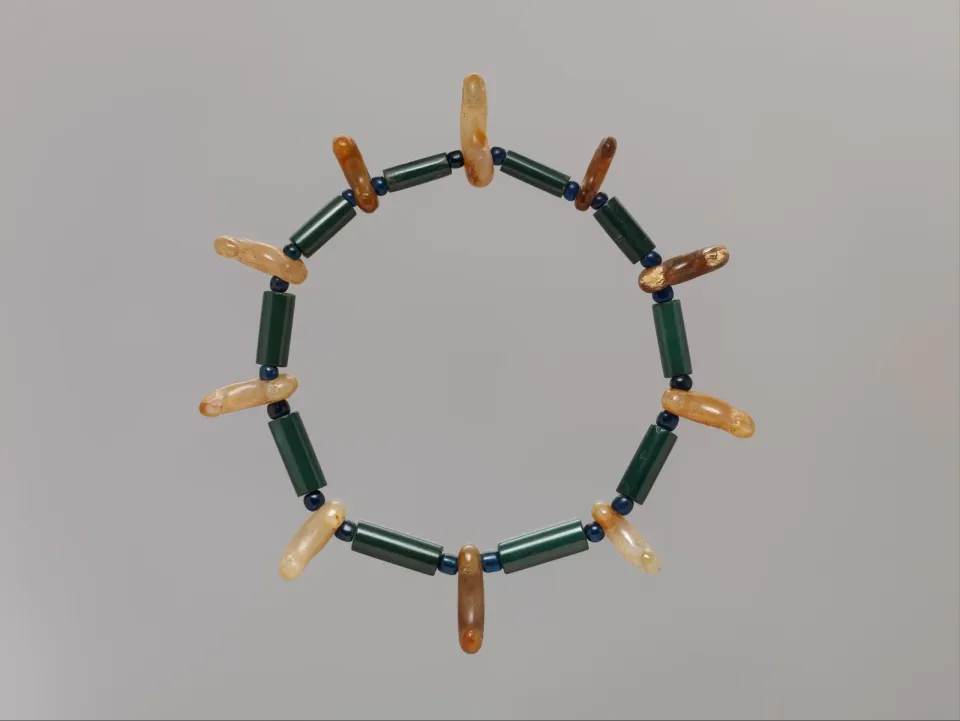
八尺瓊勾玉
One of the three sacred treasures, holding the spirit of the gods and the legitimacy of the imperial line.
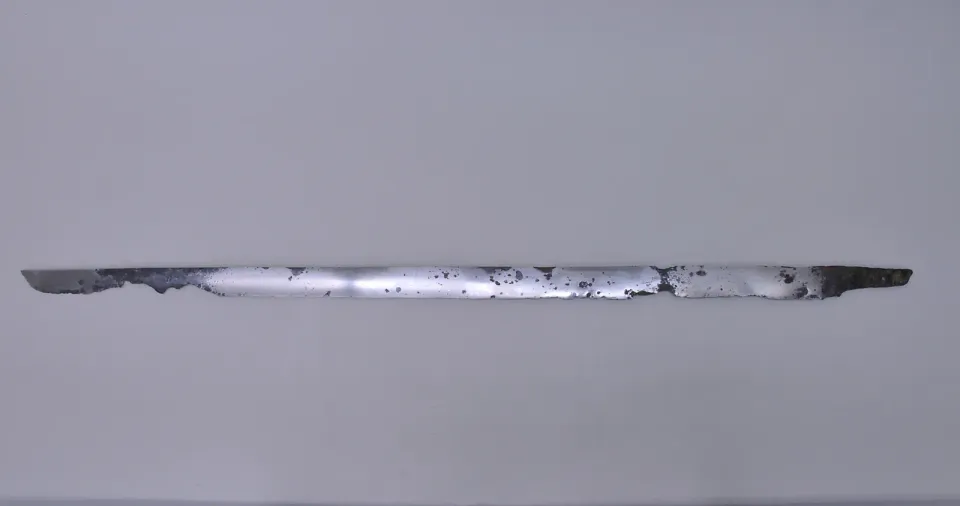
十拳剣
A great sword ten fists long, which cut the eight-headed serpent to pieces.
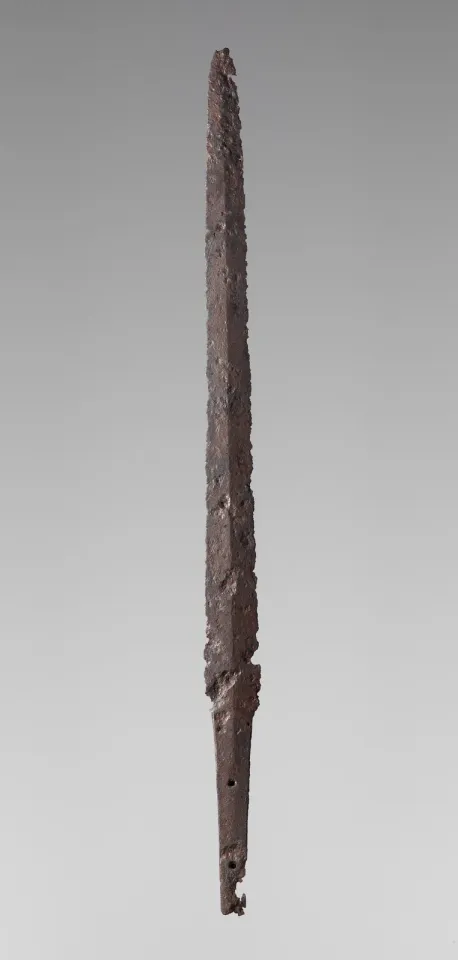
布都御魂
A single stroke revived soldiers felled by poisonous vapors.