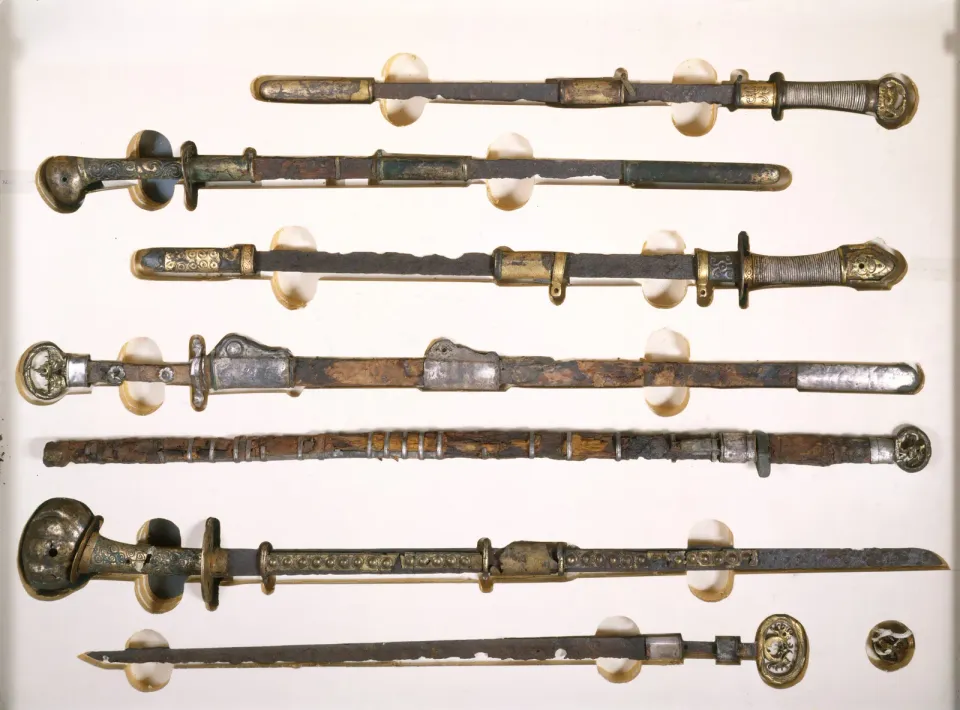
Japanese
Kusanagi-no-Tsurugi
草薙剣 (Kusanagi-no-Tsurugi)
Cuts the grass by itself and turns back fire.
WeaponFirst recorded 712
Loading artifact…
Photograph: The Hōryūkaku from the Hakkenden, a woodblock triptych by Utagawa Kuniyoshi, Japan, 1840. Soldiers swarm up the steep tiled roof of the tall Hōryūkaku tower, two warriors grapple at the top of the roof, and an explanatory text is at upper right.
Focus the photograph, then use the arrow keys to pan and the plus and minus keys to zoom. The buttons at the lower left also move it. Press a numbered button on the photograph to zoom to that note.
村雨丸
When drawn, drops of water beaded on the blade; swung, they scattered like a passing shower and could even put out fire.
In Nansō Satomi Hakkenden, the long novel Kyokutei Bakin published over twenty-eight years from 1814, Murasamemaru is a treasured sword handed down in the house of the Ashikaga shoguns of the Muromachi shogunate. When it was drawn, drops of water beaded on the blade, and when it was swung hard they scattered like a passing shower and could even put out fire. Its name means 'passing shower.'
The sword remained with the Inuzuka family, who had died in Ashikaga service, and the son, Inuzuka Shino, guarded it. But before Shino set out for Koga to present the sword to the Ashikaga, it was secretly swapped for a fake. Shino presented the fake and was branded a spy.
Shino was driven up onto the roof of the Hōryūkaku, the high tower of Koga Castle, where he grappled with Inukai Genpachi, who had come to seize him. Fighting on the roof, the two fell together into a boat on the river, and by the jewels each carried they learned that they shared the same destiny as two of the Eight Dog Warriors.
The photograph shows The Hōryūkaku, from Hakkenden (Tale of eight dogs)(Japan, 1840), a real museum object that evokes the legendary artifact.
草薙剣 (Kusanagi-no-Tsurugi)
Cuts the grass by itself and turns back fire.
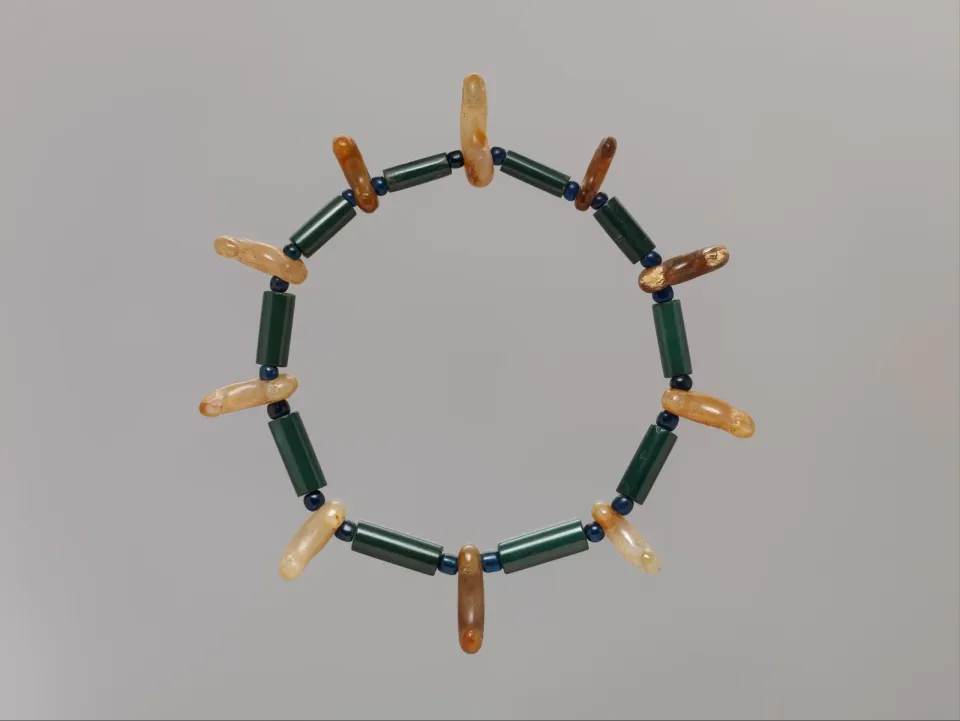
八尺瓊勾玉
One of the three sacred treasures, holding the spirit of the gods and the legitimacy of the imperial line.
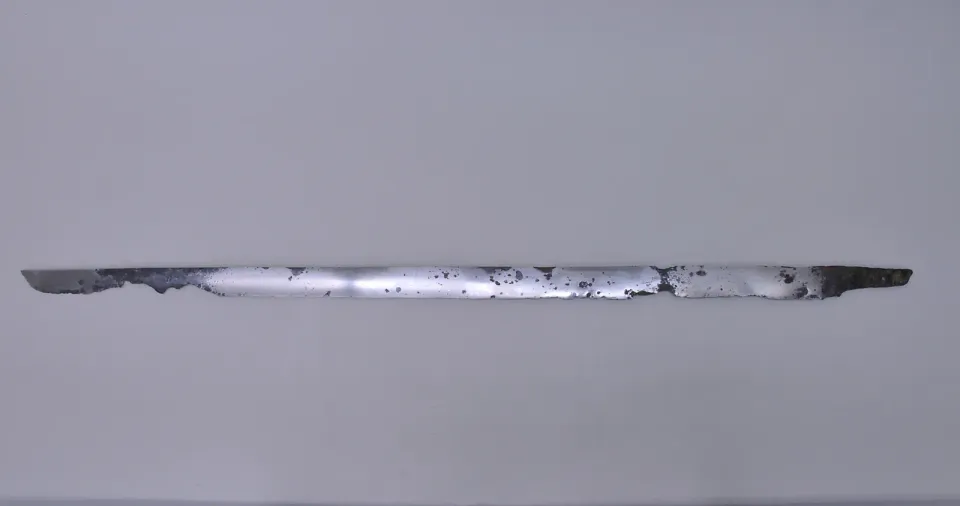
十拳剣
A great sword ten fists long, which cut the eight-headed serpent to pieces.
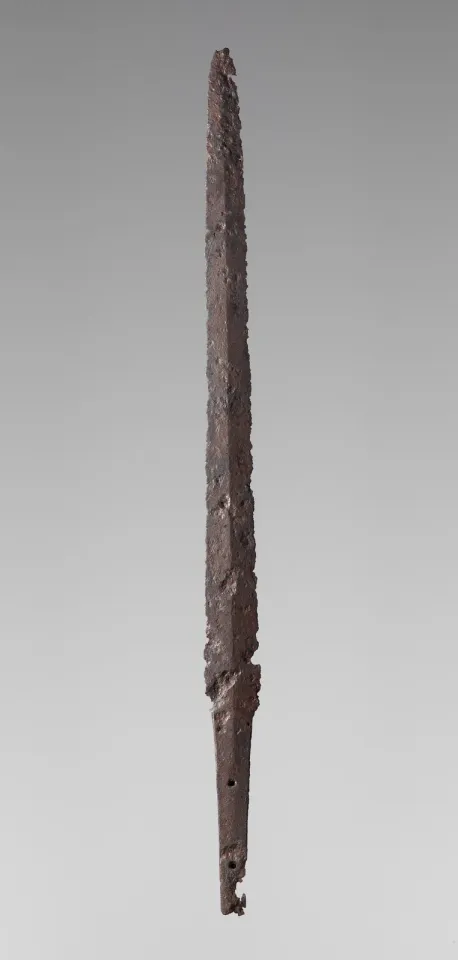
布都御魂
A single stroke revived soldiers felled by poisonous vapors.