Japanese
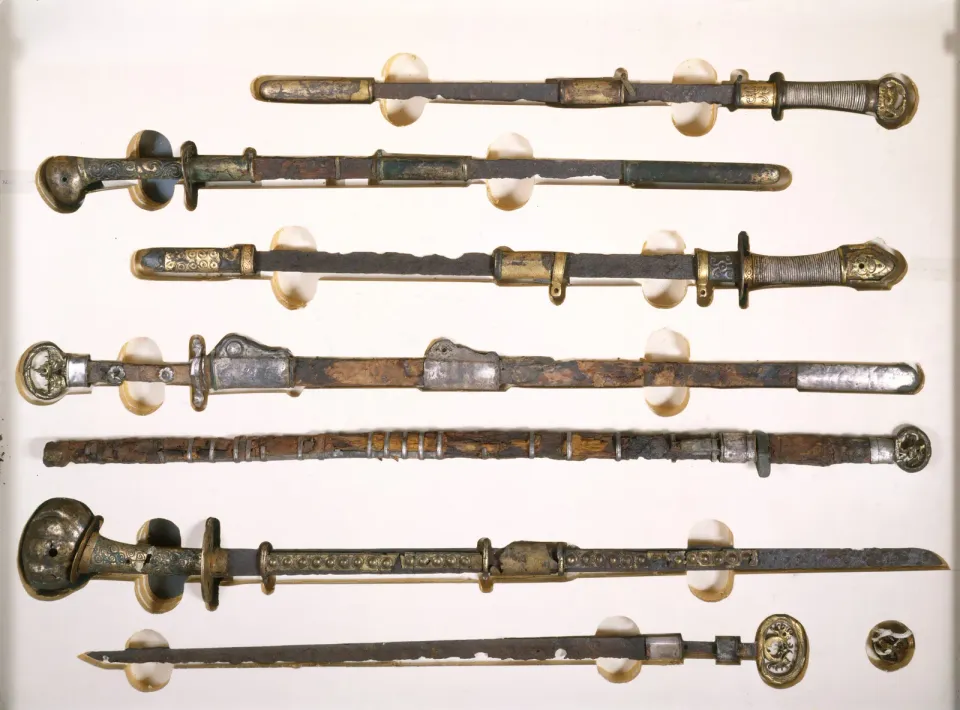
Kusanagi-no-Tsurugi
草薙剣 (Kusanagi-no-Tsurugi)
Cuts the grass by itself and turns back fire.
WeaponFirst recorded 712
Loading artifact…
Photograph: A lacquered cosmetics box (tebako) of the Kamakura period, early fourteenth century. The round-cornered black box and its lid are decorated with golden chrysanthemums, and metal rings for a cord are fitted on the side.
Focus the photograph, then use the arrow keys to pan and the plus and minus keys to zoom. The buttons at the lower left also move it. Press a numbered button on the photograph to zoom to that note.
玉手箱
As long as it stays closed it preserves youth, but opened, all the years that have passed fall upon you at once.
The fisherman Urashima rescued a turtle that children were tormenting on the beach. In gratitude the turtle carried him on its back to the Dragon Palace under the sea, where Otohime entertained him lavishly. After three dreamlike years, Urashima began to long for his parents at home.
As he left, Otohime gave him a lacquered box, the tamatebako, and told him never to open it. When he got home the village was strange and he knew no one: three years in the Dragon Palace had been three hundred years on land. In despair Urashima opened the box, white smoke rose from it, and he instantly became a white-haired old man.
In the oldest version, recorded in the early-eighth-century Tango no Kuni Fudoki, Urashima follows a maiden who had appeared as a five-colored turtle to the land of the immortals across the sea. When he opens the box, her fragrant form flies away on the clouds, and he can never return.
The photograph shows Cosmetics Box with Chrysanthemums(Japan, Kamakura period (1185–1333), early 1300s), a real museum object that evokes the legendary artifact.
草薙剣 (Kusanagi-no-Tsurugi)
Cuts the grass by itself and turns back fire.
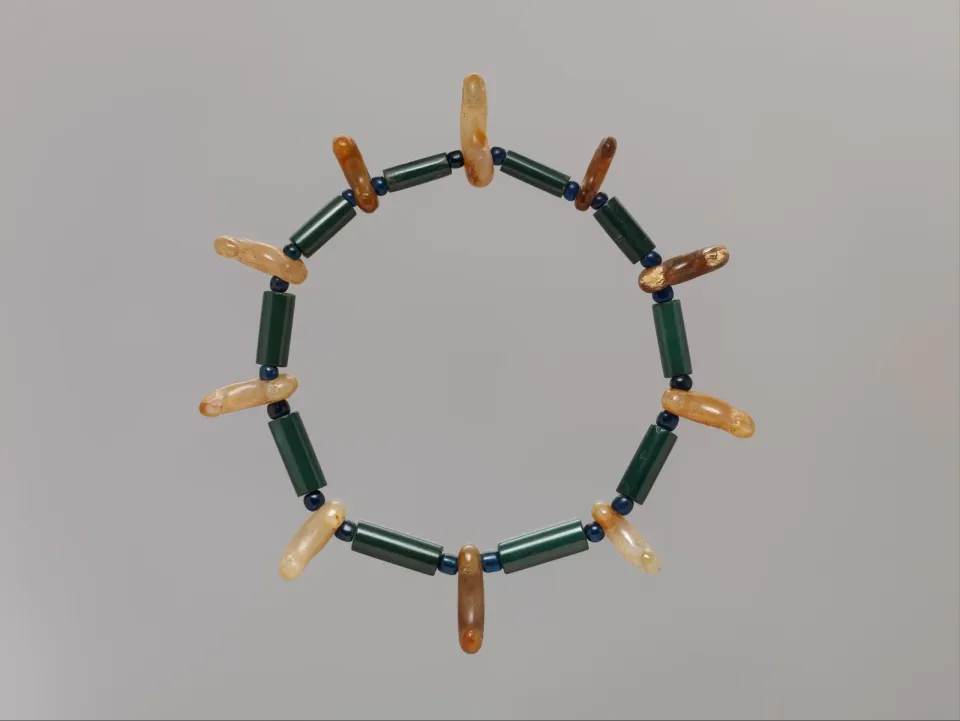
八尺瓊勾玉
One of the three sacred treasures, holding the spirit of the gods and the legitimacy of the imperial line.
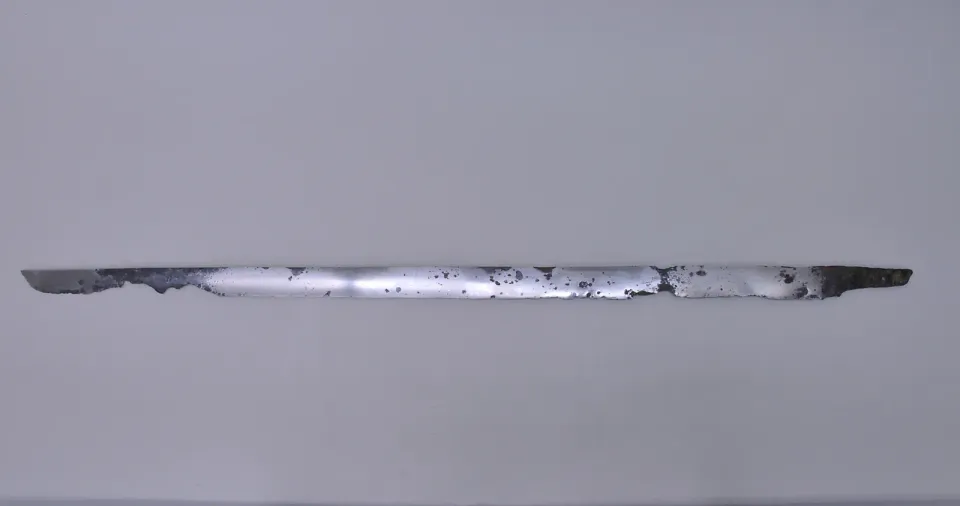
十拳剣
A great sword ten fists long, which cut the eight-headed serpent to pieces.
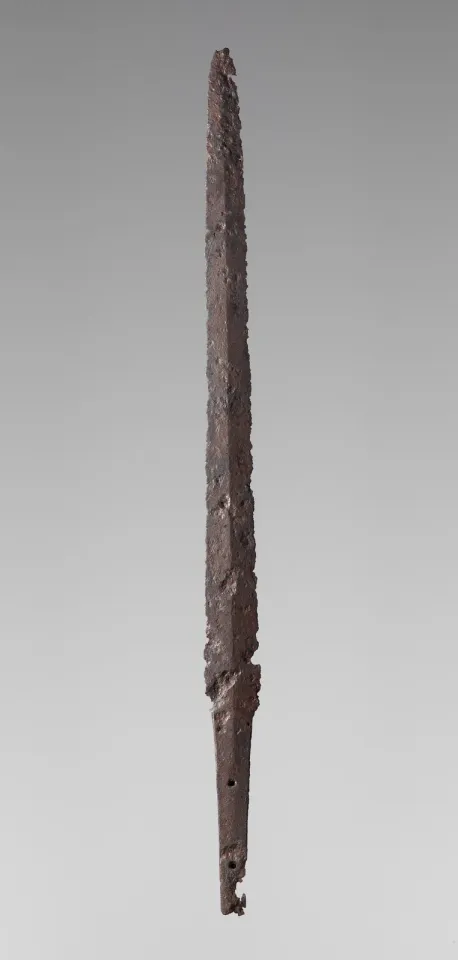
布都御魂
A single stroke revived soldiers felled by poisonous vapors.