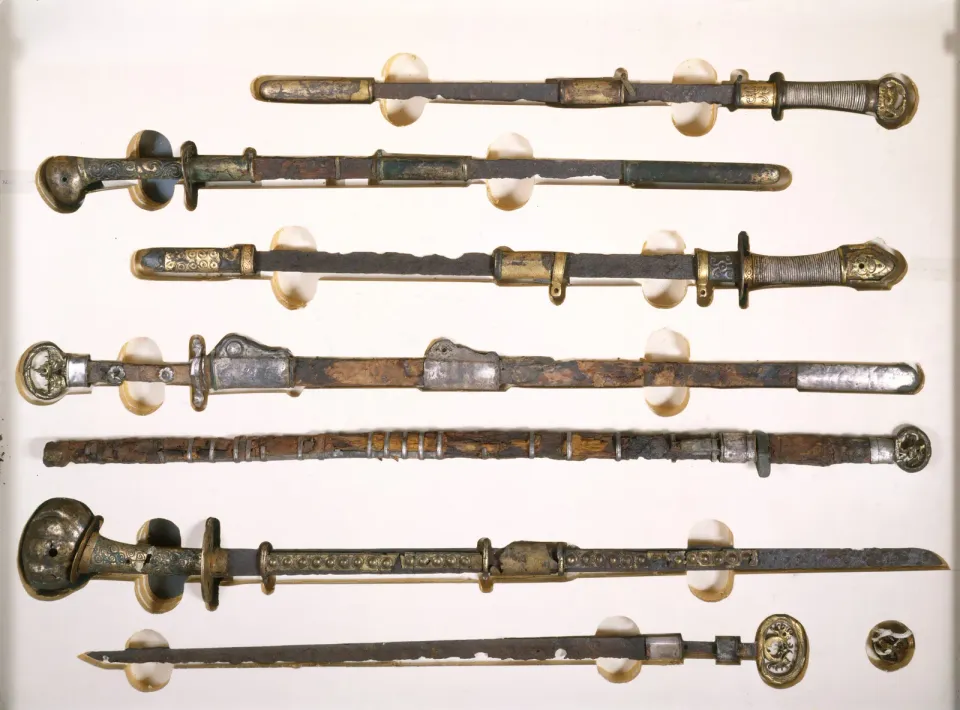
Japanese
Kusanagi-no-Tsurugi
草薙剣 (Kusanagi-no-Tsurugi)
Cuts the grass by itself and turns back fire.
WeaponFirst recorded 712
Loading artifact…
Photograph: Tide-Changing Jewel with Dragon, a decorative object of the Meiji period, early 1900s. A large crystal ball rests on a stand of rough waves wrought in silver and shakudo, a dragon twists among the waves, and another small crystal ball sits beside it.
Focus the photograph, then use the arrow keys to pan and the plus and minus keys to zoom. The buttons at the lower left also move it. Press a numbered button on the photograph to zoom to that note.
塩盈珠・塩乾珠
One makes the tide rise; the other makes it ebb.
Hoderi, the elder brother, who fished the sea, and Hoori, the younger, who hunted in the mountains, exchanged their tools for a day. Hoori lost his brother's fishhook in the sea, and though he broke his own sword to make a thousand hooks for him, his brother refused them, demanding the original.
As Hoori wept on the shore, the god of sea paths helped him reach the palace of Watatsumi, god of the sea, where he married the god's daughter Toyotama-hime. Three years later, hearing his story, the sea god found the fishhook caught in the throat of a sea bream and gave him, along with it, the shiomitsu-tama, which makes the tide rise, and the shiofuru-tama, which makes it ebb.
When Hoori returned to land and his brother attacked him, he raised the waters with the flood-tide jewel and drowned his brother, and when his brother begged for his life, he drew the waters back with the ebb-tide jewel. His brother swore to serve him. The Kojiki records that Hoori's grandson was Jimmu, the first emperor.
The photograph shows Tide-Changing Jewel with Dragon(Japan, Meiji period (1868–1912), early 1900s), a real museum object that evokes the legendary artifact.
草薙剣 (Kusanagi-no-Tsurugi)
Cuts the grass by itself and turns back fire.
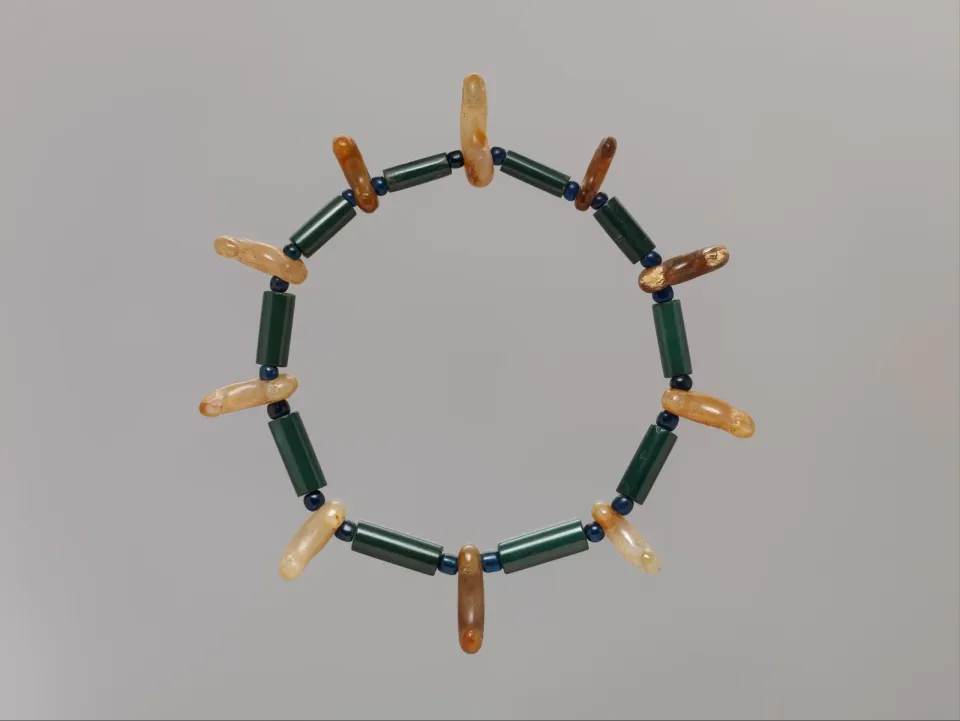
八尺瓊勾玉
One of the three sacred treasures, holding the spirit of the gods and the legitimacy of the imperial line.
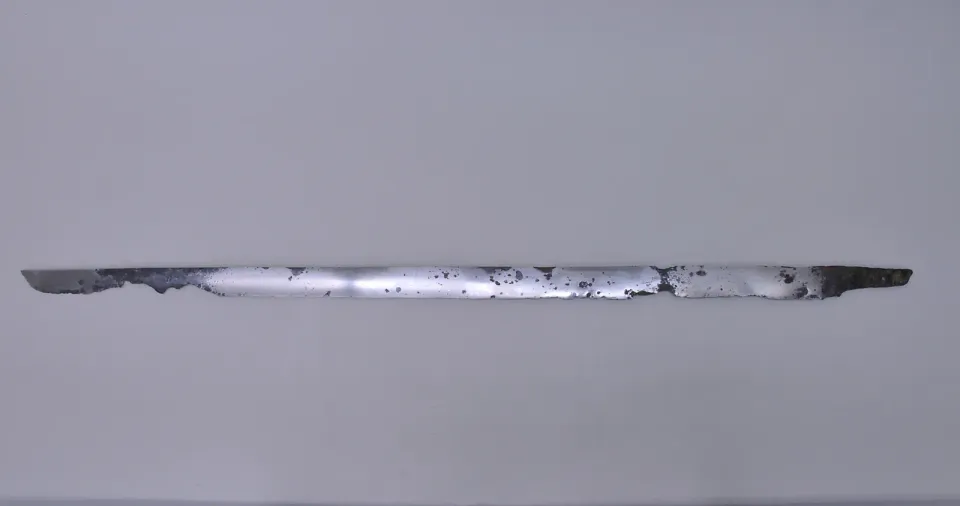
十拳剣
A great sword ten fists long, which cut the eight-headed serpent to pieces.
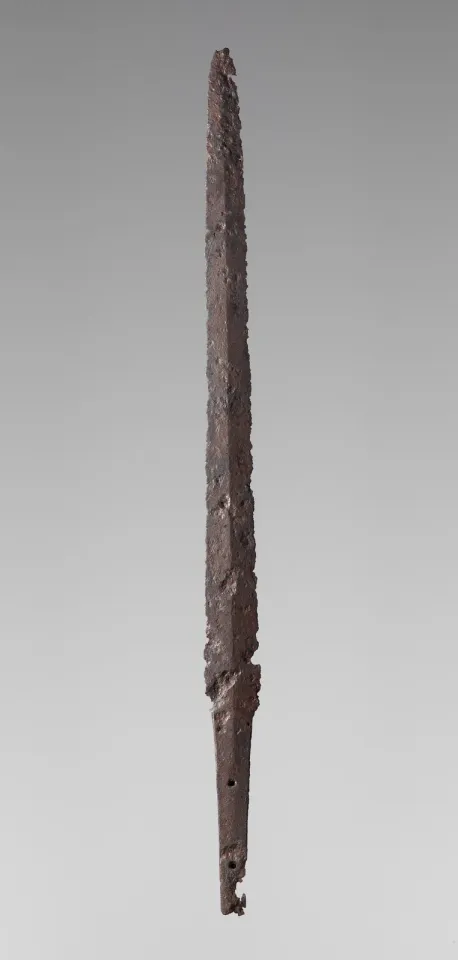
布都御魂
A single stroke revived soldiers felled by poisonous vapors.