Chinese
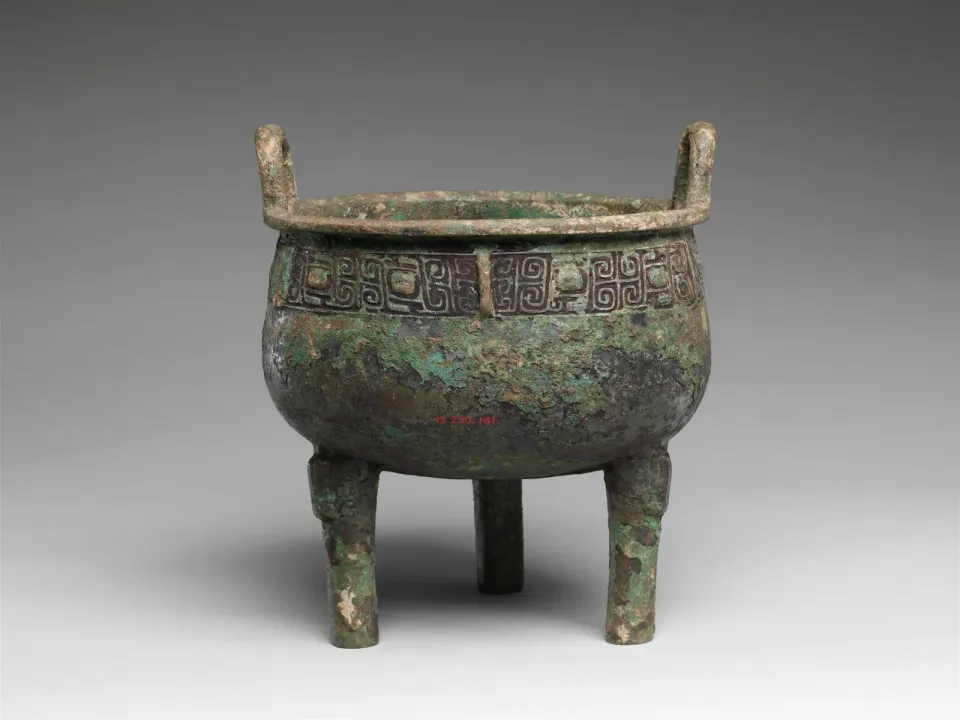
Nine Tripod Cauldrons
九鼎
The legitimacy to rule all under heaven. They rest with dynasties of virtue.
VesselFirst recorded c. 400 BCE
Loading artifact…
Photograph: A black-and-white photograph of a Tang dynasty earthenware ox cart, seventh to eighth century. A horned ox is harnessed to the shafts, and behind it are a cart compartment with a rounded roof and a large wheel with close-set spokes.
Focus the photograph, then use the arrow keys to pan and the plus and minus keys to zoom. The buttons at the lower left also move it. Press a numbered button on the photograph to zoom to that note.
木牛流馬
Without eating or resting, it carries army provisions along steep plank roads.
In 231, Zhuge Liang, chancellor of Shu Han, set out north to attack the state of Wei and built "wooden oxen" to carry his army's provisions. In his last northern campaign in 234, he moved provisions with "gliding horses." Chen Shou's Records of the Three Kingdoms notes this briefly, and in the fifth century Pei Songzhi, in his commentary, quoted Zhuge Liang's collected writings to give the size and construction of the wooden ox and gliding horse in detail.
The road north from Shu was a perilous route of plank roads built out from cliff faces. The wooden oxen and gliding horses carried provisions along it without eating or resting. Scholars today guess they were one-wheeled barrows or four-wheeled carts.
In the Romance of the Three Kingdoms they become mechanical oxen and horses. When Sima Yi captured a few and copied them for his own use, Zhuge Liang had his soldiers twist the tongues of the Wei army's oxen and horses. With their tongues twisted, the oxen and horses would not budge, and the Shu army hauled them away, provisions and all.
The photograph shows Ox cart(China, 7th–8th century), a real museum object that evokes the legendary artifact.
九鼎
The legitimacy to rule all under heaven. They rest with dynasties of virtue.
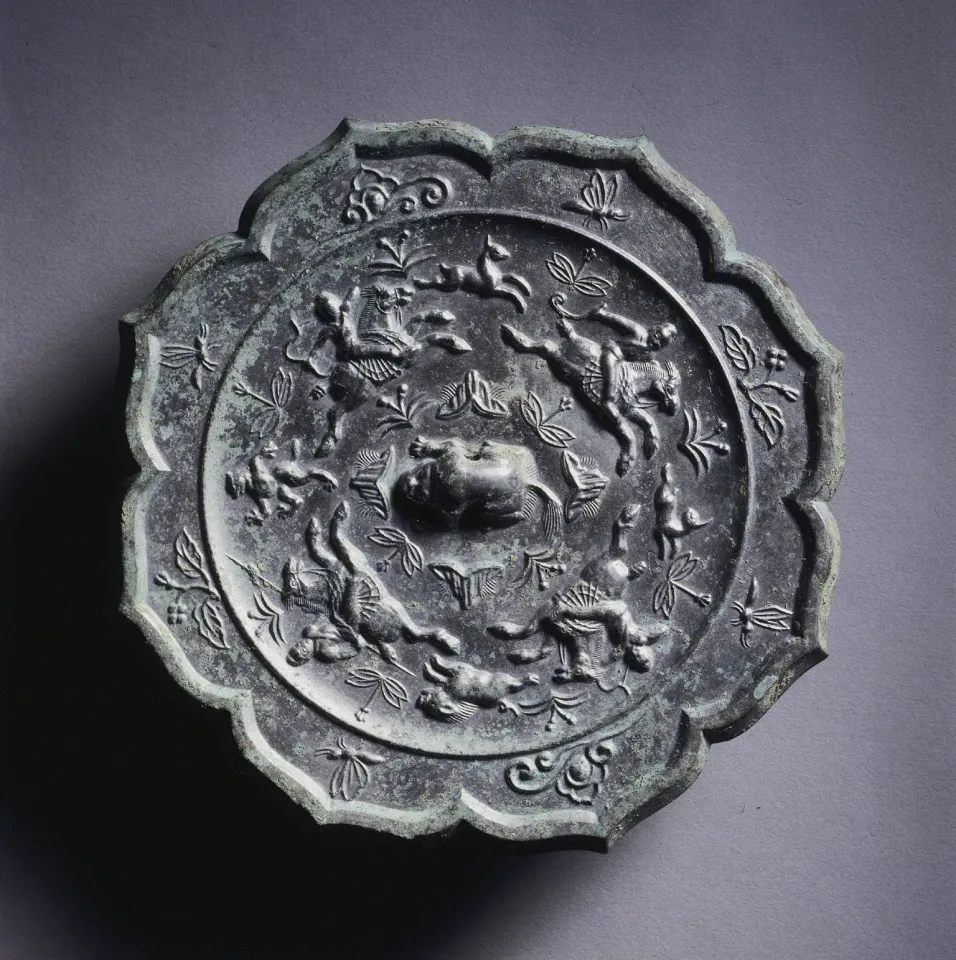
彤弓 (羿)
A red bow strong enough to shoot suns out of the sky.
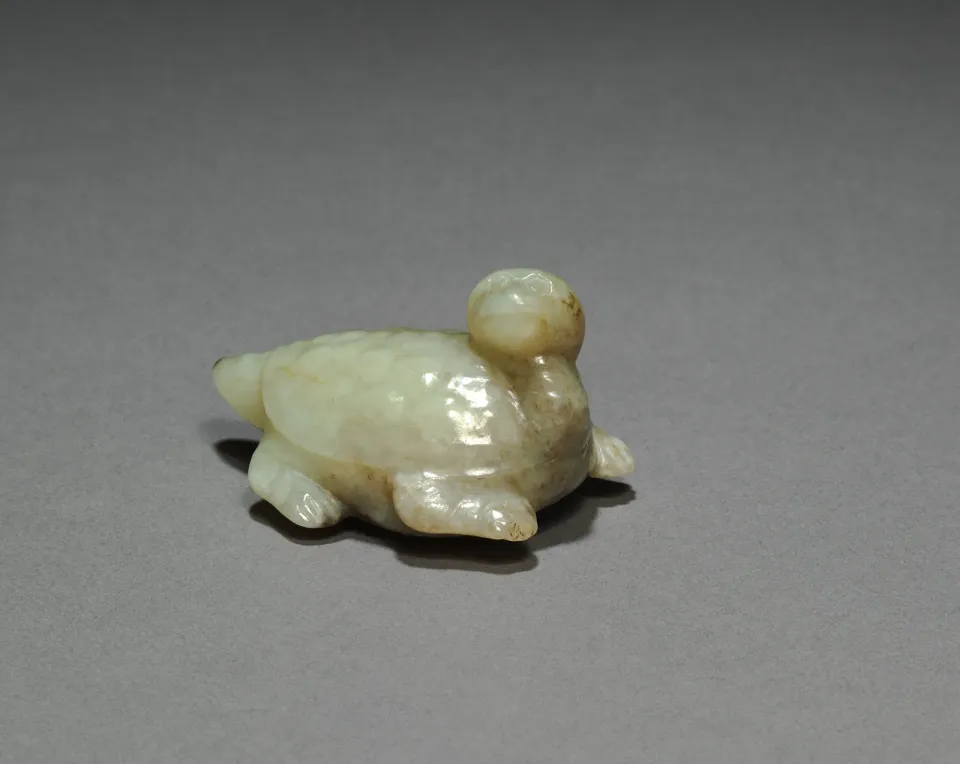
河圖洛書
From the dot patterns on their backs came the eight trigrams and the nine great laws of government.
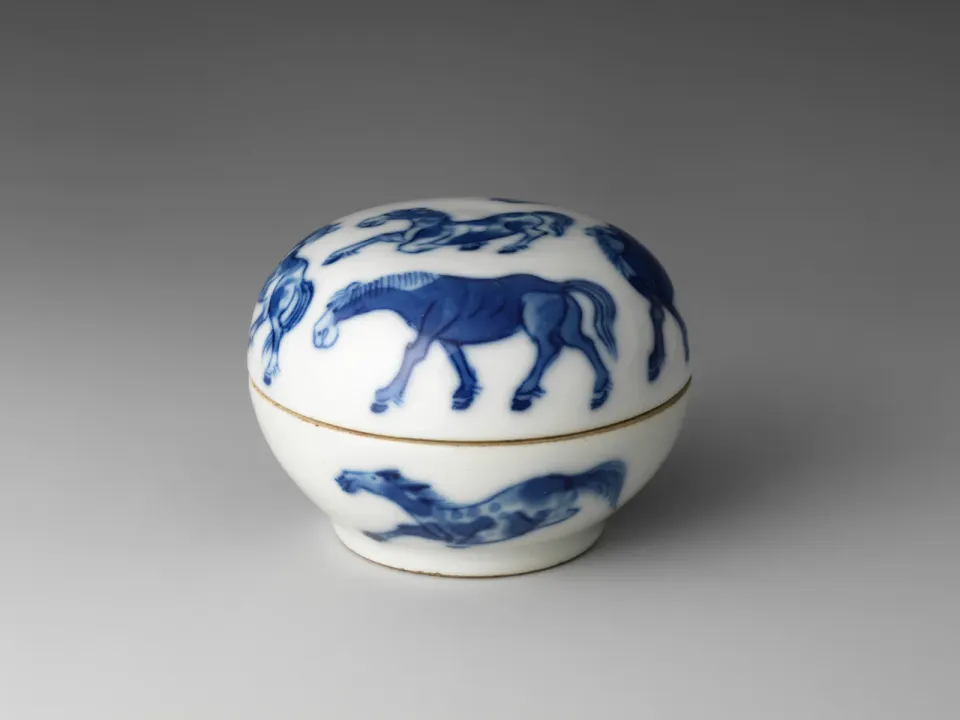
穆王八駿
Eight fine horses that ran a thousand li a day and carried King Mu to the far west.