Egypt & Near East
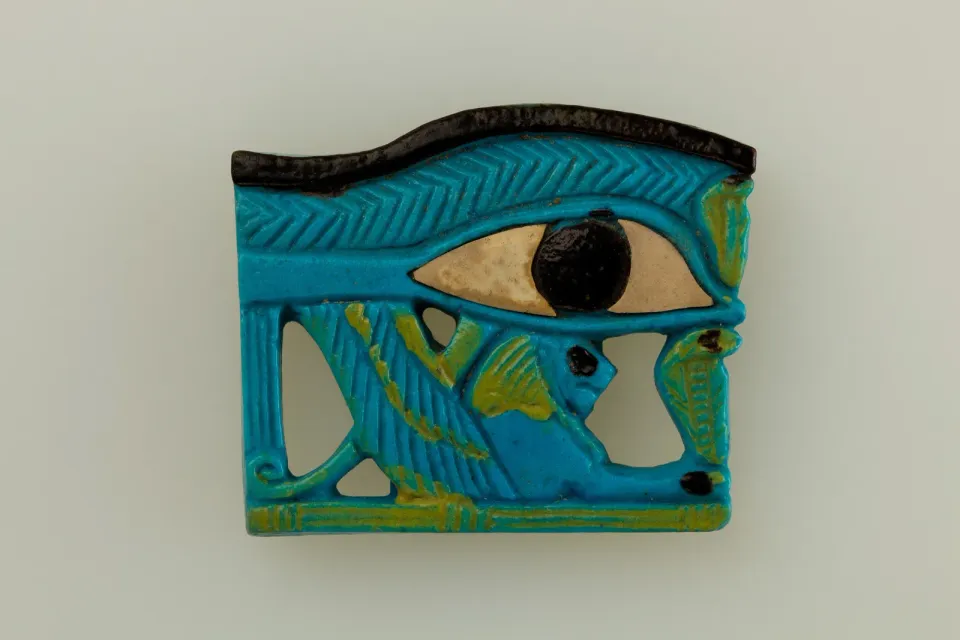
Eye of Horus
Wedjat (Eye of Horus)
An amulet that heals what is hurt and keeps the body whole.
JewelFirst recorded c. 2400 BCE
Loading artifact…
Photograph: A wooden scribe's palette from Egypt's New Kingdom, about 1540–1186 BCE. One end of the long wooden plank has two round wells for mixing ink, and a slot for reed pens runs along the middle.
Focus the photograph, then use the arrow keys to pan and the plus and minus keys to zoom. The buttons at the lower left also move it. Press a numbered button on the photograph to zoom to that note.
Book of Thoth
Its first spell charms sky, earth and sea and reveals the speech of beasts; its second lets one see the gods even after death.
Setne Khaemwaset, son of Ramesses II, was a renowned scholar and magician. In search of a book of magic said to have been written by Thoth, god of wisdom, himself, he entered the tomb of the ancient prince Naneferkaptah at Memphis. Inside, the book was glowing, and the spirits of Naneferkaptah and his wife Ahwere stood in his way.
Ahwere told him the story. Naneferkaptah had taken the book from the middle of the river at Coptos, where it lay in nested boxes of iron, copper, wood, ivory and ebony, silver and gold, guarded by snakes and scorpions. Reading its first spell, one could charm the sky, the earth and the sea and understand the speech of birds, fish and beasts; reading the second, one could see the gods of the sun and moon even after death. But through the anger of Thoth, Ahwere and her son drowned in the river, and Naneferkaptah threw himself into the water.
Setne carried off the book after a contest at a board game, but only after suffering terrible things did he return it to the tomb. The story survives in Demotic script on a papyrus of about the third century BCE.
The photograph shows Scribe's Palette(Egypt, New Kingdom (1540–1069 BCE), Dynasties 18–19, 1540–1186 BCE), a real museum object that evokes the legendary artifact.
Wedjat (Eye of Horus)
An amulet that heals what is hurt and keeps the body whole.
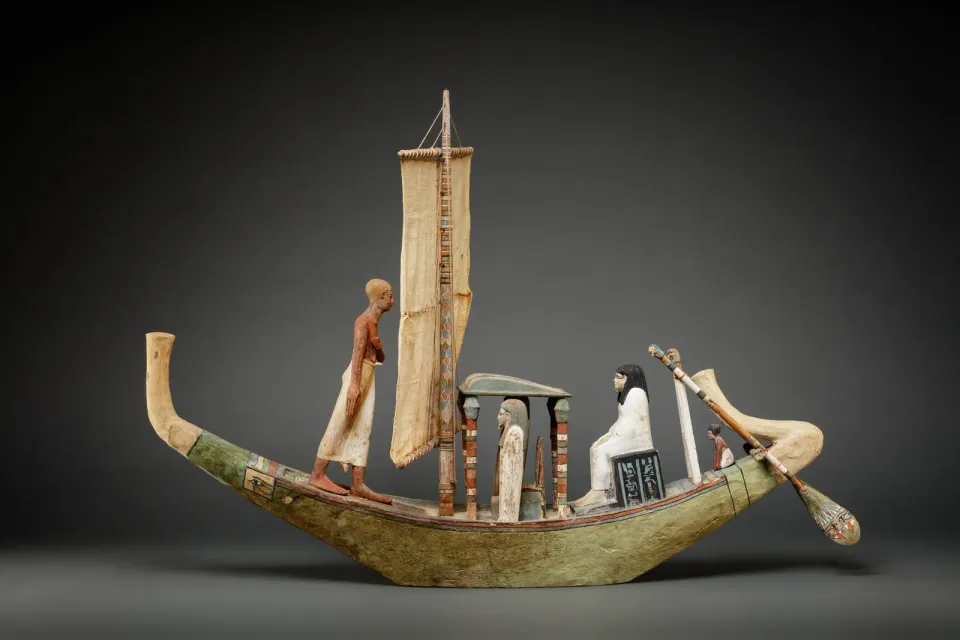
Solar Barque of Ra
Crossing the sky by day and the underworld by night, it makes the sun rise again.
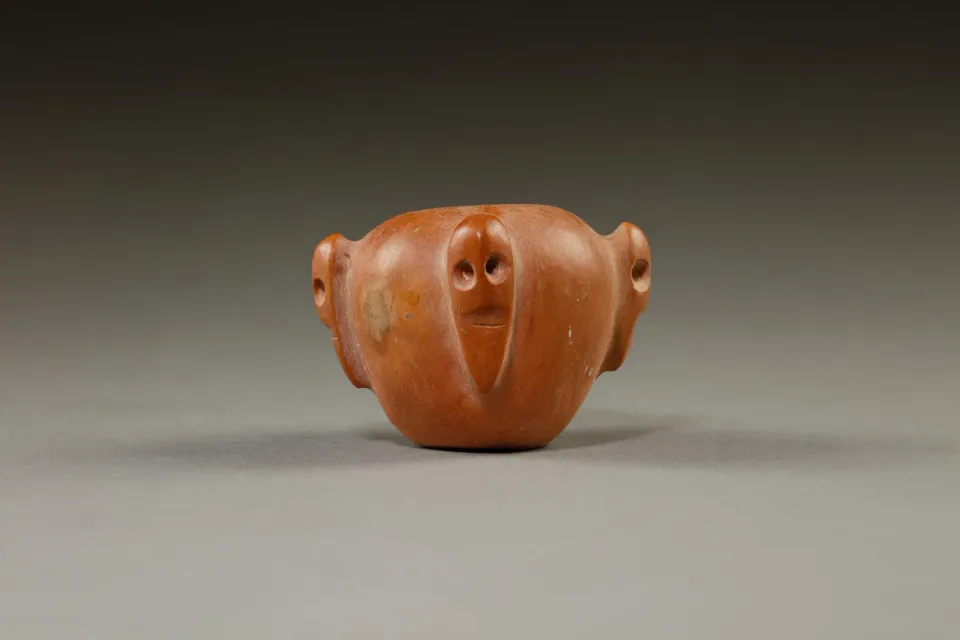
Šar-ur
It speaks, flies off on its own to spy on the enemy, and reports back to its master.
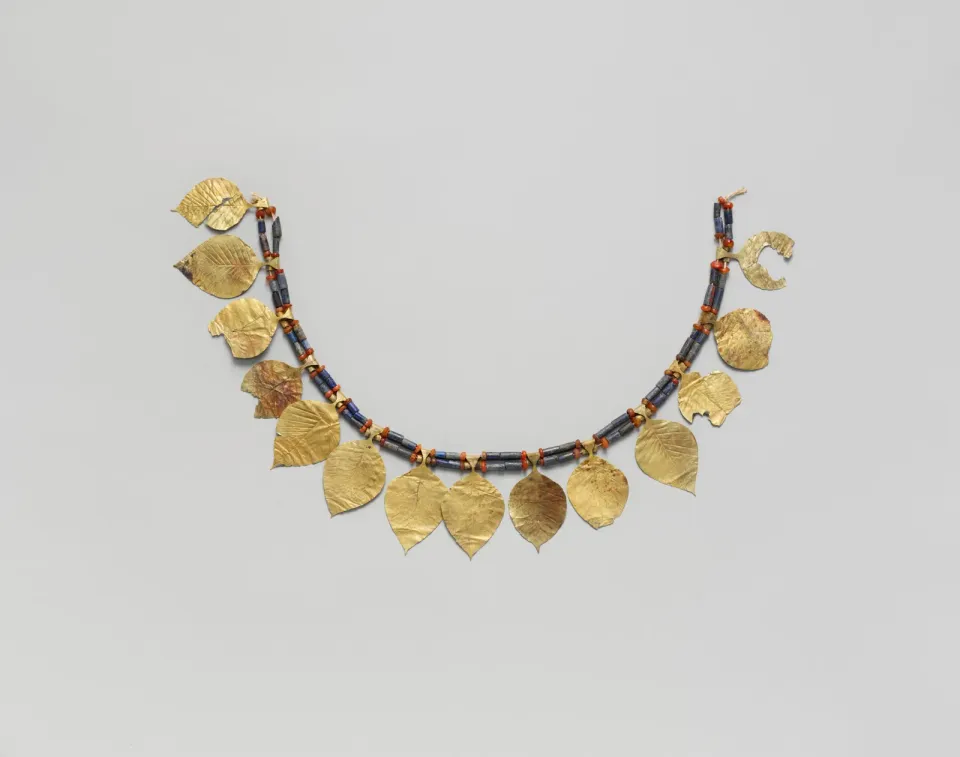
Seven Me of Inanna
Seven ornaments holding the goddess's powers. With each one she removes, she loses her strength.