Egypt & Near East
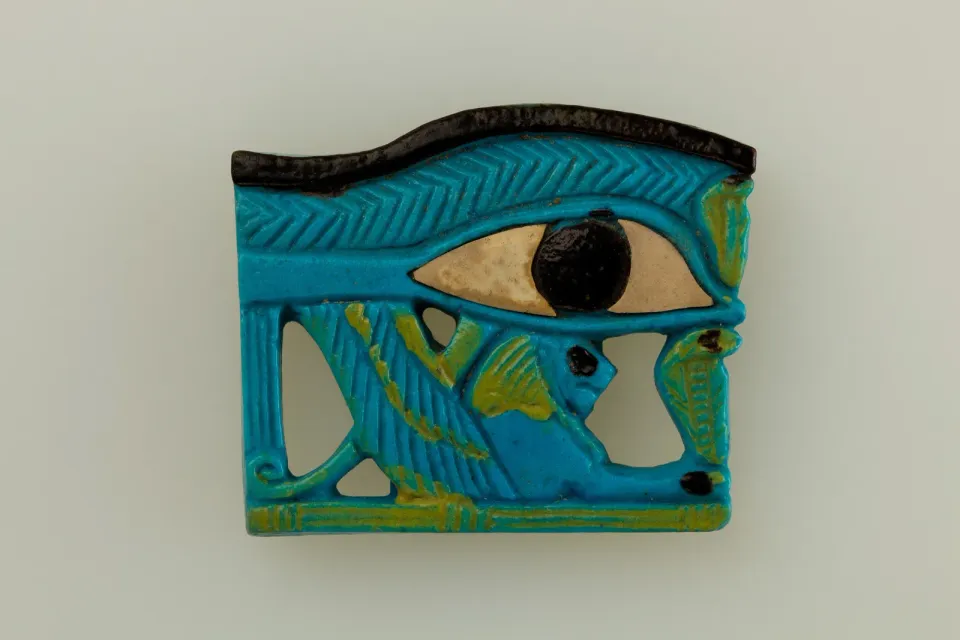
Eye of Horus
Wedjat (Eye of Horus)
An amulet that heals what is hurt and keeps the body whole.
JewelFirst recorded c. 2400 BCE
Loading artifact…
Photograph: An apkallu (sage) figure modeled in clay in Assyria in the ninth–eighth century BCE. A man wearing a fish skin like a hood from his head down his back stands with both hands held before his chest; the surface is worn and the outlines are blurred.
Focus the photograph, then use the arrow keys to pan and the plus and minus keys to zoom. The buttons at the lower left also move it. Press a numbered button on the photograph to zoom to that note.
Akal Balāṭi u Mê Balāṭi
Whoever ate and drank them would live forever.
In the Mesopotamian Legend of Adapa, Adapa is the sage whom Ea, god of wisdom, placed in the city of Eridu. One day, fishing at sea, he broke the wing of the south wind that had overturned his boat, and for seven days no wind blew. Anu, god of the sky, grew angry and summoned Adapa to heaven.
Ea warned Adapa that in heaven Anu would offer him the bread of death and the water of death, and that he must neither eat nor drink. But after hearing Adapa out, Anu's anger cooled, and what he offered was the bread of life and the water of life. Adapa refused them as Ea had told him, and lost eternal life.
Why Ea gave such advice is still debated. The oldest copy of the story is a fourteenth-century BCE tablet found at Amarna in Egypt, apparently used by Egyptian scribes to learn cuneiform. Later tradition counted Adapa first among the Seven Sages.
The photograph shows Apkallu figure: male with a fish-skin hood(Assyrian, ca. 9th–8th century BCE), a real museum object that evokes the legendary artifact.
Wedjat (Eye of Horus)
An amulet that heals what is hurt and keeps the body whole.
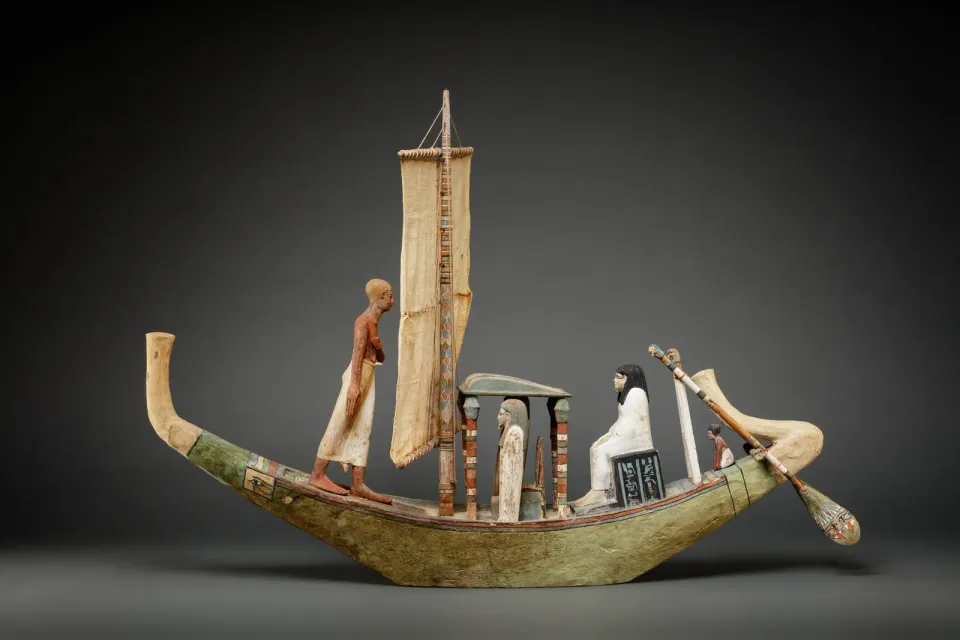
Solar Barque of Ra
Crossing the sky by day and the underworld by night, it makes the sun rise again.
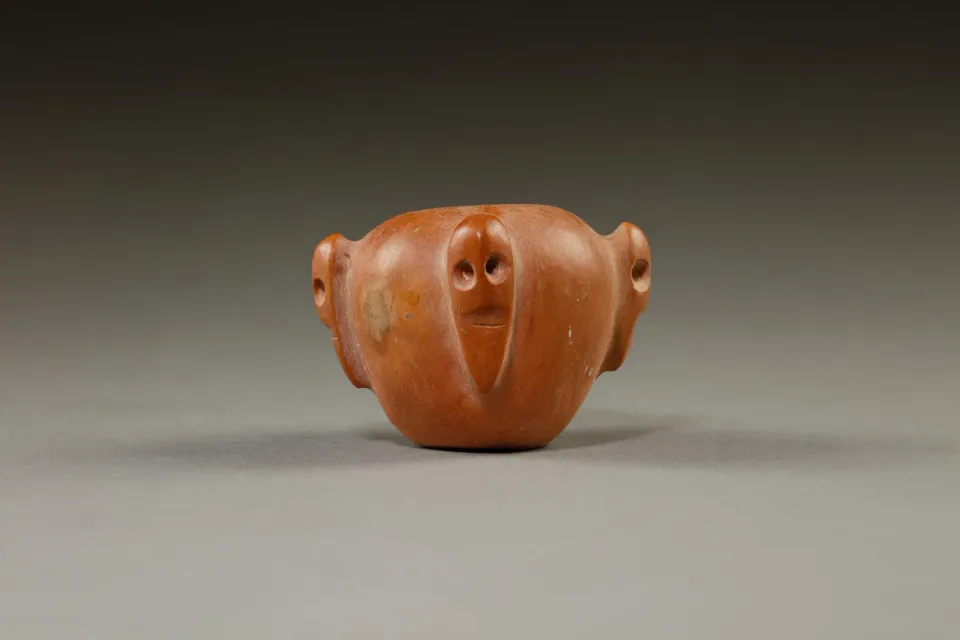
Šar-ur
It speaks, flies off on its own to spy on the enemy, and reports back to its master.
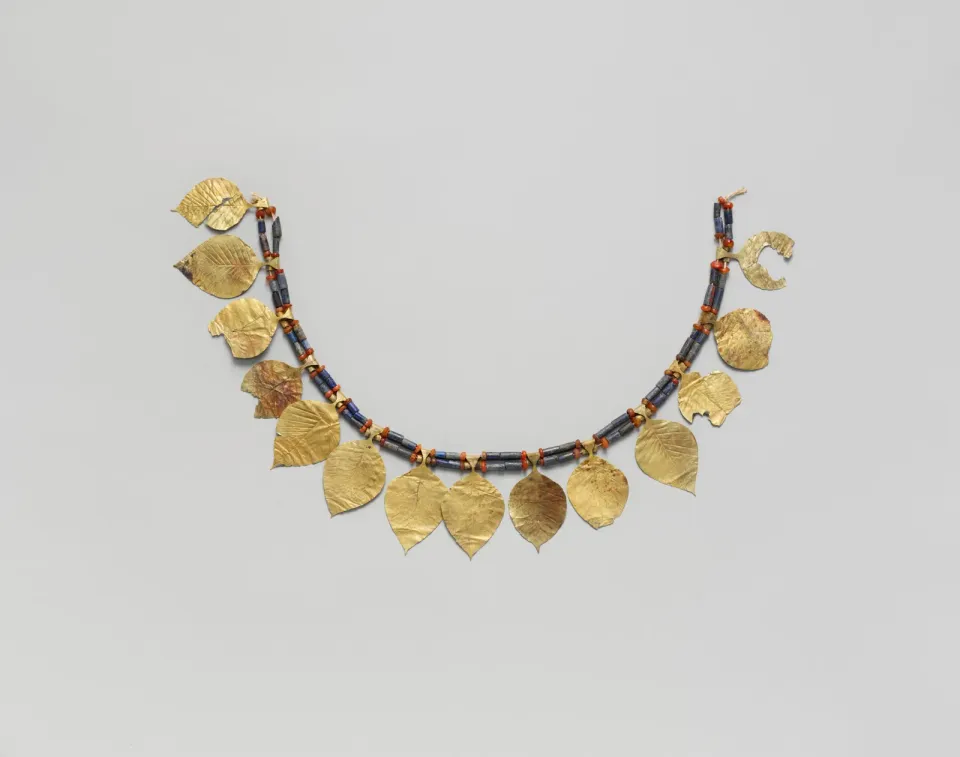
Seven Me of Inanna
Seven ornaments holding the goddess's powers. With each one she removes, she loses her strength.