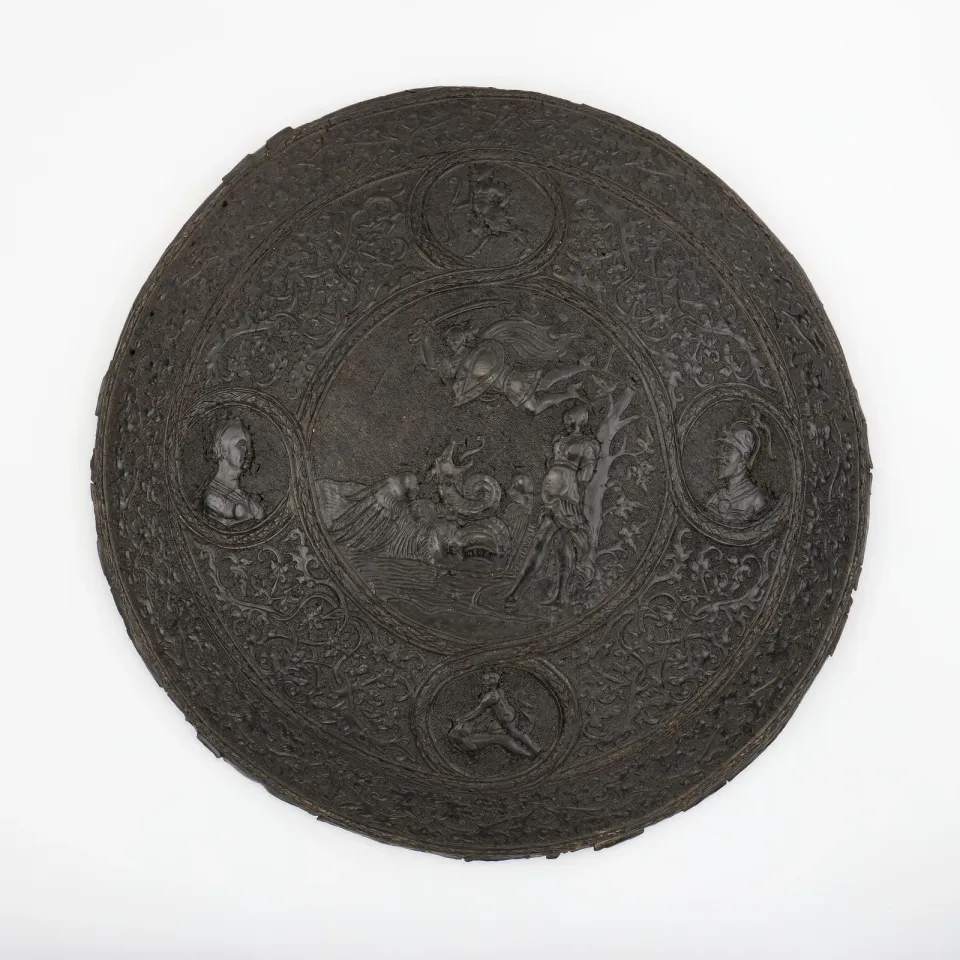
Greek
Aegis
Aegis (Αἰγίς)
Shaken, it raises storms and sends enemy armies fleeing in terror.
ArmorFirst recorded c. 750 BCE
Loading artifact…
Photograph: An Athenian black-figure water jar (hydria) painted by the Antimenes Painter about 520 BCE. In the middle of the orange body, a chariot drawn by four horses is shown from the front, with a band of animals below.
Focus the photograph, then use the arrow keys to pan and the plus and minus keys to zoom. The buttons at the lower left also move it. Press a numbered button on the photograph to zoom to that note.
Chariot of Helios
Drawn by four fire-breathing horses, it carries the sun across the sky every day.
Every day the sun god Helios rose at the eastern edge of the world in a golden chariot drawn by four horses, crossed the sky and went down into the western sea. The horses breathed fire from their nostrils, and at night Helios sailed back east on a golden cup across the river that encircles the world.
Helios's son Phaethon was mocked by his friends, who said he was not truly the son of the Sun. He went to his father, won a promise to grant him anything, and begged to drive the chariot for just one day. Helios tried to dissuade him, but he could not take back an oath sworn by the Styx, the river of the underworld.
The horses knew their master was not driving and ran wild off their course. When the chariot climbed too high the earth froze, and when it came too low the rivers dried and the land burned. Seeing that the world would burn up, Zeus struck Phaethon down with a thunderbolt. His sisters, weeping on the riverbank, turned into poplars, and their tears became amber.
The photograph shows Black-Figure Hydria (Water Vessel): Frontal Quadriga (Body); Theseus and Minotaur (Shoulder)(Greece, Attic, c. 520 BCE), a real museum object that evokes the legendary artifact.
Aegis (Αἰγίς)
Shaken, it raises storms and sends enemy armies fleeing in terror.
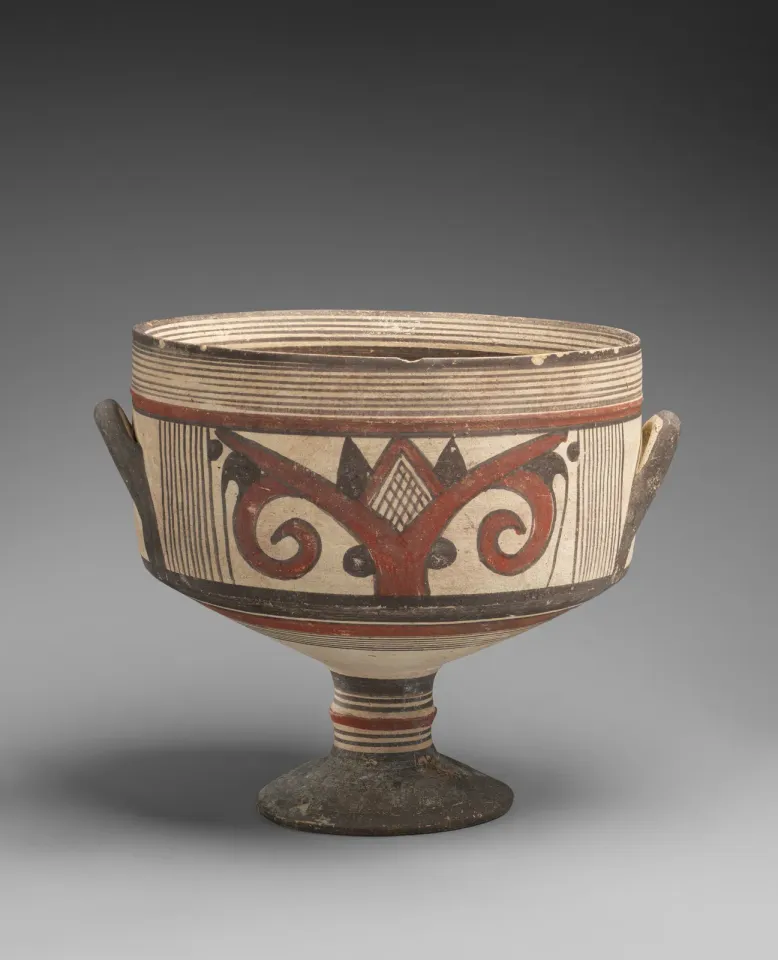
Ambrosia & Nectar
Keeps the gods ageless and deathless.
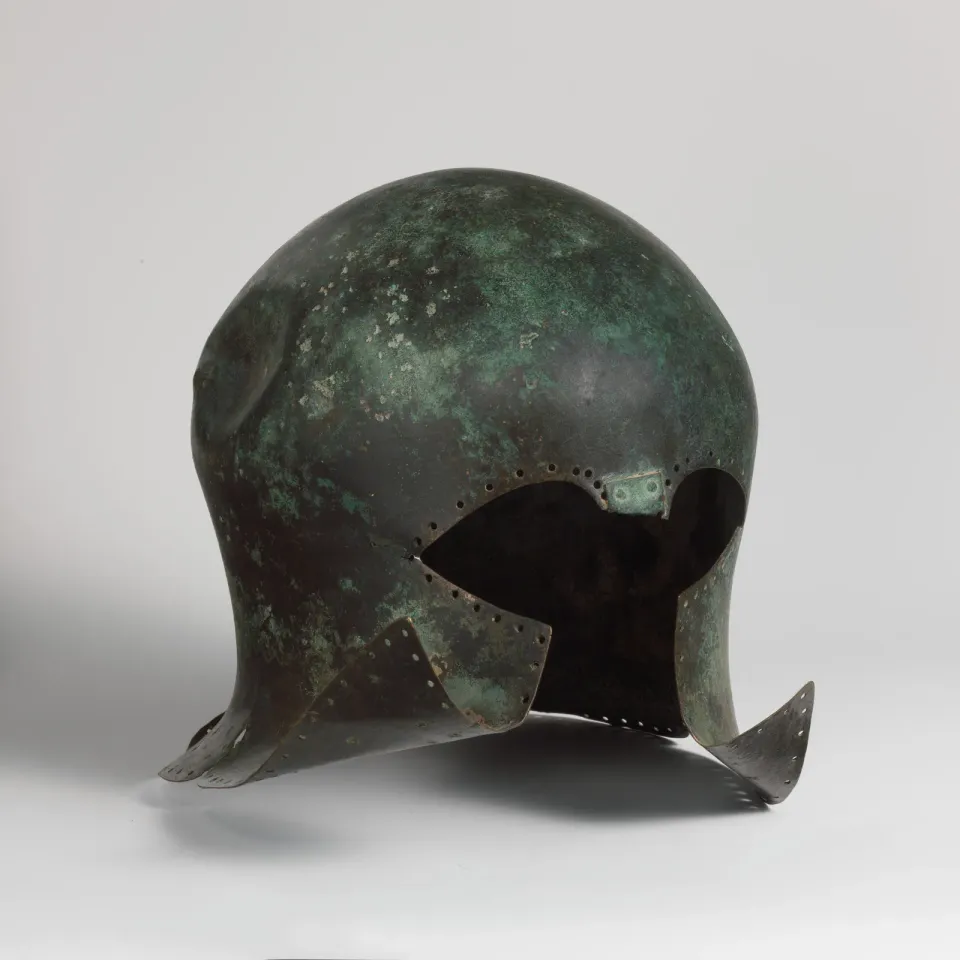
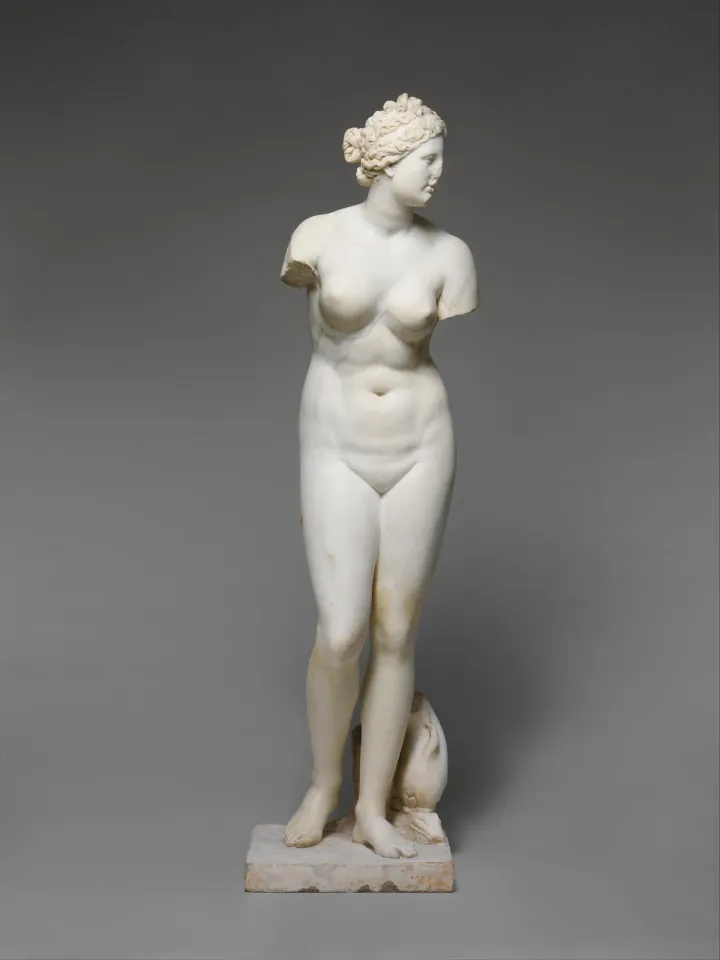
Kestos Himas (Κεστὸς ἱμάς)
Embroidered with love, longing and beguiling words, it makes anyone fall in love.