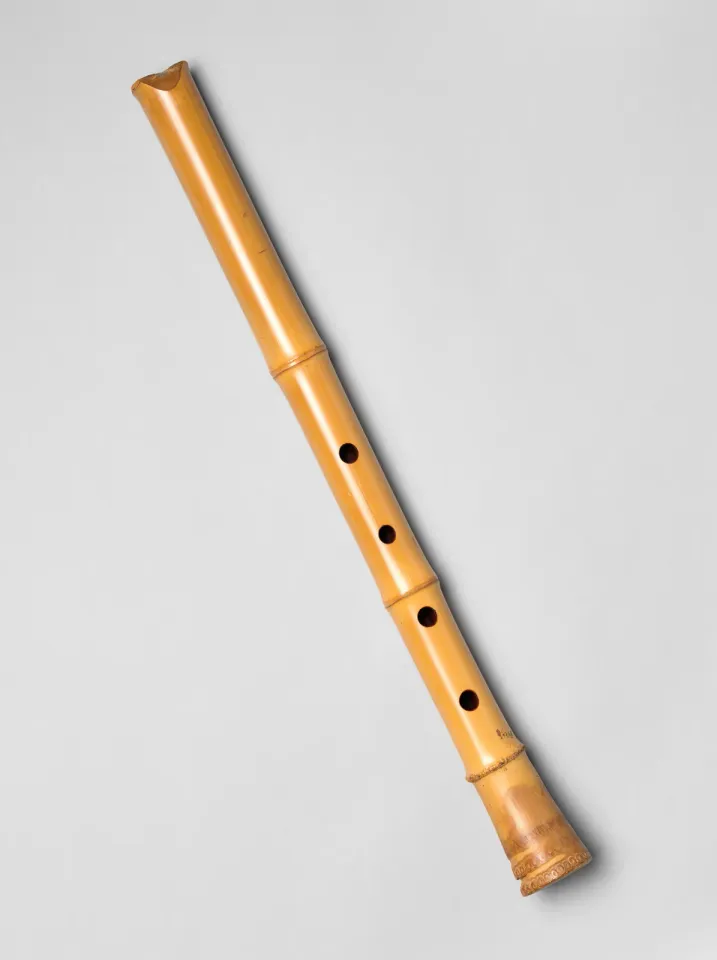
Korean
Manpasikjeok
萬波息笛
When played, enemy armies retreat, illness is cured, drought brings rain and rough waves grow calm.
TreasureFirst recorded 1281
Loading artifact…
Photograph: A Joseon wooden mask of an old man from the nineteenth century. The black-painted face is carved with a wrinkled brow, open eyes and a prominent nose, and a long beard of hair hangs from the chin.
Focus the photograph, then use the arrow keys to pan and the plus and minus keys to zoom. The buttons at the lower left also move it. Press a numbered button on the photograph to zoom to that note.
處容假面
Merely by posting a picture of Cheoyong's face, the spirit that spreads disease is kept from entering the house.
When King Heongang of Silla went out to Gaeunpo on the shore of the East Sea, clouds and fog suddenly rolled in and he lost his way. Told that it was the work of the Dragon of the East Sea, the king ordered a temple built for the dragon, and the fog cleared; the delighted dragon appeared with his seven sons and danced. One of them, Cheoyong, followed the king to the capital, received an official post and married a beautiful wife.
One night Cheoyong came home to find the spirit of pestilence lying beside his wife. Cheoyong sang a song beginning, "Under the bright moon of the capital, I roamed far into the night," danced and withdrew. Moved, the spirit knelt and swore that from then on he would not enter any house where he saw even a picture of Cheoyong's face.
From then on the people of Silla posted Cheoyong's face on their gates to drive away evil. The music treatise Akhak Gwebeom, compiled in 1493, pictures the Cheoyong mask with a red face and a samo hat adorned with peony flowers and peaches, and the Cheoyong dance is still performed as a court dance.
The photograph shows Mask of an Elder(Korea, Joseon dynasty (1392–1910), 1800s), a real museum object that evokes the legendary artifact.
萬波息笛
When played, enemy armies retreat, illness is cured, drought brings rain and rough waves grow calm.
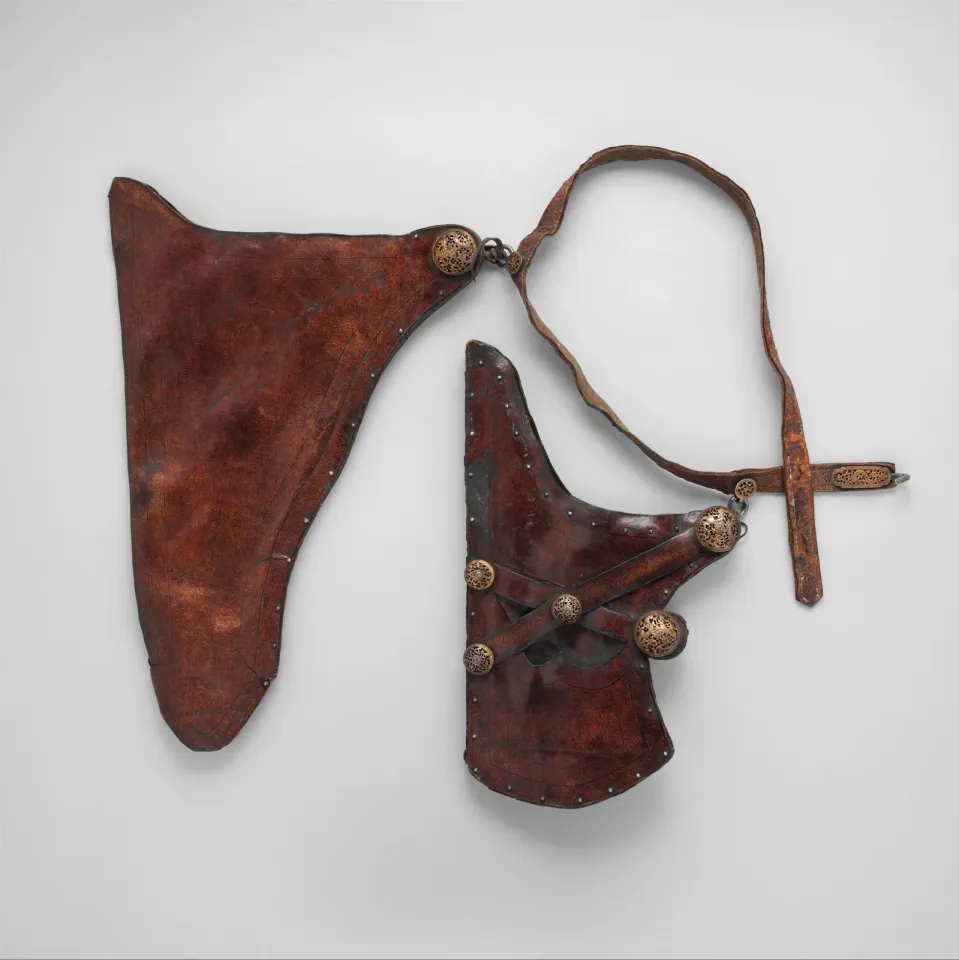
朱蒙之弓
Every arrow hit its mark, so that "jumong," meaning a fine archer, became his name.
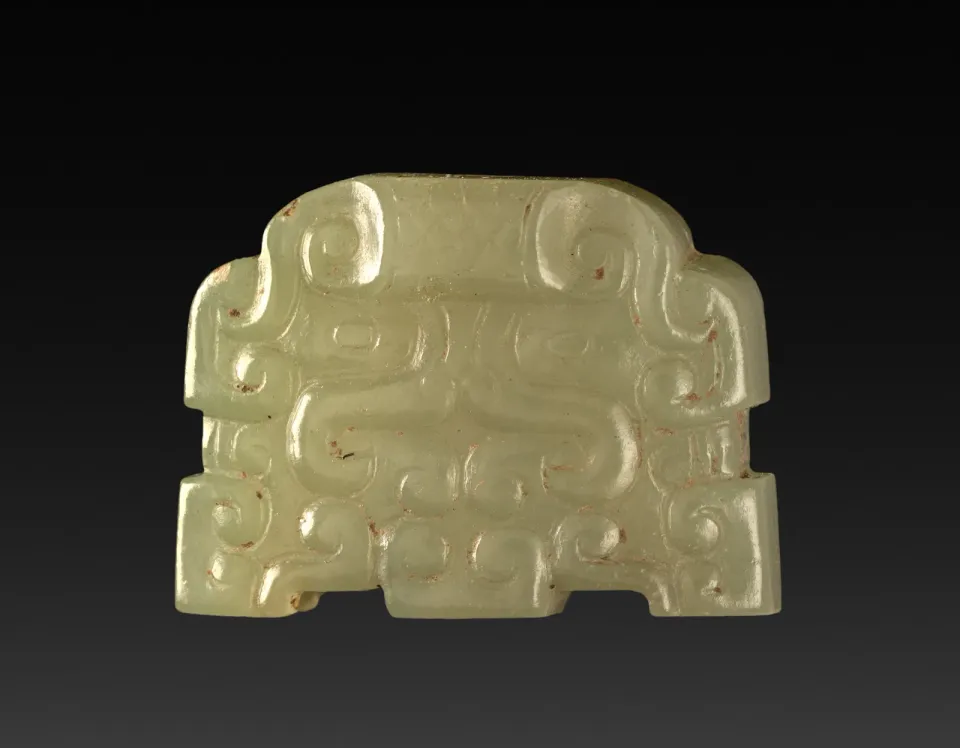
金錐子 (방이 설화)
Strike it, saying "Out with gold!", and whatever one wishes comes pouring out.
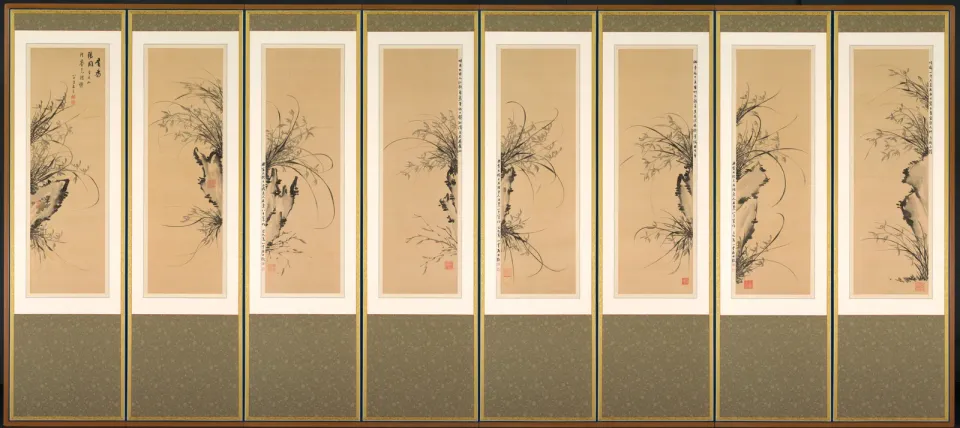
浮石
A great rock that Seonmyo became; it rose into the air and drove off the band that stood in Uisang's way.