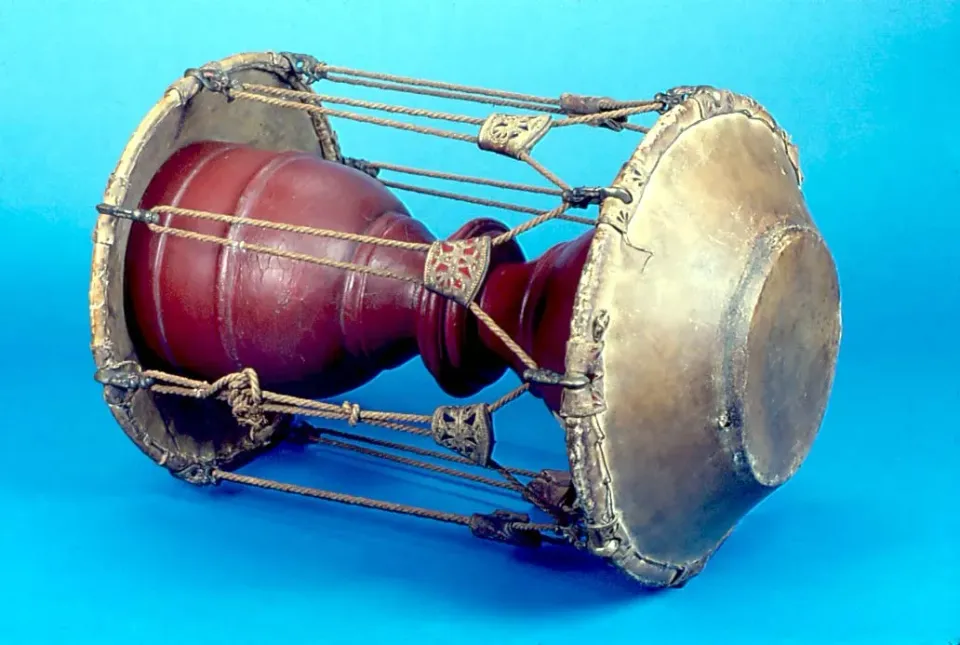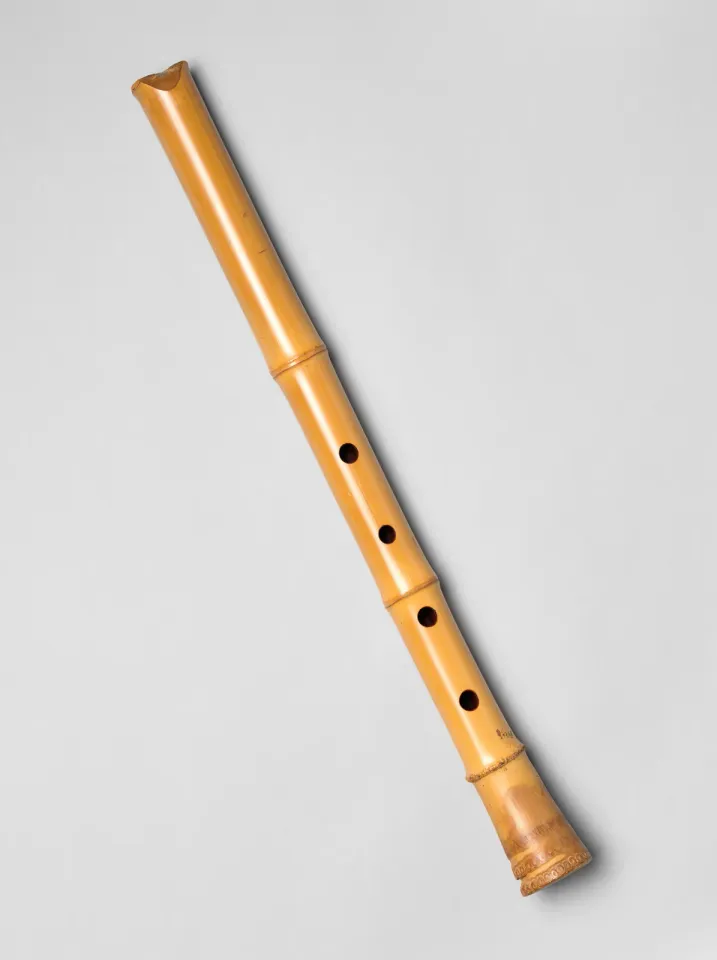
Korean
Manpasikjeok
萬波息笛
When played, enemy armies retreat, illness is cured, drought brings rain and rough waves grow calm.
TreasureFirst recorded 1281
Loading artifact…
Photograph: Orchids and Rocks, an eight-panel folding screen painted in ink on silk by Yi Ha-eung (the Heungseon Daewongun) in 1897–98. On every panel long, slender orchid leaves sweep vigorously around rocks drawn in ink, and some panels bear inscriptions and seals.
Focus the photograph, then use the arrow keys to pan and the plus and minus keys to zoom. The buttons at the lower left also move it. Press a numbered button on the photograph to zoom to that note.
浮石
A great rock that Seonmyo became; it rose into the air and drove off the band that stood in Uisang's way.
According to the Biography of Uisang in the Song Biographies of Eminent Monks, compiled by the Song monk Zanning, the Silla monk Uisang went to study in Tang China and stayed at the house of a lay believer in Dengzhou. Seonmyo, the daughter of the house, fell in love with Uisang, but seeing his firm resolve she vowed to help him forever.
When Uisang finished his studies and boarded a ship home to Silla, Seonmyo, learning of it too late, threw herself into the sea and became a dragon. The dragon guarded Uisang's ship so that he crossed safely to Silla.
When Uisang sought to build a temple at the foot of Mount Taebaek, another band who held the land blocked his way. Then Seonmyo turned into a huge rock a li square and hung in the air above the temple site as if about to fall, and the band scattered in fright. For this the temple was named Buseoksa, the 'Temple of the Floating Rock,' it is said. Even today a great rock carved with the characters for 'floating rock' stands west of Muryangsujeon hall at Buseoksa.
The photograph shows Orchids and Rocks(Korea, Joseon dynasty (1392–1910), Korean Empire period (1897–1910), 1897–98), a real museum object that evokes the legendary artifact.
萬波息笛
When played, enemy armies retreat, illness is cured, drought brings rain and rough waves grow calm.
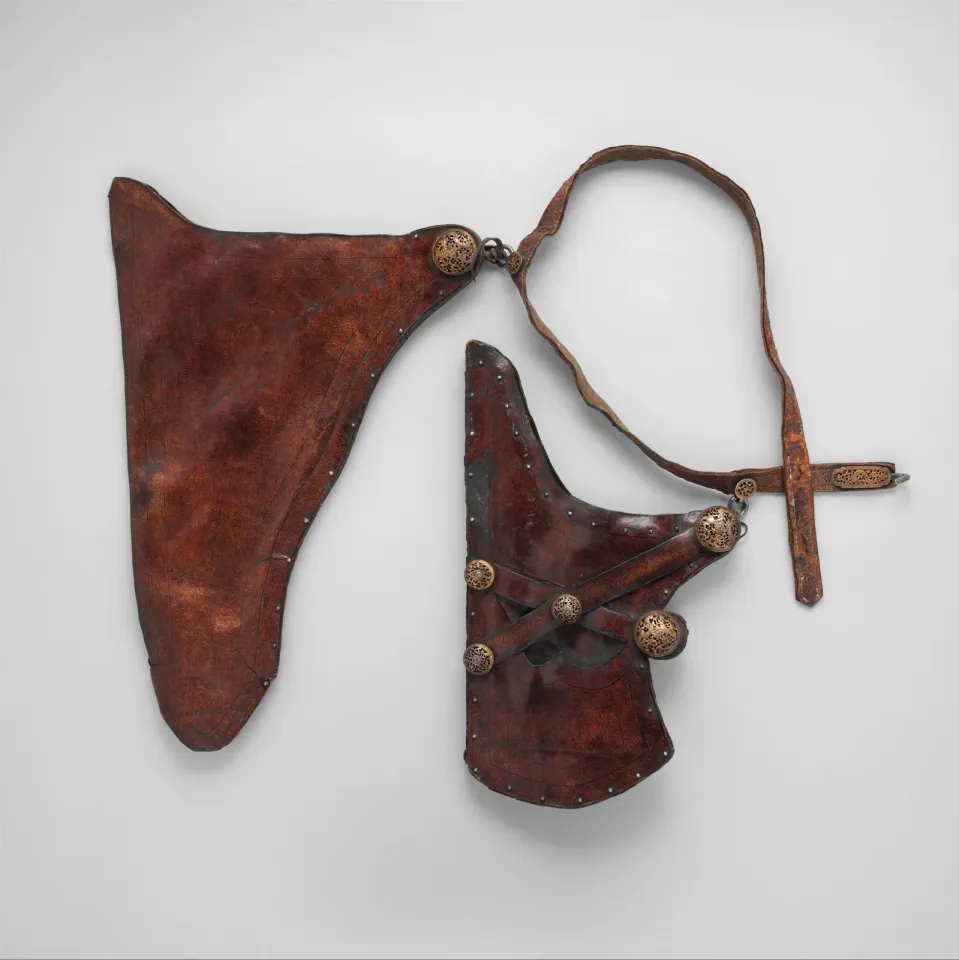
朱蒙之弓
Every arrow hit its mark, so that "jumong," meaning a fine archer, became his name.
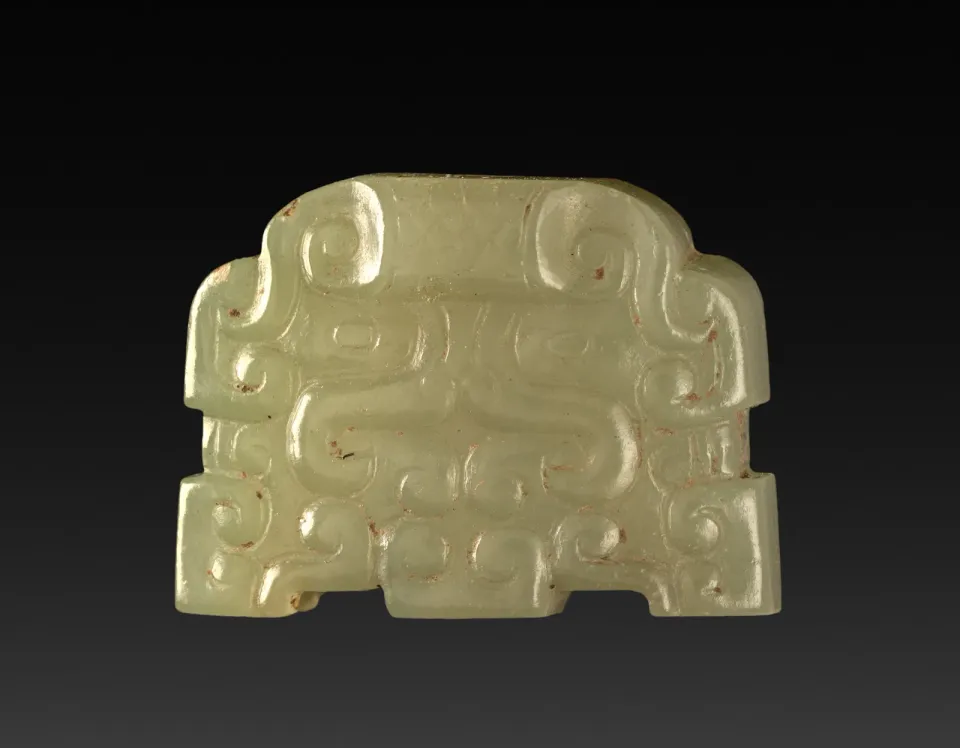
金錐子 (방이 설화)
Strike it, saying "Out with gold!", and whatever one wishes comes pouring out.