Egypt & Near East
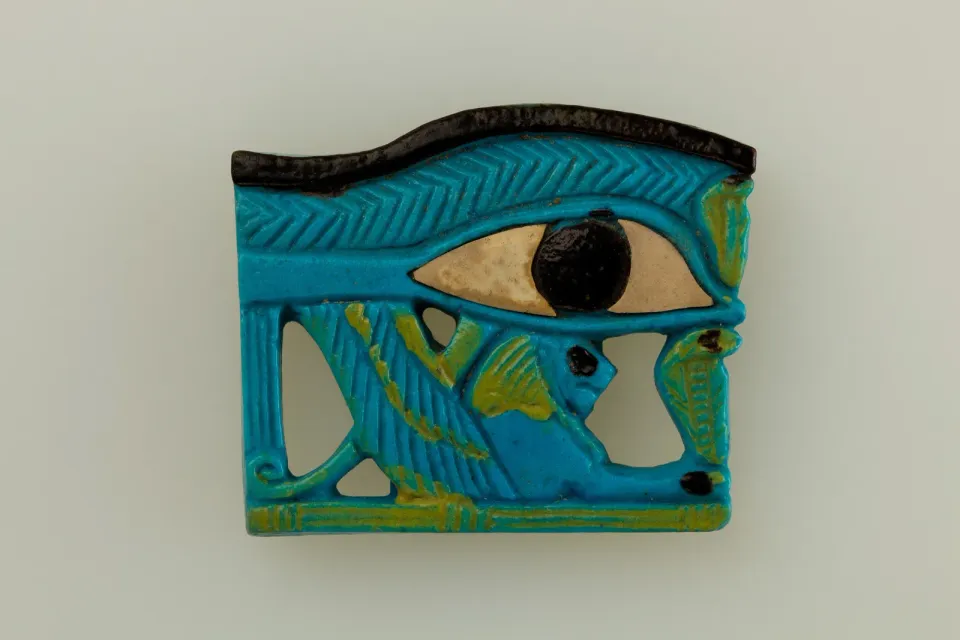
Eye of Horus
Wedjat (Eye of Horus)
An amulet that heals what is hurt and keeps the body whole.
JewelFirst recorded c. 2400 BCE
Loading artifact…
Photograph: The Wade Cup, a brass cup inlaid with silver from Seljuq Iran, about 1200–1221. The outside of the footed round bowl is densely inlaid in silver with Arabic letters ending in human heads and with horsemen.
Focus the photograph, then use the arrow keys to pan and the plus and minus keys to zoom. The buttons at the lower left also move it. Press a numbered button on the photograph to zoom to that note.
Jām-e Jam
Look into the cup and everything happening in the seven heavens and the whole world is reflected in it.
The Iranian hero Bizhan fell in love with Manizheh, princess of Turan, and was caught by her father, King Afrasiyab of Turan, and thrown into a deep pit. Its mouth was blocked with a huge boulder. Bizhan's father Giv went to Kay Khosrow, king of Iran, and begged him in tears for help.
When Nowruz, the New Year, came, Kay Khosrow prayed to God and looked into a cup. In it the seven heavens and every land on earth were reflected. In the cup the king found Bizhan imprisoned in the pit in the land of Turan, and he sent the hero Rostam to rescue him.
In the Shahnameh this cup belongs to Kay Khosrow, but later Persian poets called it the cup of Jamshid, the ancient sage-king: the Jam-e Jam. The fourteenth-century poet Hafez sang, "For years my heart sought the cup of Jam from me, begging from strangers what it held itself."
The photograph shows The Wade Cup with Animated Script(Iran, Seljuq period of Iran (1037–1194), 1200–1221), a real museum object that evokes the legendary artifact.
Wedjat (Eye of Horus)
An amulet that heals what is hurt and keeps the body whole.
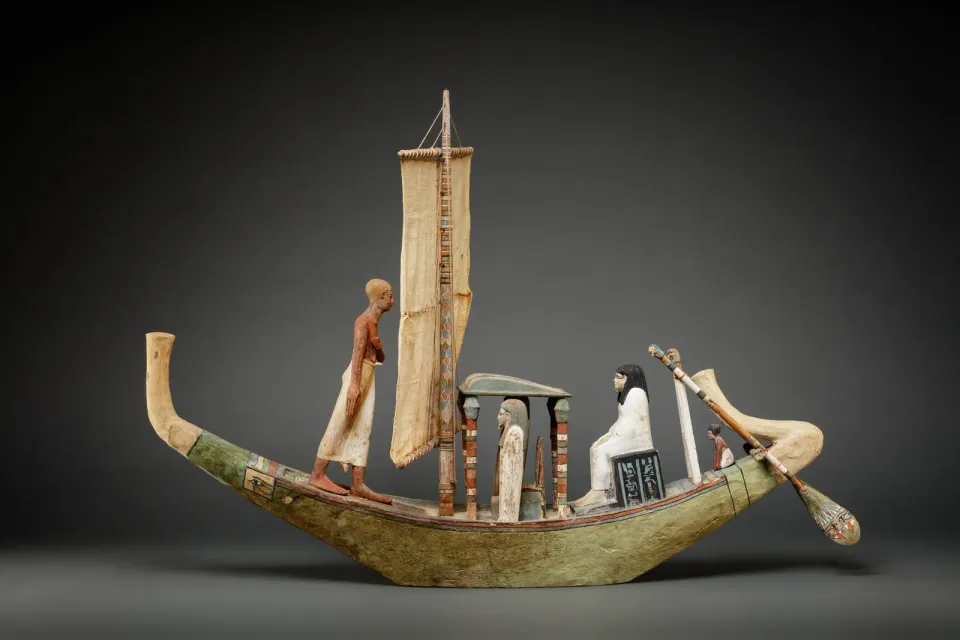
Solar Barque of Ra
Crossing the sky by day and the underworld by night, it makes the sun rise again.
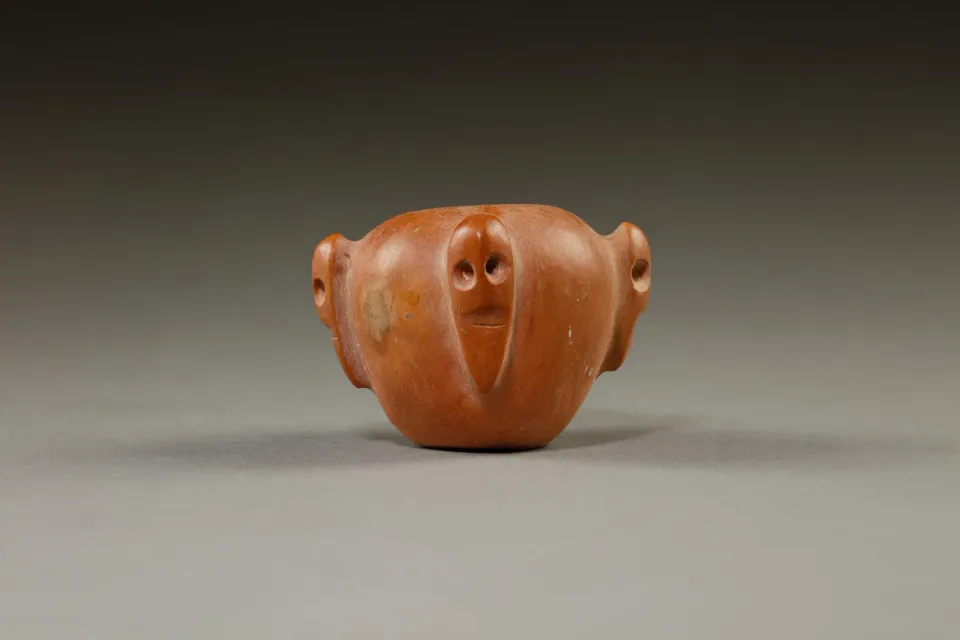
Šar-ur
It speaks, flies off on its own to spy on the enemy, and reports back to its master.
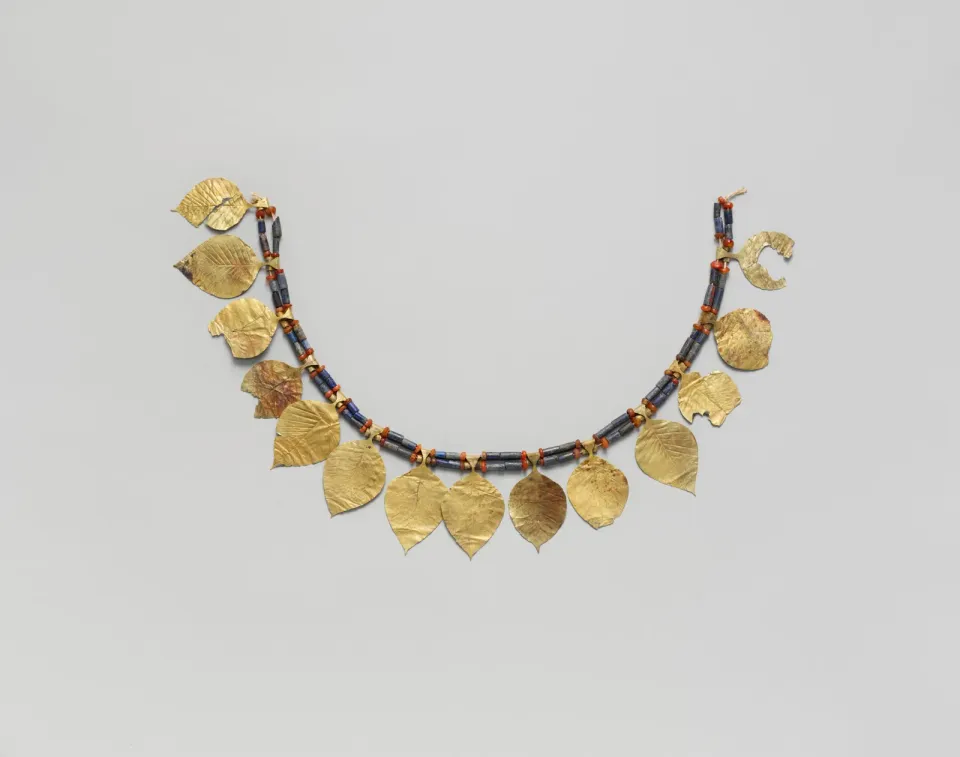
Seven Me of Inanna
Seven ornaments holding the goddess's powers. With each one she removes, she loses her strength.