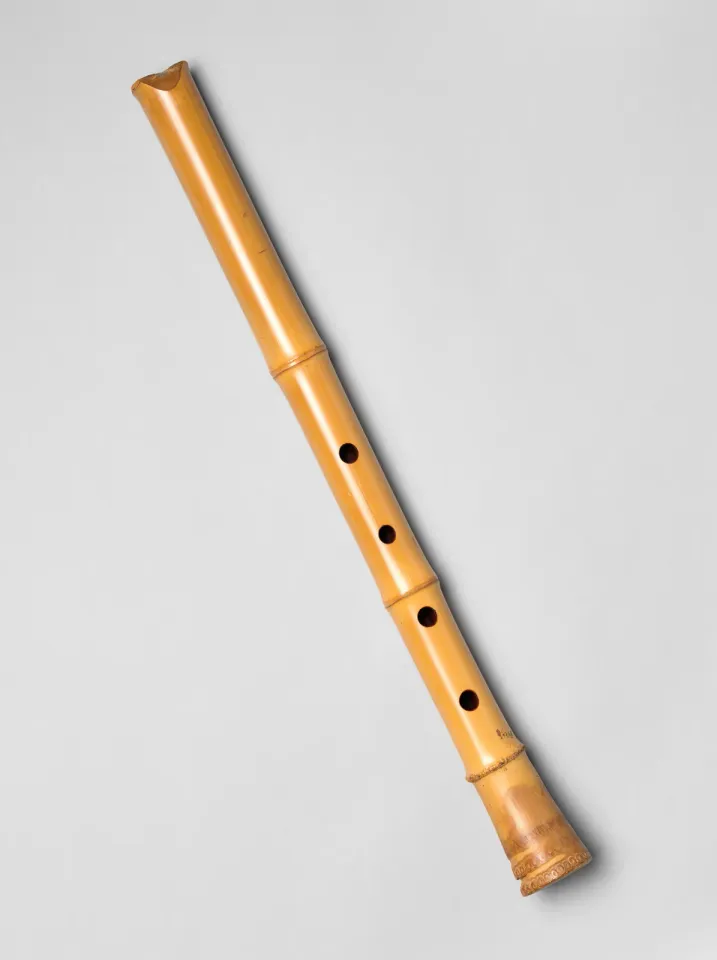
Korean
Manpasikjeok
萬波息笛
When played, enemy armies retreat, illness is cured, drought brings rain and rough waves grow calm.
TreasureFirst recorded 1281
Loading artifact…
Photograph: Still Life with Bronze Vessels and Flowering Plants, a ten-panel folding screen painted in ink on paper in Joseon Korea in 1894. Each panel shows ancient vessels such as bronze tripod cauldrons, censers and ewers with flowering branches and inscriptions. It is attributed to Jang Seung-eop.
Focus the photograph, then use the arrow keys to pan and the plus and minus keys to zoom. The buttons at the lower left also move it. Press a numbered button on the photograph to zoom to that note.
鼎
Without any fire, it grew hot by itself and cooked enough rice to fill the whole army.
According to Kim Bu-sik's Samguk Sagi, in the winter of the fourth year of his reign (21 CE), King Daemusin of Goguryeo led his army out to attack Buyeo. When he reached the banks of the Biryu River, he saw what looked like a woman at the water's edge playing with a cauldron. When he went to look, the woman was gone and only the cauldron remained.
When he had rice cooked in the cauldron, it grew hot by itself without any fire, and it cooked enough to fill the whole army. Then a strong man appeared and said the cauldron belonged to his family and that his sister had lost it, and he asked to follow the king. The king gave him the surname Bujeong, 'cauldron carrier.'
On the march the king also found a gold seal and weapons and gathered warriors such as Goeyu and Maro. The next year the Goguryeo army attacked Buyeo, and in that battle King Daeso of Buyeo died at Goeyu's hand.
The photograph shows Still life with bronze vessels and flowering plants(Korea, 1894), a real museum object that evokes the legendary artifact.
萬波息笛
When played, enemy armies retreat, illness is cured, drought brings rain and rough waves grow calm.
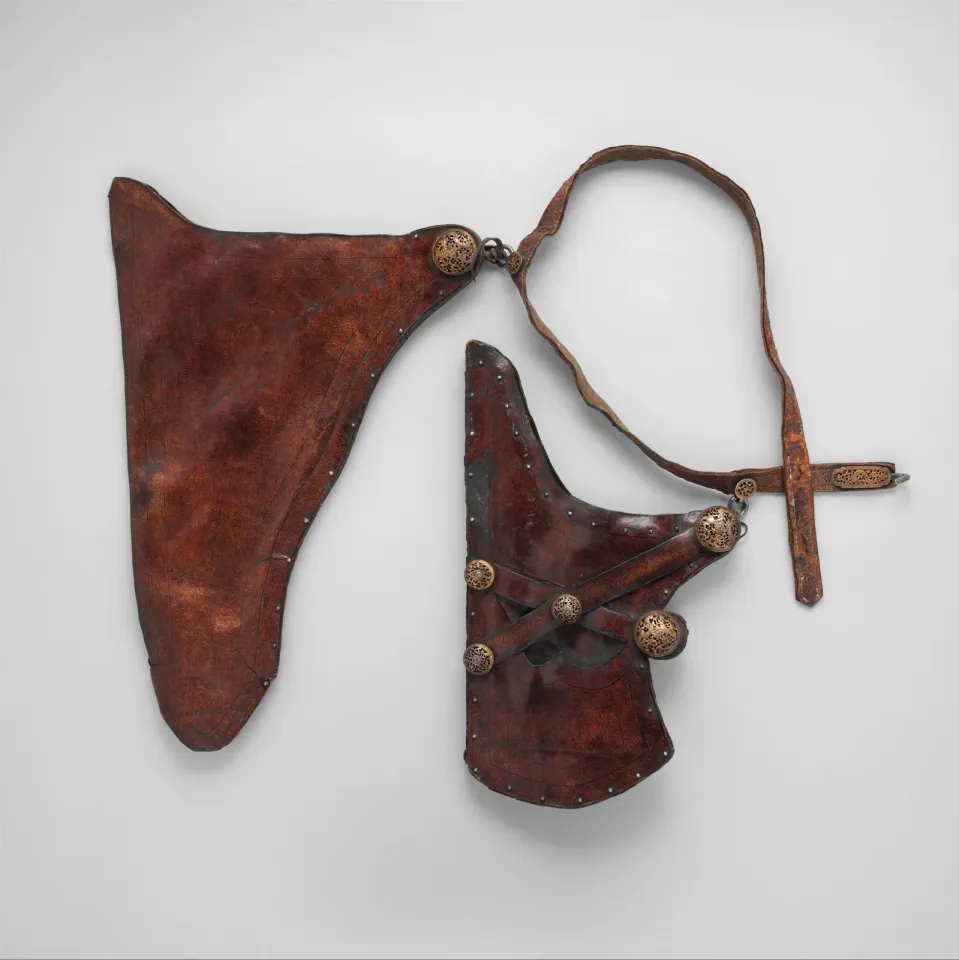
朱蒙之弓
Every arrow hit its mark, so that "jumong," meaning a fine archer, became his name.
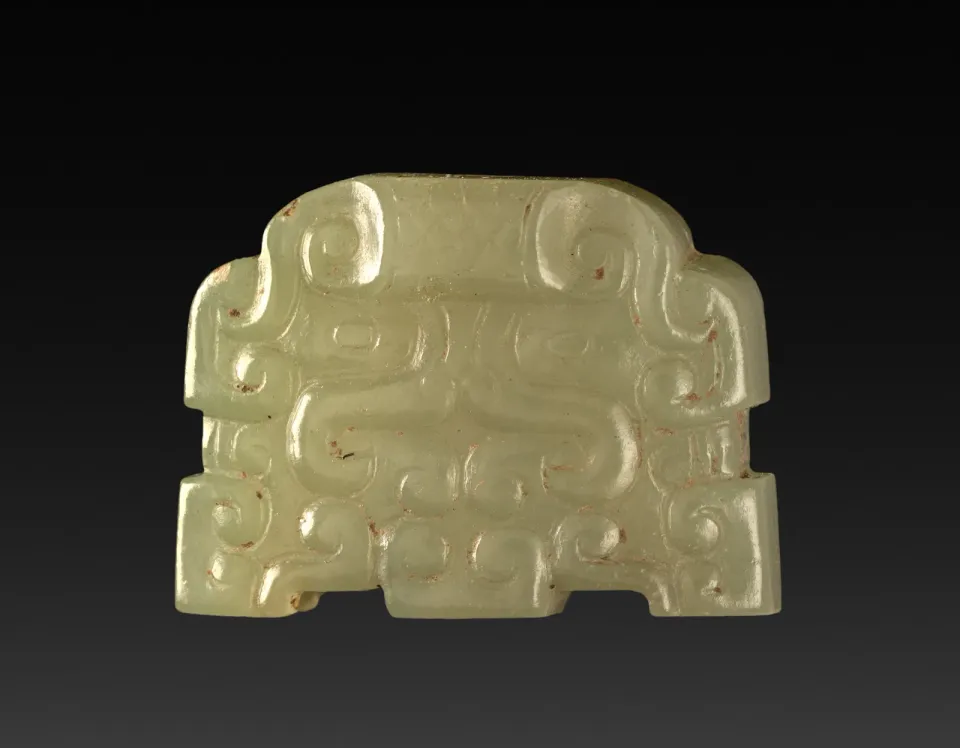
金錐子 (방이 설화)
Strike it, saying "Out with gold!", and whatever one wishes comes pouring out.
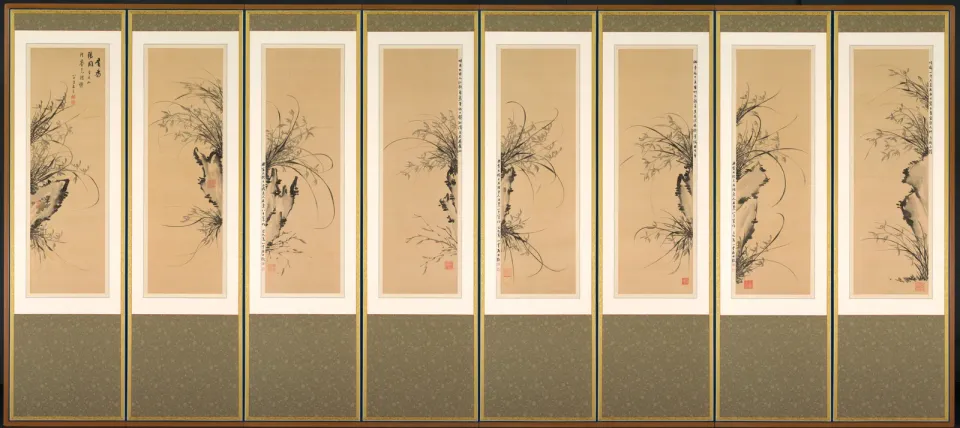
浮石
A great rock that Seonmyo became; it rose into the air and drove off the band that stood in Uisang's way.