Egypt & Near East
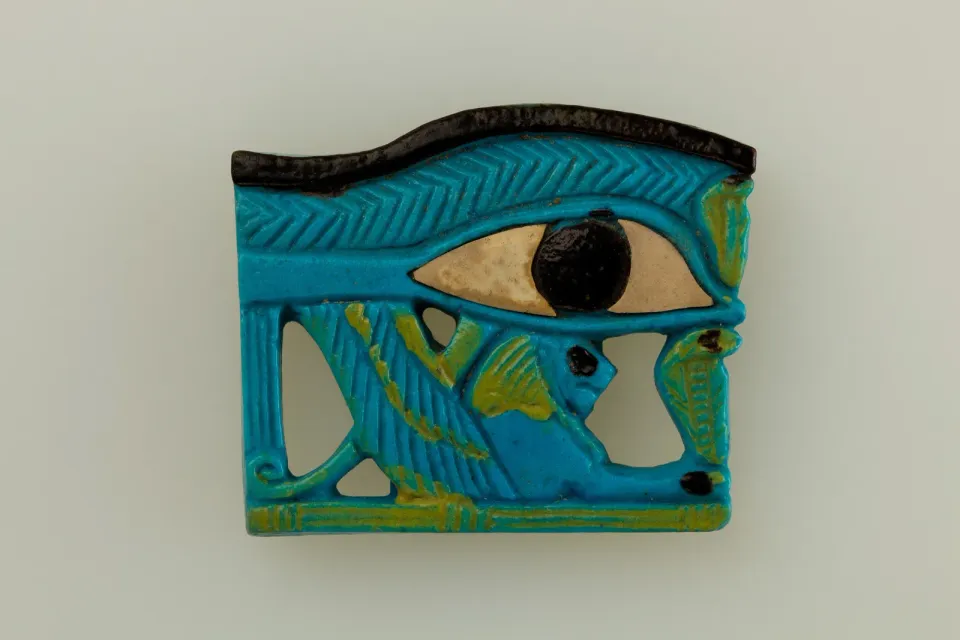
Eye of Horus
Wedjat (Eye of Horus)
An amulet that heals what is hurt and keeps the body whole.
JewelFirst recorded c. 2400 BCE
Loading artifact…
Photograph: Kai Kavus Ascends to the Sky, folio 134r of the Shahnameh made for Shah Tahmasp of Safavid Iran, about 1525–30. Between Persian verses above and below, Kay Kavus rises into the sky on a throne drawn by eagles as people look up from below. Gold is flecked in the margins.
Focus the photograph, then use the arrow keys to pan and the plus and minus keys to zoom. The buttons at the lower left also move it. Press a numbered button on the photograph to zoom to that note.
Takht-e Kāvus
Starving eagles chased the meat hung above them and hauled the throne up into the sky.
In the Shahnameh, Kay Kavus, king of Iran, falls prey to a demon's temptation and longs to possess the secrets not only of the earth but of the heavens. He has eaglets captured and raises them on meat into powerful birds.
Then he had a throne made of aloeswood, set up long spears at its four corners and hung lamb from the spear tips. When four starving eagles were tied to the throne, they beat their wings toward the meat and lifted the throne into the sky.
But the eagles tired at last, and the throne fell into a forest. Rostam and the commanders found him and rebuked him for his folly, and Kay Kavus repented in shame. A similar tale of a king who tried to fly and fell appears in the legends of Alexander the Great.
The photograph shows "Kai Kavus Ascends to the Sky", Folio 134r from the Shahnama (Book of Kings) of Shah Tahmasp(Iran, Tabriz, ca. 1525–30), a real museum object that evokes the legendary artifact.
Wedjat (Eye of Horus)
An amulet that heals what is hurt and keeps the body whole.
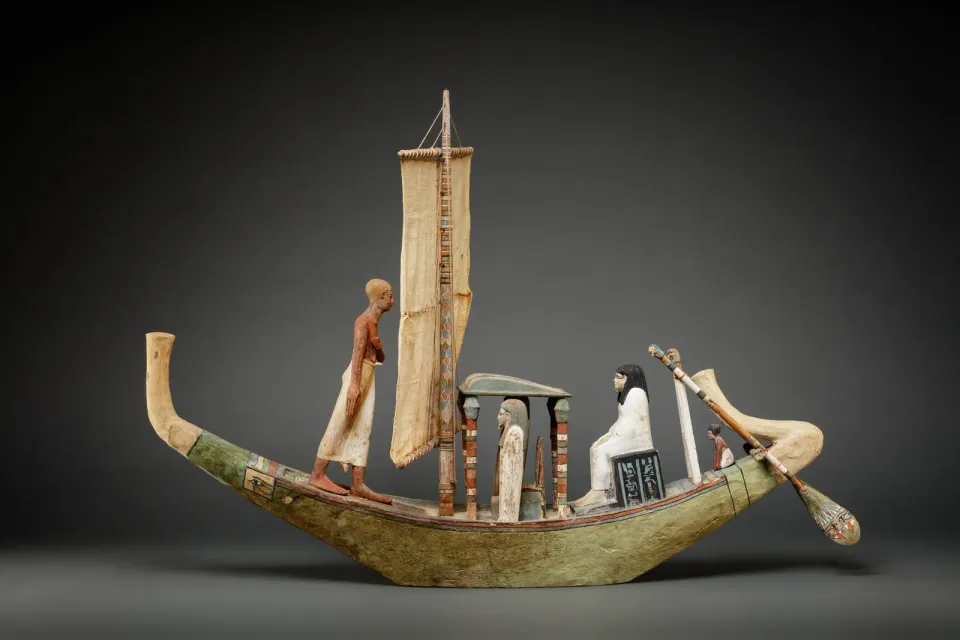
Solar Barque of Ra
Crossing the sky by day and the underworld by night, it makes the sun rise again.
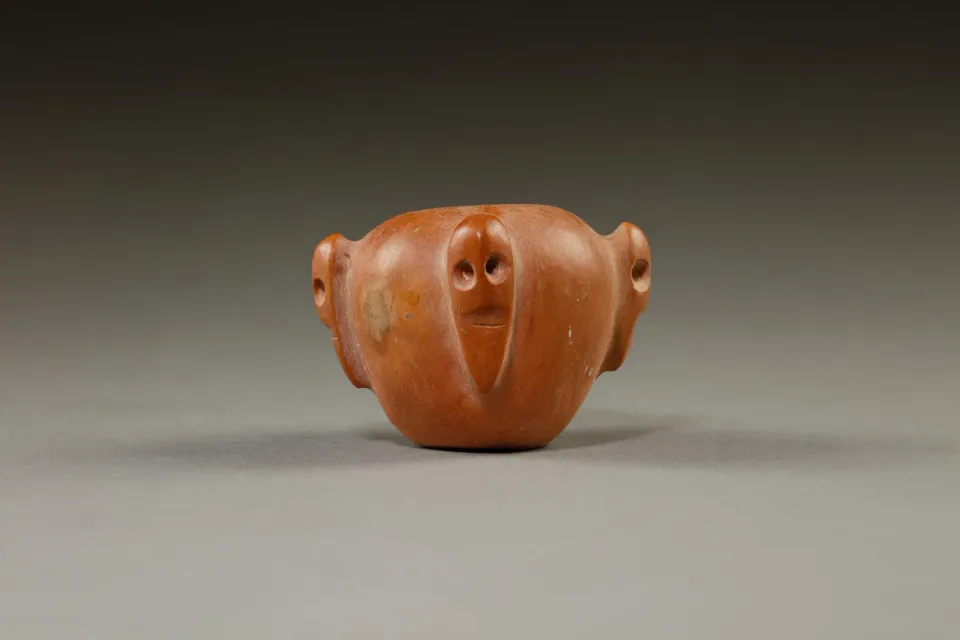
Šar-ur
It speaks, flies off on its own to spy on the enemy, and reports back to its master.
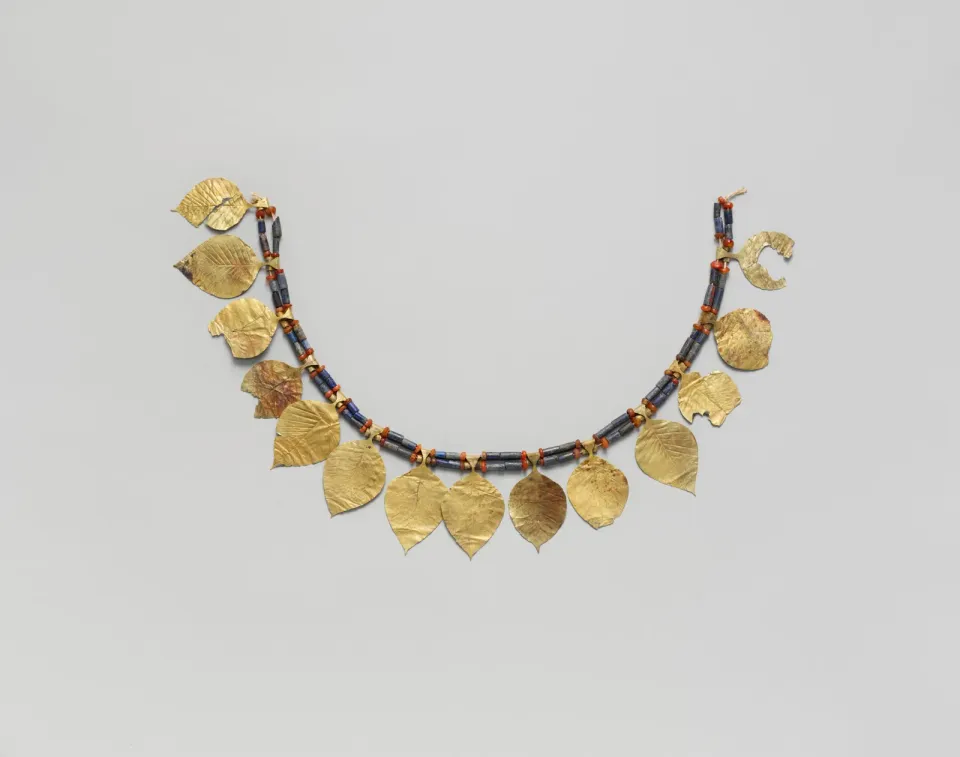
Seven Me of Inanna
Seven ornaments holding the goddess's powers. With each one she removes, she loses her strength.