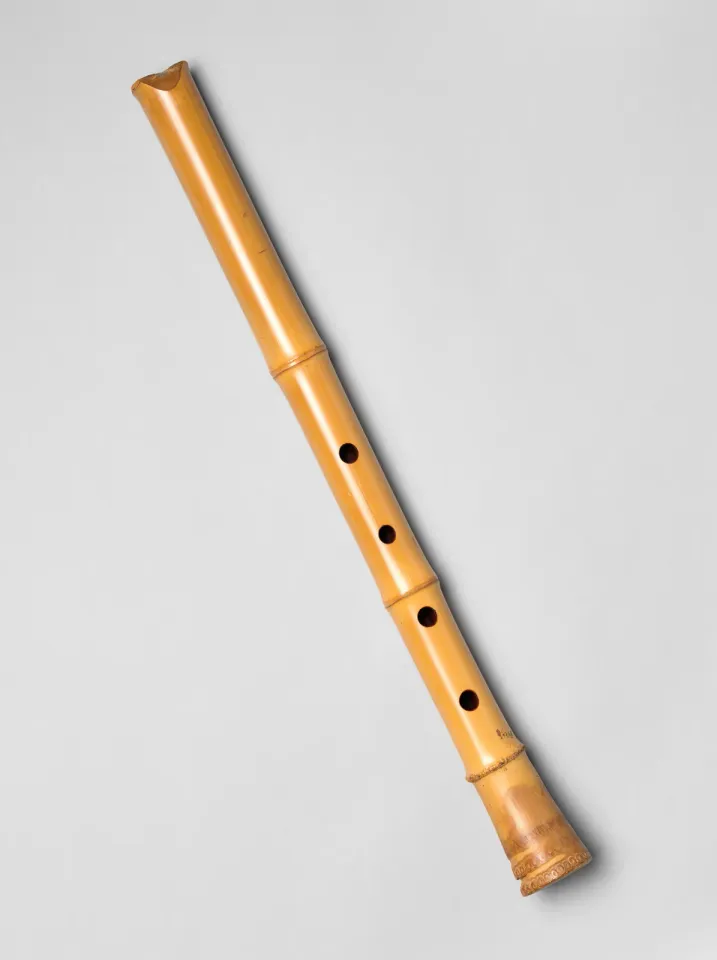
Korean
Manpasikjeok
萬波息笛
When played, enemy armies retreat, illness is cured, drought brings rain and rough waves grow calm.
TreasureFirst recorded 1281
Loading artifact…
Photograph: An inlaid celadon bottle of the Goryeo dynasty, thirteenth–fourteenth century. A small loop is attached to the long, slender neck, and white wild chrysanthemums are inlaid on the pear-shaped body. The broken mouth was repaired with gold lacquer.
Focus the photograph, then use the arrow keys to pan and the plus and minus keys to zoom. The buttons at the lower left also move it. Press a numbered button on the photograph to zoom to that note.
花枝
The daughter of the god of the Western Sea, turned into a flower branch; carried home in his bosom, she became a woman again.
According to the Samguk Yusa, in the reign of Queen Jinseong of Silla, the official Yangpae, on his way to Tang China as an envoy, met a storm at Gokdo island in the Western Sea. A divination said they must hold a rite at the island's sacred pond, and an old man appeared in a dream and said the wind would calm if they left one good archer on the island. Lots were drawn, and Geotaji, a soldier skilled with the bow, was left behind.
An old man came out of the pond and said that he was the god of the Western Sea, and that every day at sunrise a young monk came down from the sky, chanted spells and ate the livers of his family. The next day Geotaji shot the monk with an arrow, and the monk turned into an old fox and died.
In gratitude the old man gave Geotaji his daughter as his wife. He changed her into a flower branch and placed it in Geotaji's bosom, and had two dragons escort the envoy's ship all the way to Tang. When Geotaji returned to Silla and took the flower branch from his bosom, it became a woman again, and the two lived together.
The photograph shows Bottle with Chrysanthemum Design(Korea, Goryeo dynasty (918–1392), 1200s-1300s), a real museum object that evokes the legendary artifact.
萬波息笛
When played, enemy armies retreat, illness is cured, drought brings rain and rough waves grow calm.
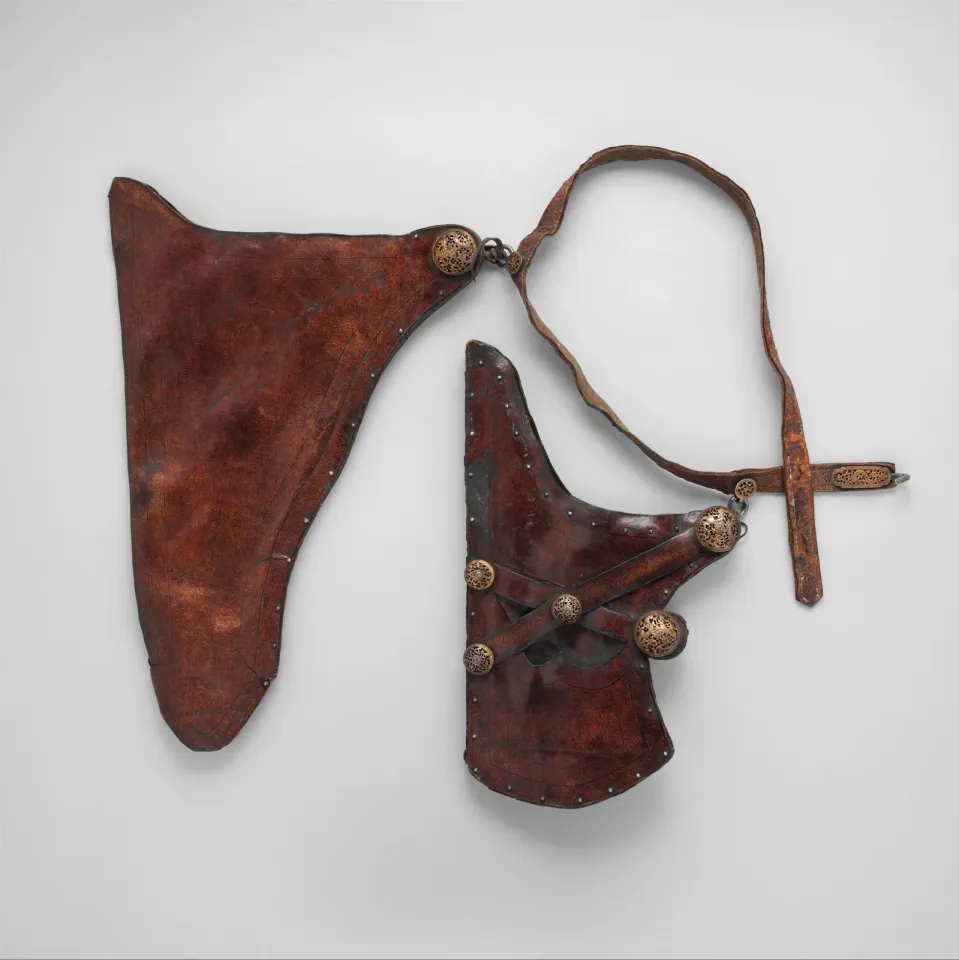
朱蒙之弓
Every arrow hit its mark, so that "jumong," meaning a fine archer, became his name.
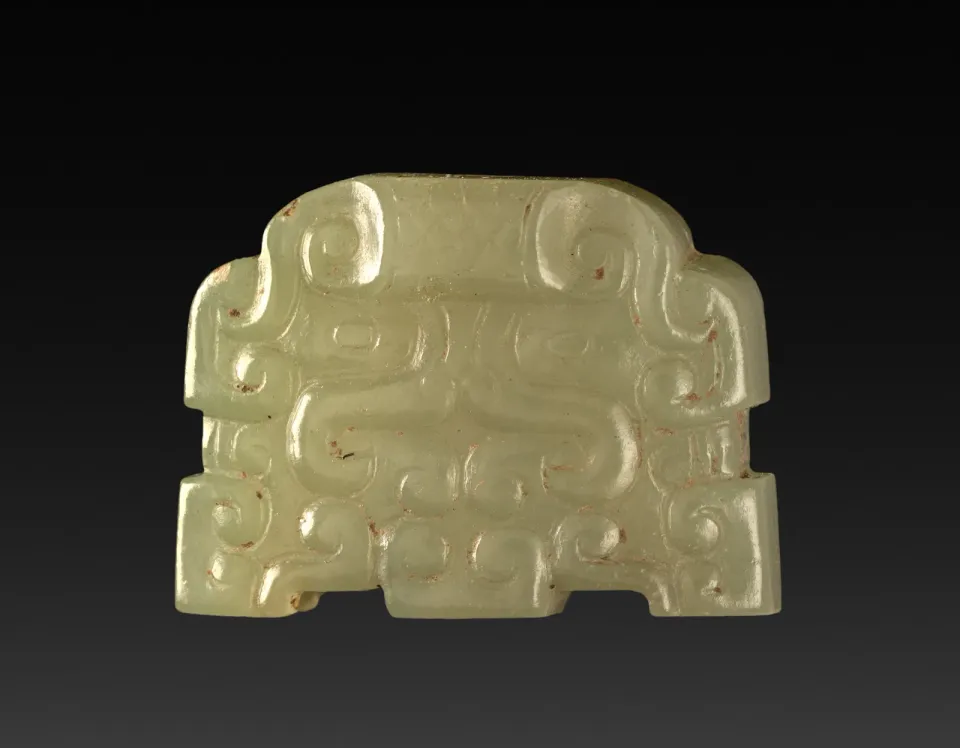
金錐子 (방이 설화)
Strike it, saying "Out with gold!", and whatever one wishes comes pouring out.
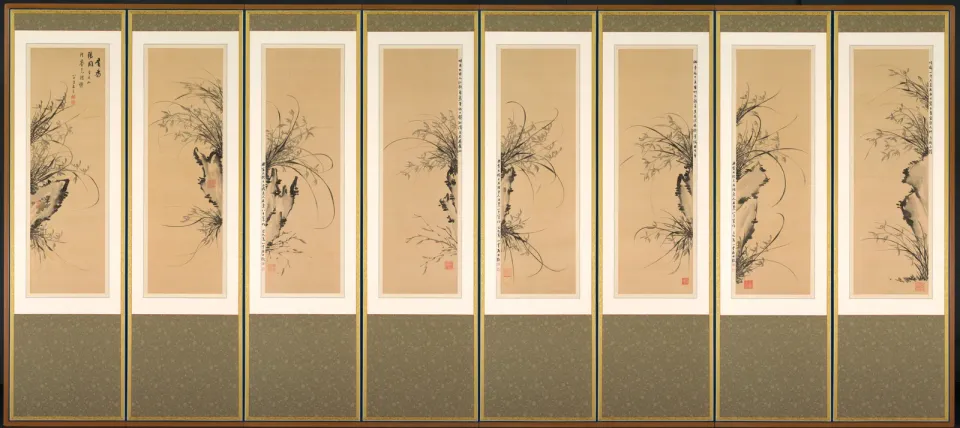
浮石
A great rock that Seonmyo became; it rose into the air and drove off the band that stood in Uisang's way.