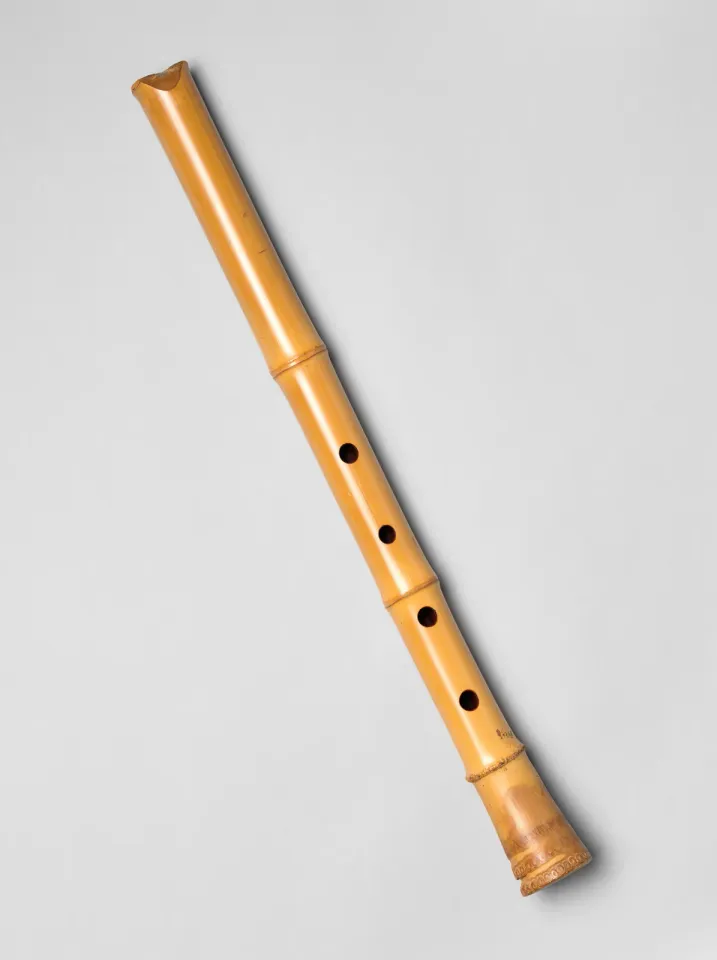
Korean
Manpasikjeok
萬波息笛
When played, enemy armies retreat, illness is cured, drought brings rain and rough waves grow calm.
TreasureFirst recorded 1281
Loading artifact…
Photograph: A Goryeo gourd-shaped celadon ewer of the thirteenth century. The body looks like a small gourd set on a large one, with a short spout and a long curving handle, covered in a soft green glaze.
Focus the photograph, then use the arrow keys to pan and the plus and minus keys to zoom. The buttons at the lower left also move it. Press a numbered button on the photograph to zoom to that note.
興夫傳
Sawn open, they pour out rice, money and silk. Gourds won through greed pour out misfortune.
Nolbu, the greedy elder brother, took everything their parents had left and drove his kind younger brother Heungbu out of the house. Heungbu and his children lived in a hut, barely able to get a meal. One spring Heungbu found a baby swallow whose leg had broken when it fell fleeing a snake; he bound the leg with care and let it fly away.
The next spring, when he planted the gourd seed the swallow brought him, gourds big enough to cover the roof grew. As he sawed them open, singing "Saw, saw, back and forth," out poured rice and money, silk, and carpenters who built him a house, one after another, and Heungbu became very rich.
Hearing of this, Nolbu broke a swallow's leg on purpose and then bound it up. When he sawed open the gourds grown from the seed the swallow brought, a band of beggars and goblins came out and carried off all his wealth, and from the last gourd poured filth. Heungbu gladly took in his penniless brother. In 1843, Song Man-jae included this story as "Bak Taryeong" in Gwanuhui, his verses on the twelve pansori.
The photograph shows Gourd-shaped Wine Pot(Korea, Goryeo dynasty (918–1392), 1200s), a real museum object that evokes the legendary artifact.
萬波息笛
When played, enemy armies retreat, illness is cured, drought brings rain and rough waves grow calm.
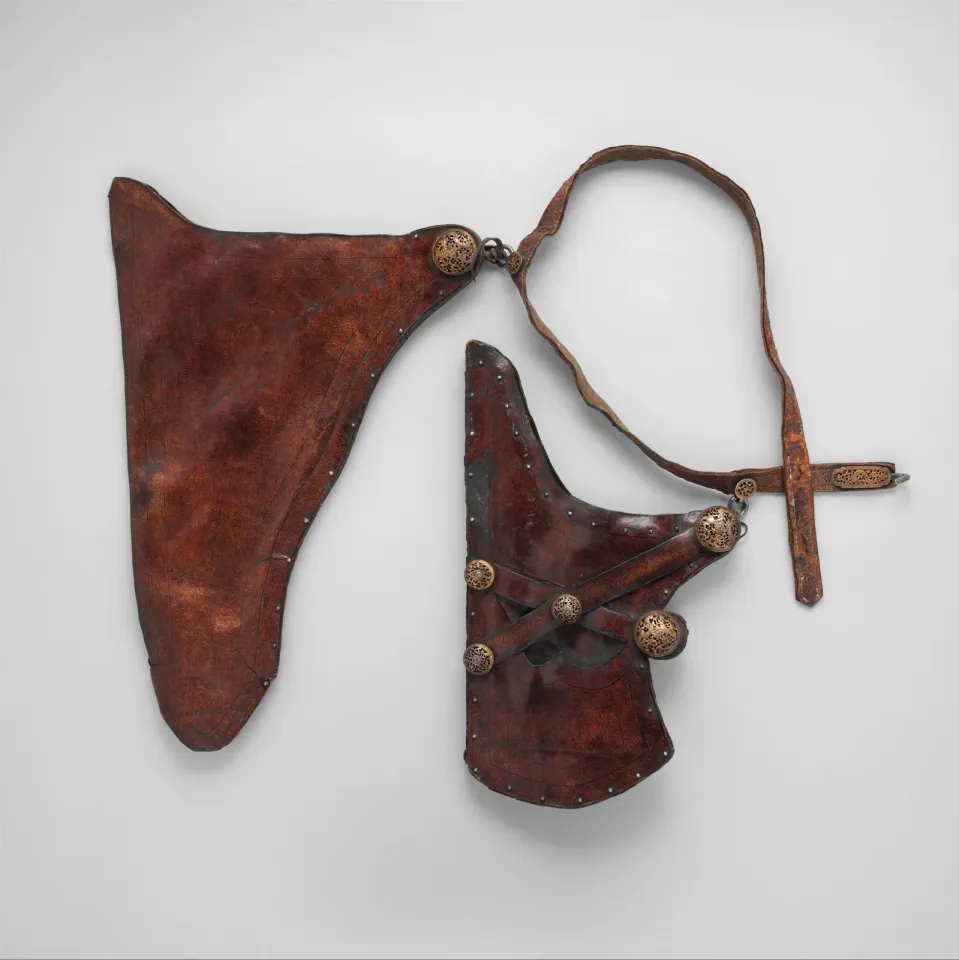
朱蒙之弓
Every arrow hit its mark, so that "jumong," meaning a fine archer, became his name.
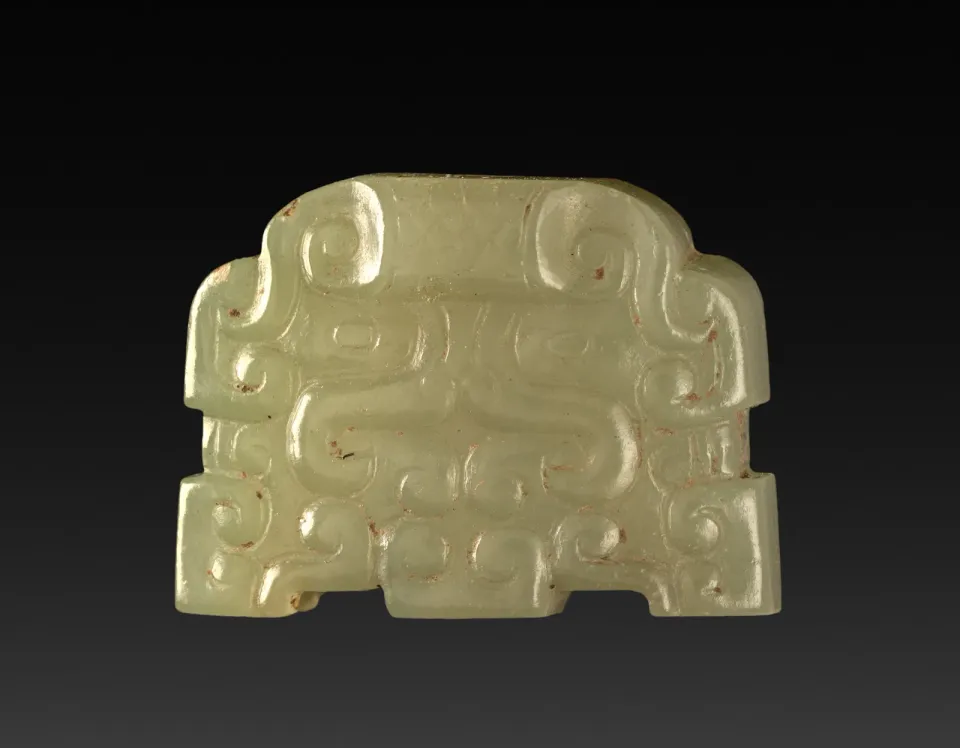
金錐子 (방이 설화)
Strike it, saying "Out with gold!", and whatever one wishes comes pouring out.
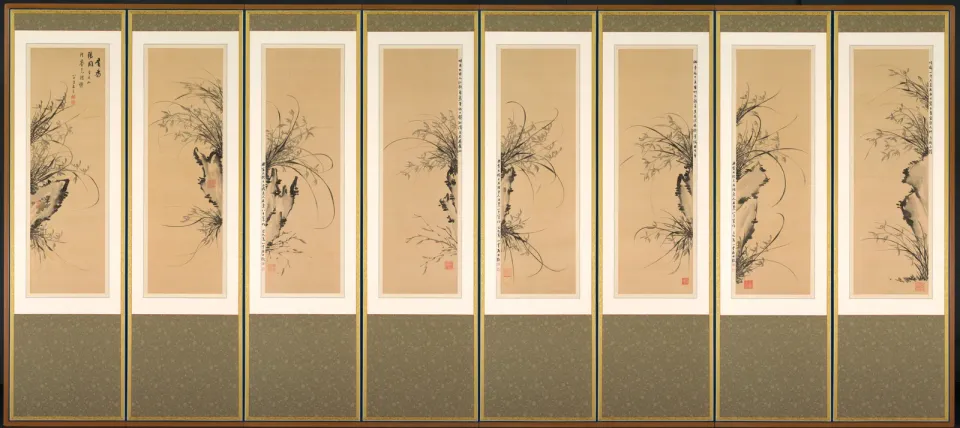
浮石
A great rock that Seonmyo became; it rose into the air and drove off the band that stood in Uisang's way.