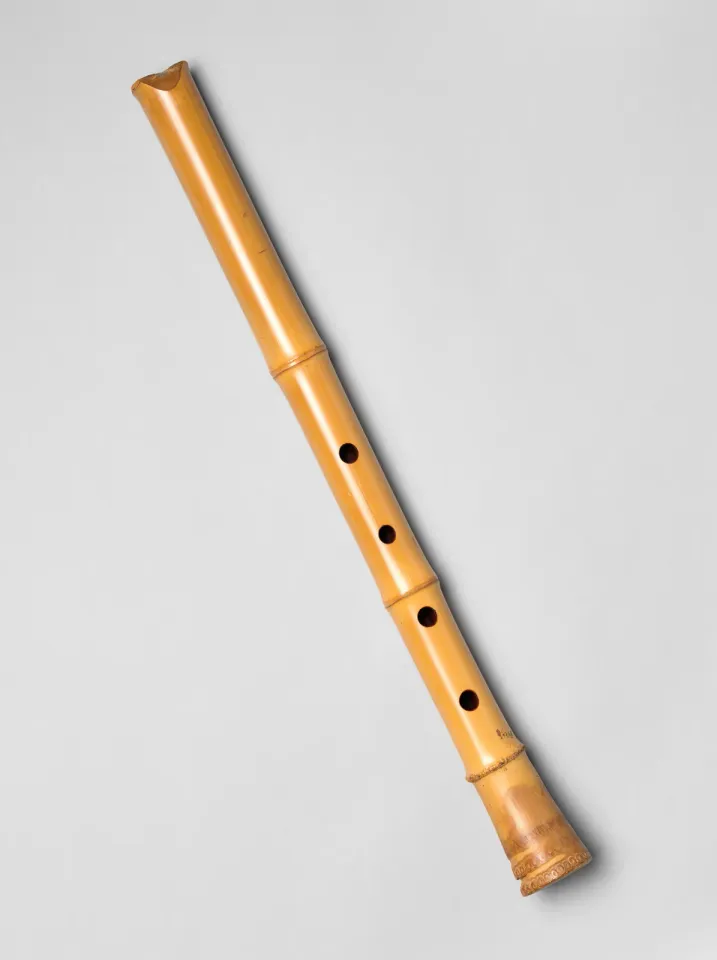
Korean
Manpasikjeok
萬波息笛
When played, enemy armies retreat, illness is cured, drought brings rain and rough waves grow calm.
TreasureFirst recorded 1281
Loading artifact…
Photograph: An inlaid celadon ewer of the thirteenth-century Goryeo dynasty. A curved handle and a long spout are attached to the round body, and in a roundel two figures seated under a willow are inlaid in black and white. Bands of lotus petals ring the shoulder and base.
Focus the photograph, then use the arrow keys to pan and the plus and minus keys to zoom. The buttons at the lower left also move it. Press a numbered button on the photograph to zoom to that note.
楊杖
The willow staff and pig the dragon maiden had him ask for instead of seven treasures; they led him to the site where the Goryeo royal house would rise.
According to the 'Genealogy of the Goryeo Royal House' in the Goryeosa, Jakjegeon was the son of a Tang nobleman. Sailing to Tang to find his father, he met a raging sea in the Western Sea. A divination said that one man of Goryeo must be put ashore, and Jakjegeon stayed on an island with his bow and arrows.
The Dragon King of the Western Sea appeared and asked for his help: an old fox came in the guise of a Buddha and chanted scripture, giving him headaches he could not bear. When Jakjegeon shot the fox dead, the Dragon King welcomed him into his palace and gave him the seven treasures. The Dragon King's daughter told him to ask for a willow staff and a pig rather than the seven treasures.
Jakjegeon married the dragon maiden and returned with the willow staff and the pig. When the pig went and lay down at the southern foot of Mount Songak, he built a house there, and the spot later became Gaegyeong, the capital of Goryeo, it is said. Jakjegeon's grandson was Wang Geon, King Taejo, who founded Goryeo.
The photograph shows Pitcher with Inlaid Figure and Willow Design(Korea, Goryeo dynasty (918–1392), 1200s), a real museum object that evokes the legendary artifact.
萬波息笛
When played, enemy armies retreat, illness is cured, drought brings rain and rough waves grow calm.
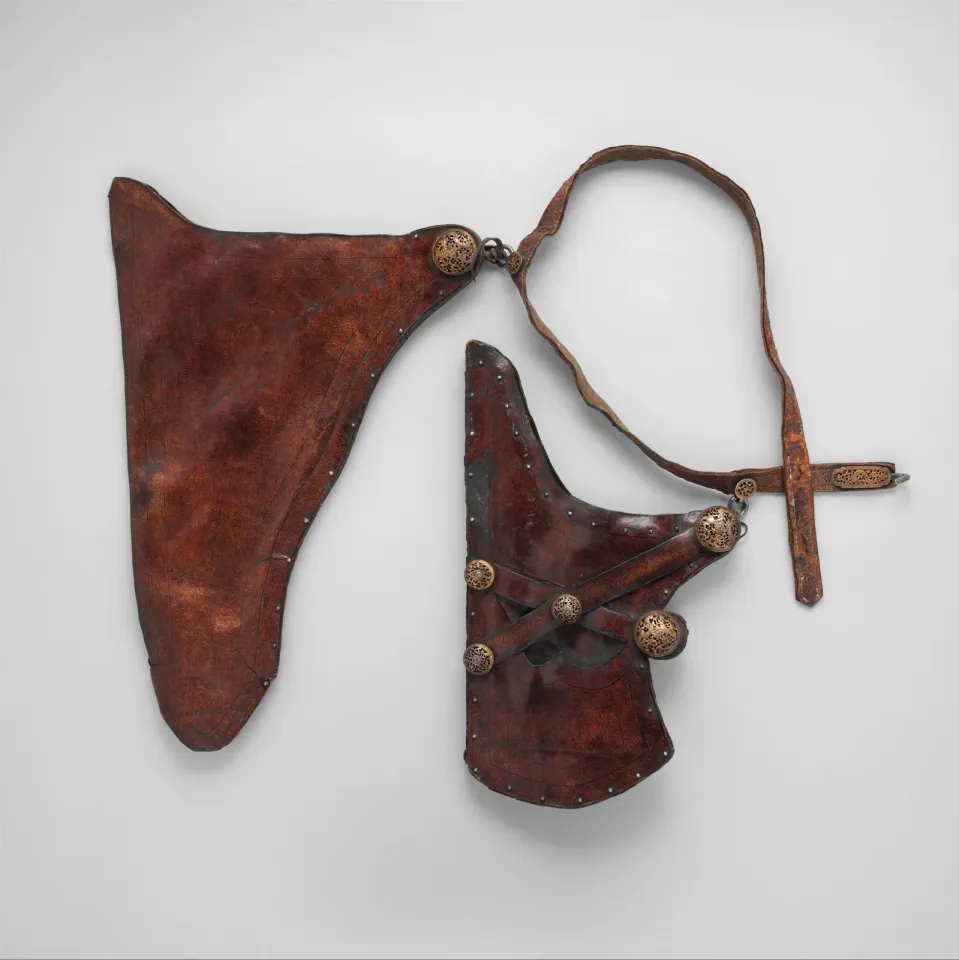
朱蒙之弓
Every arrow hit its mark, so that "jumong," meaning a fine archer, became his name.
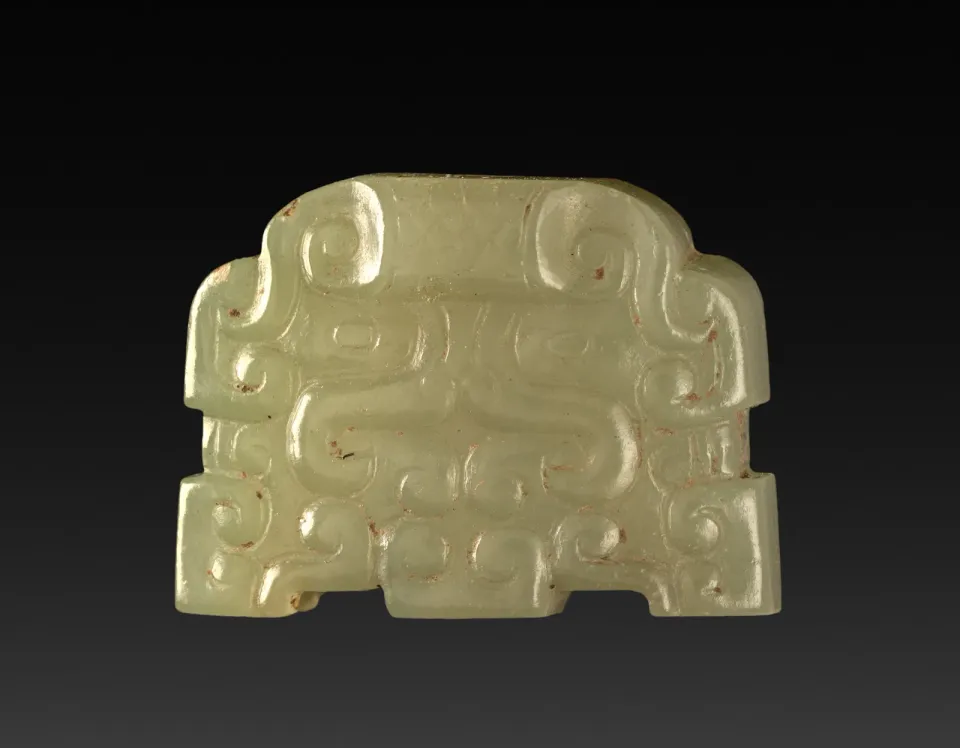
金錐子 (방이 설화)
Strike it, saying "Out with gold!", and whatever one wishes comes pouring out.
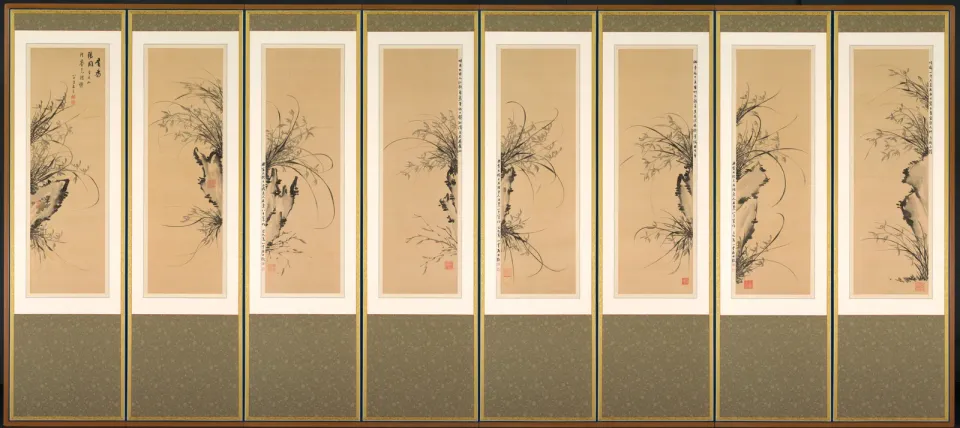
浮石
A great rock that Seonmyo became; it rose into the air and drove off the band that stood in Uisang's way.