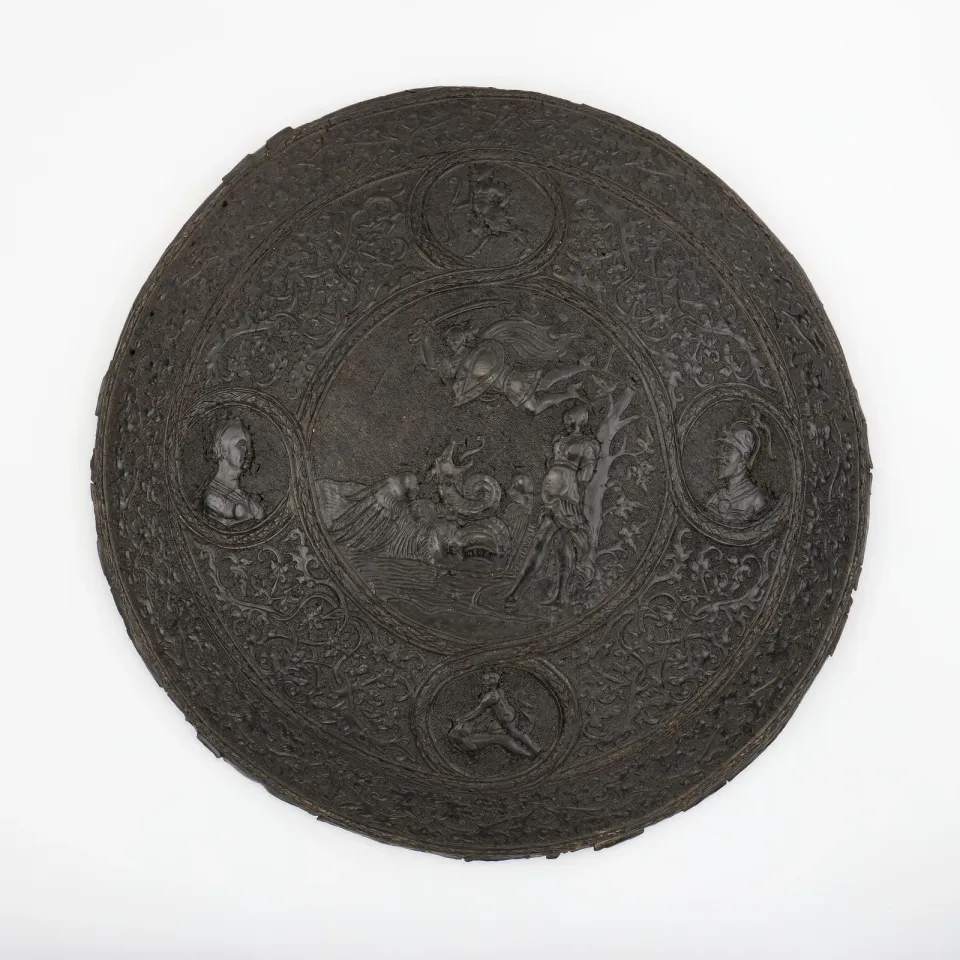
Greek
Aegis
Aegis (Αἰγίς)
Shaken, it raises storms and sends enemy armies fleeing in terror.
ArmorFirst recorded c. 750 BCE
Loading artifact…
Photograph: Orpheus and Cerberus, carved in sandstone by Ferdinand Tietz near Bamberg, Germany, about 1765. A young Orpheus stands with his head thrown back, playing a stringed instrument, while Cerberus, the dog of the underworld, crouches at his feet.
Focus the photograph, then use the arrow keys to pan and the plus and minus keys to zoom. The buttons at the lower left also move it. Press a numbered button on the photograph to zoom to that note.
Lyre of Orpheus
When he plays, birds and beasts, trees and even stones follow, and the gods of the underworld are moved.
Orpheus was the son of the Muse Calliope and is said to have received his lyre from Apollo. When he sang to the lyre, birds and fish gathered, and even trees and rocks moved after him. On the voyage of the Argo his song drowned out the song of the Sirens, so that the sailors passed by unharmed.
When his wife Eurydice died of a snakebite, Orpheus went down to the underworld with his lyre. Moved by his song, Hades and Persephone gave her back on condition that he not look back until they reached the world above. But just short of the exit he turned around, and Eurydice vanished back into the underworld.
Later Orpheus was torn apart by Thracian women who followed Dionysus. His head and lyre, thrown into a river, floated all the way to the island of Lesbos without ceasing to sing, and the lyre is said to have risen into the sky as the constellation Lyra.
The photograph shows Orpheus and Cerberus(Germany, near Bamberg, 18th century, c. 1765), a real museum object that evokes the legendary artifact.
Aegis (Αἰγίς)
Shaken, it raises storms and sends enemy armies fleeing in terror.
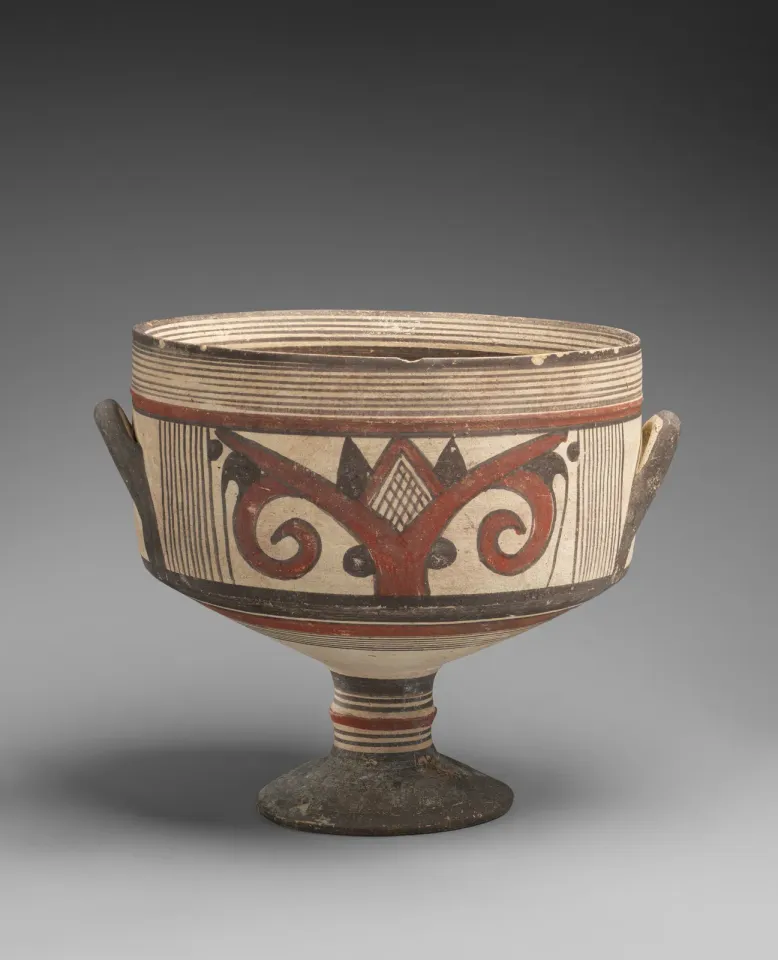
Ambrosia & Nectar
Keeps the gods ageless and deathless.
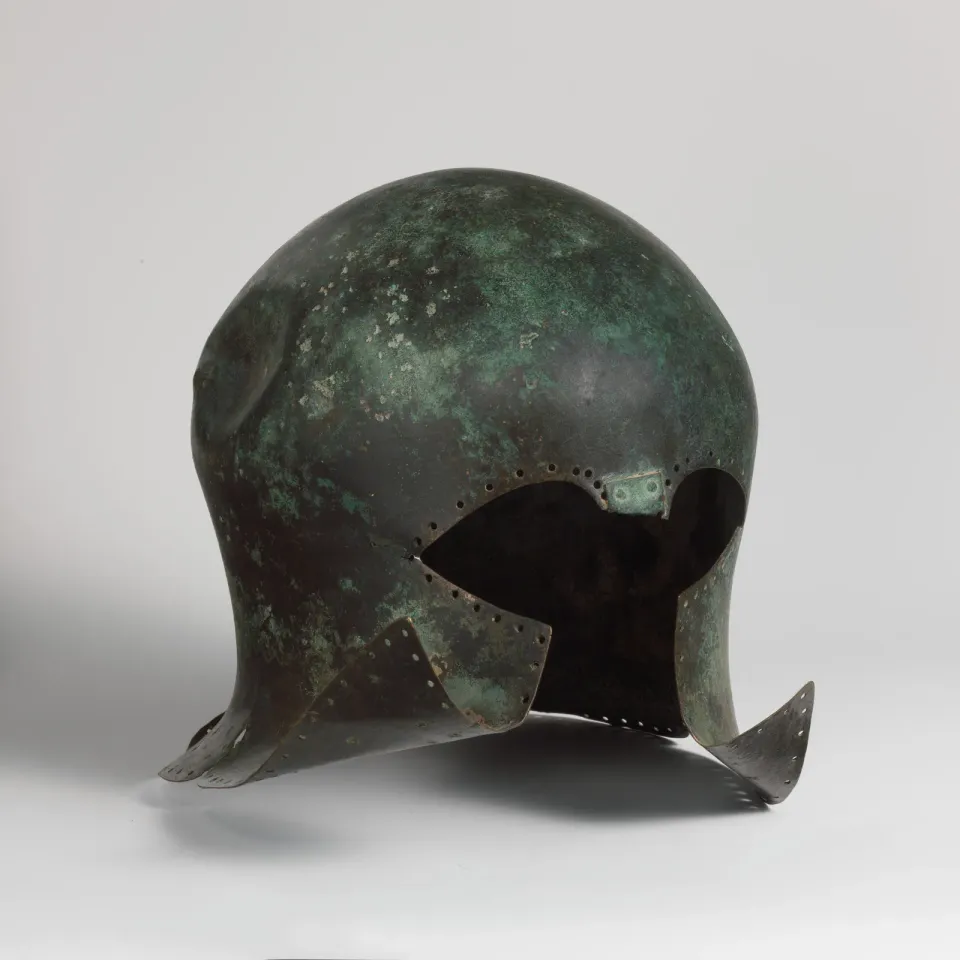
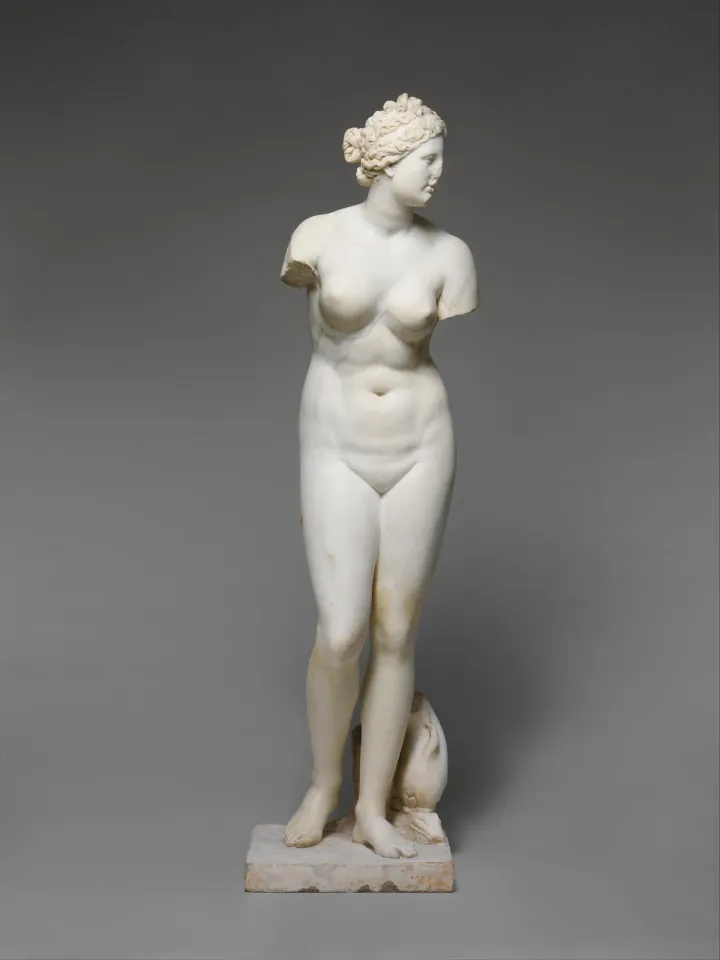
Kestos Himas (Κεστὸς ἱμάς)
Embroidered with love, longing and beguiling words, it makes anyone fall in love.