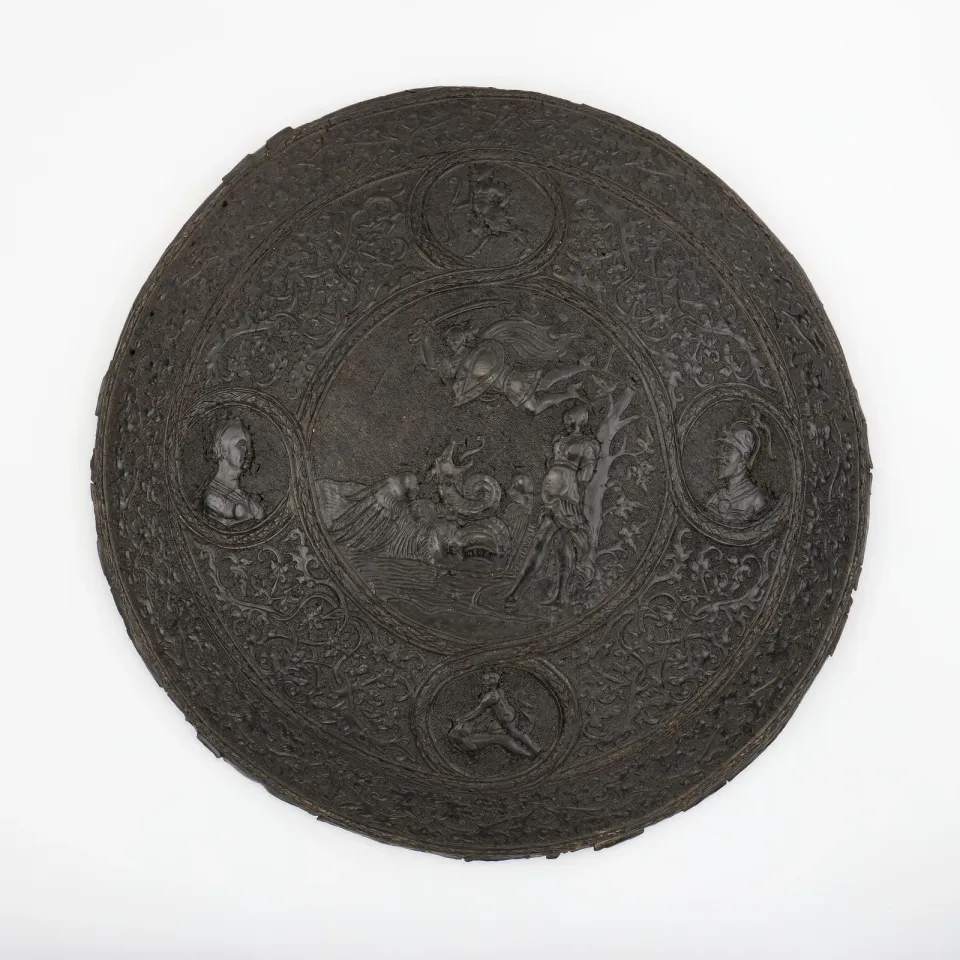
Greek
Aegis
Aegis (Αἰγίς)
Shaken, it raises storms and sends enemy armies fleeing in terror.
ArmorFirst recorded c. 750 BCE
Loading artifact…
Photograph: A perfume flask (alabastron) carved from travertine in Ptolemaic Egypt about 305–222 BCE. Above a long, slender body are a narrow neck and small knob handles, and a thin disk lid covers the top.
Focus the photograph, then use the arrow keys to pan and the plus and minus keys to zoom. The buttons at the lower left also move it. Press a numbered button on the photograph to zoom to that note.
Nepenthes
Mixed into wine, it banished grief so completely that for that day one shed no tears even at the loss of a parent or brother.
In Book 4 of the Odyssey, Odysseus's son Telemachus visits King Menelaus of Sparta in search of news of his father. When everyone weeps at the memory of the Trojan War and of Odysseus, Queen Helen secretly slips a drug into the wine they are drinking.
The drug quieted grief and anger and made one forget every pain. Whoever drank it would shed no tears that day, not even if his mother and father died, not even if his brother or son were cut down by the sword before his eyes. Helen had the drug from Polydamna, a woman of Egypt, and the poem sings of Egypt as a land where herbs of every kind grow and every man is skilled in healing.
Nepenthes means 'without sorrow' in Greek. Interpreters have long identified it with opium or some other herb, and later it became the scientific name of the pitcher plants.
The photograph shows Alabastron(Egypt, Greco-Roman period (332 BCE–395 CE), Ptolemaic dynasty (305–30 BCE), 305–222 BCE), a real museum object that evokes the legendary artifact.
Aegis (Αἰγίς)
Shaken, it raises storms and sends enemy armies fleeing in terror.
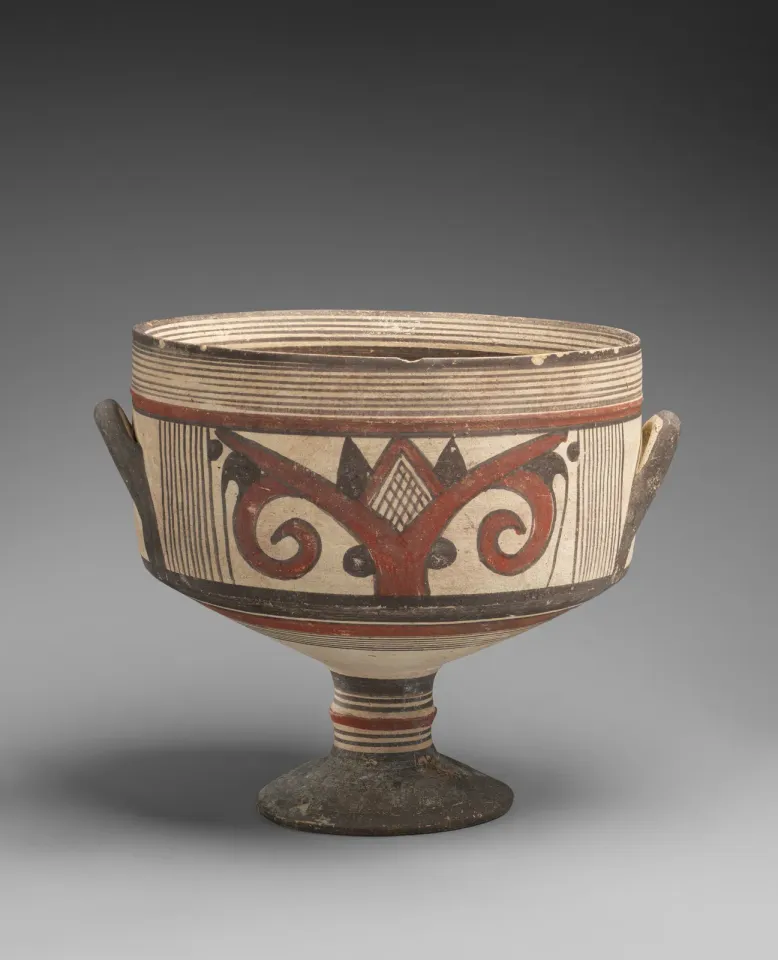
Ambrosia & Nectar
Keeps the gods ageless and deathless.
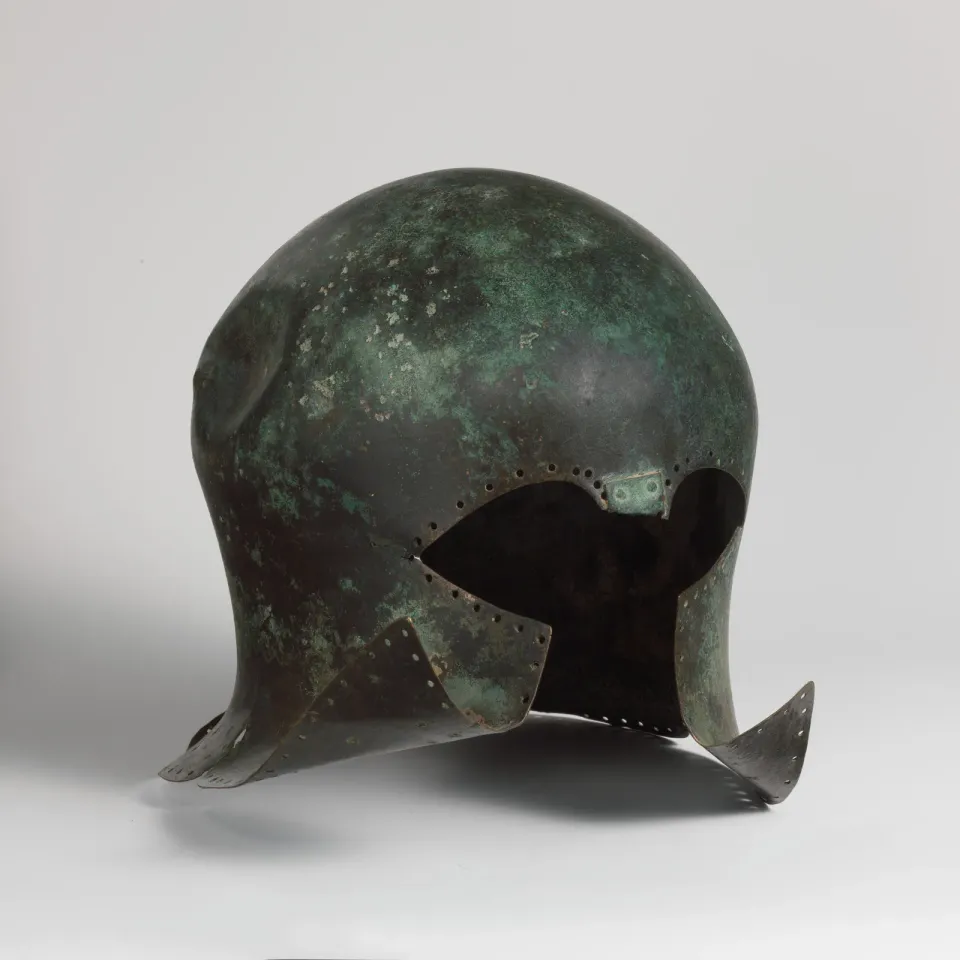
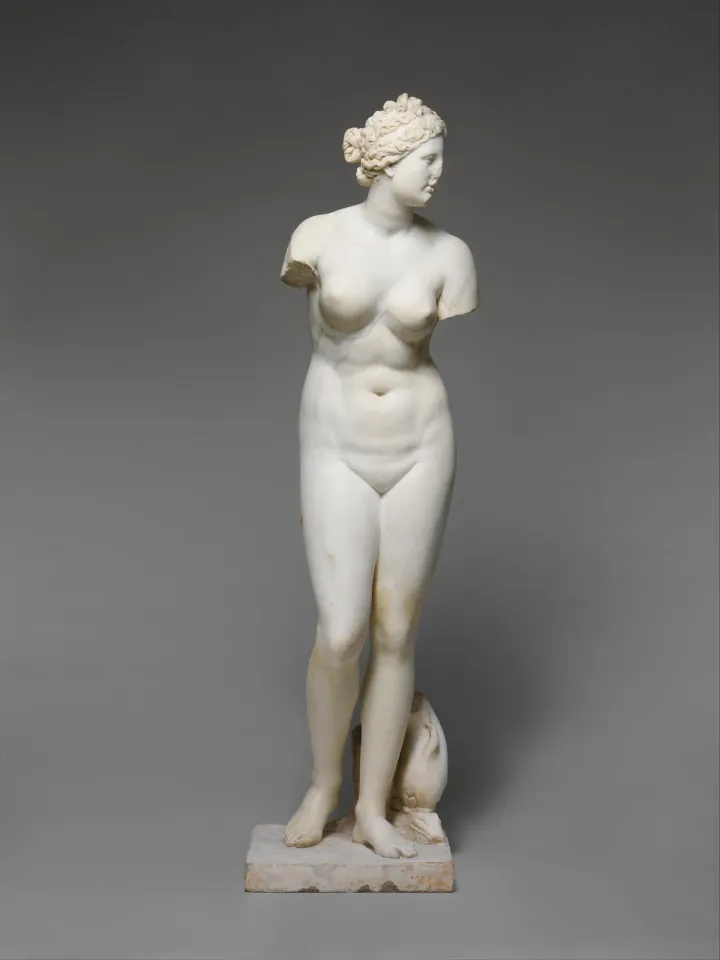
Kestos Himas (Κεστὸς ἱμάς)
Embroidered with love, longing and beguiling words, it makes anyone fall in love.