Korean
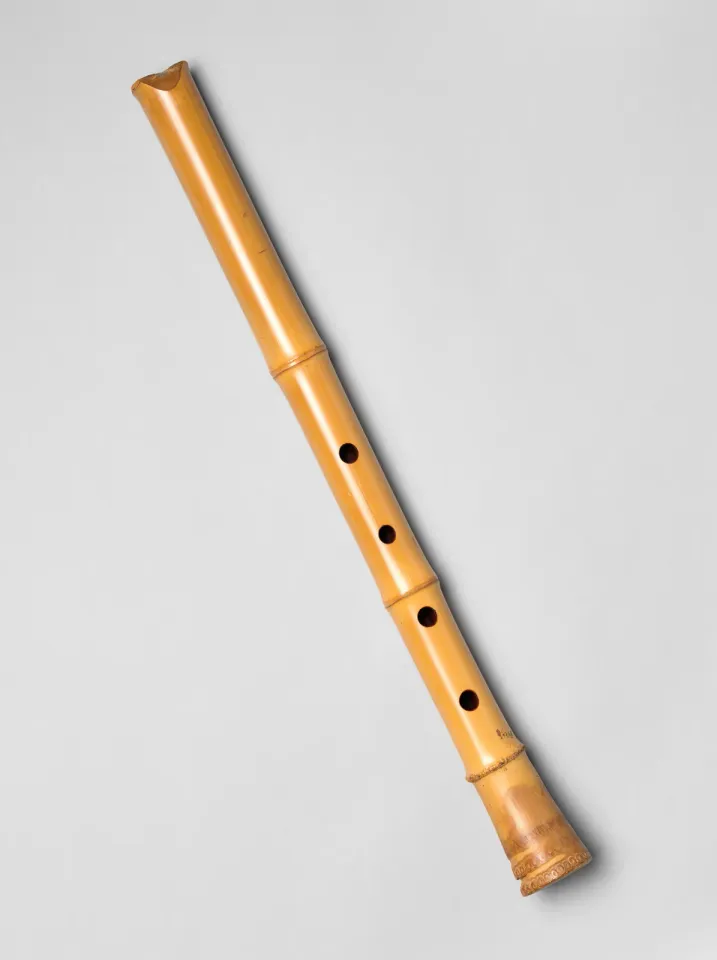
Manpasikjeok
萬波息笛
When played, enemy armies retreat, illness is cured, drought brings rain and rough waves grow calm.
TreasureFirst recorded 1281
Loading artifact…
Photograph: A stoneware pedestal vessel shaped like a pair of chariot wheels from Gaya, fifth century. On a flaring pedestal stand a pair of spoked wheels, topped by two horn-shaped cups.
Focus the photograph, then use the arrow keys to pan and the plus and minus keys to zoom. The buttons at the lower left also move it. Press a numbered button on the photograph to zoom to that note.
五龍車
A chariot drawn by five dragons. In the morning it comes down to earth, and in the evening it returns to heaven.
After reading the story of King Dongmyeong, founder of Goguryeo, in the Old History of the Three Kingdoms, Yi Gyu-bo of Goryeo composed the long narrative poem "Lay of King Dongmyeong" in 1193. It opens with Haemosu, son of the heavenly emperor, descending from the sky.
Haemosu came down in the Oryonggeo, a chariot drawn by five dragons. His hundred or more followers all rode white swans, colored clouds floated in the sky, and music sounded within the clouds. Haemosu wore a crown of crow feathers and at his waist a sword shining with dragon light. In the morning he came down to earth to attend to affairs of state, and in the evening he rose to heaven, so people called him the Heavenly King's Son.
Haemosu wished to take Yuhwa, daughter of the water god Habaek, as his wife. After he won a contest of transformations with Habaek, Habaek put the drunken Haemosu with Yuhwa into a leather palanquin and set it on the five-dragon chariot. Before the chariot left the water, Haemosu woke from his drunkenness, tore the leather with Yuhwa's golden hairpin and rose to heaven alone. The son born to Yuhwa, left behind, was Jumong.
The photograph shows Chariot wheel-shaped cup(Korea, 5th century), a real museum object that evokes the legendary artifact.
萬波息笛
When played, enemy armies retreat, illness is cured, drought brings rain and rough waves grow calm.
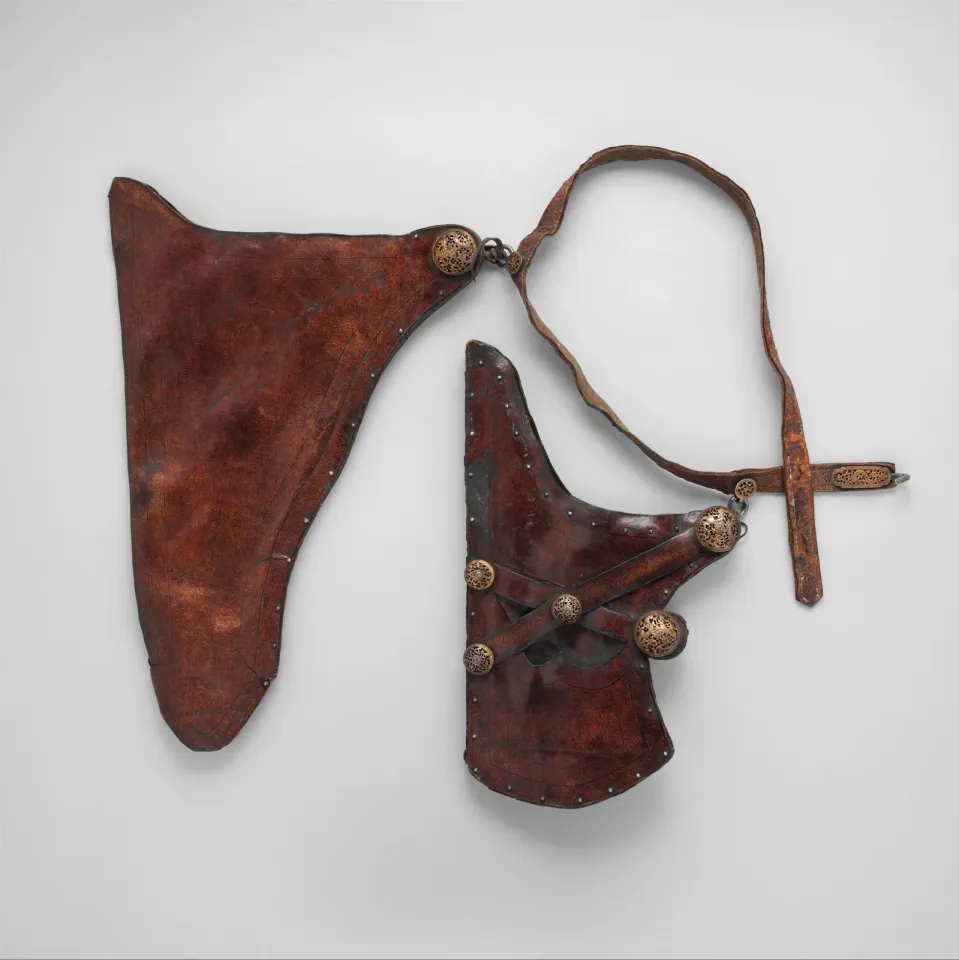
朱蒙之弓
Every arrow hit its mark, so that "jumong," meaning a fine archer, became his name.
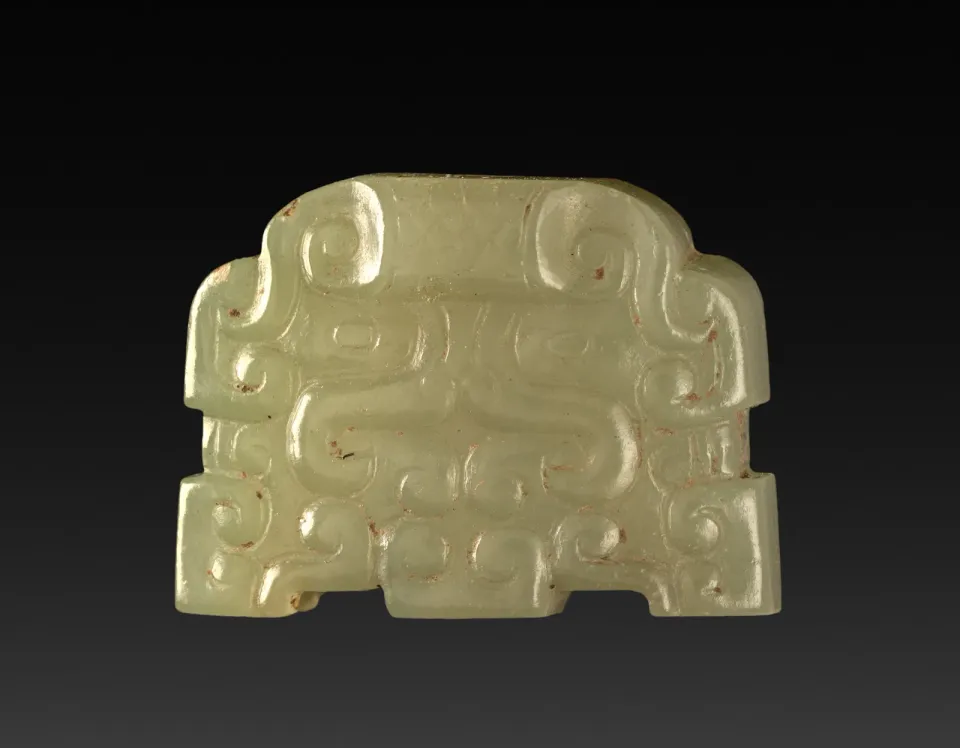
金錐子 (방이 설화)
Strike it, saying "Out with gold!", and whatever one wishes comes pouring out.
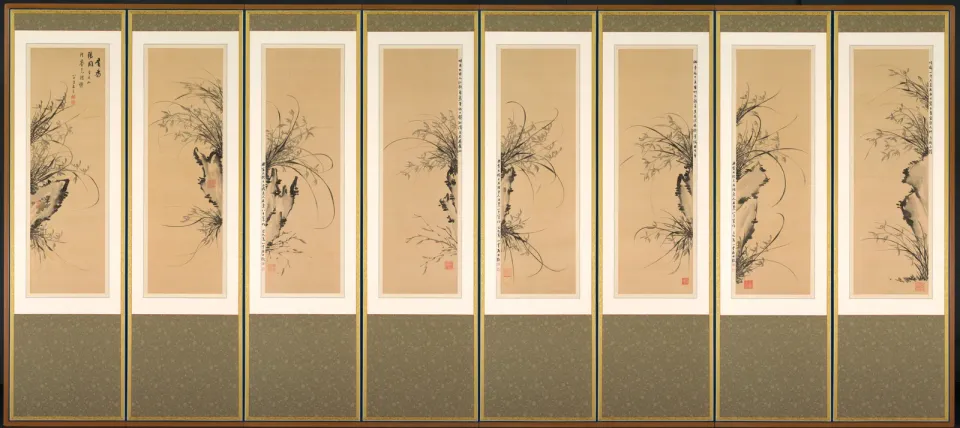
浮石
A great rock that Seonmyo became; it rose into the air and drove off the band that stood in Uisang's way.