Greek
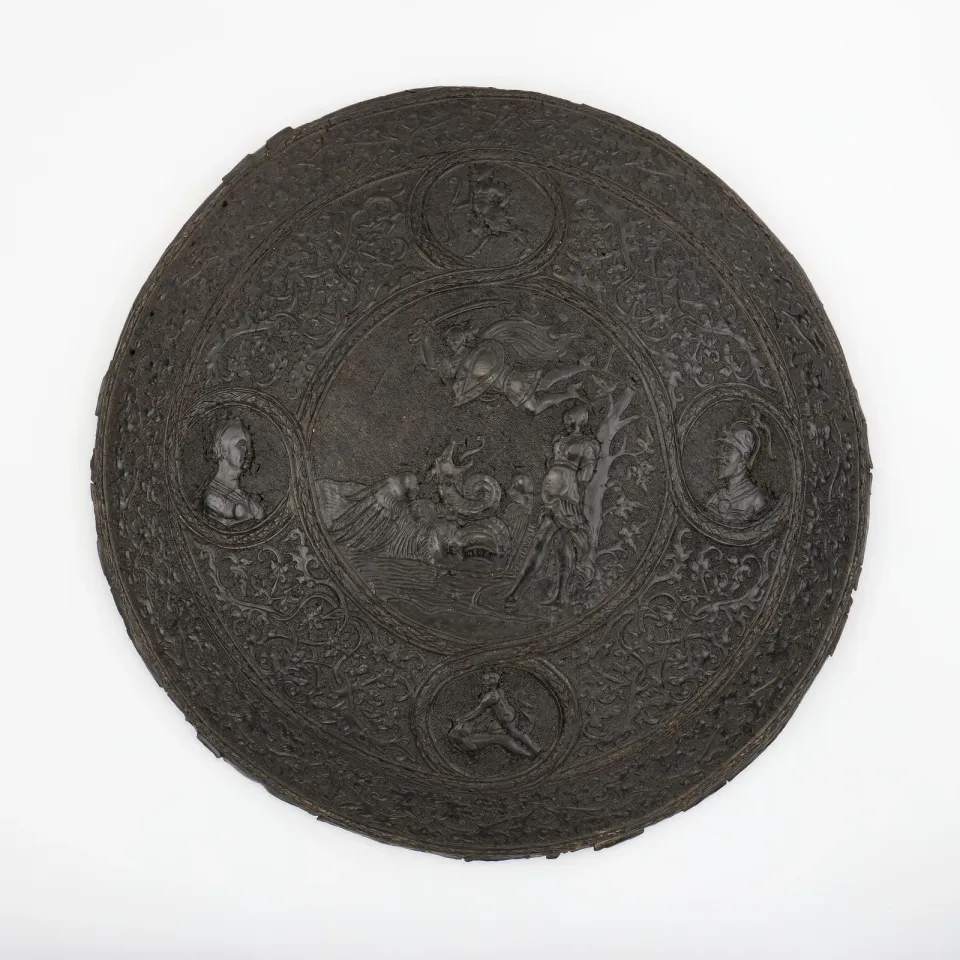
Aegis
Aegis (Αἰγίς)
Shaken, it raises storms and sends enemy armies fleeing in terror.
ArmorFirst recorded c. 750 BCE
Loading artifact…
Photograph: A Greek bronze statuette of Athena, about 460 BCE. The helmeted goddess in a long robe raises her right arm high, releasing an owl from her hand.
Focus the photograph, then use the arrow keys to pan and the plus and minus keys to zoom. The buttons at the lower left also move it. Press a numbered button on the photograph to zoom to that note.
Palladion
As long as this statue remains within the walls, Troy will never fall.
When Ilus, the founder of Troy, prayed for a sign of the gods' will, a small wooden statue fell from heaven in front of his tent. It was the Palladium, an image of the goddess Athena with a spear raised in her right hand and a distaff and spindle in her left. Some say Athena made it in memory of her young friend Pallas, whom she had killed by accident.
An oracle declared that Troy would never fall as long as this image stayed within its walls. In the tenth year of the war, the Trojan seer Helenus, captured by the Greeks, revealed this secret. Odysseus and Diomedes slipped into the city by night and stole the Palladium, and soon afterward the wooden horse passed through the gates.
The Romans believed that Aeneas had rescued the true Palladium from burning Troy and brought it to Italy. In Rome it was kept deep inside the Temple of Vesta, where the undying fire was guarded.
The photograph shows Bronze statuette of Athena flying her owl(Greek, ca. 460 BCE), a real museum object that evokes the legendary artifact.
Aegis (Αἰγίς)
Shaken, it raises storms and sends enemy armies fleeing in terror.
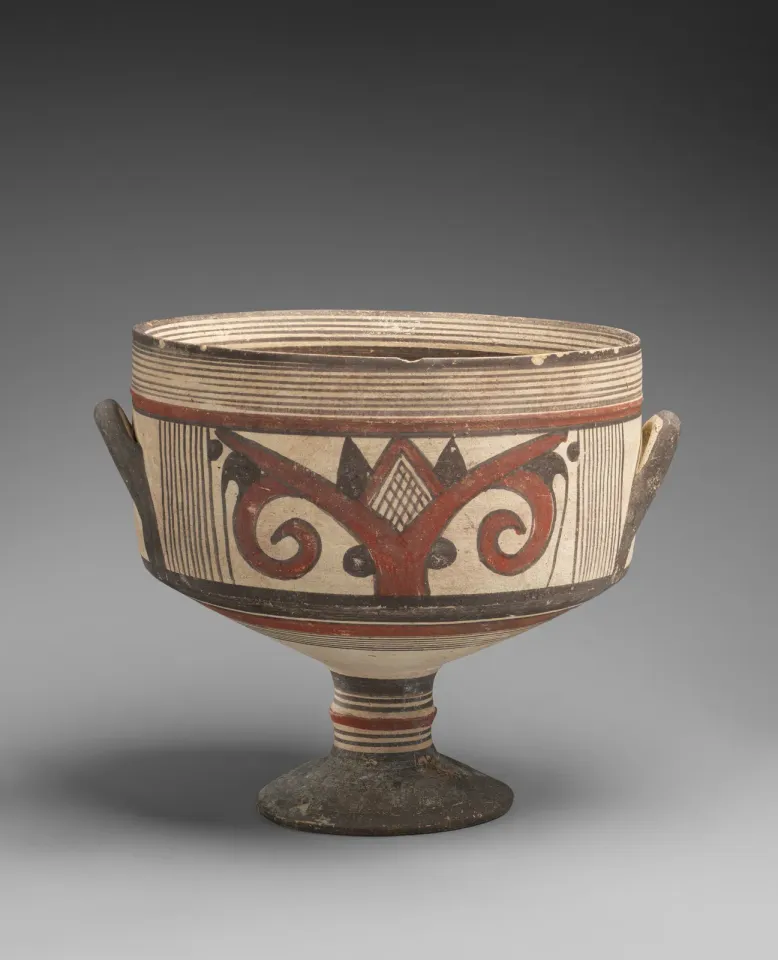
Ambrosia & Nectar
Keeps the gods ageless and deathless.
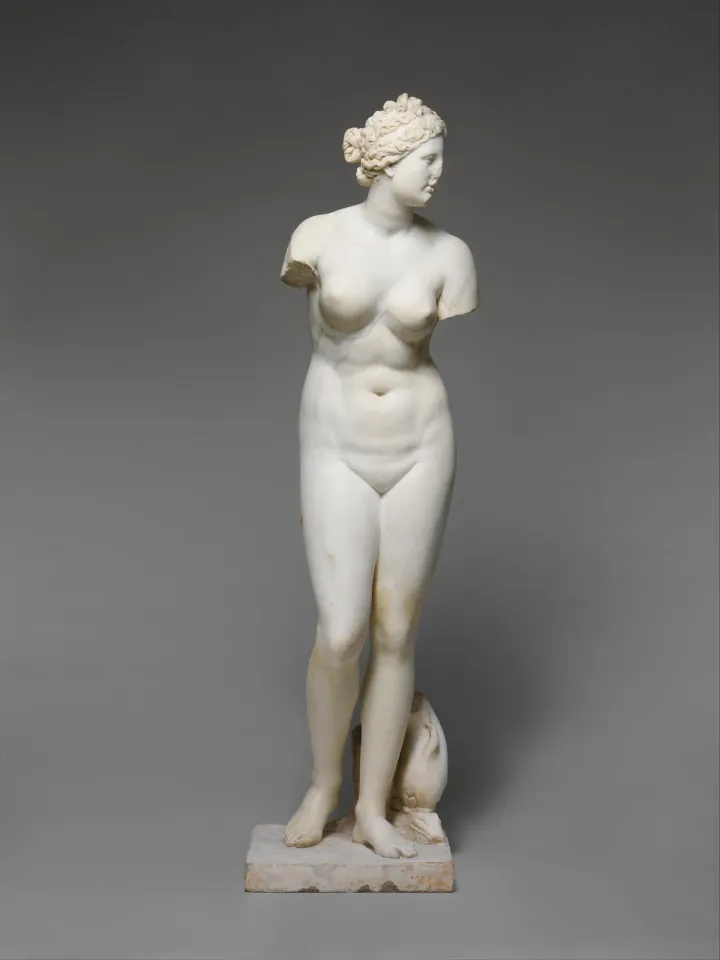
Kestos Himas (Κεστὸς ἱμάς)
Embroidered with love, longing and beguiling words, it makes anyone fall in love.