Korean
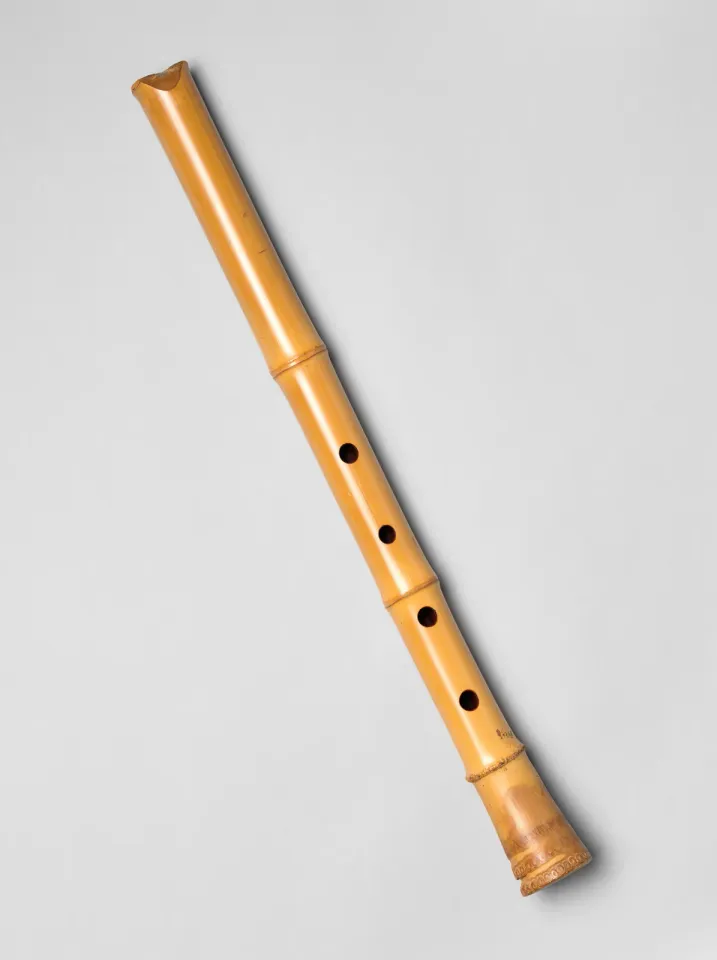
Manpasikjeok
萬波息笛
When played, enemy armies retreat, illness is cured, drought brings rain and rough waves grow calm.
TreasureFirst recorded 1281
Loading artifact…
Photograph: An eight-panel folding screen of peonies painted on silk in Korea in the early 1900s. On every panel, red, pink, yellow and blue peonies bloom in layers on luxuriant branches.
Focus the photograph, then use the arrow keys to pan and the plus and minus keys to zoom. The buttons at the lower left also move it. Press a numbered button on the photograph to zoom to that note.
牡丹圖
Seeing no butterflies in the painting, she guessed that the flowers had no scent.
According to Kim Bu-sik's Samguk Sagi, in the reign of King Jinpyeong of Silla, a painting of peonies and peony seeds were sent from Tang China. The Samguk Yusa adds that Emperor Taizong of Tang sent a painting of peonies in three colors, red, purple and white, with three measures of seed.
Seeing the painting, Princess Deokman said that the flowers were beautiful but surely had no fragrance, for there were no bees or butterflies in the picture. When the seeds were planted and the flowers bloomed, they indeed had no scent.
Deokman later became Queen Seondeok, Silla's first reigning queen. The Samguk Yusa counts this as one of three things the queen foresaw, and says she also saw through Taizong's meaning: a jibe at her for having no mate.
The photograph shows Peonies(Korea, Joseon dynasty (1392−1910) or Japanese colonial period (1910−1945), early 1900s), a real museum object that evokes the legendary artifact.
萬波息笛
When played, enemy armies retreat, illness is cured, drought brings rain and rough waves grow calm.
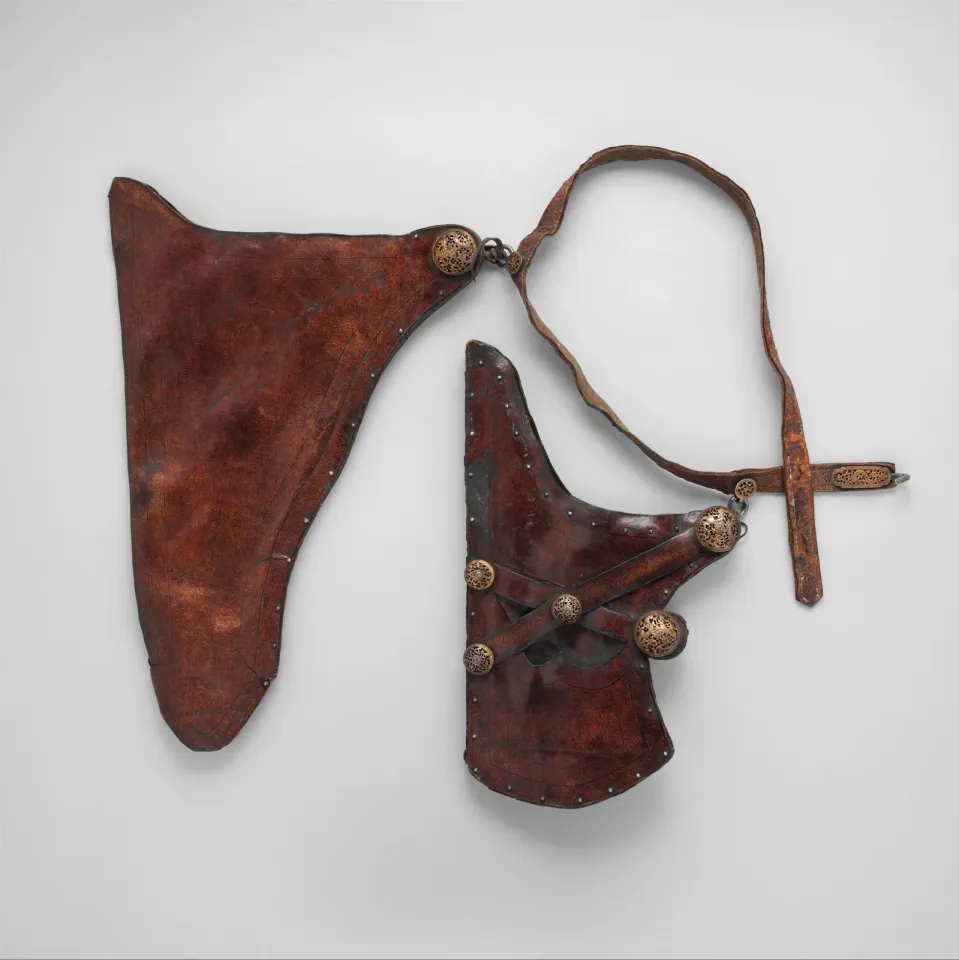
朱蒙之弓
Every arrow hit its mark, so that "jumong," meaning a fine archer, became his name.
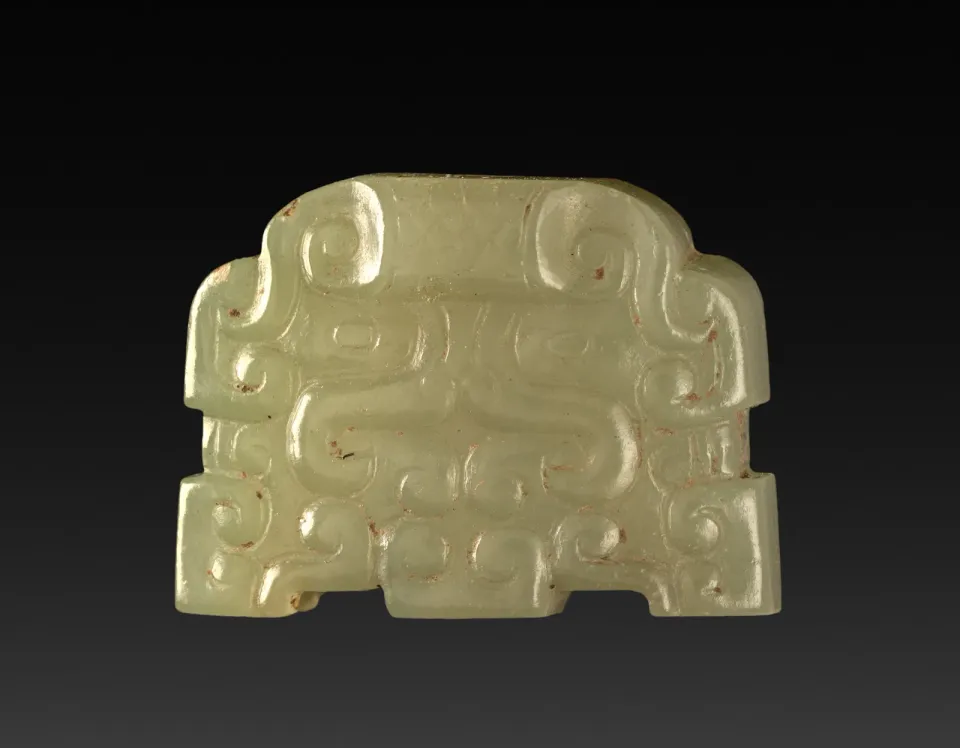
金錐子 (방이 설화)
Strike it, saying "Out with gold!", and whatever one wishes comes pouring out.
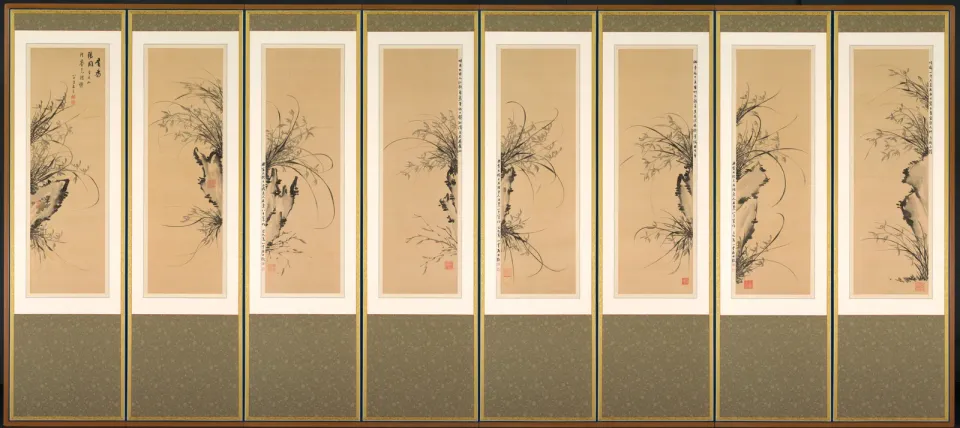
浮石
A great rock that Seonmyo became; it rose into the air and drove off the band that stood in Uisang's way.