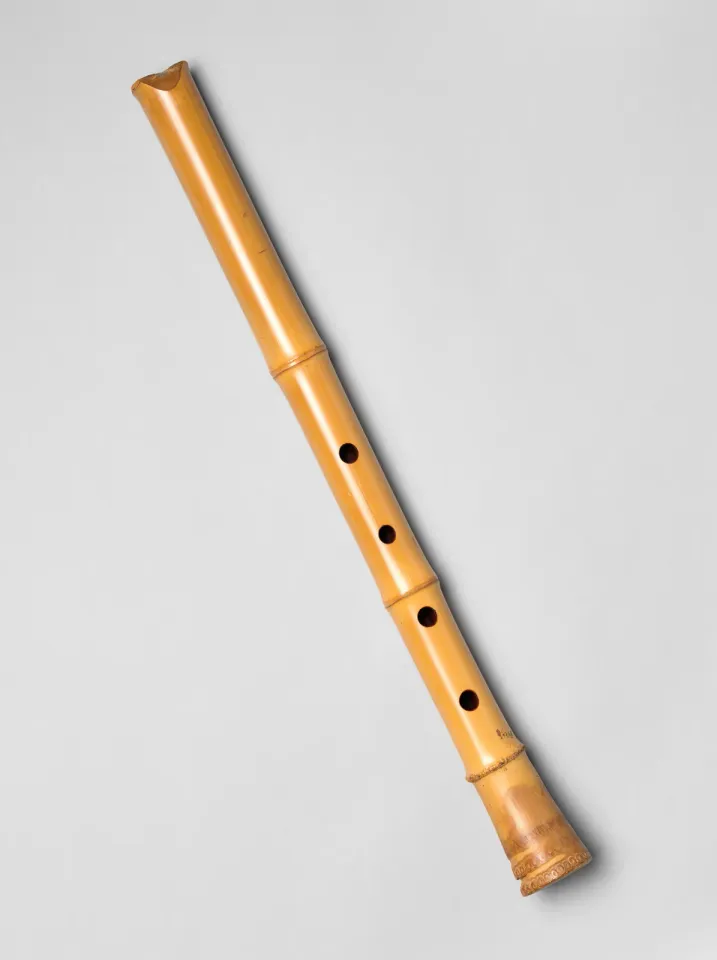
Korean
Manpasikjeok
萬波息笛
When played, enemy armies retreat, illness is cured, drought brings rain and rough waves grow calm.
TreasureFirst recorded 1281
Loading artifact…
Photograph: A pair of openwork bronze ornaments made in Goryeo in the twelfth century. On each round-topped plaque, a heron above and a turtle below are pierced among scrolling vines, and the surface is covered with green corrosion.
Focus the photograph, then use the arrow keys to pan and the plus and minus keys to zoom. The buttons at the lower left also move it. Press a numbered button on the photograph to zoom to that note.
兎肝
The one medicine that could cure the Dragon King's daughter of her illness.
According to the 'Biography of Kim Yu-sin' in the Samguk Sagi, in 642 Kim Chunchu of Silla went to Goguryeo to ask for troops and was imprisoned there, and Seon Do-hae, a Goguryeo official, plied him with wine and told him an old tale. The daughter of the Dragon King of the Eastern Sea suffered from a heart ailment, and a physician said she would be cured only if a rabbit's liver were obtained for her medicine.
There were no rabbits in the sea. A turtle went up onto land and lured a rabbit, telling it of an island in the middle of the sea with clear springs and fine grass, and carried it on its back into the sea. When they reached the middle of the sea, the turtle confessed that the Dragon King's daughter in fact needed the rabbit's liver.
The rabbit said that, being descended from spirits, he had taken out his liver, washed it and left it on a rock, and that he would fetch it. When the turtle carried the rabbit back and set him down on the shore, the rabbit leaped into the grass and mocked it: who could live without a liver? Kim Chunchu understood the meaning of the tale, devised a ruse and was released. The story lived on in the pansori Sugungga and the novel The Tale of the Rabbit.
The photograph shows Ornaments with Heron and Turtle Design(Korea, Goryeo dynasty (918–1392), 1100s), a real museum object that evokes the legendary artifact.
萬波息笛
When played, enemy armies retreat, illness is cured, drought brings rain and rough waves grow calm.
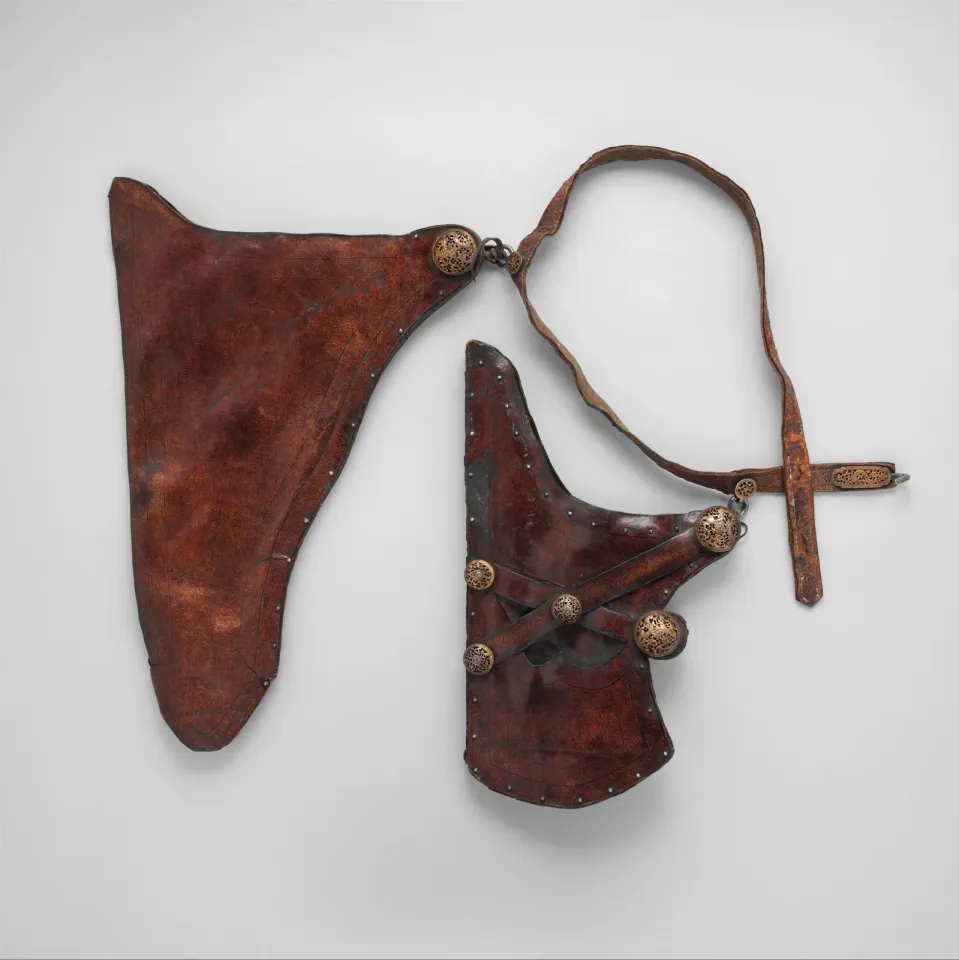
朱蒙之弓
Every arrow hit its mark, so that "jumong," meaning a fine archer, became his name.
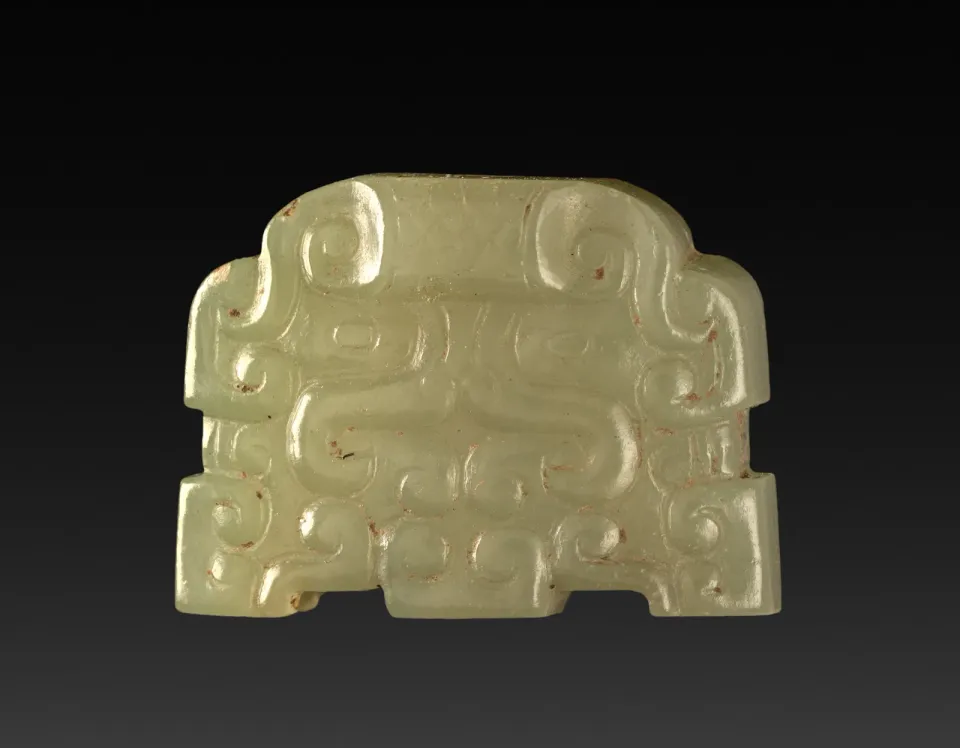
金錐子 (방이 설화)
Strike it, saying "Out with gold!", and whatever one wishes comes pouring out.
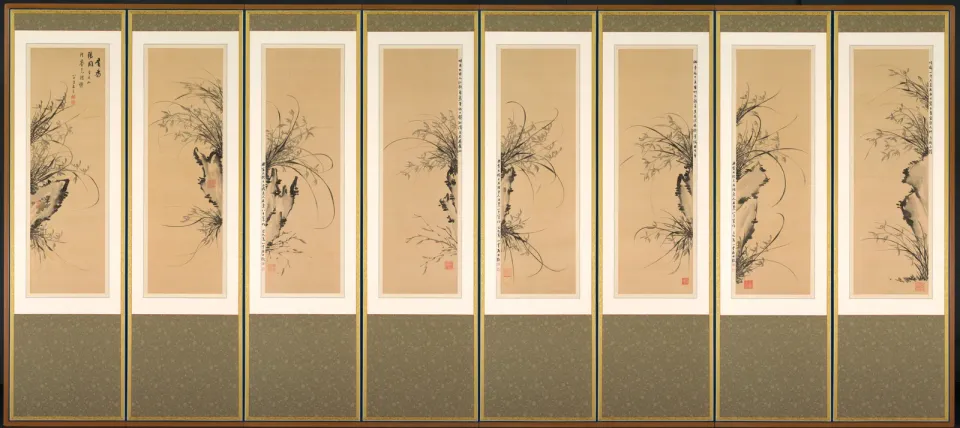
浮石
A great rock that Seonmyo became; it rose into the air and drove off the band that stood in Uisang's way.