Korean
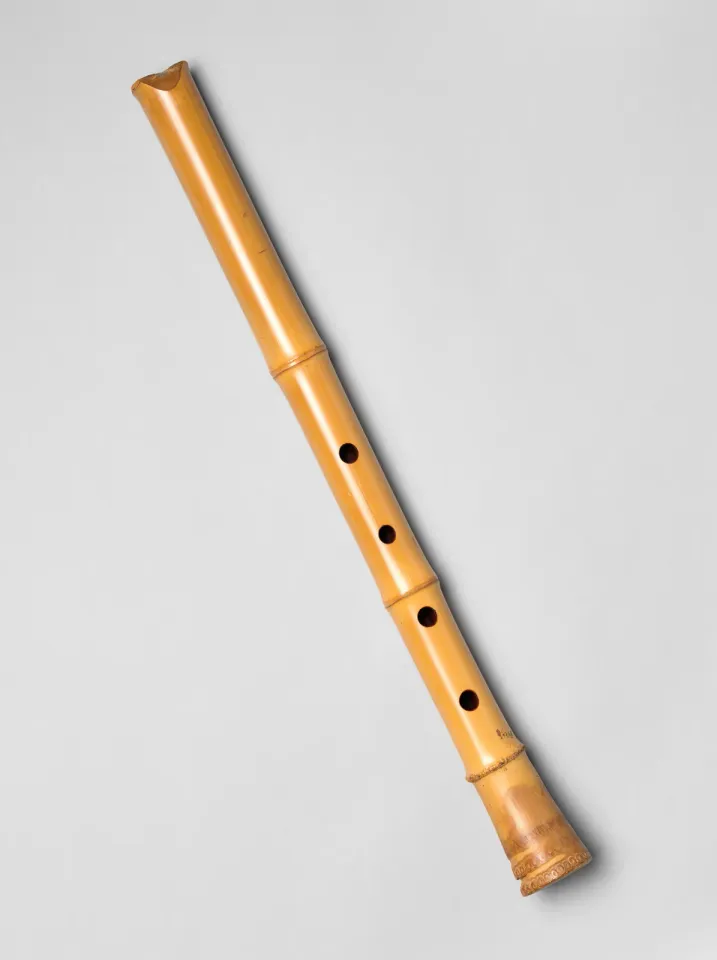
Manpasikjeok
萬波息笛
When played, enemy armies retreat, illness is cured, drought brings rain and rough waves grow calm.
TreasureFirst recorded 1281
Loading artifact…
Photograph: A necklace of Unified Silla, eighth century. Faceted rock-crystal beads, dark beads and gold beads covered with gold granules are strung together, with comma-shaped amethyst jewels on either side and a comma-shaped jade jewel at the bottom center.
Focus the photograph, then use the arrow keys to pan and the plus and minus keys to zoom. The buttons at the lower left also move it. Press a numbered button on the photograph to zoom to that note.
薯童金
Gold piled like clods of earth where he dug yams, carried to the Silla palace in a single night.
According to 'King Mu' in the Samguk Yusa, Seodong of Baekje was a poor young man who lived by digging and selling yams. Hearing that Princess Seonhwa, third daughter of King Jinpyeong of Silla, was beautiful, he went to the Silla capital and had the children sing a song in exchange for yams. When the 'Song of Seodong,' which said that Princess Seonhwa was secretly meeting Seodong, spread, the princess was driven from the palace, and Seodong took her in and went with her to Baekje.
When the princess brought out the gold her mother had given her to set up their household, Seodong laughed aloud and asked what it was. In the place where he dug yams, he said, such things were heaped up like clods of earth. The princess told him that it was the greatest treasure under heaven.
The two gathered the gold and went to the Dharma master Jimyeong of Saja Temple on Mount Yonghwa, who by his supernatural power carried the gold to the Silla palace in a single night. King Jinpyeong marveled at this and sent word asking after Seodong, and through this Seodong won the people's hearts and became King Mu of Baekje. King Mu and his queen later founded Mireuksa temple in Iksan, it is said.
The photograph shows Necklace(Korea, Unified Silla period (676-935), 700s), a real museum object that evokes the legendary artifact.
萬波息笛
When played, enemy armies retreat, illness is cured, drought brings rain and rough waves grow calm.
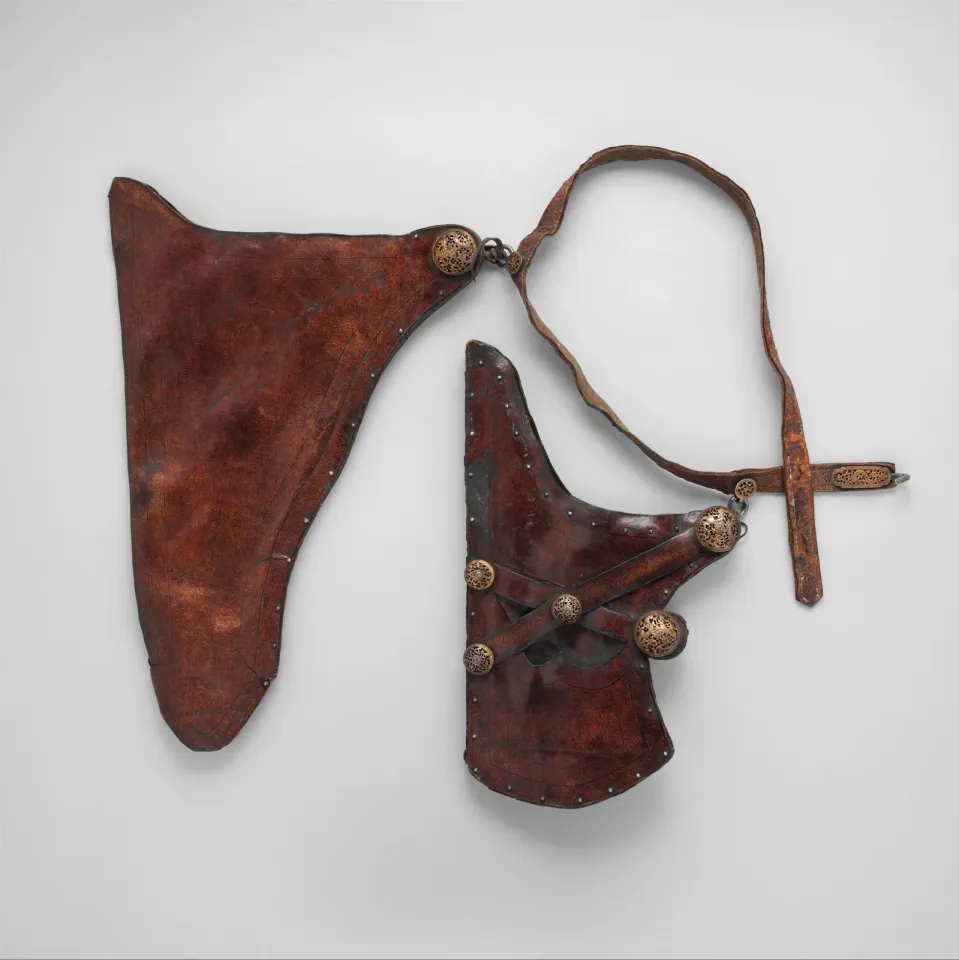
朱蒙之弓
Every arrow hit its mark, so that "jumong," meaning a fine archer, became his name.
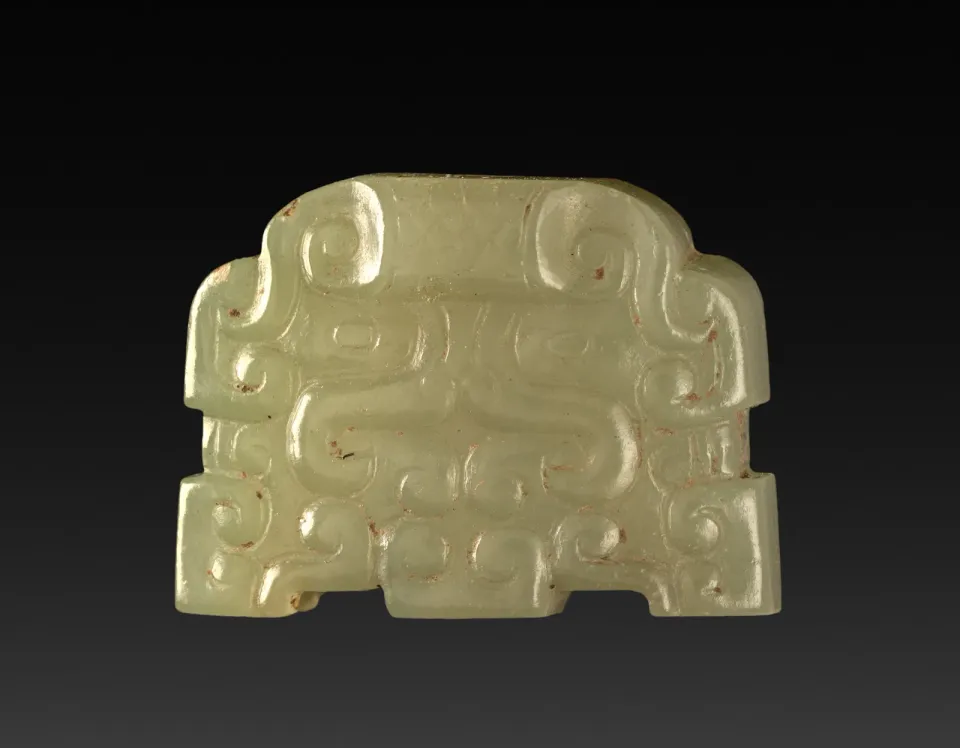
金錐子 (방이 설화)
Strike it, saying "Out with gold!", and whatever one wishes comes pouring out.
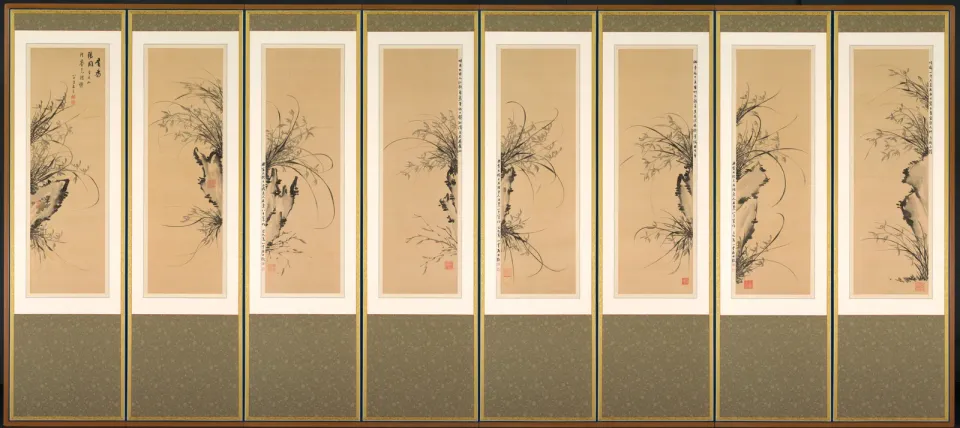
浮石
A great rock that Seonmyo became; it rose into the air and drove off the band that stood in Uisang's way.