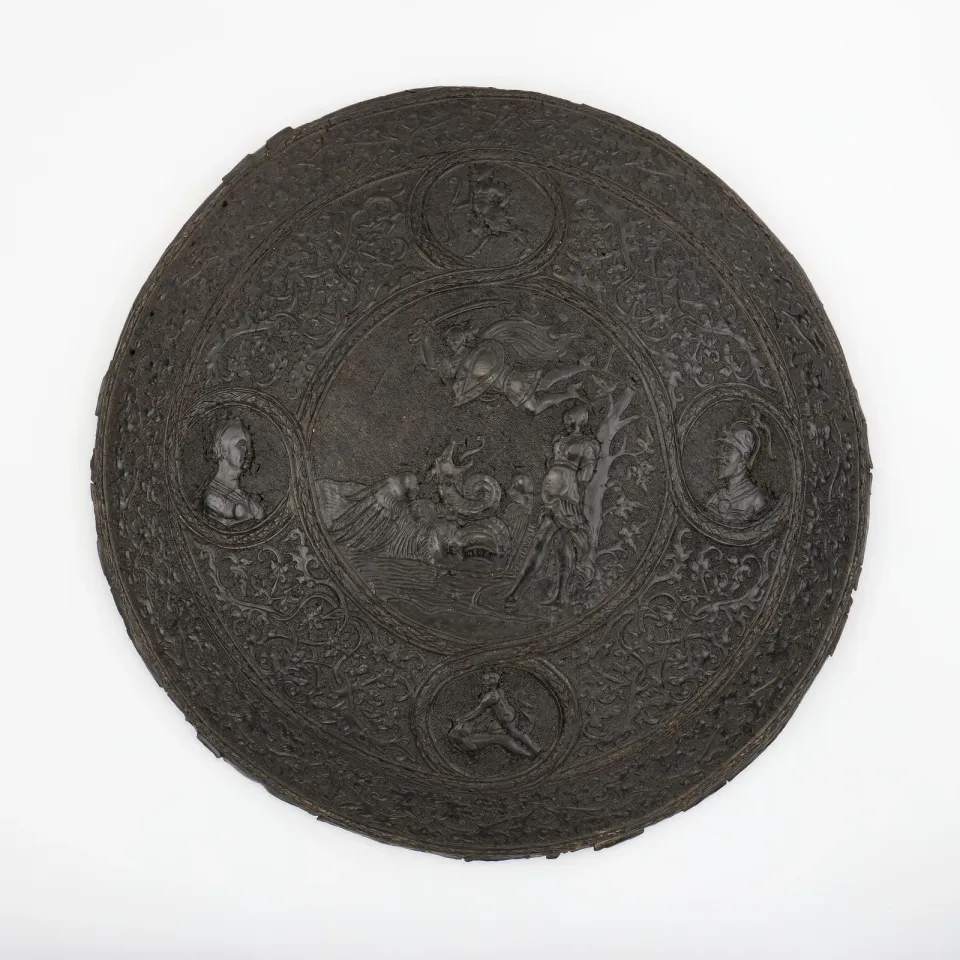
Greek
Aegis
Aegis (Αἰγίς)
Shaken, it raises storms and sends enemy armies fleeing in terror.
ArmorFirst recorded c. 750 BCE
Loading artifact…
Photograph: Achilles Dragging the Body of Hector, an etching made in Italy in 1648. Achilles in a helmet stands in a chariot with Hector's body dragged behind; a winged goddess appears above, and the walls of Troy rise in the background.
Focus the photograph, then use the arrow keys to pan and the plus and minus keys to zoom. The buttons at the lower left also move it. Press a numbered button on the photograph to zoom to that note.
Pelias Melie
So heavy and huge that no one but Achilles could wield it.
In Book 16 of the Iliad, Patroclus borrows the armor of Achilles and goes into battle, but leaves the spear behind. That spear was heavy, huge and strong, and none of the Achaeans but Achilles could wield it.
The centaur Chiron had cut it from an ash tree on the summit of Mount Pelion and given it to Peleus, Achilles' father, to be the death of heroes. Some say Peleus received it at the time of his marriage to the sea goddess Thetis.
When his friend Patroclus fell at Hector's hands, Achilles put on the new armor Hephaestus had made him, took up this spear and returned to battle. Before the walls of Troy he drove it through Hector's neck.
The photograph shows Achilles Dragging the Body of Hector(Italy, 1648), a real museum object that evokes the legendary artifact.
Aegis (Αἰγίς)
Shaken, it raises storms and sends enemy armies fleeing in terror.
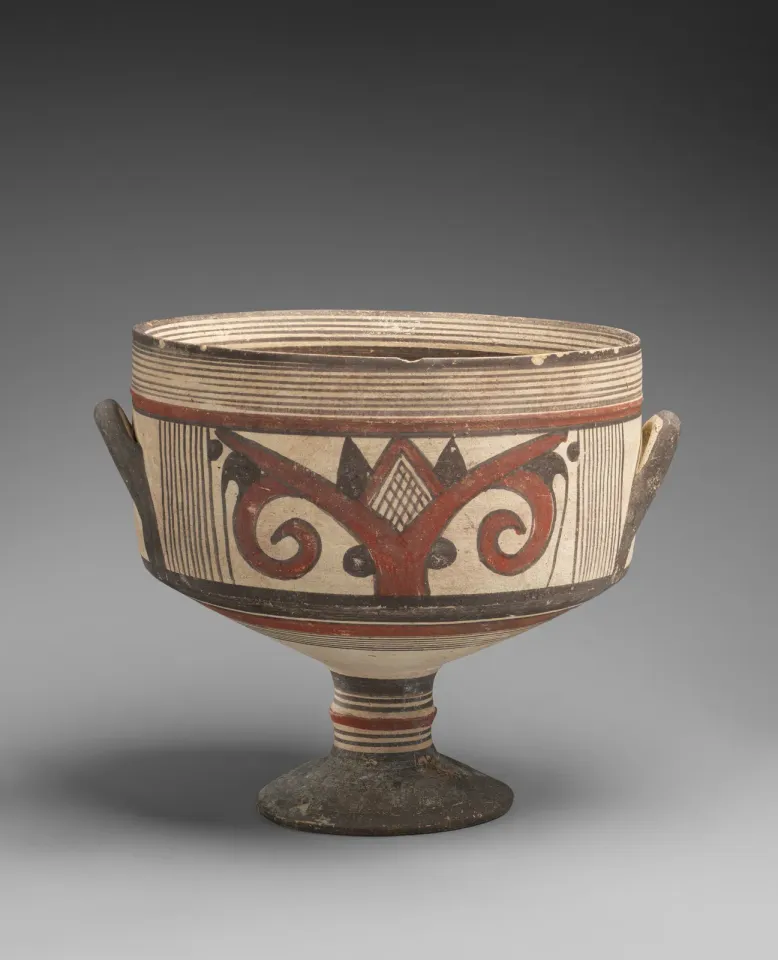
Ambrosia & Nectar
Keeps the gods ageless and deathless.
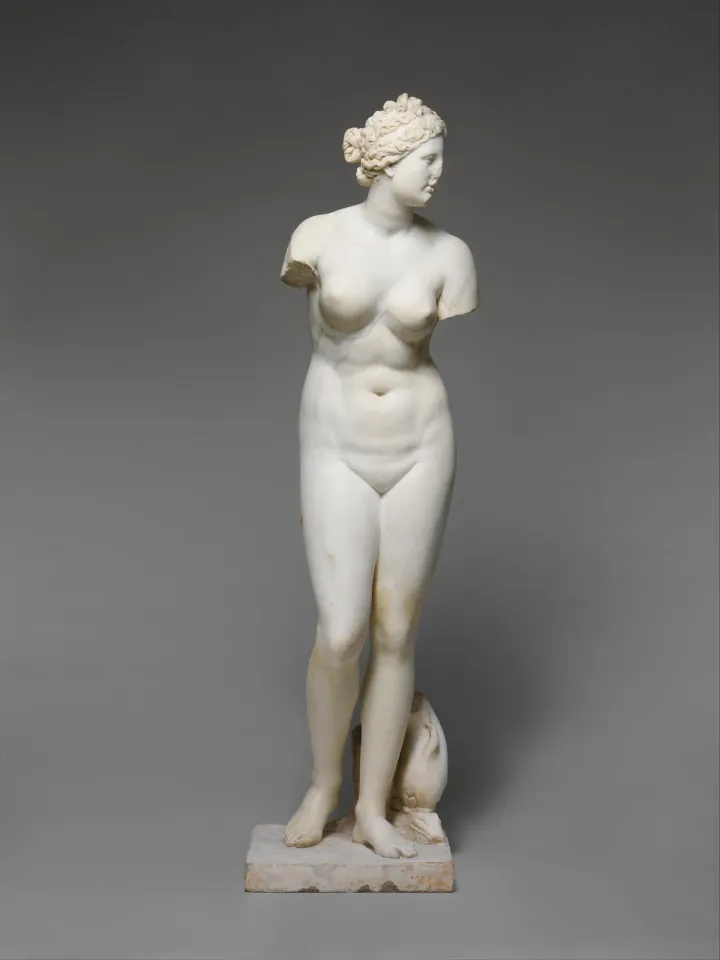
Kestos Himas (Κεστὸς ἱμάς)
Embroidered with love, longing and beguiling words, it makes anyone fall in love.