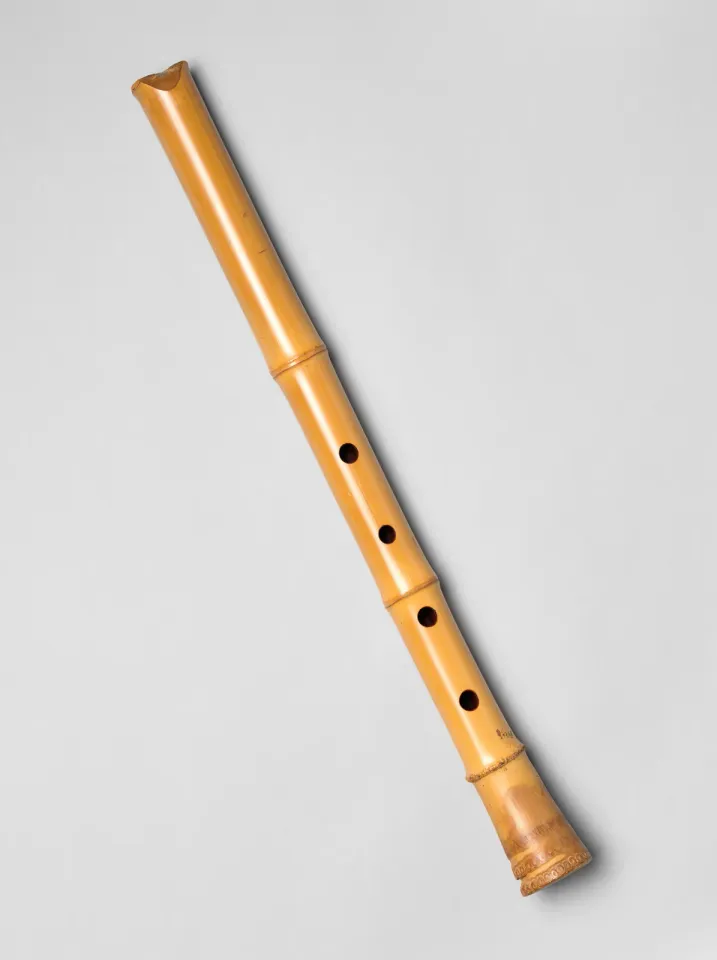
Korean
Manpasikjeok
萬波息笛
When played, enemy armies retreat, illness is cured, drought brings rain and rough waves grow calm.
TreasureFirst recorded 1281
Loading artifact…
Photograph: An inlaid celadon box of the Goryeo dynasty (918–1392). A lid covers the round, flattish body; petal and phoenix designs are inlaid in black and white on the lid, and a patterned band circles the body.
Focus the photograph, then use the arrow keys to pan and the plus and minus keys to zoom. The buttons at the lower left also move it. Press a numbered button on the photograph to zoom to that note.
石函
A chest that came across the sea; three maidens, foals, calves and the seeds of the five grains came out of it, and Tamna began.
According to the tale of Tamna in the 'Treatise on Geography' of the Goryeosa, in the most ancient times there were no people on this island. From an opening in the ground called Moheunghyeol, on the northern slope of Mount Halla, three divine men rose up: the eldest Yang-eulna, the second Go-eulna and the third Bu-eulna. The three lived by hunting, wearing hides and eating meat.
One day a wooden chest sealed with purple clay drifted ashore on the eastern coast. When they opened it, inside was another chest, of stone, and an envoy in a red sash and purple robes had come with it. When they opened the stone chest, out came three maidens in blue robes, with foals, calves and the seeds of the five grains.
The envoy said that the king of his country, hearing that three sons of the gods had descended on a mountain in the western sea and wished to found a country but had no wives, had sent his three daughters. The Goryeosa names this country Japan, while later Jeju records call it Byeongnang. The three divine men married the maidens, divided the land, planted the five grains and raised horses and cattle.
The photograph shows Box and Cover with Inlaid Phoenix Design(Korea, Goryeo dynasty (918–1392), 918–1392), a real museum object that evokes the legendary artifact.
萬波息笛
When played, enemy armies retreat, illness is cured, drought brings rain and rough waves grow calm.
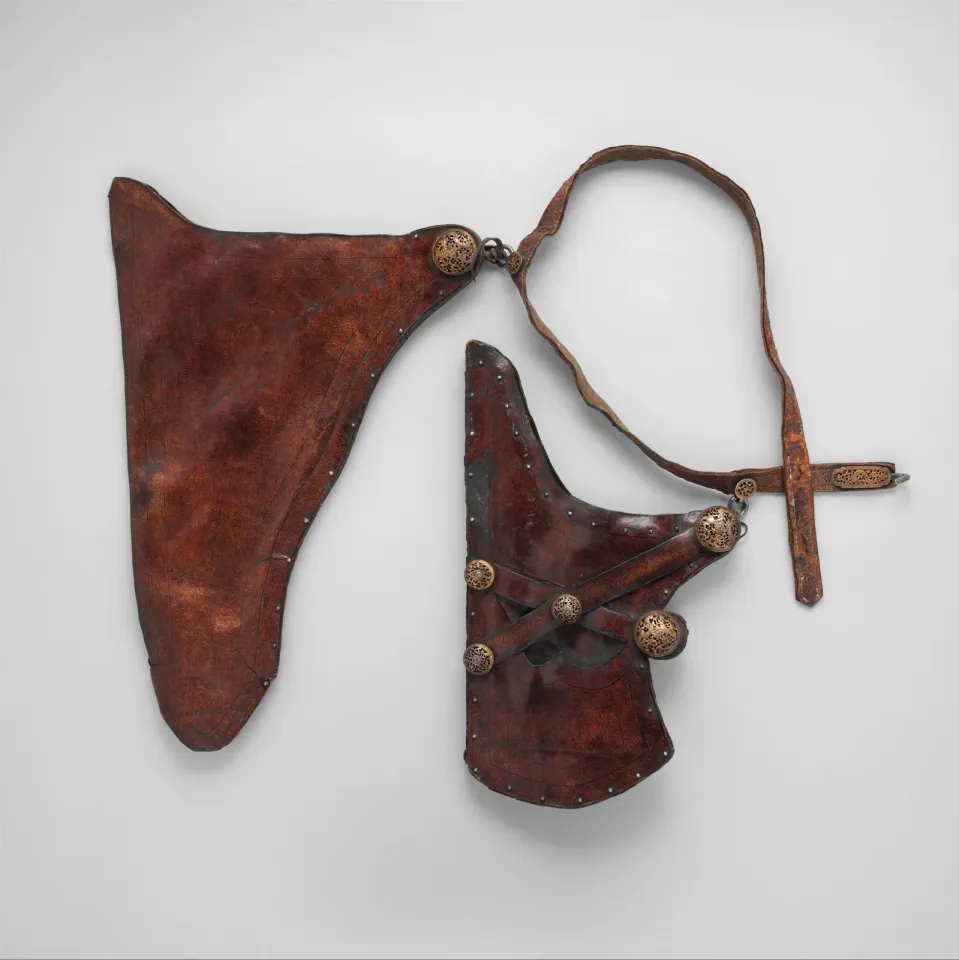
朱蒙之弓
Every arrow hit its mark, so that "jumong," meaning a fine archer, became his name.
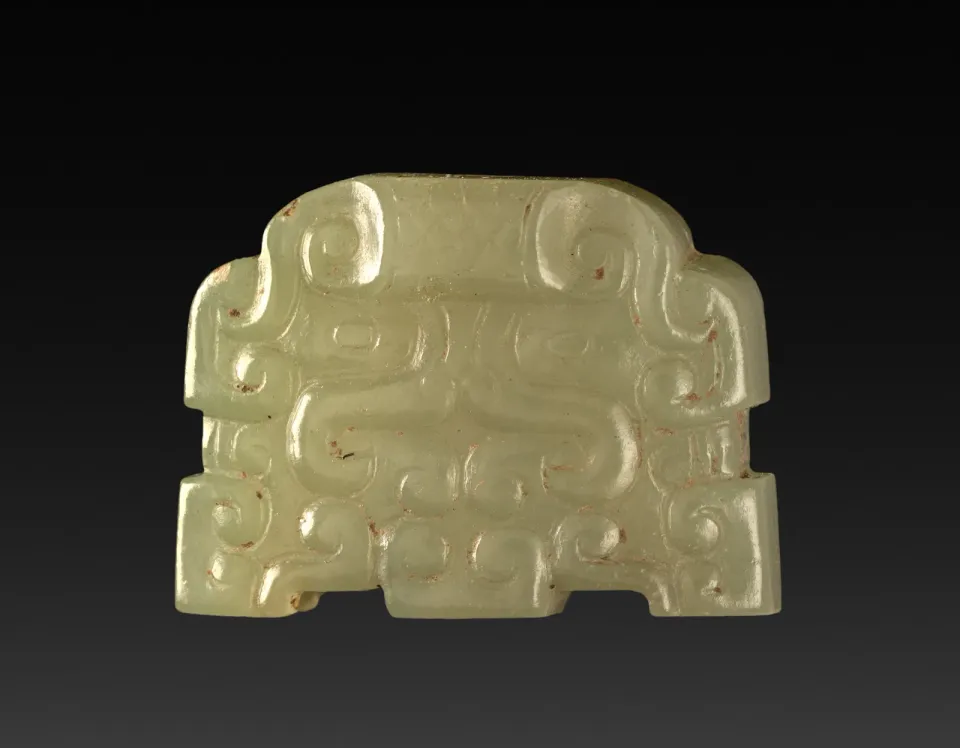
金錐子 (방이 설화)
Strike it, saying "Out with gold!", and whatever one wishes comes pouring out.
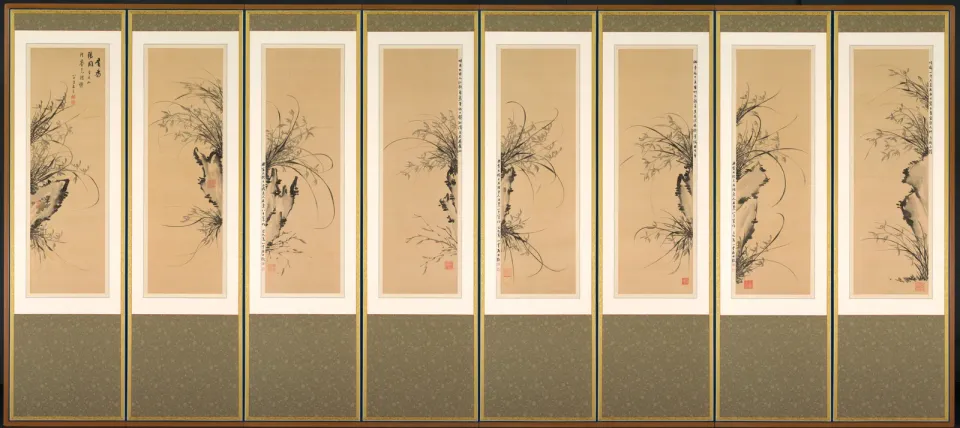
浮石
A great rock that Seonmyo became; it rose into the air and drove off the band that stood in Uisang's way.