Egypt & Near East
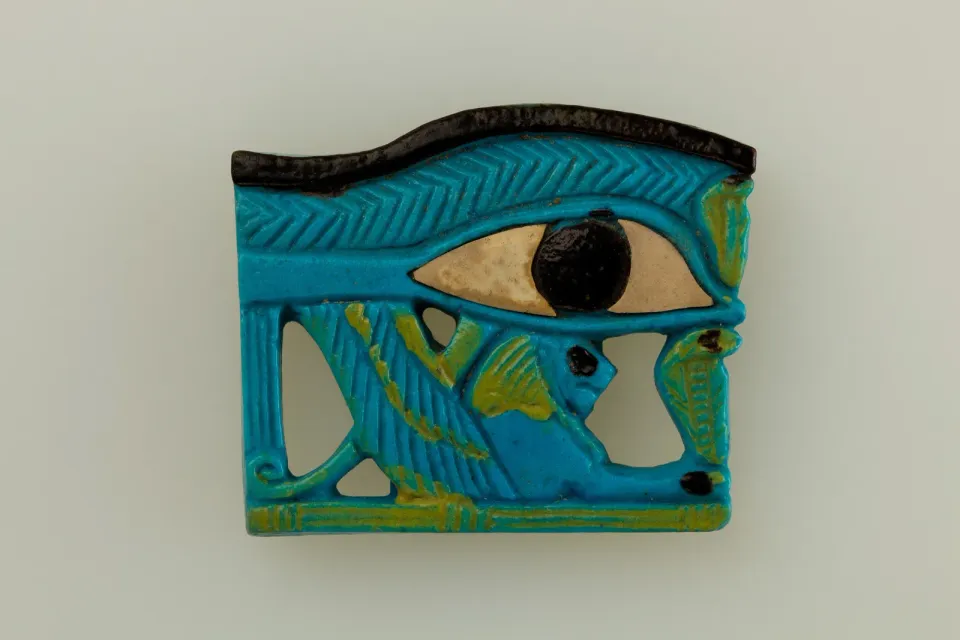
Eye of Horus
Wedjat (Eye of Horus)
An amulet that heals what is hurt and keeps the body whole.
JewelFirst recorded c. 2400 BCE
Loading artifact…
Photograph: A bronze tablet inscribed in cuneiform from Iran, about 850–750 BCE. A small tab rises from the top center of the dark, rectangular bronze plate, which is covered with incised cuneiform signs.
Focus the photograph, then use the arrow keys to pan and the plus and minus keys to zoom. The buttons at the lower left also move it. Press a numbered button on the photograph to zoom to that note.
Ṭuppi Šīmāti (Tablet of Destinies)
Whoever holds it decides the fates of gods, people and the world, and rules the universe.
The people of Mesopotamia believed that the king of the gods held the Tablet of Destinies and with it decided the fates of gods, people and the world. In the Epic of Anzu the tablet belonged to Enlil, god of heaven and earth.
One day, while Enlil laid down his crown and the tablet to bathe, Anzu, the lion-headed eagle who kept his door, stole the tablet and flew off to the mountains. All the commands of the gods stopped, and arrows shot at Anzu, who held the tablet, turned back at a single word: "Reed, return to your canebrake." With the advice of Ea, god of wisdom, the war god Ninurta cut off Anzu's wings and recovered the tablet.
In the Babylonian creation epic Enuma Elish, Tiamat, goddess of the sea, gave the tablet to her champion Kingu. The young god Marduk defeated them, took the tablet, fastened it on his own breast and so became king of the gods.
The photograph shows Cuneiform tablet(Iran, ca. 850–750 BCE), a real museum object that evokes the legendary artifact.
Wedjat (Eye of Horus)
An amulet that heals what is hurt and keeps the body whole.
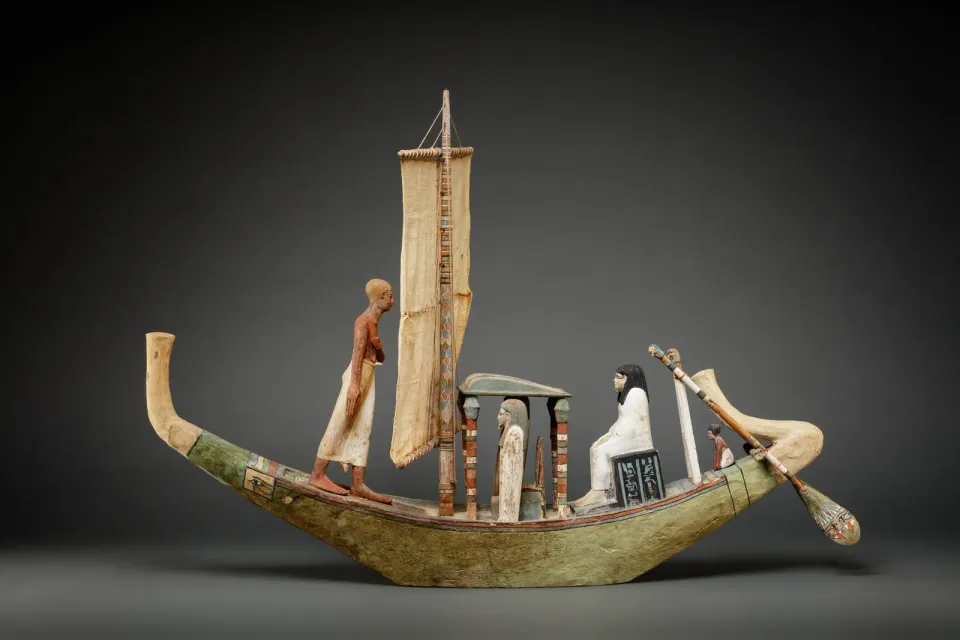
Solar Barque of Ra
Crossing the sky by day and the underworld by night, it makes the sun rise again.
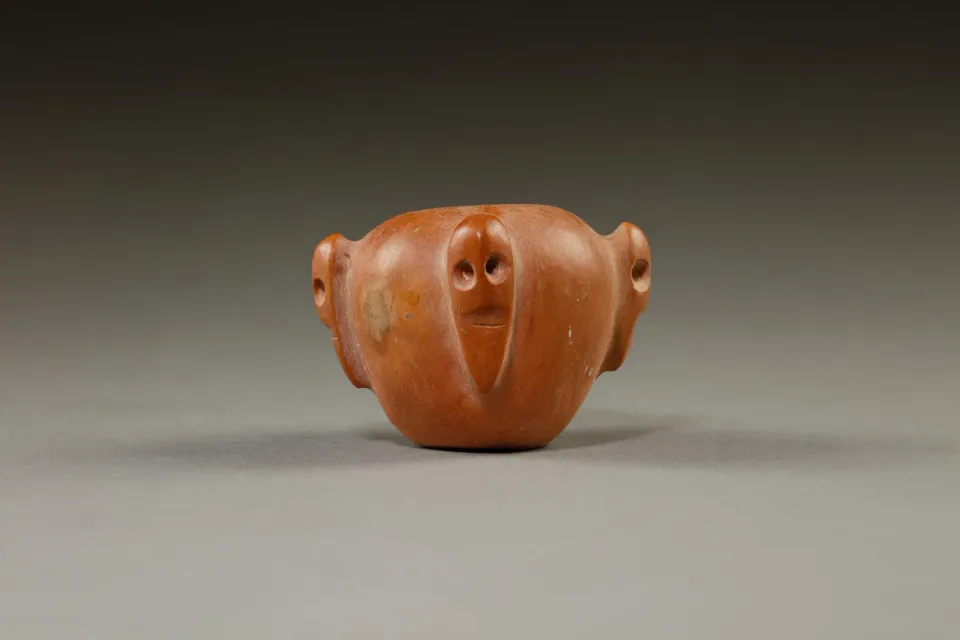
Šar-ur
It speaks, flies off on its own to spy on the enemy, and reports back to its master.
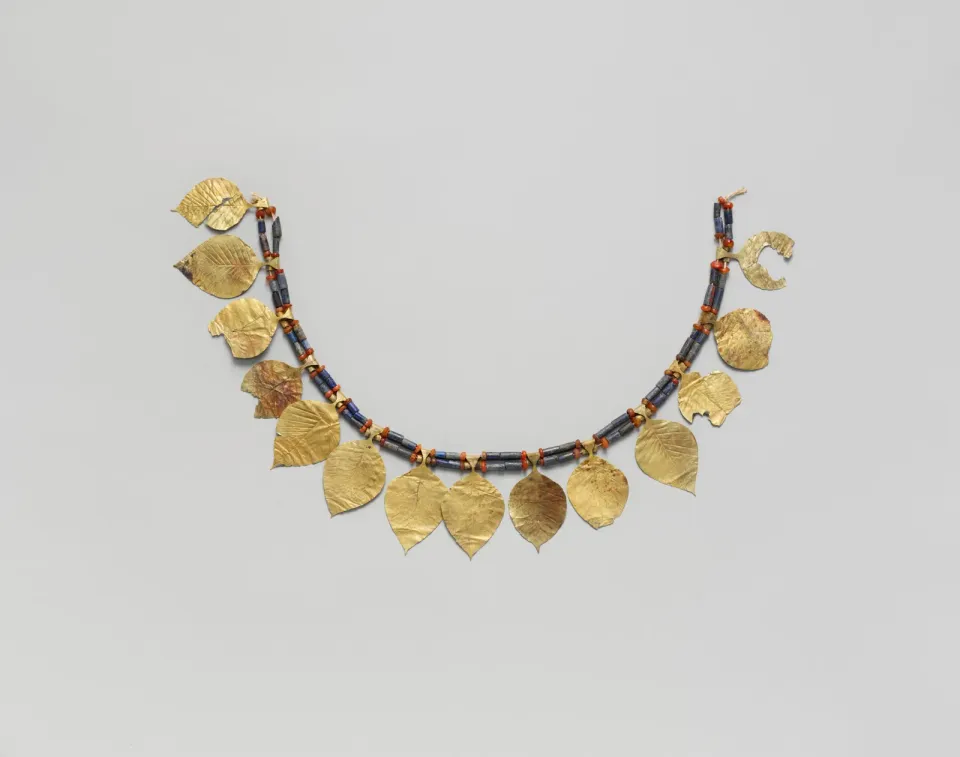
Seven Me of Inanna
Seven ornaments holding the goddess's powers. With each one she removes, she loses her strength.